Tag

Red Giants

All articles tagged with #red giants

astronomy1 year ago

"Red Giants: Refining Cosmic Distance Measurements"

Astronomers are exploring new methods to measure the expansion of the Universe, aiming to resolve the Hubble tension. A recent paper introduces a technique that utilizes red giant stars at the "Tip-of-the-Red-Giant-Branch" (TRGB) phase, leveraging their brightness fluctuations to improve distance measurements. While this method enhances confidence in expansion measurements, it may not fully resolve the discrepancy in Hubble constant values. Nevertheless, refining these measurements could unveil new insights into the fundamental workings of the Universe.

astronomy1 year ago

"Red Giant Baritones: Refining Cosmic Distances"

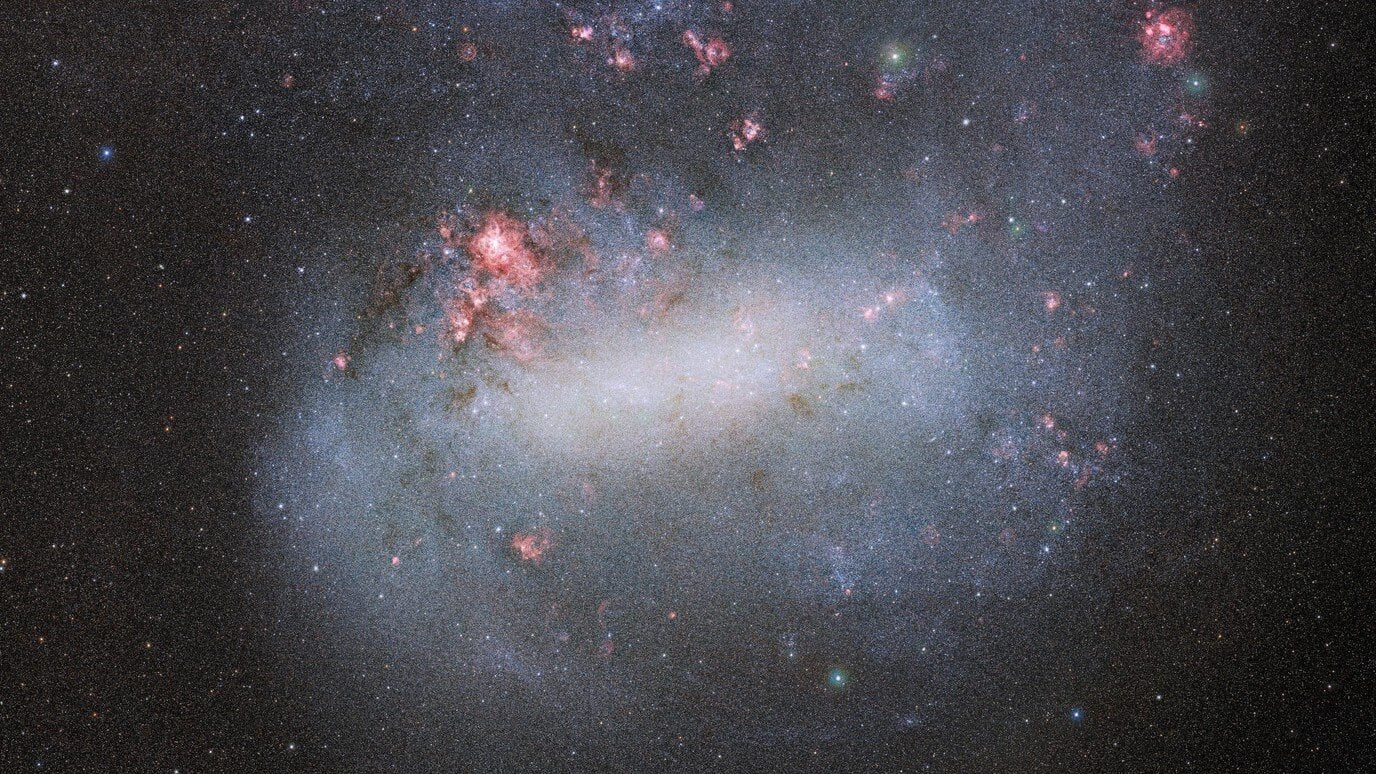
A study published in The Astrophysical Journal Letters by EPFL professor Richard I. Anderson and colleagues refines cosmic distance measurements using the acoustic oscillations of red giant stars, offering a more nuanced approach to measuring distances across the universe. By analyzing data from the Large Magellanic Cloud, the researchers found that the brightness fluctuations of red giants allow for distinguishing stars by age, crucial for highly accurate distance measurements required for cosmology and for obtaining the best map of the local universe. This refinement may lead to groundbreaking new insights into the basic physical processes that decide how the universe evolves.

science2 years ago

"Unveiling the Hidden Threat: Tiny Black Holes Concealed Within Stars"

New research suggests that ancient, atom-size black holes from the early universe may be lurking in the cores of giant red stars. These primordial black holes, formed shortly after the Big Bang, could have been captured by stars and continue to consume them from the inside out. Detecting these black holes could provide insights into the early universe and black hole formation. While challenging to find, the presence of these black holes could explain the behavior of certain stars known as red stragglers. Further investigation is needed to observe the pulsations of these stars and determine if they host black holes at their cores.

astronomy2 years ago

Unraveling Stellar Magnetism: Starquakes Hold the Key

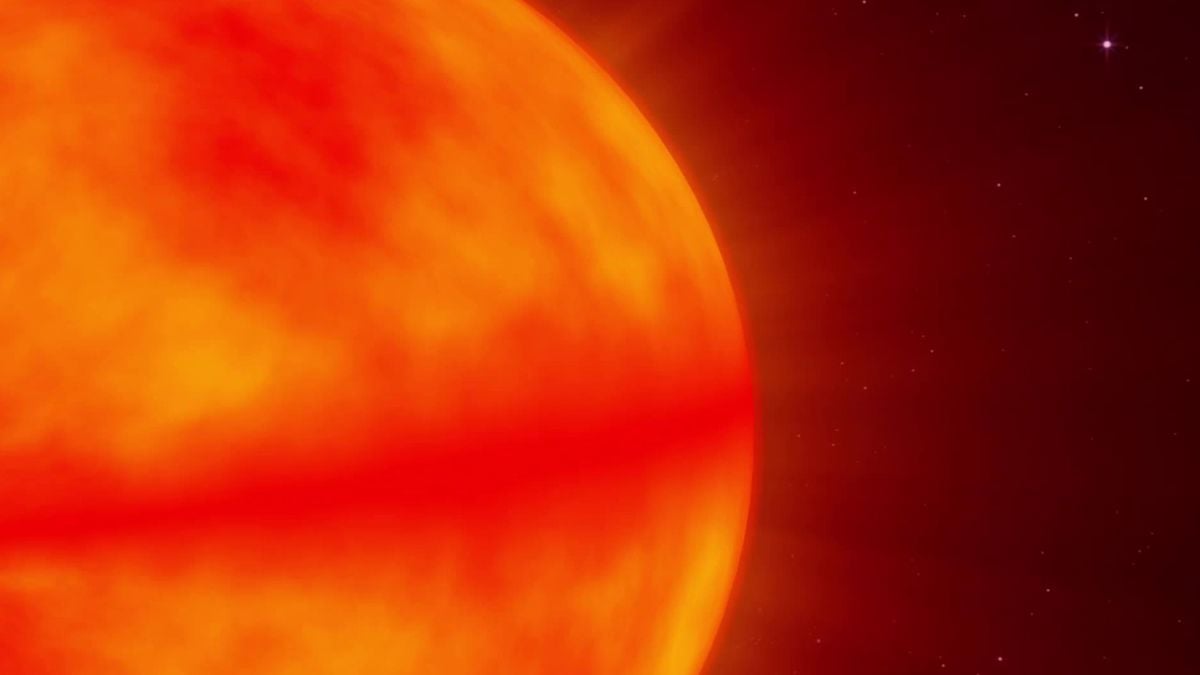
Red giants, nearing the end of their lives, provide a unique opportunity for scientists to study the magnetic fields deep within stars. By using starquakes, subtle oscillations at a star's surface, researchers can probe the core and gain insights into stellar magnetism. Recent observations have shown that the magnetic fields in the hearts of red giants are more mysterious than expected. Understanding these magnetic fields is crucial for refining stellar models, calculating stellar ages more accurately, and determining the ages of potentially habitable planets and the timelines of galaxy formation.

astronomy2 years ago

Unraveling Stellar Magnetism: Quaking Giants Hold the Key

Red giants, massive stars in the later stages of their evolution, provide a unique opportunity for scientists to study the mysteries of stellar magnetism. By using starquakes, subtle oscillations at a star's surface, researchers can probe the magnetic fields deep within these giants. Recent observations have shown that the magnetic fields in the cores of red giants are more mysterious and stronger than expected. Understanding these magnetic fields is crucial for refining stellar models, calculating stellar ages more accurately, and determining the timelines of galaxy formation. This knowledge could also help in estimating the ages of potentially habitable exoplanets and answering questions about extraterrestrial life and galactic archaeology.

astronomy2 years ago

Unexplained Survival: Astronomers Discover a Mysterious 'Zombie Planet'

Astronomers have discovered a planet, named Halla, orbiting a red giant star called Baekdu, which is currently fusing helium in its core. This is puzzling because the star should have grown so large in the past that it would have engulfed the planet. Possible explanations include the star being part of a binary system, preventing its expansion, or the planet being a relatively newborn one formed from a collision between two stars. This discovery challenges our understanding of where exoplanets can exist.

science2 years ago

The Strange and Bright Behavior of Betelgeuse: Explained.

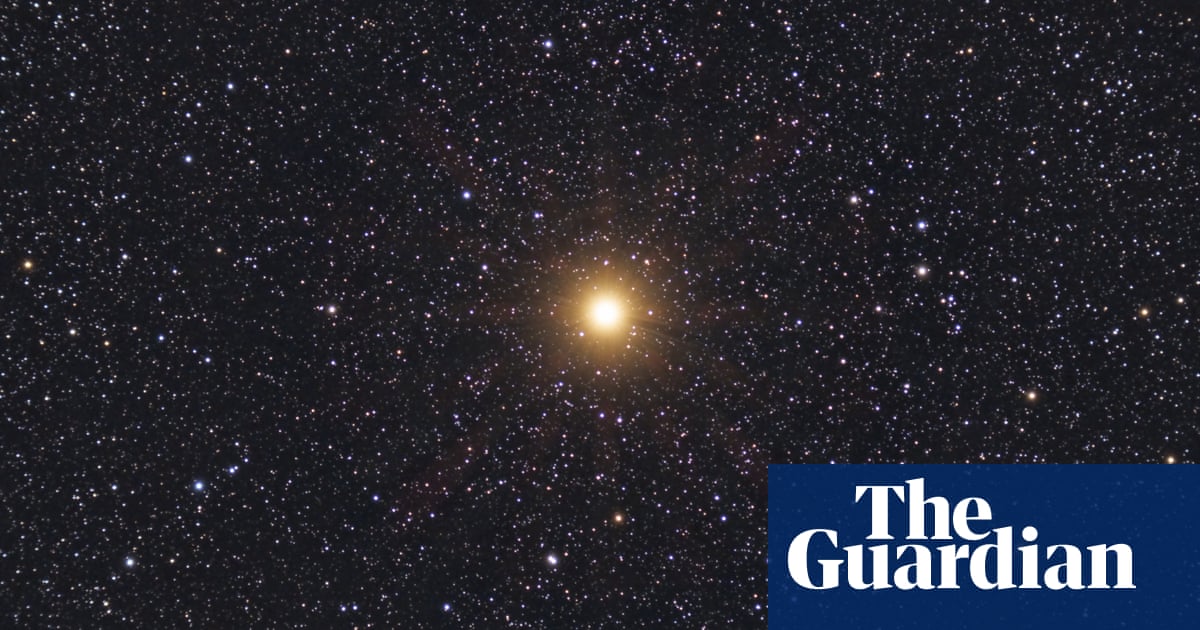
Betelgeuse, one of the brightest stars in the sky, is glowing at 150% of its normal brightness and cycling between brighter and dimmer at 200-day intervals, twice as fast as usual. This strange behavior is giving scientists an unprecedented insight into how stars die. Betelgeuse is expected to explode in the next 10,000 to 100,000 years, and observing its behavior gives important insights into the behavior of red giants before supernova explosions. When it does eventually explode, it could grow so bright that it will be visible during daylight and cast shadows at night.

astronomy2 years ago

Astronomers witness star consuming planet in groundbreaking discovery.

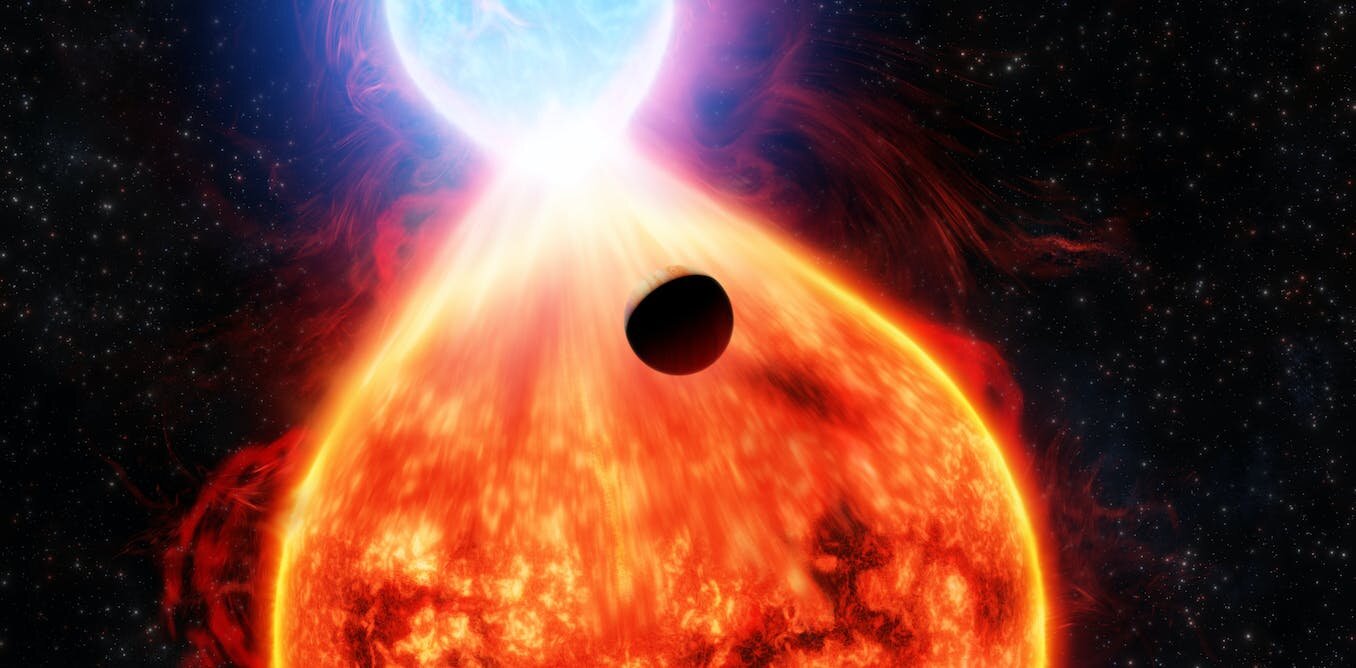
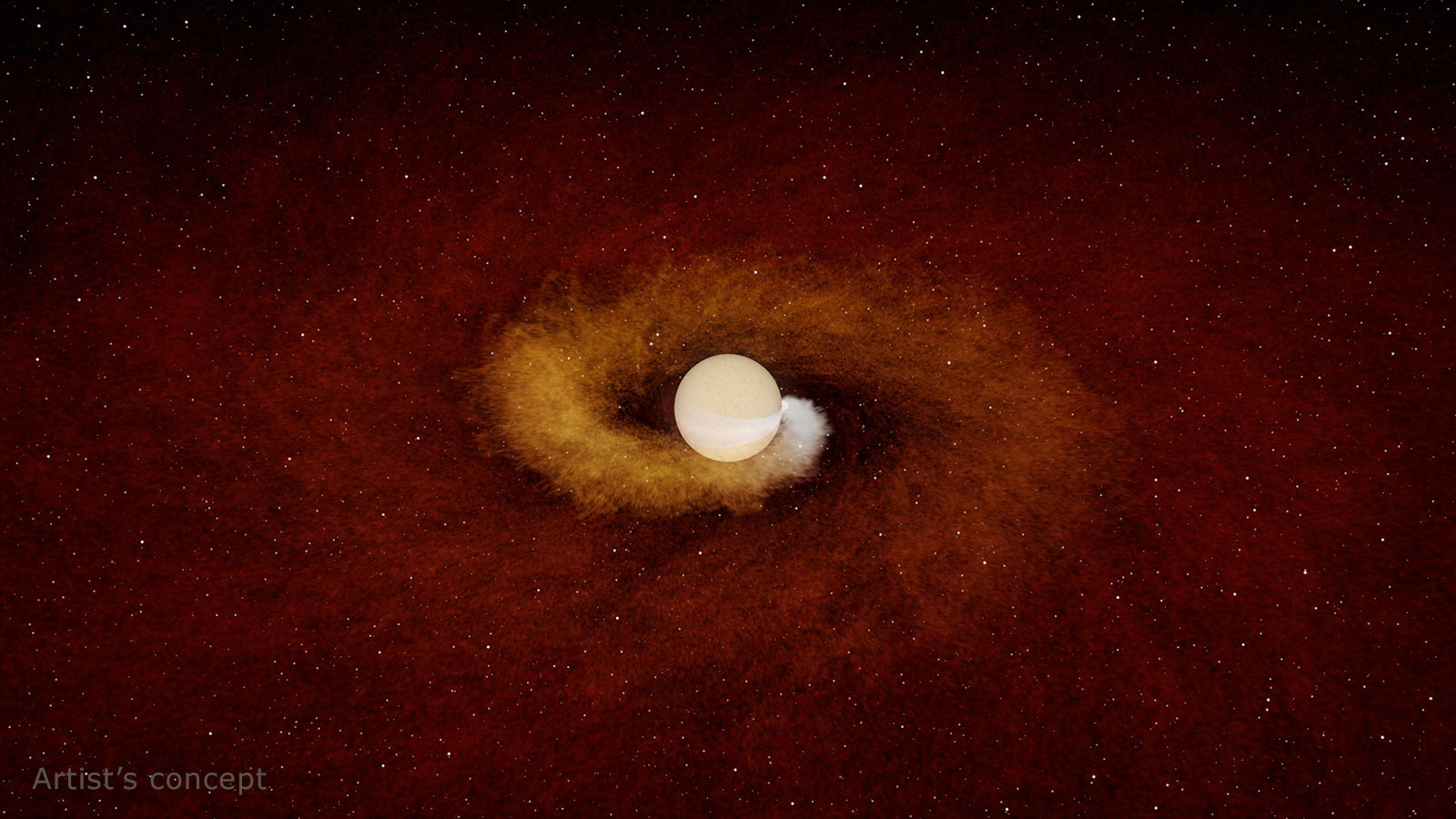
Using the Zwicky Transient Facility and NASA’s NEOWISE observatory, scientists have directly observed an aging red giant star destroying a planet within its own star system for the first time. The planet was roughly the same size as Jupiter and orbited much closer to its host star than Mercury orbits our Sun. The event will provide astronomers with a glimpse into what the future of our solar system may look like when our Sun eventually absorbs Mercury, Venus, and possibly Earth. The research will help create a template for future studies that plan to investigate the absorption and destruction of planets by red giants.