Tag

Quantum Advantage

All articles tagged with #quantum advantage

IBM Advances Quantum Technology with New Chips and Breakthroughs

Originally Published 2 months ago — by Decrypt

Featured image for IBM Advances Quantum Technology with New Chips and Breakthroughs
Source: Decrypt

IBM unveiled advanced quantum processors, including the Nighthawk with 120 qubits, aiming for quantum advantage by 2026 and fault tolerance by 2029, bringing quantum computing closer to practical, large-scale applications, though still far from threatening Bitcoin's cryptography.

IBM Advances Quantum Computing with New Processors and Milestones

Originally Published 2 months ago — by IBM Newsroom

Featured image for IBM Advances Quantum Computing with New Processors and Milestones
Source: IBM Newsroom

IBM announced significant advancements in quantum computing, including the upcoming IBM Quantum Nighthawk processor with 120 qubits designed for quantum advantage, and the IBM Quantum Loon demonstrating key components for fault-tolerant quantum computing. They also introduced new software capabilities with Qiskit, improved error correction, and scaled fabrication to 300mm wafers, all aiming toward achieving quantum advantage by 2026 and fault-tolerance by 2029.

Google's Quantum Echoes Algorithm Marks a Major Leap Toward Practical Quantum Computing

Originally Published 2 months ago — by Phys.org

Featured image for Google's Quantum Echoes Algorithm Marks a Major Leap Toward Practical Quantum Computing
Source: Phys.org

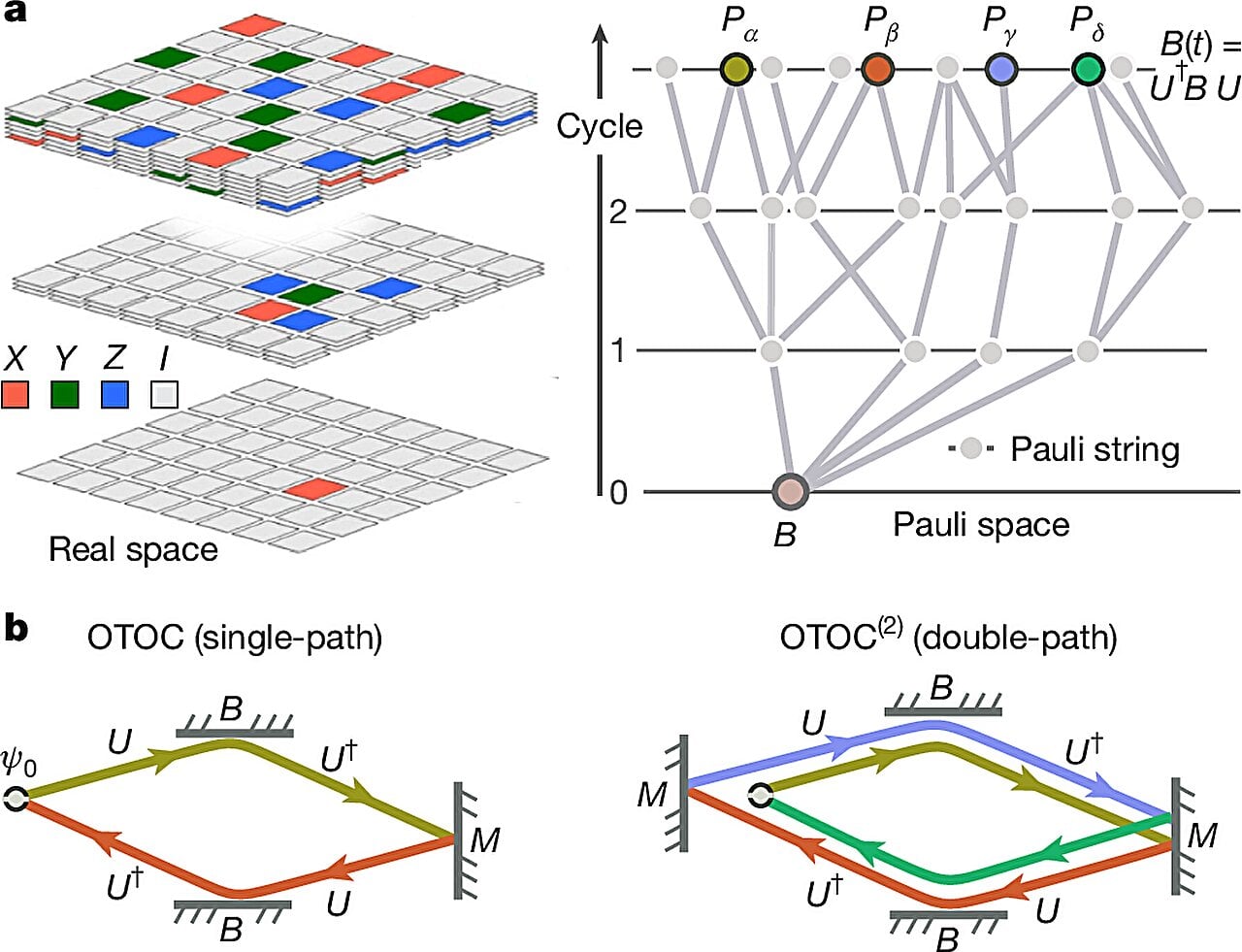
Google's Quantum AI team reports that their quantum processor, Willow, ran a complex physics algorithm called Quantum Echoes, based on Out-of-Time-Order Correlators (OTOCs), which solved a real-world problem thousands of times faster than the world's most powerful supercomputers, marking a significant step toward practical quantum advantage.

Google Achieves Major Quantum Computing Breakthrough with Potential Bitcoin Impact

Originally Published 2 months ago — by TheStreet

Featured image for Google Achieves Major Quantum Computing Breakthrough with Potential Bitcoin Impact
Source: TheStreet

Google's CEO Sundar Pichai announced a major breakthrough in quantum computing with the Willow chip achieving the first verifiable quantum advantage, running algorithms 13,000 times faster than classical supercomputers, marking a significant step toward practical quantum applications and boosting Google's competitive edge in the field.

Google Claims Quantum Advantage Amid Skepticism and Breakthroughs

Originally Published 2 months ago — by Nature

Featured image for Google Claims Quantum Advantage Amid Skepticism and Breakthroughs
Source: Nature

Google claims to have achieved quantum advantage with a new algorithm called quantum echoes, which can potentially solve scientific problems like molecular structure determination. However, researchers remain skeptical about the immediacy and practicality of these claims, noting that the technology is still in early stages and applicable only to simple molecules so far.

Enhancing Quantum Power Through Improved Randomness

Originally Published 6 months ago — by Phys.org

Featured image for Enhancing Quantum Power Through Improved Randomness
Source: Phys.org

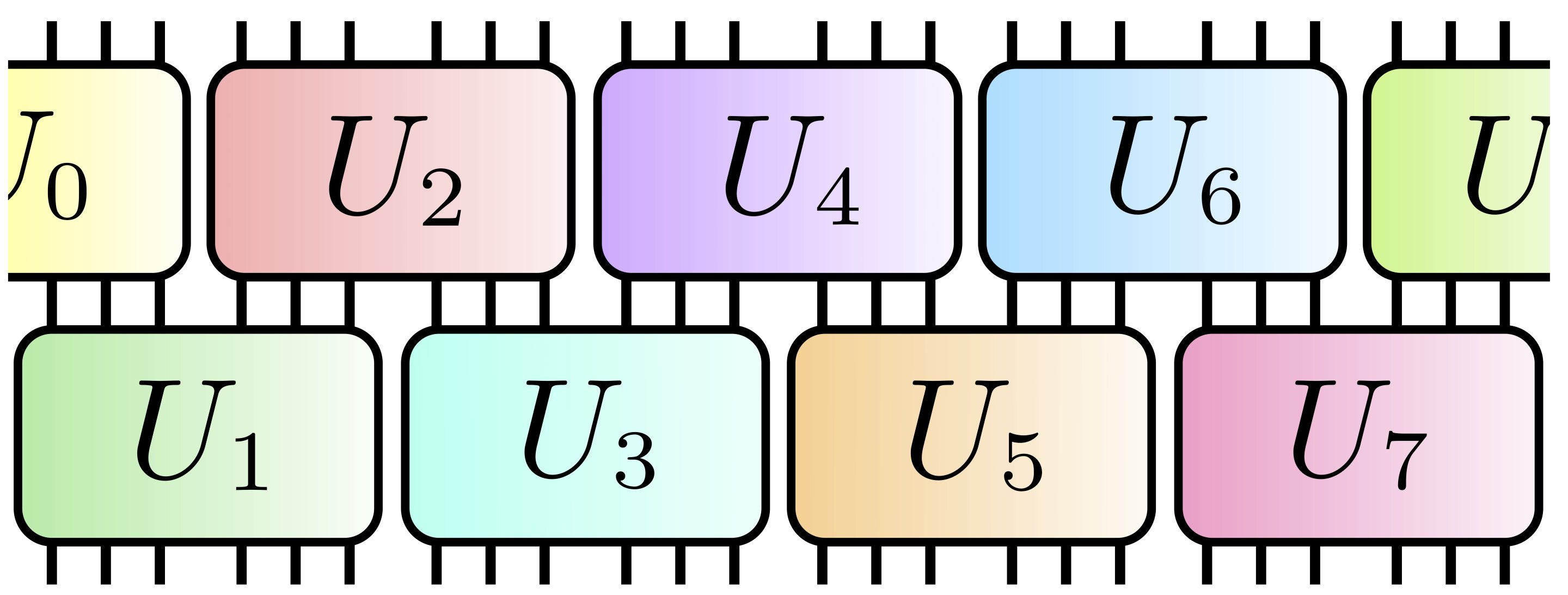
Researchers at Caltech have demonstrated that quantum computers can generate randomness more efficiently using smaller qubit blocks, potentially enabling faster and more powerful quantum systems for various applications, while also raising fundamental questions about the limits of observing quantum phenomena.

Photonic Quantum Processor Achieves Breakthrough in Data Storage

Originally Published 1 year ago — by Phys.org

Featured image for Photonic Quantum Processor Achieves Breakthrough in Data Storage
Source: Phys.org

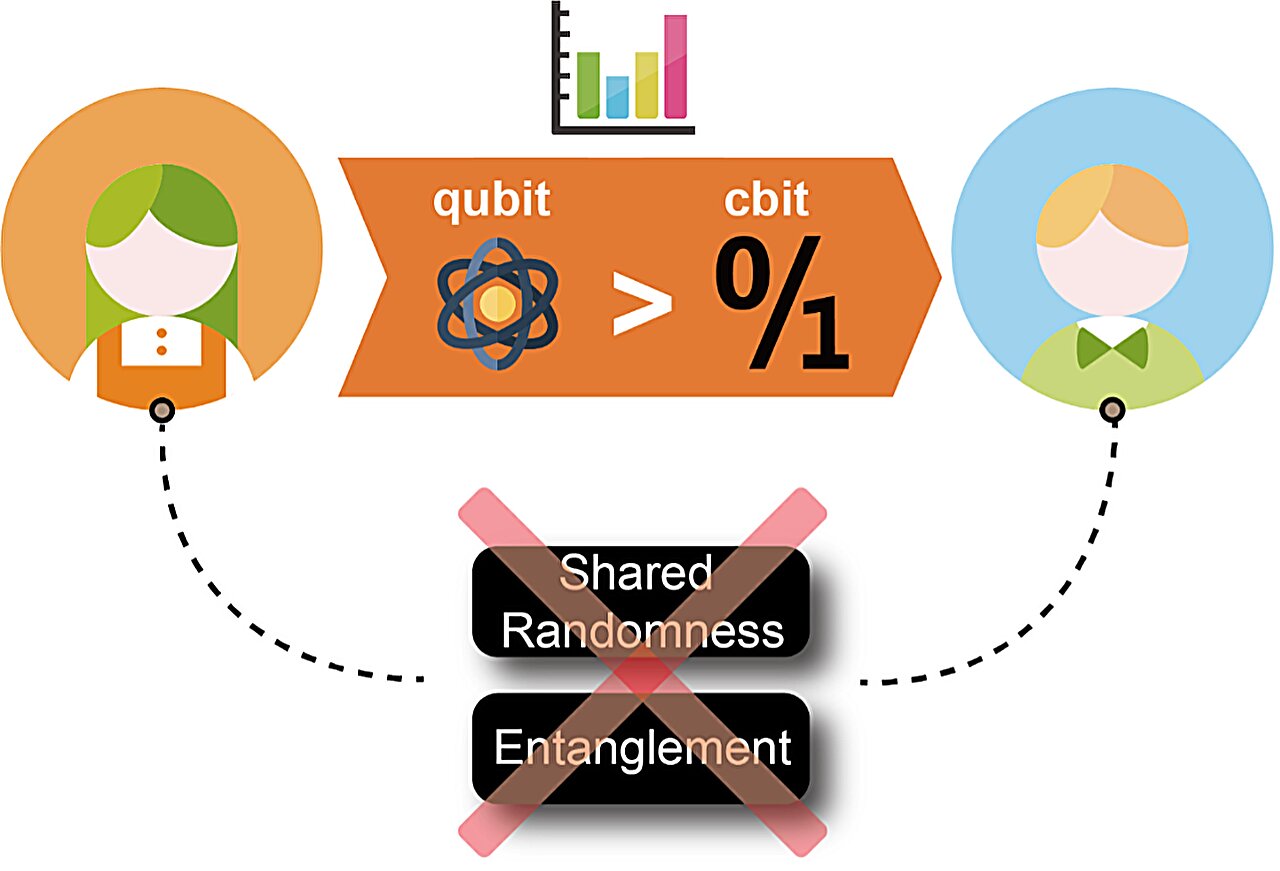
Researchers at Henan Key Laboratory of Quantum Information and Cryptography and the S. N. Bose National Center for Basic Sciences have demonstrated that a single qubit can outperform a classical bit in a data storage task without shared randomness, using a photonic quantum processor. This experiment challenges existing no-go theorems and suggests potential advancements in quantum technologies for data storage and communication. The study could lead to further exploration of quantum systems' scalability and effectiveness, with implications for quantum networks and cryptography.

Unlocking the Potential of Quantum Memory

Originally Published 1 year ago — by WIRED

Featured image for Unlocking the Potential of Quantum Memory
Source: WIRED

Recent advancements in quantum computing have demonstrated that using quantum memory can significantly reduce the data required to study quantum systems, potentially proving quantum advantage. Researchers from Harvard and Google Quantum AI have shown that even with limited quantum memory, such as two copies of a quantum state, the efficiency of reconstructing quantum states is greatly improved. This breakthrough could lead to practical applications in understanding complex quantum systems and achieving quantum advantage sooner.

Advancements in Quantum Computing: Entangling Individual Molecules for the First Time

Originally Published 2 years ago — by Phys.org

Featured image for Advancements in Quantum Computing: Entangling Individual Molecules for the First Time
Source: Phys.org

Physicists at Princeton University have successfully entangled individual molecules for the first time, a breakthrough in the world of molecules and for practical applications such as quantum computing, quantum simulation, and quantum sensors. By carefully manipulating and controlling individual molecules, the researchers were able to create well-controlled and coherent qubits. This achievement opens up new possibilities for investigating quantum science using molecules as a viable platform, and the results have been independently verified by another research group.

Advancements in Quantum Computing: Reliable Protocols, Enhanced Devices, and Quality Control Tests

Originally Published 2 years ago — by Phys.org

Featured image for Advancements in Quantum Computing: Reliable Protocols, Enhanced Devices, and Quality Control Tests
Source: Phys.org

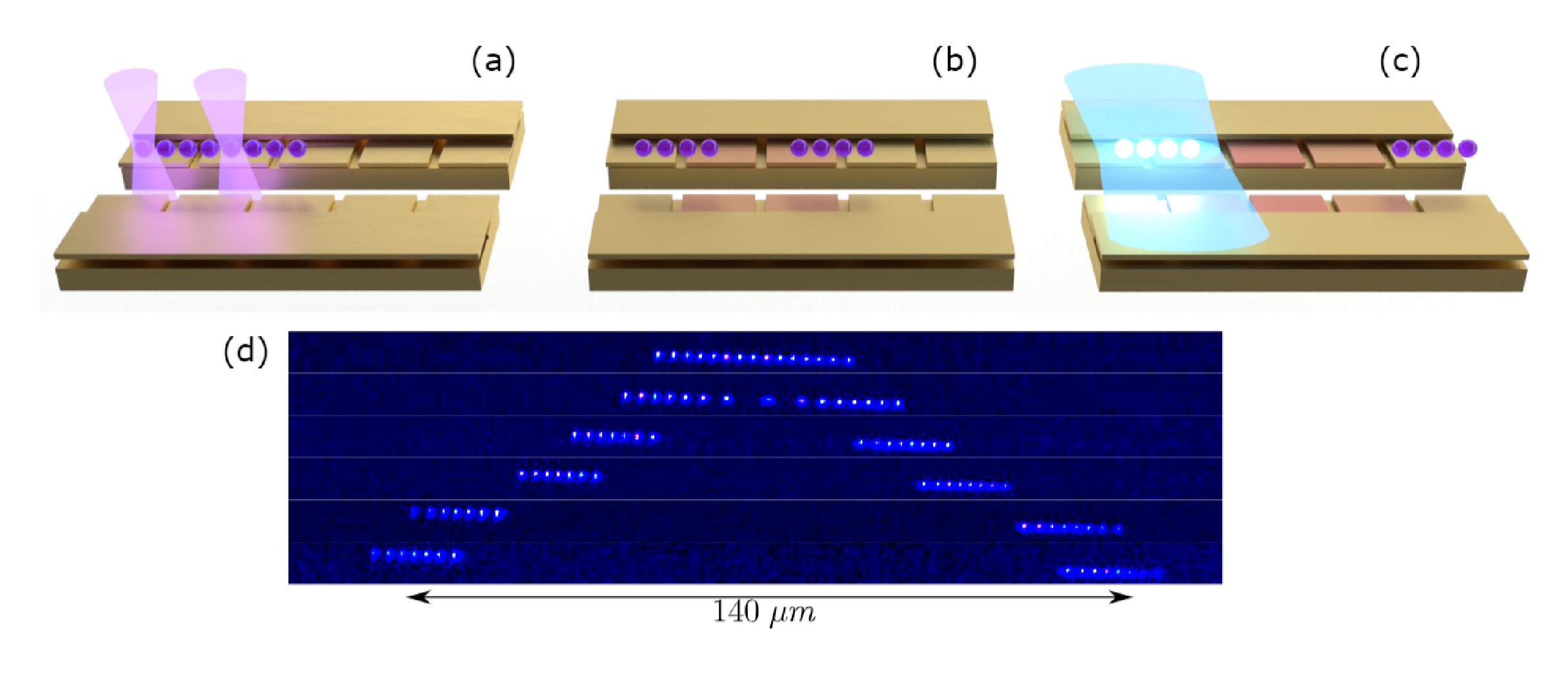
Researchers have introduced and tested a new protocol that utilizes mid-circuit measurements and cryptographic interactive proofs to reliably demonstrate the advantage of quantum computers over classical computers. The protocol allows for precise measurements inside the quantum computer and comparison to classical computers, addressing the challenge of validating quantum computational advantage. The researchers performed a proof-of-principle demonstration using an ion trap quantum computer and found that their protocol has notable advantages over existing methods, requiring fewer quantum gate operations. They hope to explore additional interactive protocols and applications in the future.

"Revolutionary Quantum Radar Surpasses Classical Radar by 20%"

Originally Published 2 years ago — by Phys.org

Featured image for "Revolutionary Quantum Radar Surpasses Classical Radar by 20%"
Source: Phys.org

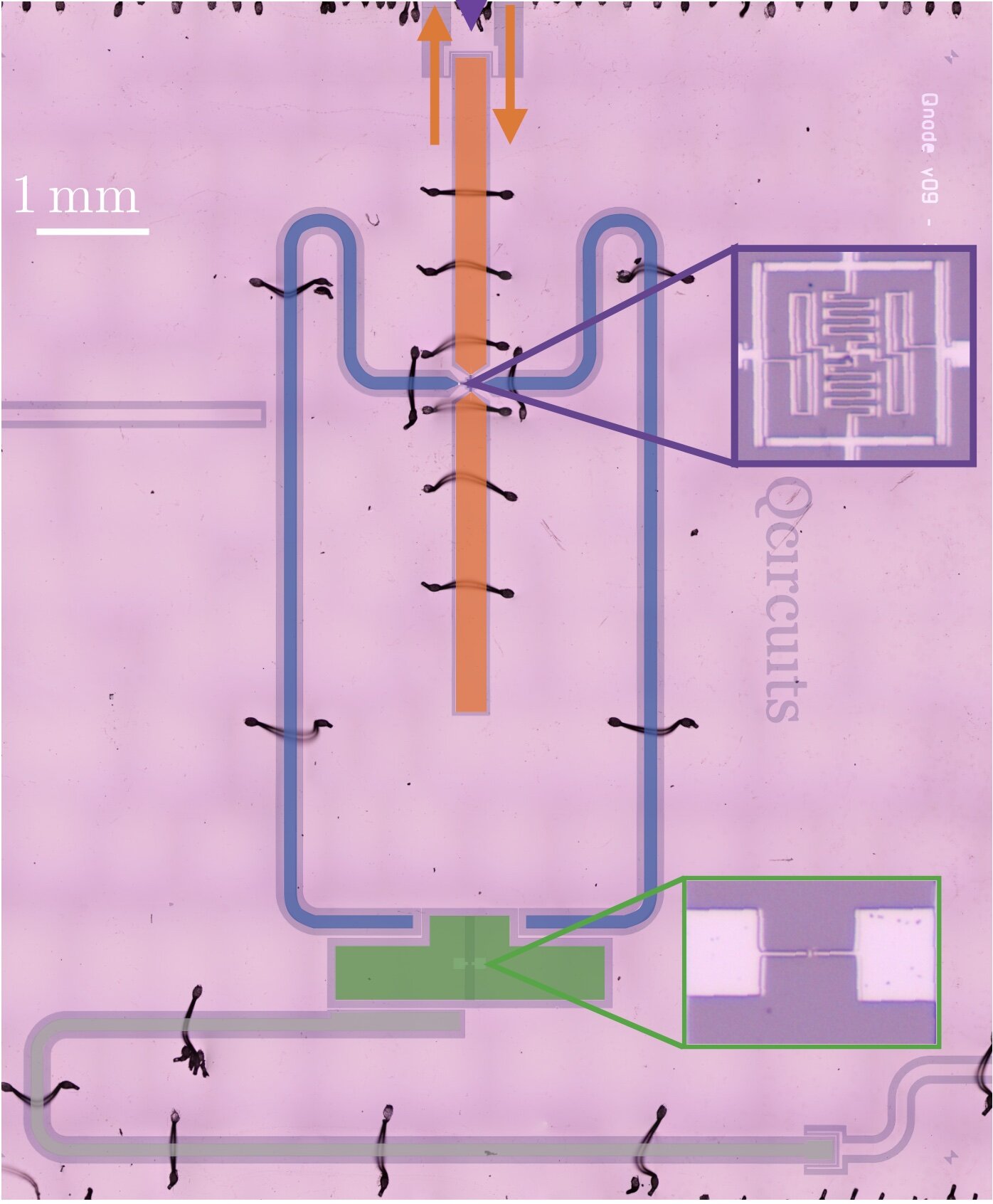
Researchers at Ecole Normale Supérieure de Lyon have developed a quantum radar that outperforms classical radar technology by 20%. The radar utilizes correlations between microwave radiations to detect the presence or absence of a target hidden in microwave noise. The microwave quantum radar demonstrated a quantum advantage in radar sensing, achieving faster radar detection compared to classical radars. The researchers believe that their work could inspire the development of similar microwave quantum radars with even greater quantum advantage in the future.

Trapped ion technology enables scalable quantum phononic processor.

Originally Published 2 years ago — by Phys.org

Featured image for Trapped ion technology enables scalable quantum phononic processor.
Source: Phys.org

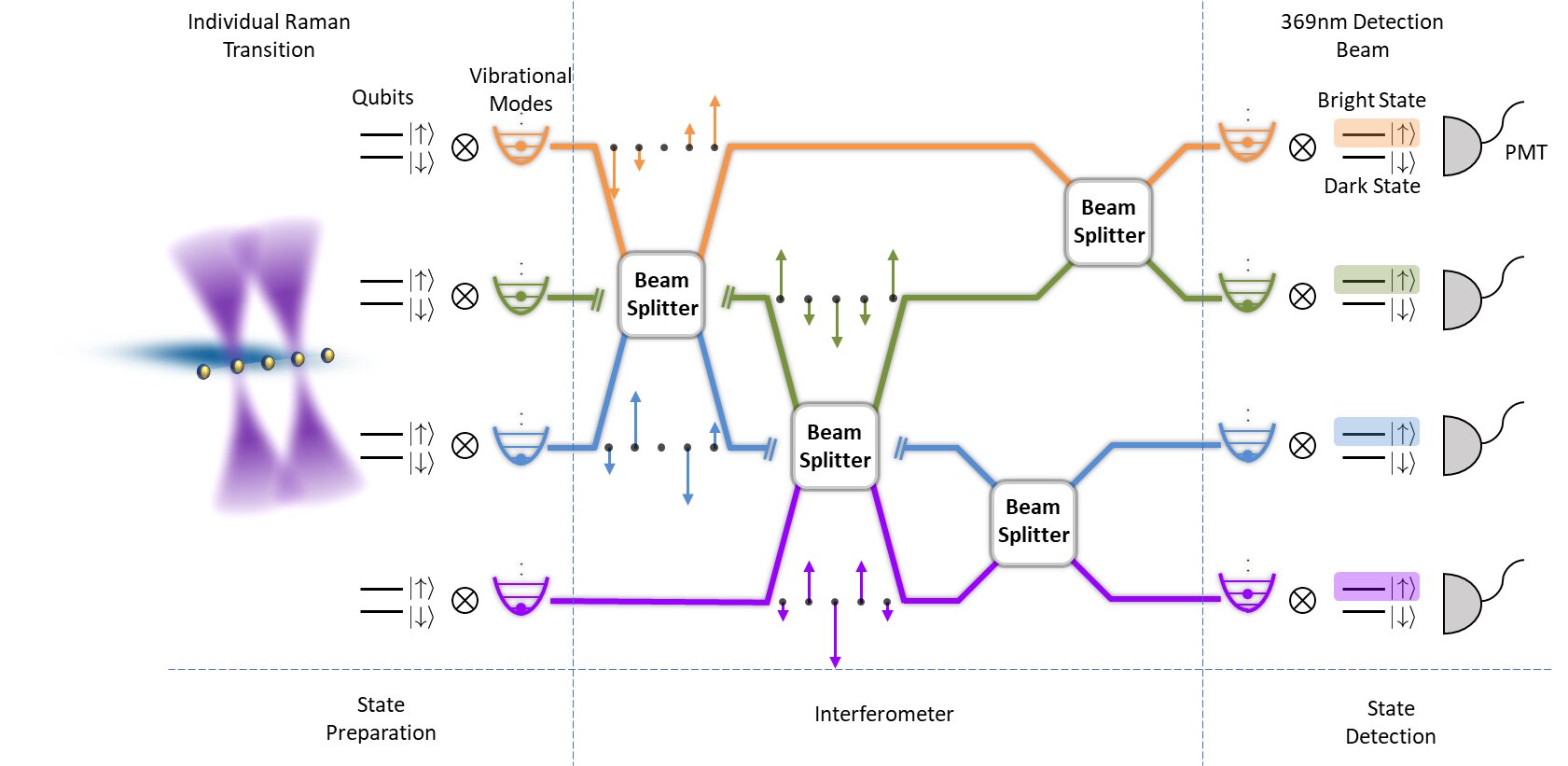
Researchers at Tsinghua University have developed a scalable and programmable quantum phononic processor with trapped ions that could enable better performances on complex problems. The system is a programmable bosonic network, consisting of a set of bosonic modes connected to each other via controllable beam splitters. The phononic quantum processor has several advantages over previously proposed bosonic networks, including deterministic input and output preparation and minimal loss of phonons over time. The researchers hope to scale up the system to achieve large-scale and programmable boson sampling and demonstrate quantum advantage over classical computing.