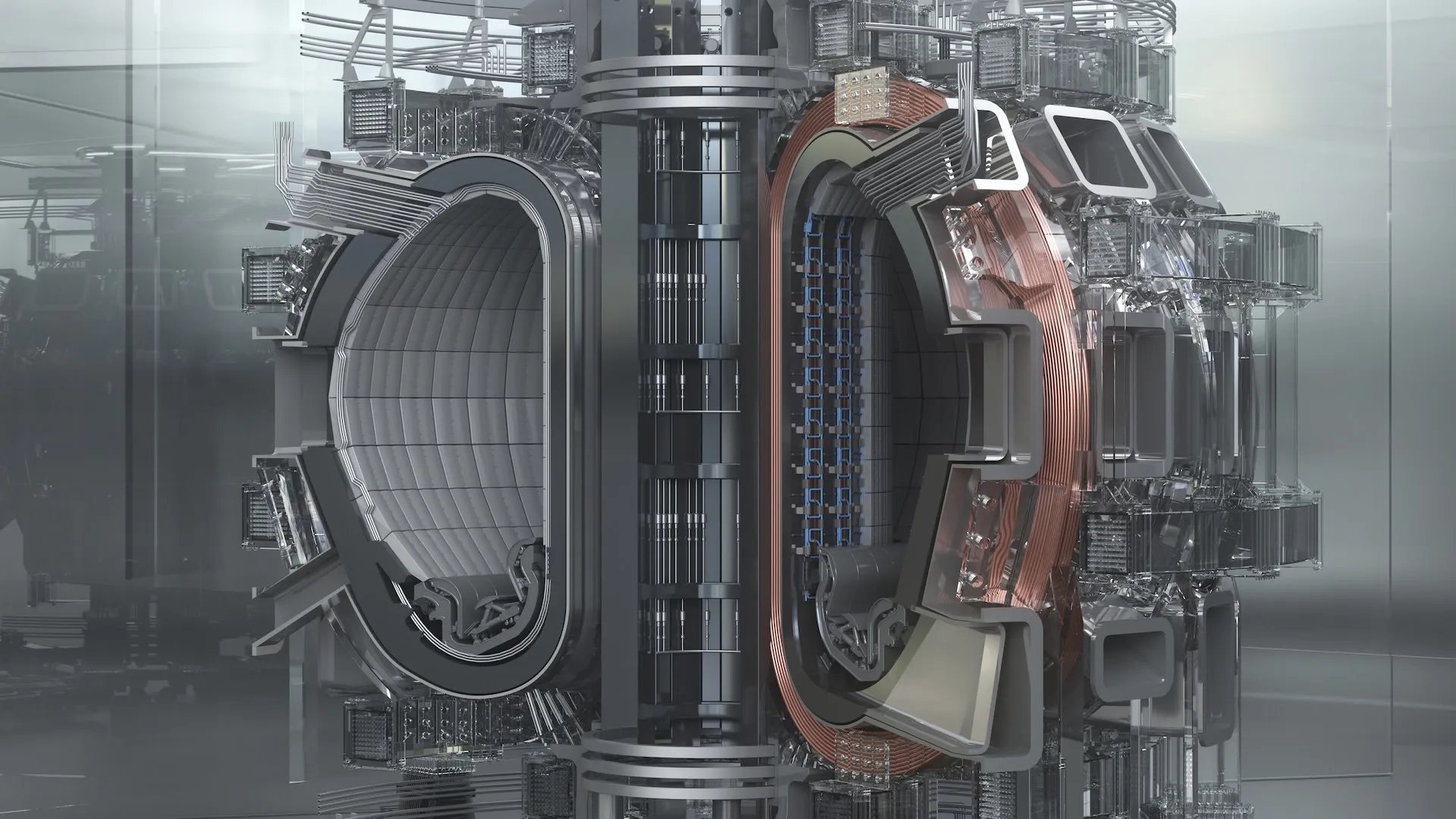
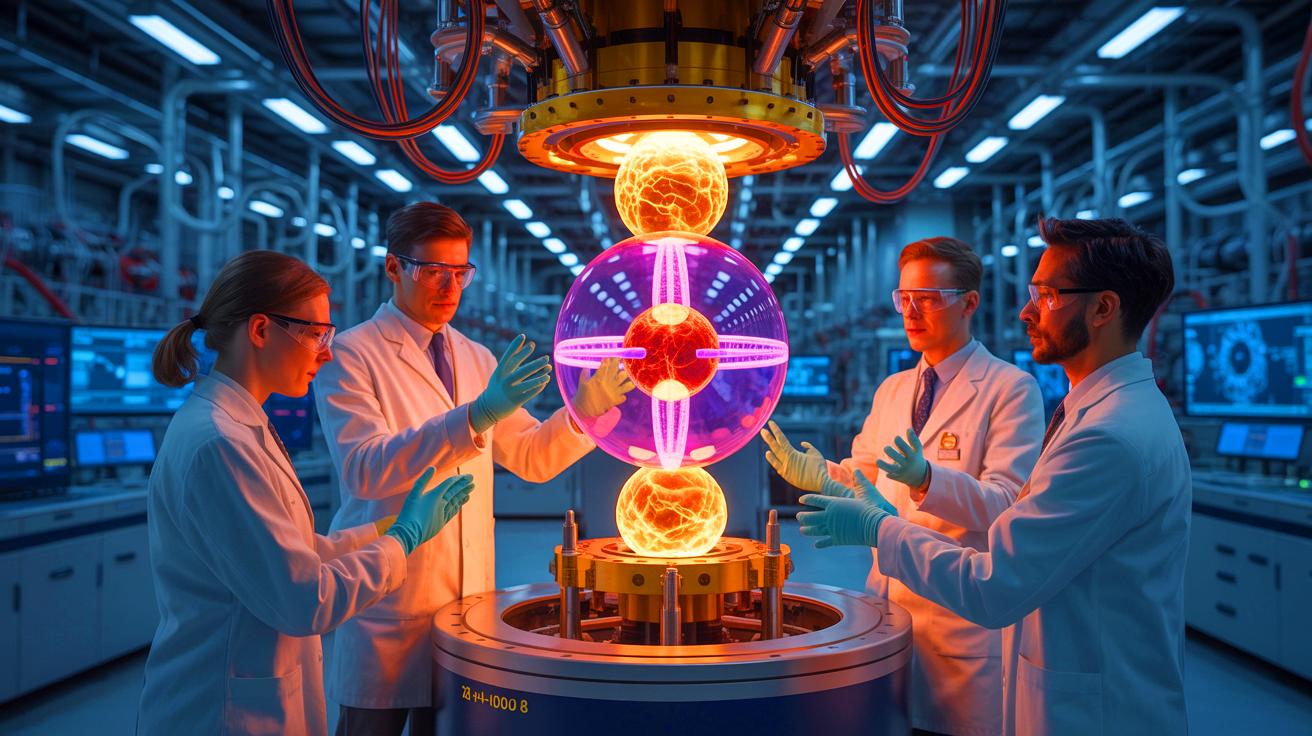
Physicists at Los Alamos National Laboratory successfully replicated a 1938 experiment, confirming that deuterium-tritium fusion is highly probable, which could be a significant step toward developing clean, affordable fusion energy for the future.
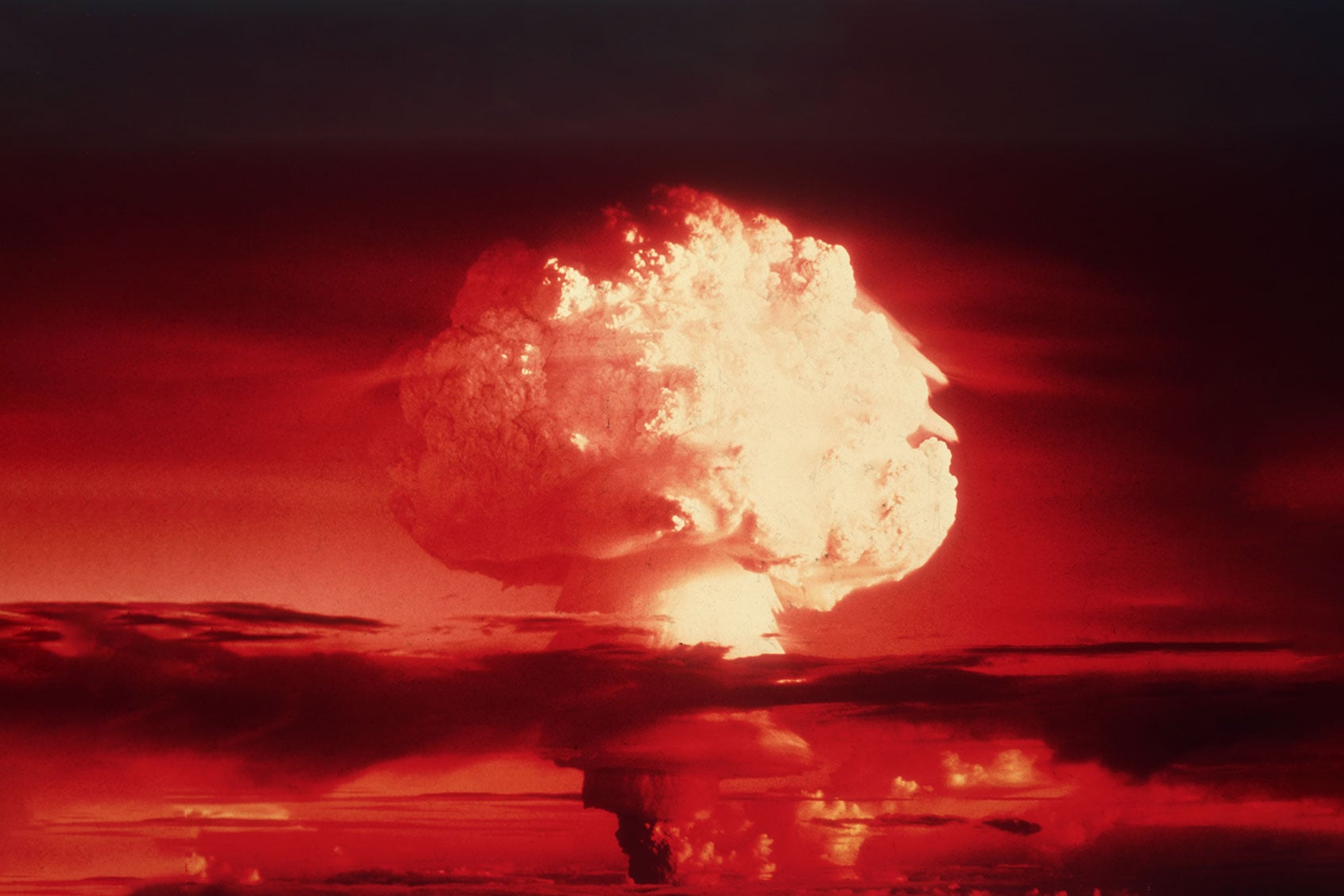
The article explores America's secret nuclear weapons labs, detailing how advanced experiments like laser fusion at NIF and powerful supercomputers like El Capitan are used to maintain and develop nuclear arsenals, especially as testing is restricted, highlighting the technological and strategic importance of these facilities in modern deterrence and energy research.
The article reflects on the history and ongoing dangers of nuclear weapons, highlighting the ethical dilemmas faced by scientists like Oppenheimer during the Manhattan Project, the lack of dissent at Los Alamos, and the current global arms race, emphasizing the need for renewed responsibility and disarmament efforts.
Scientists at Los Alamos have successfully replicated a 1938 nuclear fusion experiment, confirming key hypotheses about DT fusion using modern detection methods, which could influence future energy and security technologies.
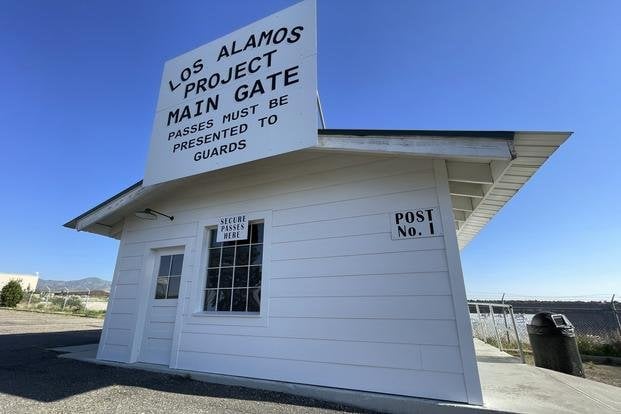
Los Alamos National Laboratory, birthplace of the atomic bomb during the Manhattan Project, is now facing its biggest mission since then as it participates in the nation's most ambitious nuclear weapons effort since World War II. The lab is modernizing the nuclear arsenal by producing plutonium cores, with the workforce expanding to over 17,000 employees. While the lab also conducts research in various fields, critics question the need for new weapons and the growing price tag. The expansion has strained the labor market and housing supply in Los Alamos, prompting officials to reconsider zoning rules. Despite the challenges, lab officials feel a sense of urgency amid global threats.
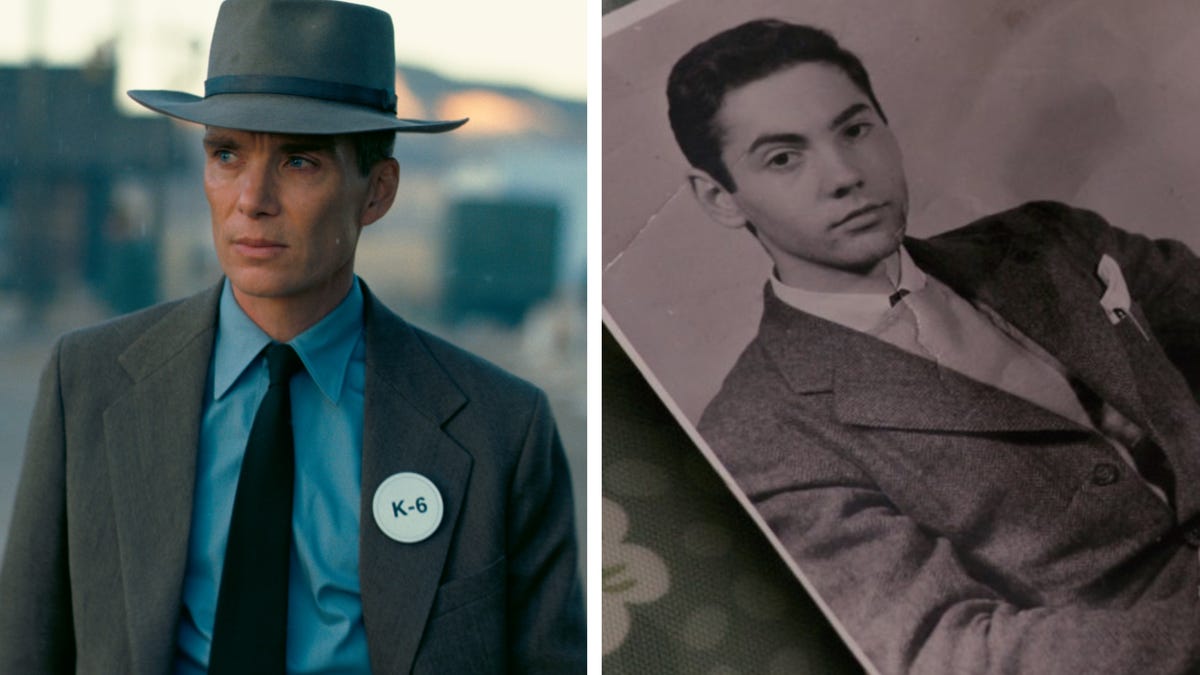
The documentary "A Compassionate Spy" explores the true story of Ted Hall, a bomb scientist at Los Alamos who shared classified secrets with the Soviet Union during World War II. While not featured in Christopher Nolan's film "Oppenheimer," the documentary serves as a companion piece, shedding light on Hall's motivations and actions. Hall, who worked on the implosion bomb, likely had interactions with other Soviet spies at Los Alamos. Although questioned by the FBI, Hall was never charged, unlike his fellow spy Klaus Fuchs. Hall expressed regret later in life but believed the Soviets would have obtained the bomb eventually. He died in 1999, possibly due to health issues related to his work with plutonium.
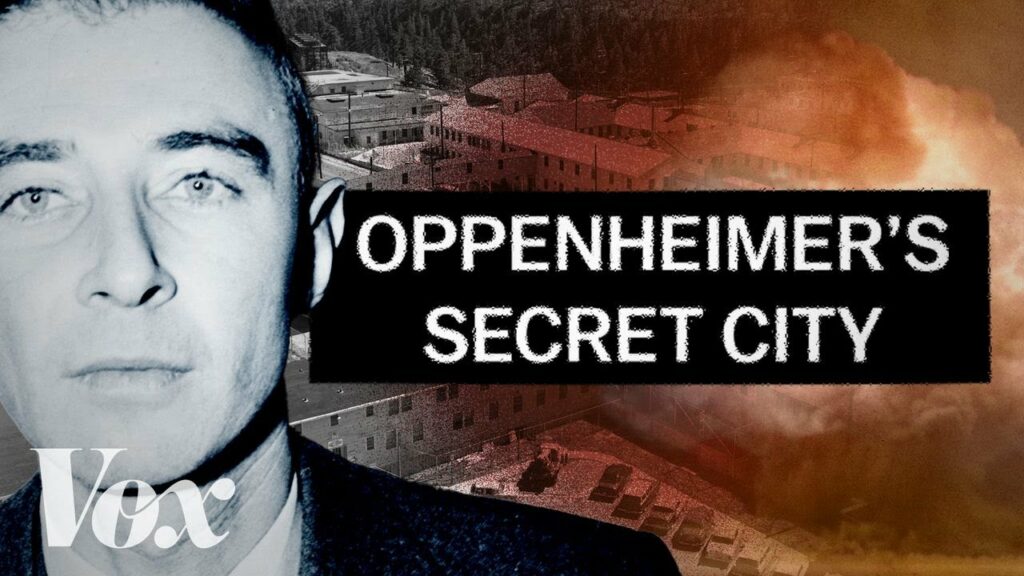
Los Alamos, New Mexico, was a secret city created during the development of the atomic bomb as part of the Manhattan Project. It housed scientists such as Oppenheimer, Fermi, Teller, and Feynman, along with their families. The population grew rapidly, with maternity wards and accommodations like hutments and apartment buildings being constructed. Other secret sites involved in the project included the University of Chicago, Oak Ridge, Tennessee, and the Hanford Engineer Works in Washington State. Los Alamos became the site where the bomb was created, and it was there that Oppenheimer witnessed the Trinity test and famously said, "Now I am become Death, the destroyer of worlds."
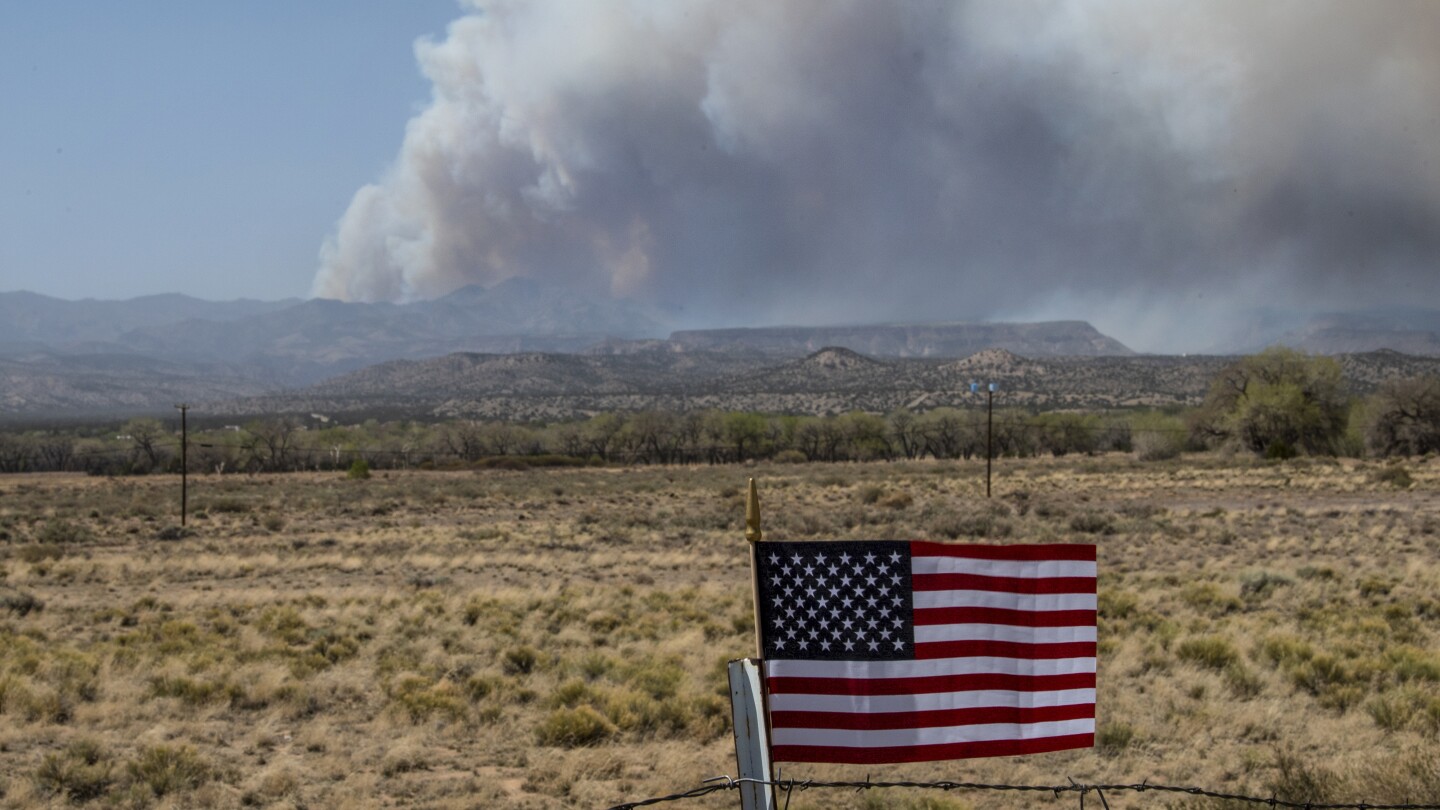
The U.S. Forest Service has admitted that its own prescribed burn started the 2022 Cerro Pelado wildfire, which came close to reaching Los Alamos, New Mexico. The fire burned over 60 square miles and posed a threat to the city and its national security lab. The investigation revealed that the burn of forest debris became a holdover fire, smoldering undetected under wet snow for months. The Forest Service has faced criticism for its negligence, and concerns have been raised about the use of prescribed burns in the face of extreme weather conditions. The agency has halted prescribed burn operations and implemented new monitoring measures.