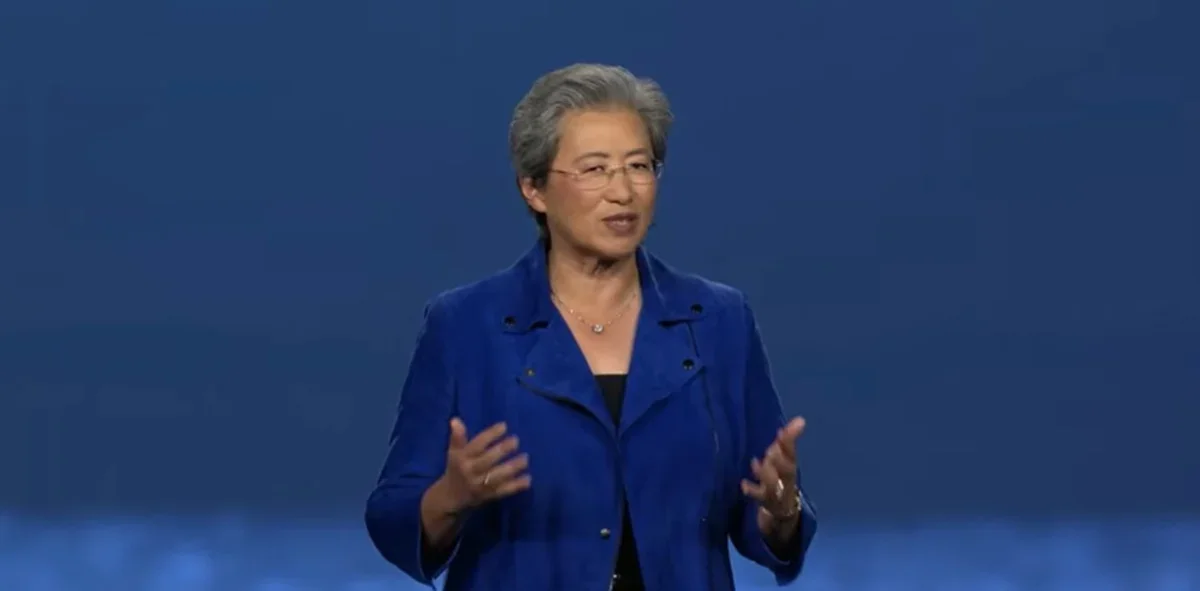
AMD CEO Lisa Su indicated during CES 2026 remarks that Valve’s Steam Machine will begin shipping with AMD power early this year, while Microsoft’s next-gen Xbox, built on an AMD semi-custom SoC, is progressing toward a 2027 launch.
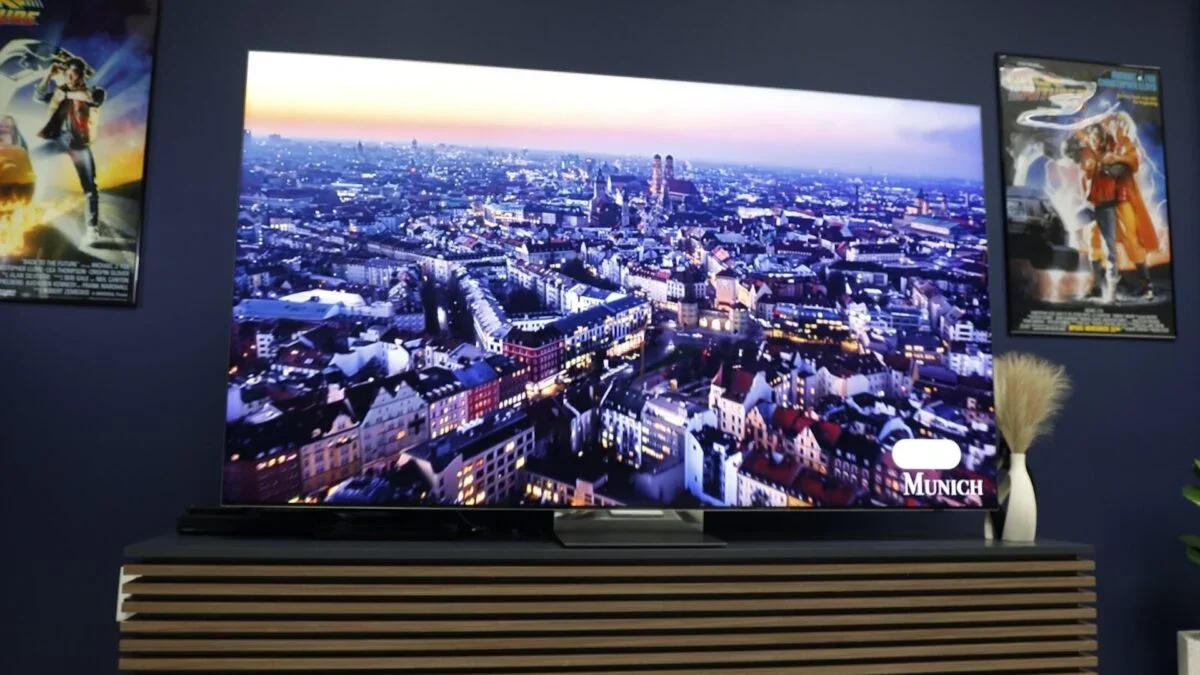
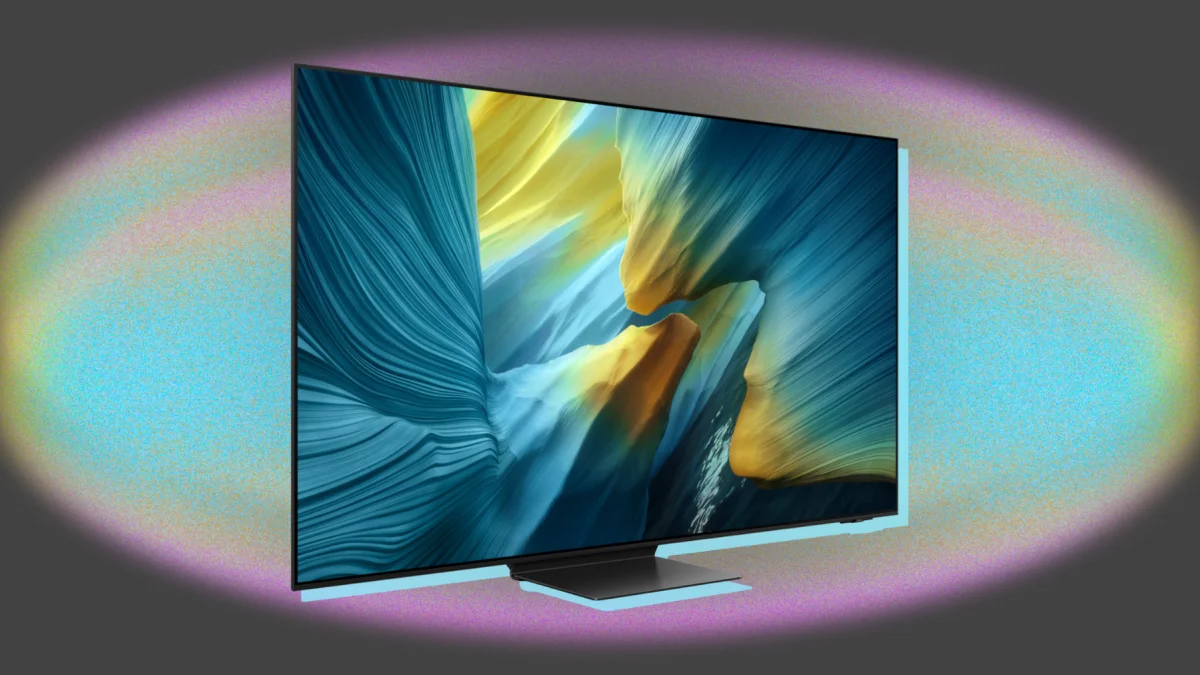
Hype around 8K TVs has collapsed as LG exits the market and 8K sales remain minuscule; Samsung is the last major player pursuing 8K, but the practical difference vs. 4K is negligible at typical screen sizes, and lack of 8K content plus price premiums have driven buyers toward 4K and newer screen tech; several brands including TCL and Sony are shifting away from 8K, signaling the plateau of 8K in consumer displays.
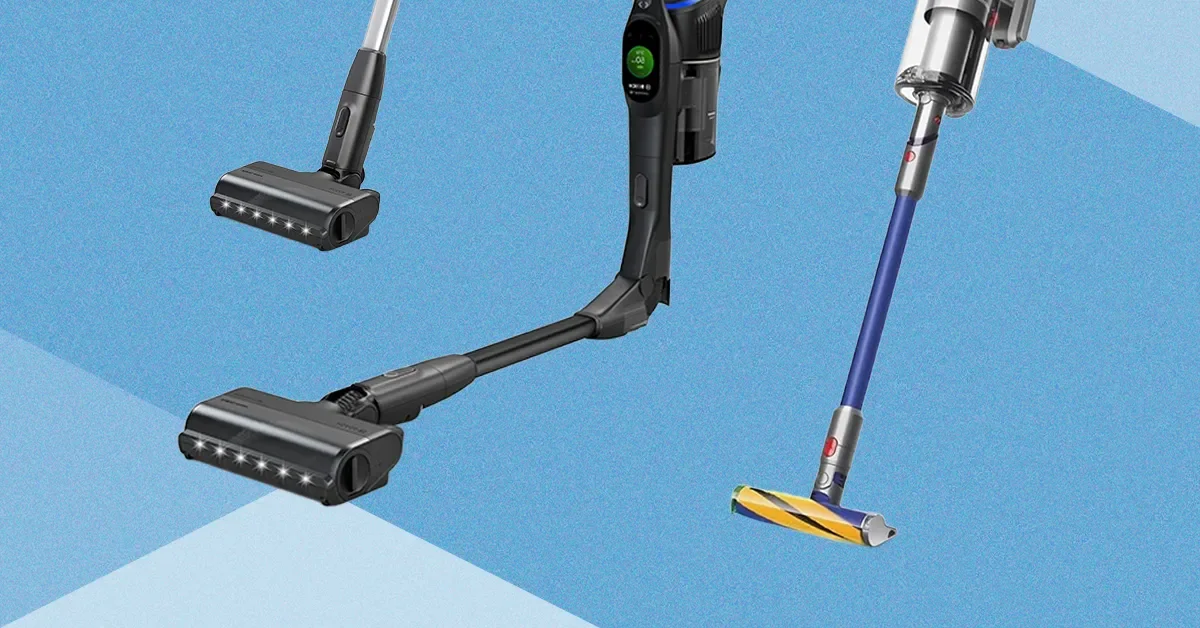
At CES, WIRED tested Bosch's Unlimited 10 against Shark's PowerDetect and Dyson's Gen5 Detect. Bosch adds more cleaning modes and a foldable stick plus a compression bin, but repeatedly dumped debris during sand and cereal tests, lagging behind the rivals. Shark offered the strongest general debris pickup and bendable design, while Dyson excelled on stairs and pet hair with strong suction and built-in attachments; overall, Shark provides the best value for most buyers, Dyson is a top pick for pet-heavy homes, and Bosch remains feature-rich but imperfect in debris containment.
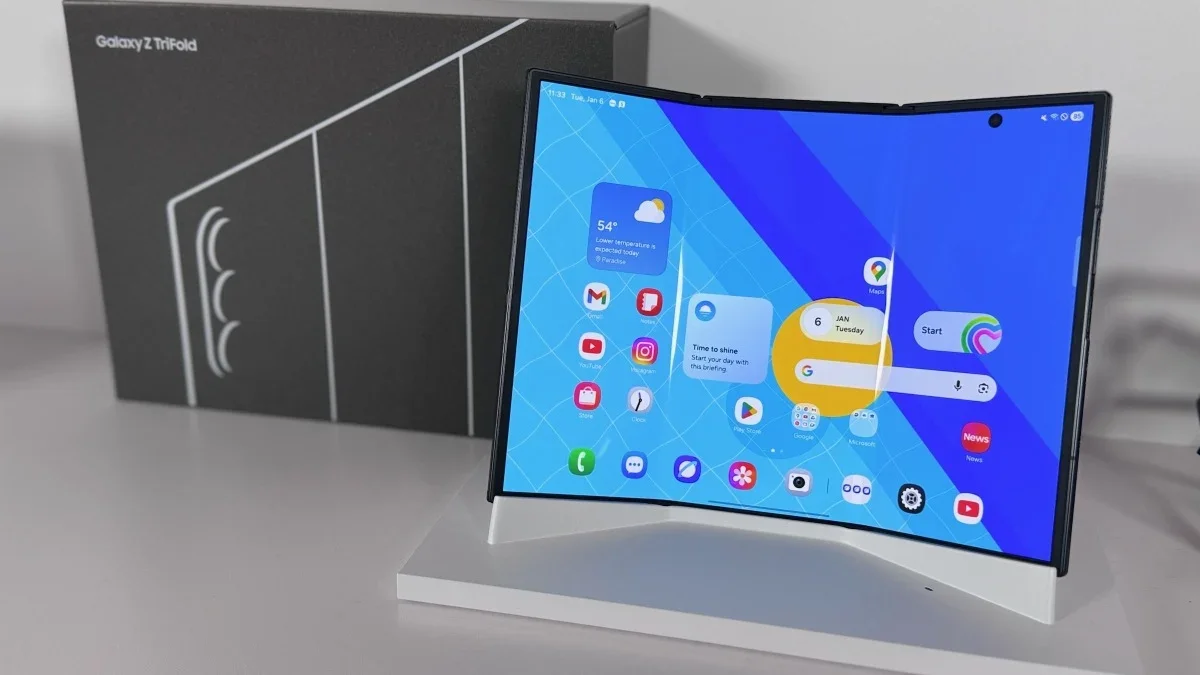
Samsung announced the US release date for the Galaxy Z TriFold as Jan 30 with a $2,900 price, making it the most expensive foldable yet; hands-on at CES 2026 highlighted its dual-crease inner display, with prior rumors pegging it around $2,500 and a Feb. 25 Unpacked date. The Galaxy Z Fold 7 started at $1,999, and reports suggest Samsung may be losing money on the TriFold, leaving the value proposition yet to be proven.
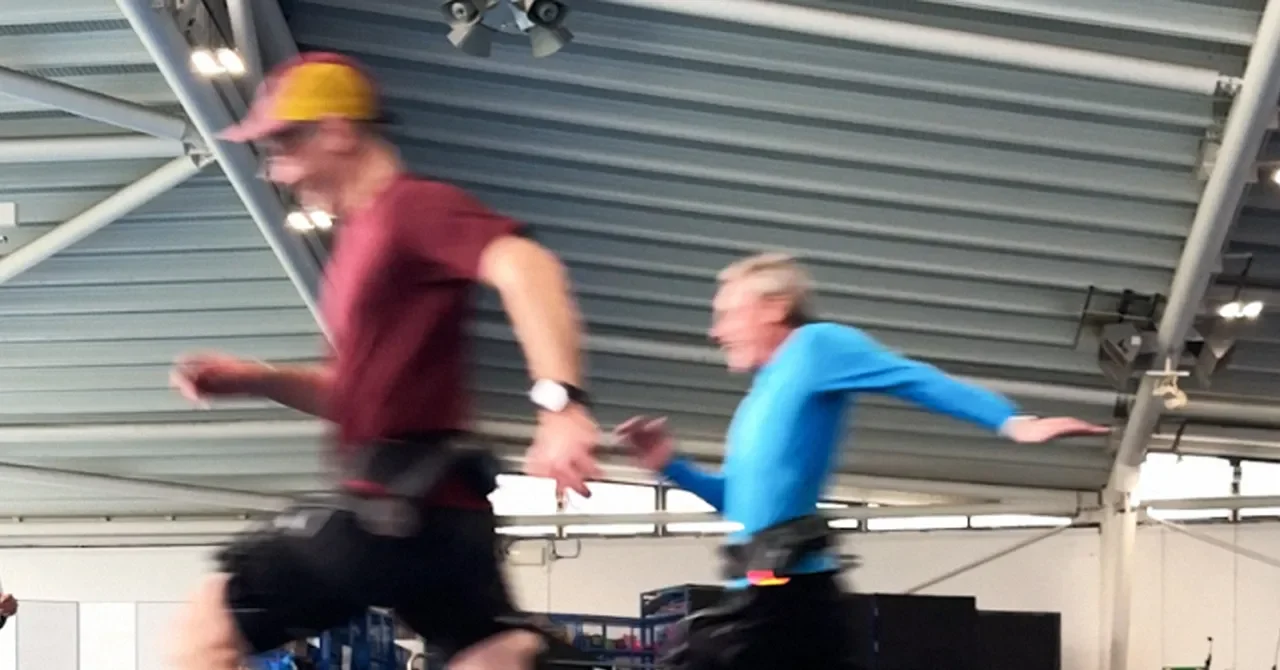
WIRED tested Hypershell X Ultra and Dnsys X1 Carbon Pro at a track and found Hypershell the clearer winner for comfort, natural stride, and quiet operation, while Dnsys offers more raw power but with louder, stiffer movement; both cost about $1,899–$1,999.
Mashable’s 2026 guide rounds up the best 65-inch+ TVs from TCL, LG, Samsung, and Hisense, with updates tied to CES 2026 announcements. It compares brightness, glare handling, contrast, and gaming features, highlighting the TCL QM8K as the best value QLED for most buyers, the LG C5 OLED for dark-room movie viewing, the Samsung S95F OLED for bright rooms, and the Frame Pro and Hisense CanvasTV as premium/art-focused options (with Canvas offering strong gaming few- frills at a budget). The piece also notes industry shifts (Sony Bravia manufacturing moving to TCL) and gives specs such as 144–165 Hz refresh, 4 HDMI ports, and 65-inch minimum sizing to help shoppers choose based on room lighting, sports viewing, and gaming needs.
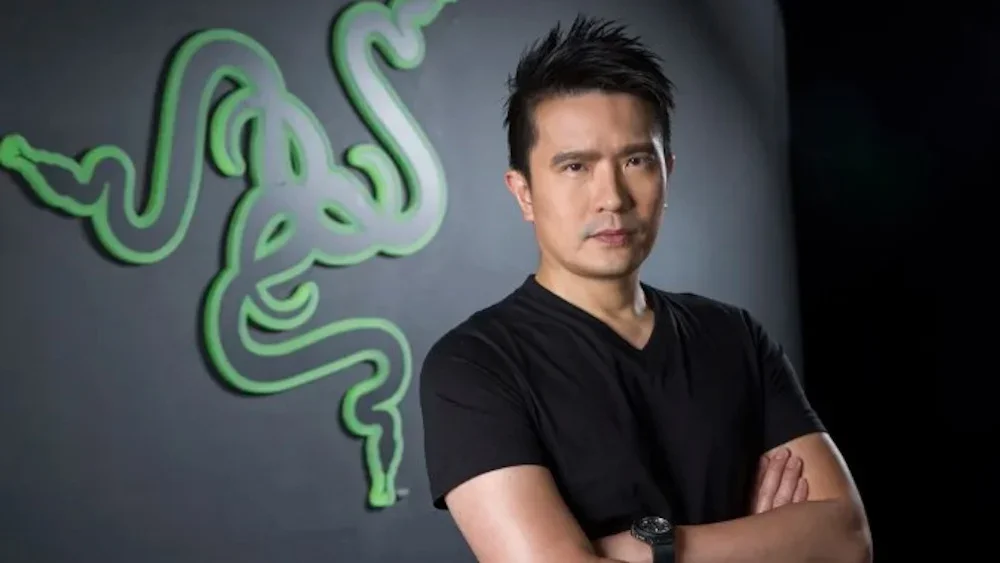
In a live CES interview, Razer CEO Min-Liang Tan faces tough questions from Nilay Patel about the company’s AI strategy, including the Grok-powered Ava waifu device and plans for a 2026 release. Tan offers vague, defense-heavy answers with few concrete use cases, while Ava’s preorder model and Grok integration raise questions about feasibility and safety amid ongoing AI controversies. The segment underscores the gap between hype around AI in gaming and practical, consumer-ready applications.
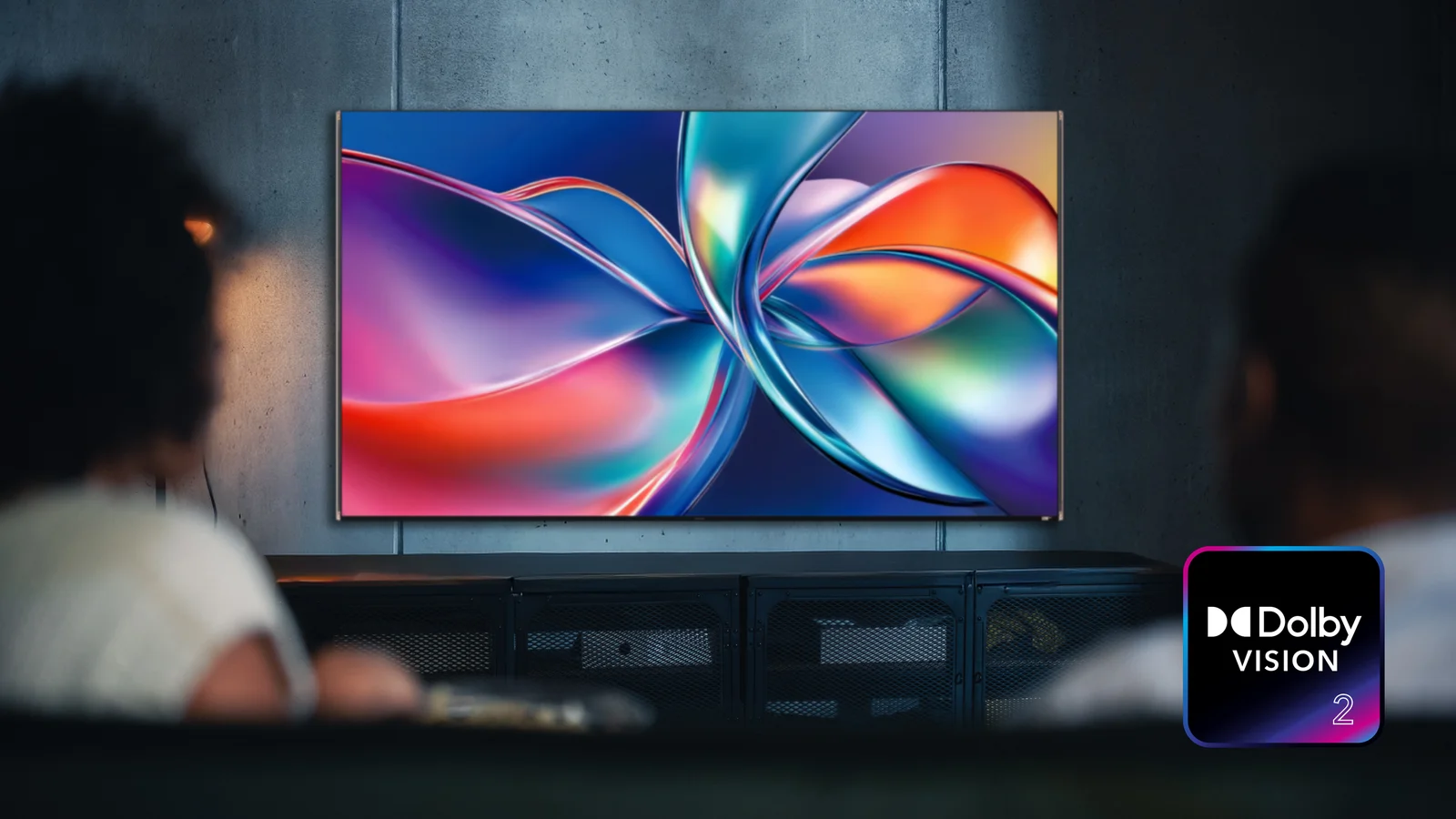
At CES 2026, Dolby Vision 2 and HDR10+ Advanced demos showcased brighter, more detailed HDR with improved motion handling and creator-driven metadata, as brands like Samsung and Hisense/TCL/Philips prepare to bring the formats to mainstream TVs this year. HDR10+ Advanced will have Amazon Prime Video as an early content partner, while Dolby Vision 2 Max targets higher-end models. While the tech looks promising, real-world testing and content availability remain key questions for 2026.
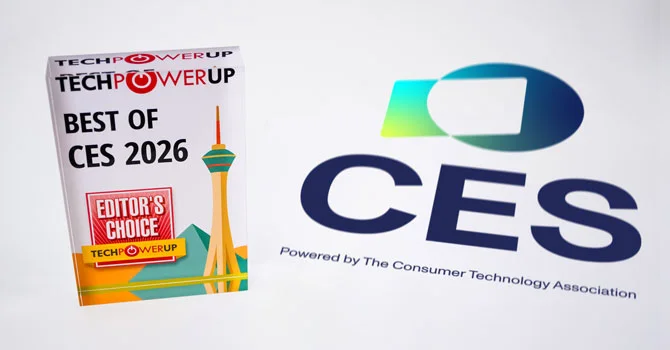
TechPowerUp selects and explains its Best of CES 2026 honorees, highlighting standout innovations across categories—from Alphacool's Drip H1 mini-ITX liquid-cooled case to ASUS ROG Zephyrus Duo's dual-display laptop, Corsair GALLEON 100 SD with an integrated Stream Deck, Good Way's Thunderbolt 5 eGPU dock, Hisense XR10 projector, LG Gram Pro 16Z90U, and MSI RTX 5090 LIGHTNING Z—awards recognizing products that push boundaries in innovation, quality, design, and practicality.
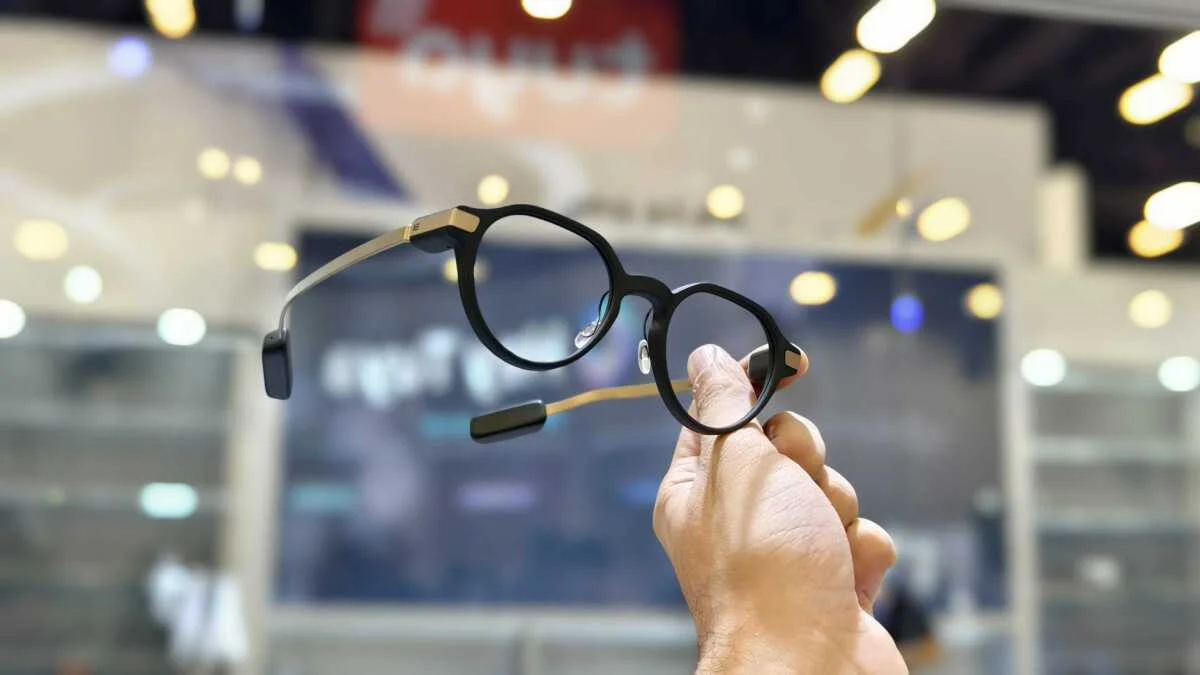
At CES 2026, the Even Realities G2 smart glasses emerge as a refined upgrade over the G1, with 75% larger displays powered by Even HAO 2.0 optics for a brighter, steadier HUD inside near-normal prescription frames. They weigh about 36g, use a titanium-magnesium frame with a stronger stem, and offer a customizable Dashboard controlled by back-of-stem gestures or the new R1 ring. Key perks include real-time translation and improved note-taking gestures, while the Conversate feature showed issues on the showroom floor. Navigation uses a built-in geomagnetic sensor (not yet compatible with Google Maps) and health data is currently limited to the R1 ring. Priced at $599 with optional sunglasses clips and prescription options, the G2 positions itself as the most subtle—and capable—smart glasses available today.
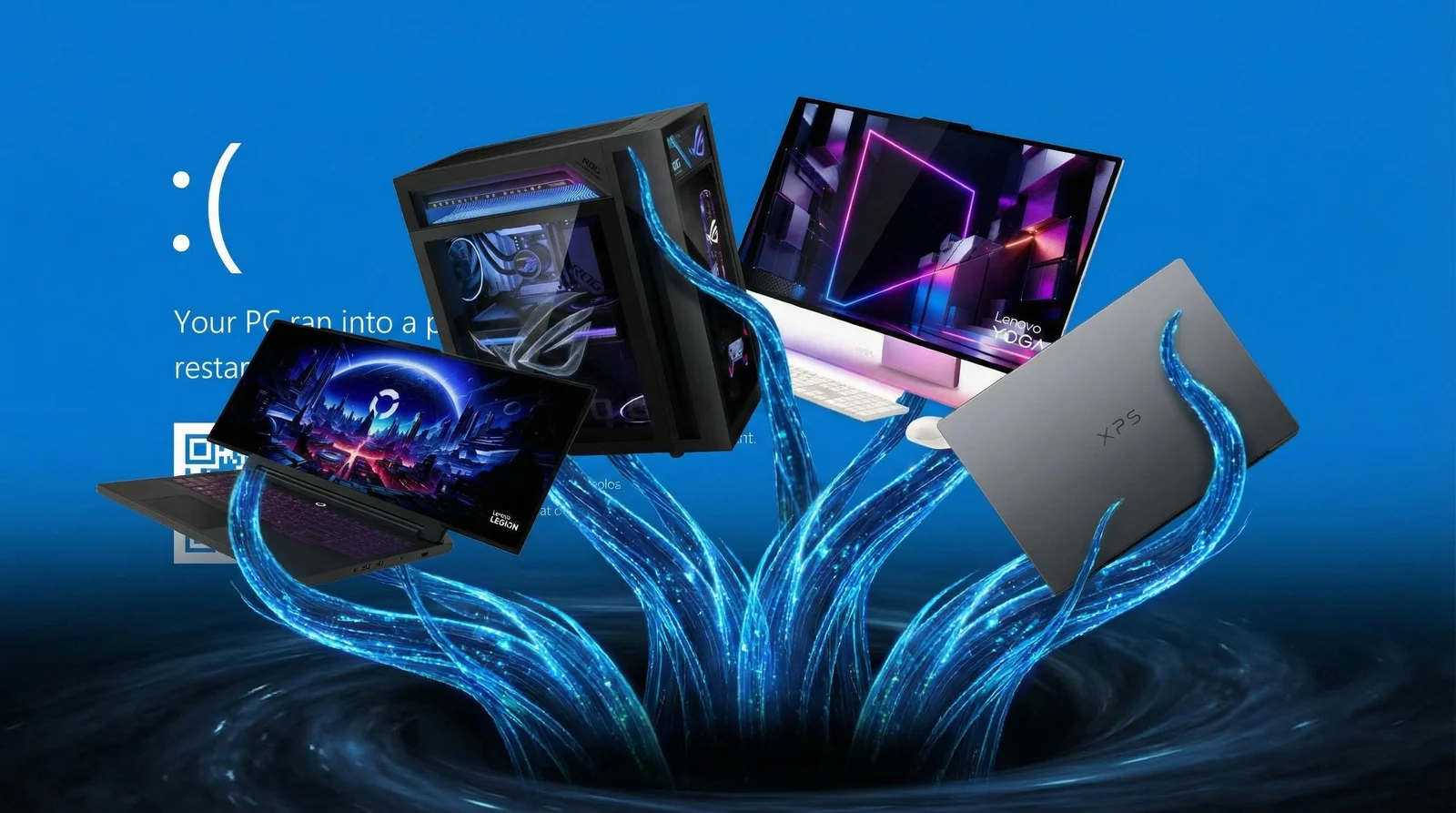
CES 2026 demonstrates a golden age for PC hardware—ultra-thin laptops, faster chips and GPUs, and cutting-edge concepts from Lenovo and ASUS—yet Windows 11 is bogged down by an aggressive AI push (Copilot and related tools), causing usability and security concerns and fueling frustration that hardware design cannot fully compensate for software direction. The piece argues for a realignment of Windows’ AI strategy to keep pace with hardware innovations.
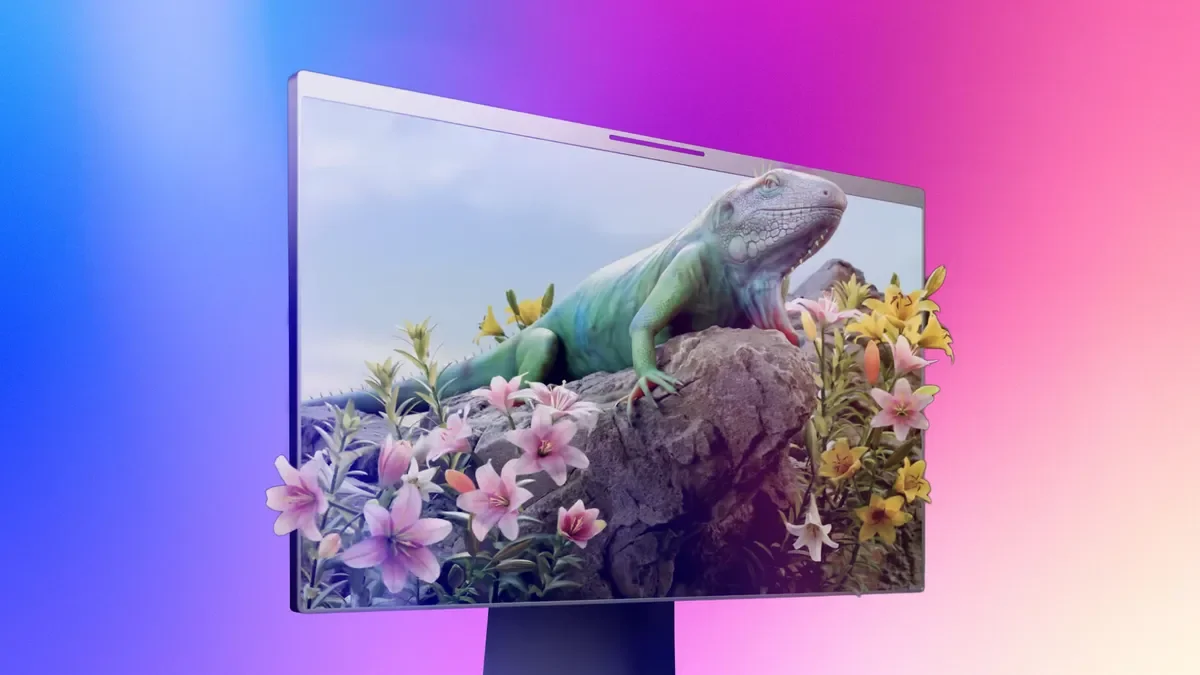
Leia's Immersity uses spatial AI to render stereo 3D depth on plain displays without glasses, making on-screen content—from games to videos and medical images—appear to pop out. Demonstrated at CES 2026 on devices like the Red Magic Laptop and Samsung Odyssey 3D monitor, with demos including 3D video, a high‑five video call, and a headset‑free VR workflow via PortalVR; while compelling, practical adoption and broad availability remain to be seen.
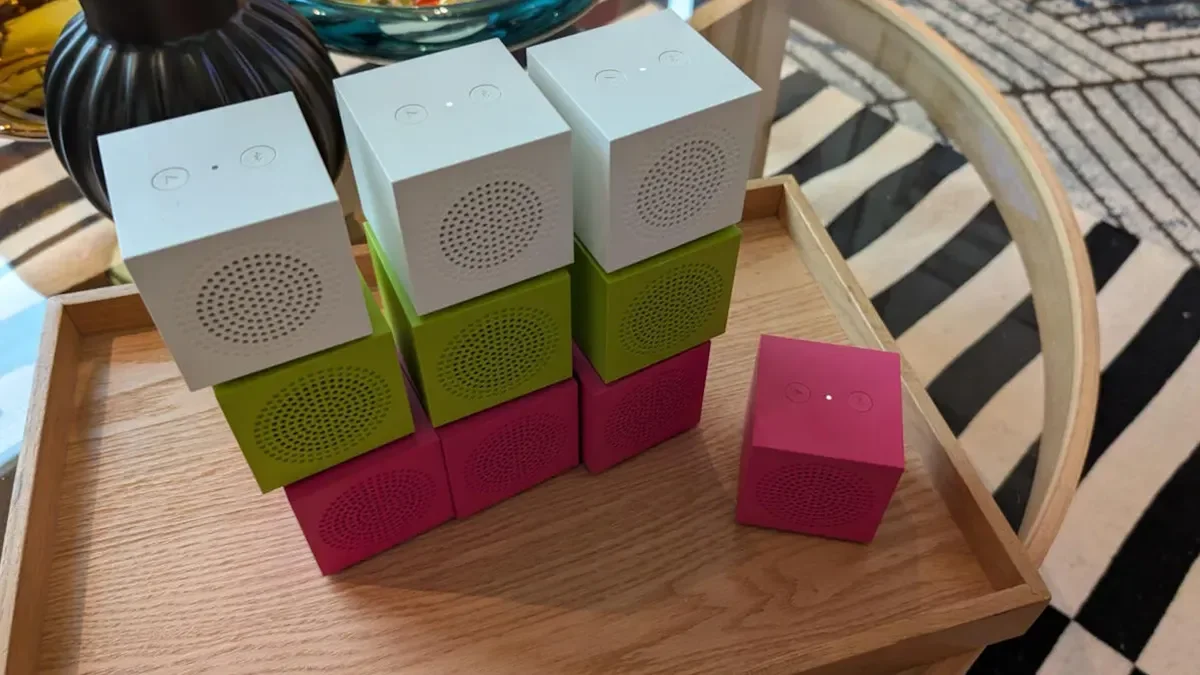
ZDNET’s Kerry Wan highlights seven standout CES 2026 products he’d buy as soon as they go on sale: Clicks Communicator messaging device, Ikea Kallsup smart speakers, Samsung S95H OLED TV with glare-free tech, Seattle Ultrasonics C-200 vibrating chef’s knife, Roborock Saros Rover robot vacuum with stair-climbing capability, Samsung Display’s creaseless foldable panel, and the updated Dell XPS 13 with OLED option and newer processors. The roundup showcases a mix of practical hardware and bold design ideas that framed CES 2026’s tech highlights.
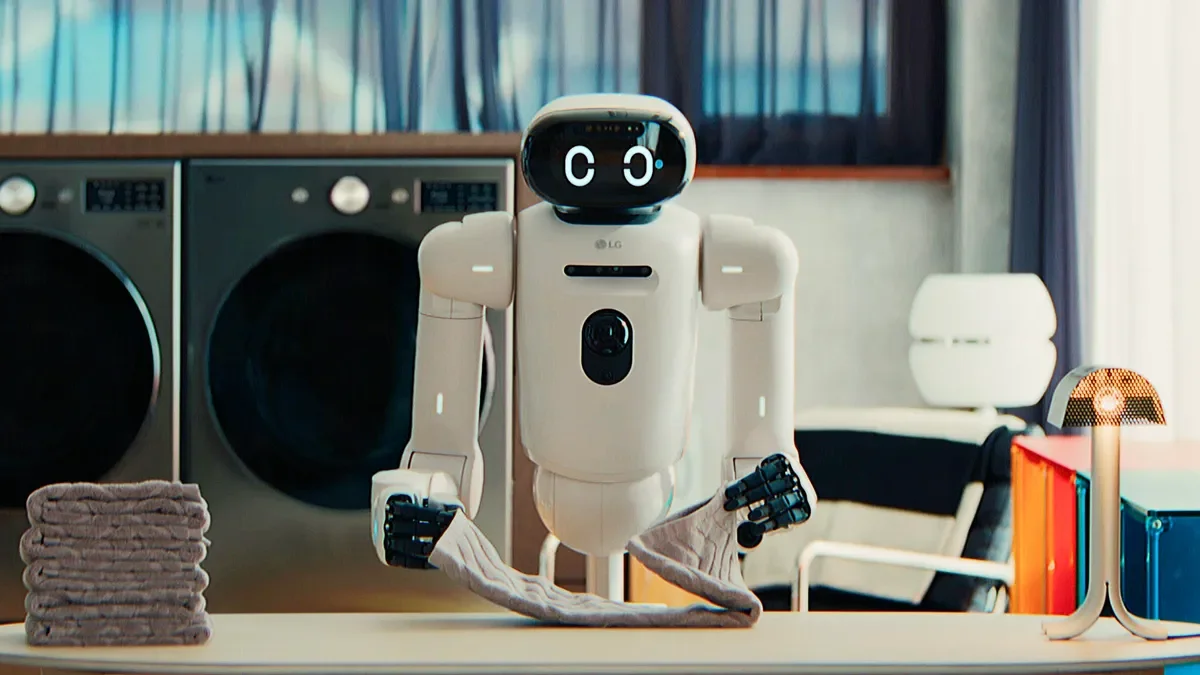
CNET highlights five CES 2026 standout products: LG's Signature washer-dryer promises to wash and dry a 10-pound load in under 90 minutes; Lovense's Emily sex robot marks a shift toward AI-enabled companionship; Donut Labs' solid-state battery aims for lighter packs, higher energy density, and faster charging; LG CLOiD laundry-folding robot demonstrates practical home automation; and TLC's RayNeo display glasses offer sharper, more immersive wearable displays.
Google is moving from AI curiosity to practical utility in 2026 by embedding Gemini across Android devices, Chromebooks, TVs, and wearables to enable hands-free, agentic AI that can perform real tasks without constant human input, from helping with maps to editing photos on a TV.