The world's oceans experienced record-breaking heat for the ninth consecutive year in 2025, driven by rising greenhouse gas emissions, leading to severe weather events, melting ice sheets, and threats to marine life, with no end in sight unless global emissions are drastically reduced.
A new study shows baleen whales significantly boost ocean primary productivity by excreting nutrients like nitrogen and phosphorus, which enhances the growth of phytoplankton and benefits the entire marine food web, with potential implications for climate regulation.
Scientists have discovered that corals can regulate their skeleton-building mechanisms to adapt to increased ocean acidity, offering hope for the survival of coral reefs amid climate change, though broader environmental threats still pose significant risks.
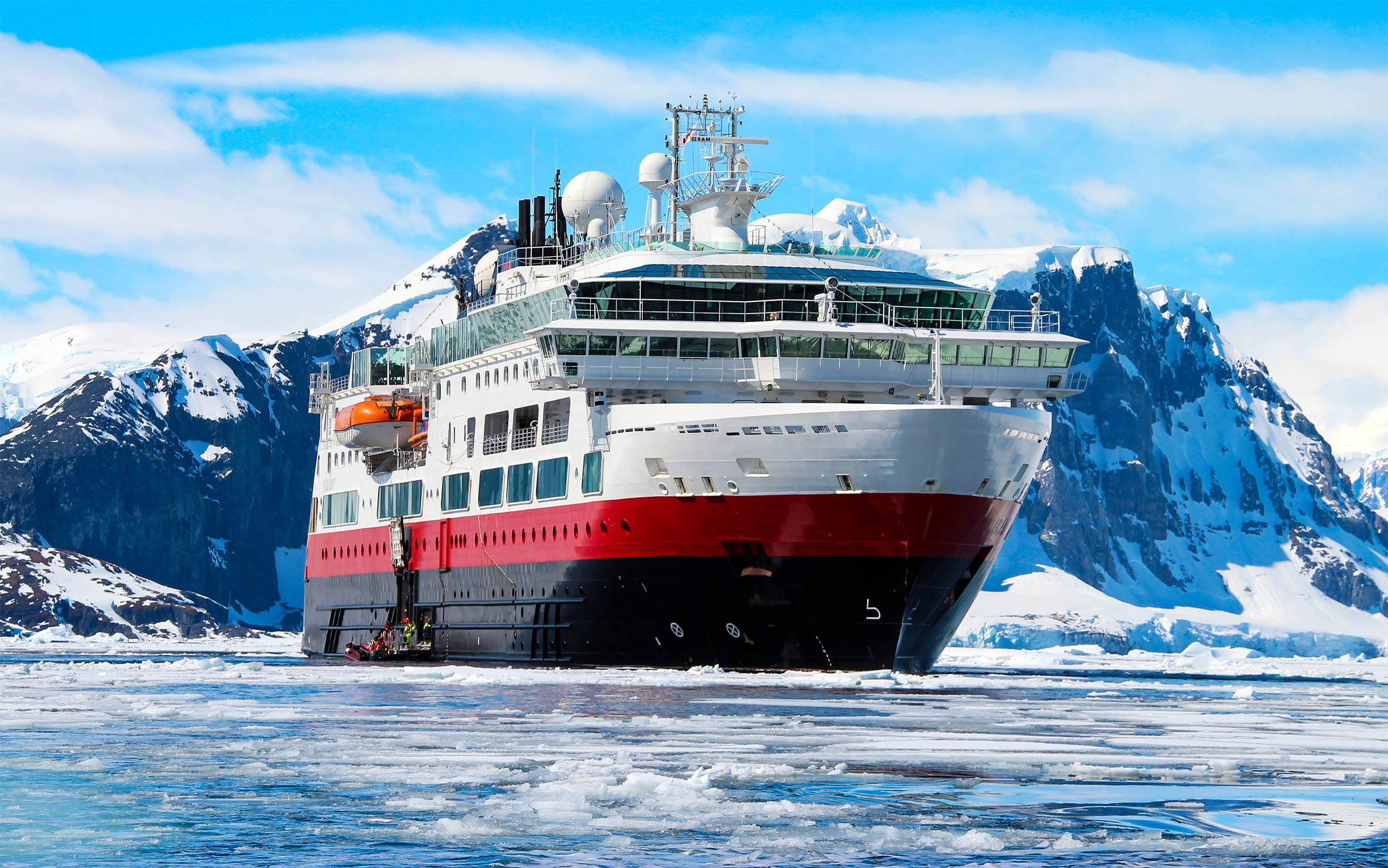
Underwater footage reveals that ship anchors and chains are causing significant and slow-to-recover damage to the delicate seafloor habitats in Antarctica, harming slow-growing marine life and reducing biodiversity. The study highlights the need for alternative anchoring methods and protected zones to preserve these vulnerable ecosystems.
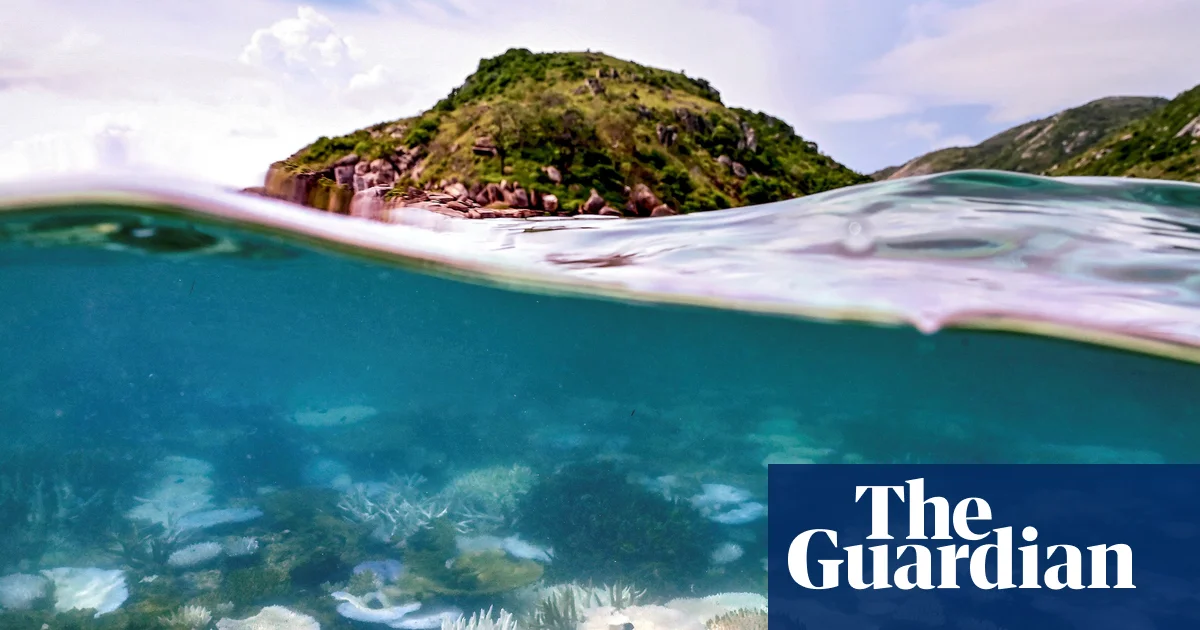
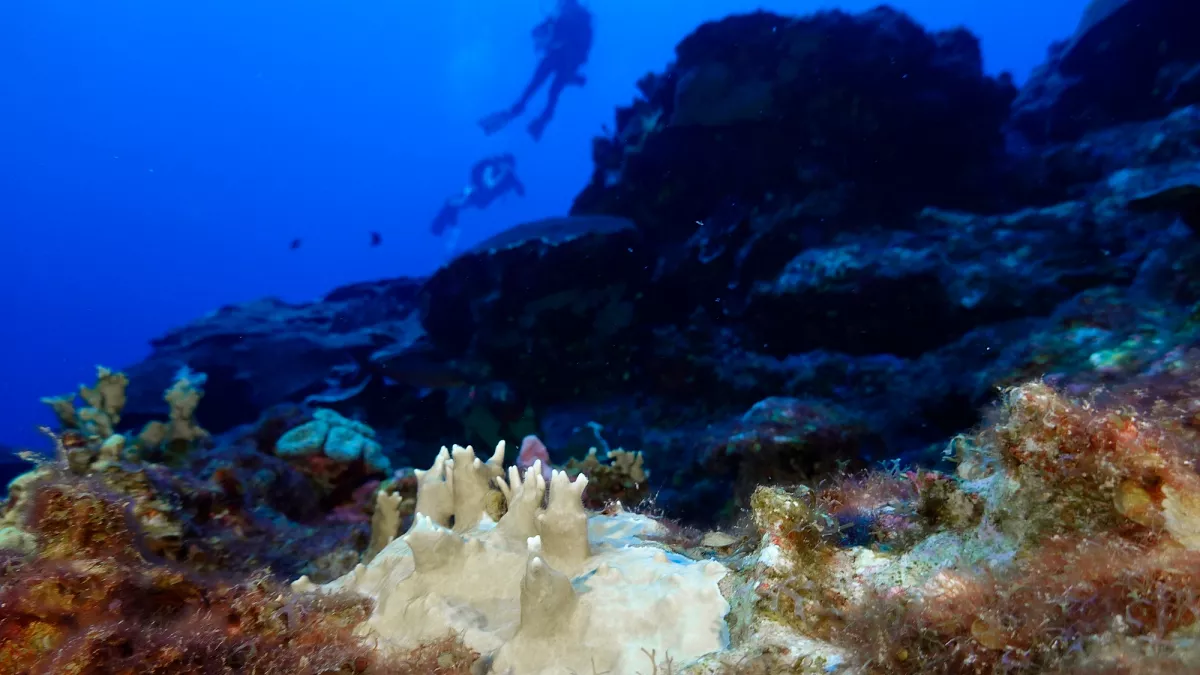
A new report warns that the Earth has reached its first catastrophic climate tipping point, with coral reefs facing widespread dieback due to rising temperatures, and highlights the urgent need for aggressive climate action to prevent further irreversible ecosystem damage and other tipping points like ice sheet collapse and Amazon dieback.
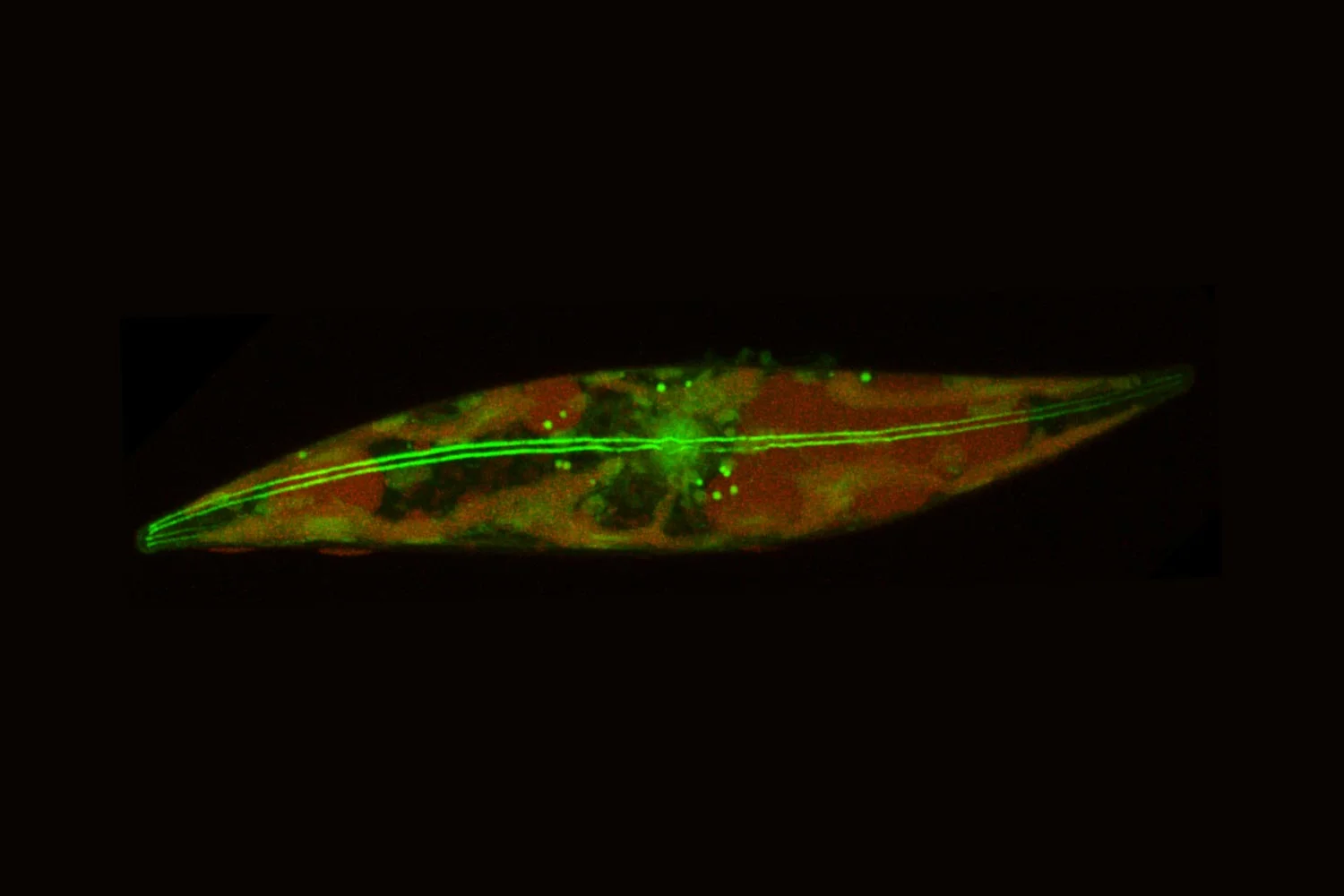
Tiny Arctic diatoms are actively moving and gliding in temperatures as low as -15°C, challenging previous assumptions about their dormancy and revealing new insights into microbial survival and ecosystem dynamics in melting polar regions, with implications for understanding climate change impacts.
Scientists have discovered massive natural hydrogen-producing structures deep beneath the Pacific Ocean at the Kunlun site, which could generate over $5 billion worth of hydrogen annually and provide insights into Earth's primordial energy systems and unique deep-sea ecosystems.
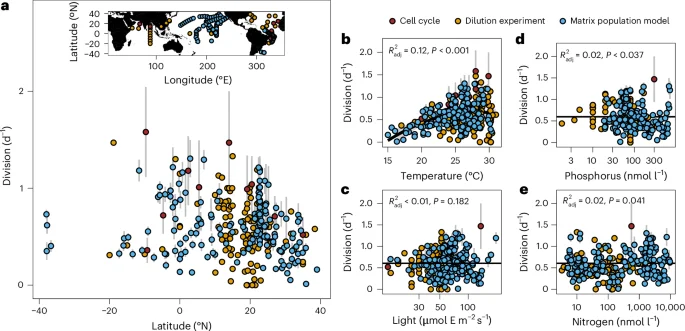
Future ocean warming is predicted to cause a significant decline in Prochlorococcus biomass and productivity beyond a temperature threshold of approximately 28°C, which could lead to cascading effects on marine food webs and carbon cycling, despite some potential for adaptation.
Scientists warn that a chemical in many sunscreens, EHMC, may prolong plastic life in water and promote harmful biofilms, posing risks to marine ecosystems and human health, prompting calls for further research and policy action.
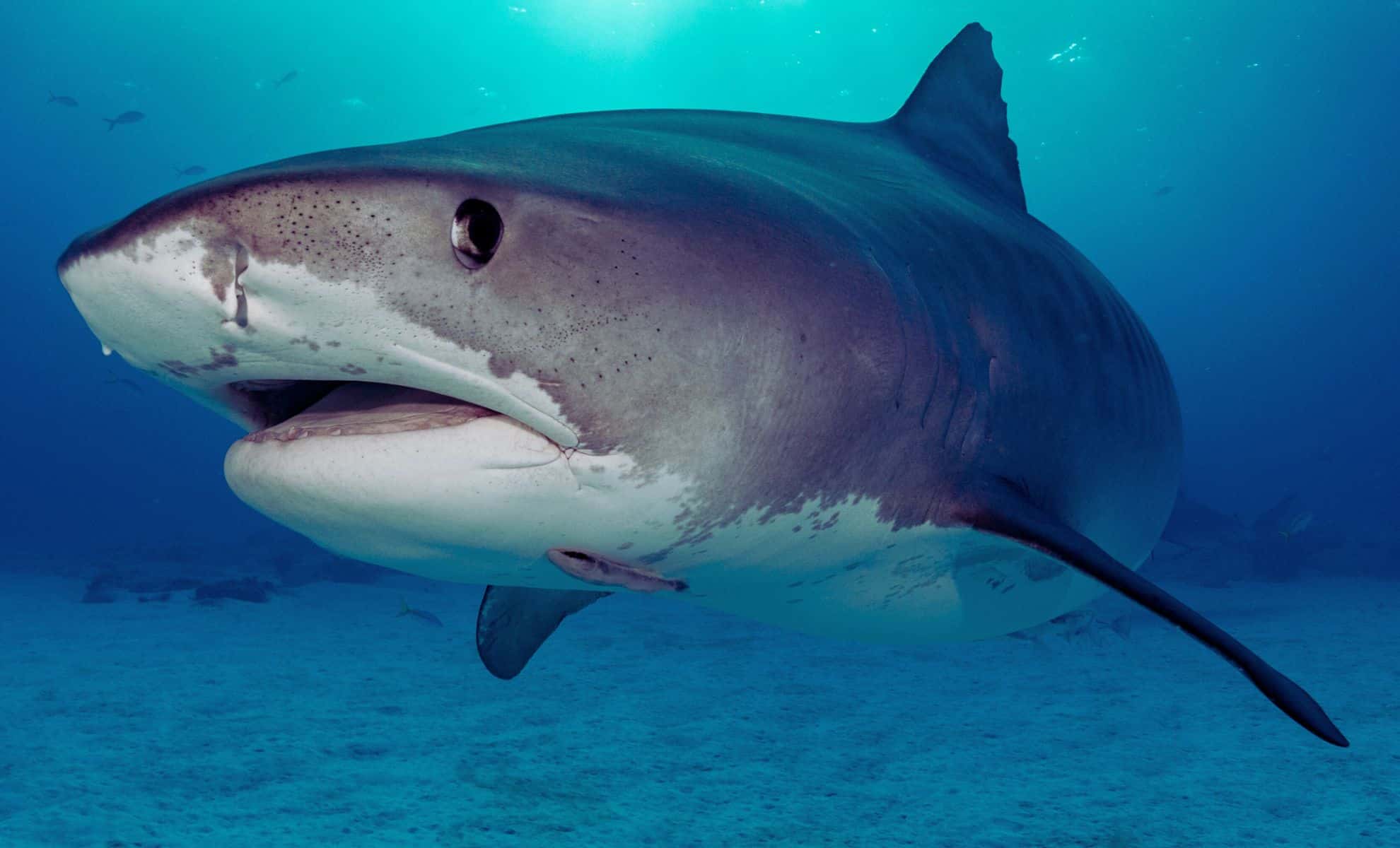
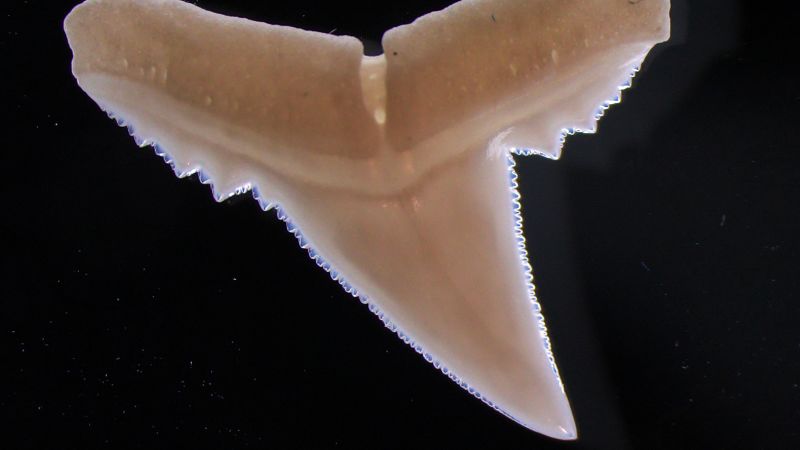
Recent research shows that ocean acidification caused by increased CO₂ levels is weakening shark teeth, which could disrupt predator-prey dynamics and impact marine ecosystems. The study highlights the importance of maintaining ocean pH levels to preserve shark hunting abilities and overall ocean health, emphasizing the broader ecological consequences of climate change.
New research indicates that increasing ocean acidity due to climate change can cause visible damage to shark teeth, potentially impacting their feeding efficiency and overall health, which could have broader effects on marine ecosystems.
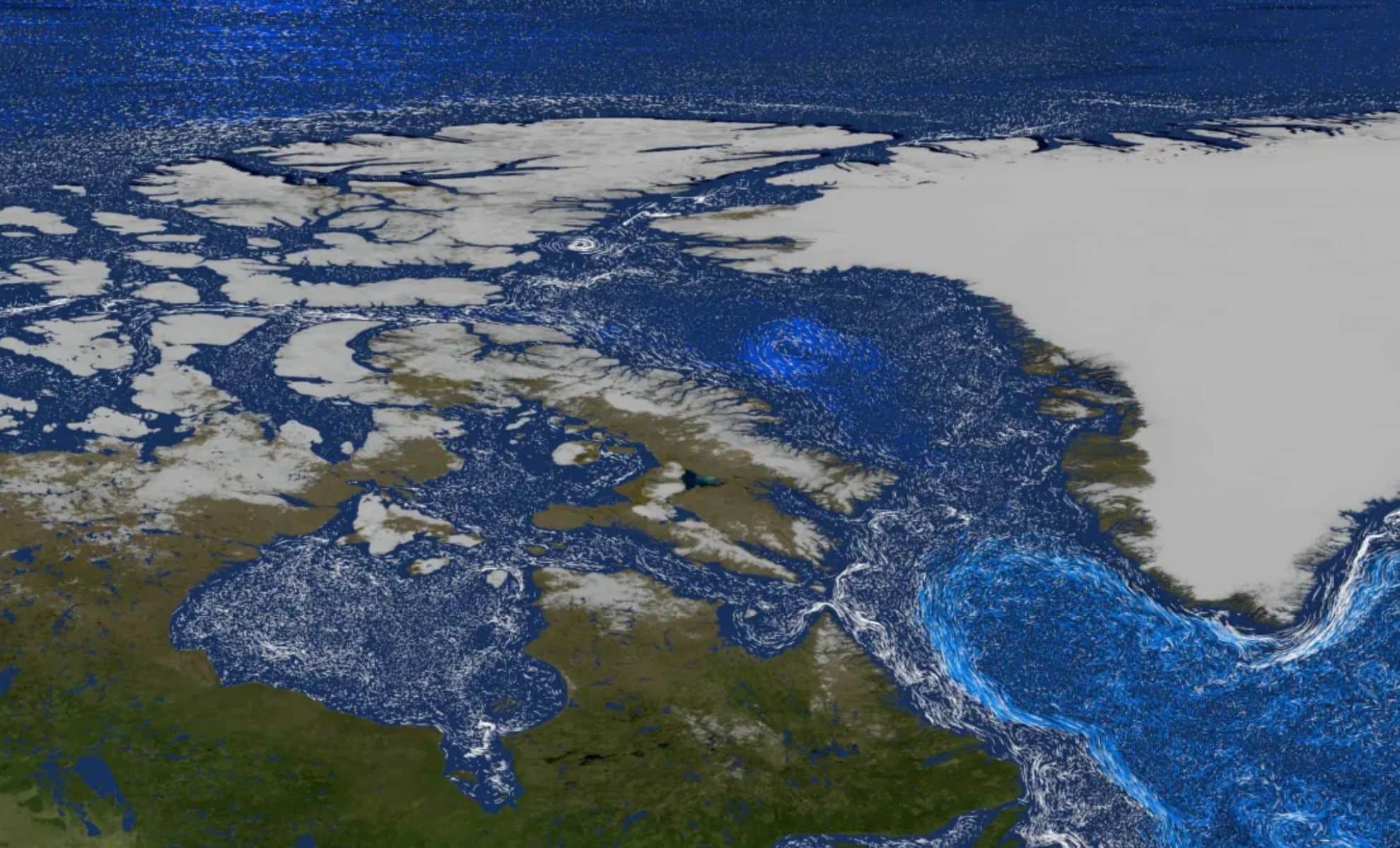
NASA-supported research using supercomputers has revealed that melting glaciers in Greenland, particularly the Jakobshavn Glacier, are releasing nutrients that boost phytoplankton growth, which could impact marine food webs and carbon cycling, with broader implications for understanding climate change effects on ocean ecosystems worldwide.
In 2023, unprecedented marine heatwaves affected 96% of the ocean surface, potentially pushing the world's oceans into a new, hotter state with serious consequences for climate regulation, marine life, and weather patterns, driven by factors like reduced cloud cover and weaker winds, raising concerns about a fundamental shift in ocean dynamics and the need for urgent research and mitigation efforts.
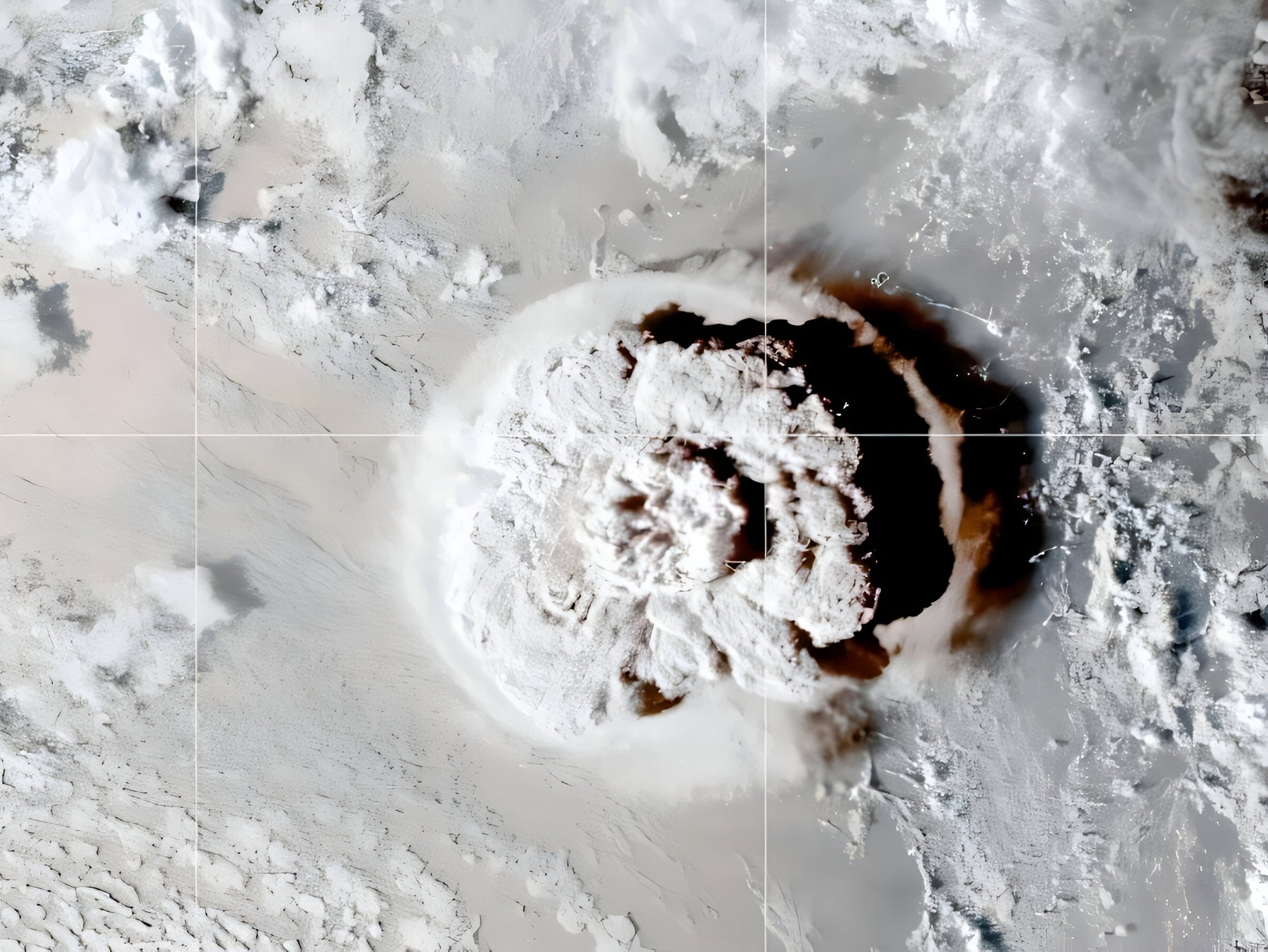
The 2022 eruption of the Hunga volcano caused significant ash deposition on the seafloor, damaging deep-sea ecosystems and affecting Tonga's coral reefs and local livelihoods. The study highlights the environmental impact of underwater volcanic activity and raises concerns about future deep-sea mining, which could cause similar or greater ecological harm.
A two-decade satellite study reveals significant shifts in ocean color, with high-latitude regions greening and tropical waters losing productivity, indicating a climate-driven reorganization of marine ecosystems that could impact carbon storage and fisheries.