Research reveals that the simplex method, a widely used optimization algorithm developed during WWII, is faster and more reliable in practice than its worst-case exponential runtime predictions suggest, thanks to recent theoretical advancements.
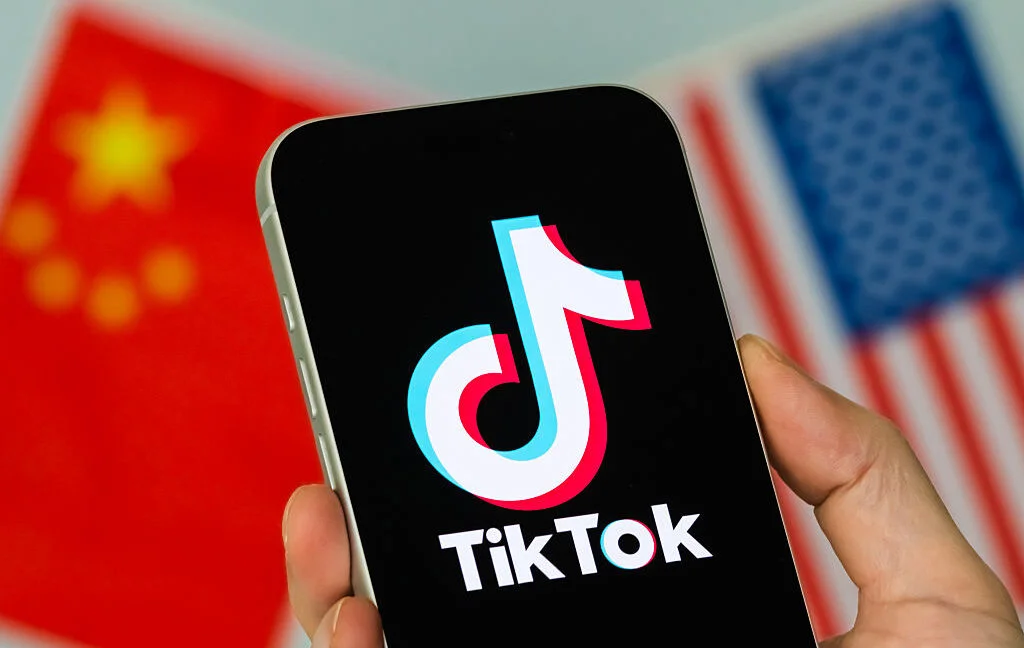
TikTok has reached an agreement to transfer majority control of its US operations to American investors, forming a joint venture with Oracle, Silver Lake, and MGX, which aims to address US security concerns and comply with government regulations, potentially allowing the platform to continue operating in the US while maintaining control over user data and content moderation.
The US TikTok deal, involving licensing its recommendation algorithm to American investors like Oracle, aims to make the app safer but may reduce its cultural relevance and personalization, potentially altering the platform's dynamic and user experience.
IBM announced it can run a quantum error correction algorithm on standard AMD chips, marking a significant step toward practical quantum computers and demonstrating that error correction can be performed on readily available hardware, with potential implications for the future of quantum technology development.
Google announced a breakthrough in quantum computing by developing an algorithm that outperforms supercomputers in a specific task, marking a significant milestone towards practical quantum applications, though widespread use is still years away due to hardware limitations.
Researchers have developed a new algorithm that breaks the long-standing sorting barrier in shortest-path problems, enabling faster computation on both directed and undirected graphs without relying on sorting, potentially revolutionizing network analysis and routing algorithms.
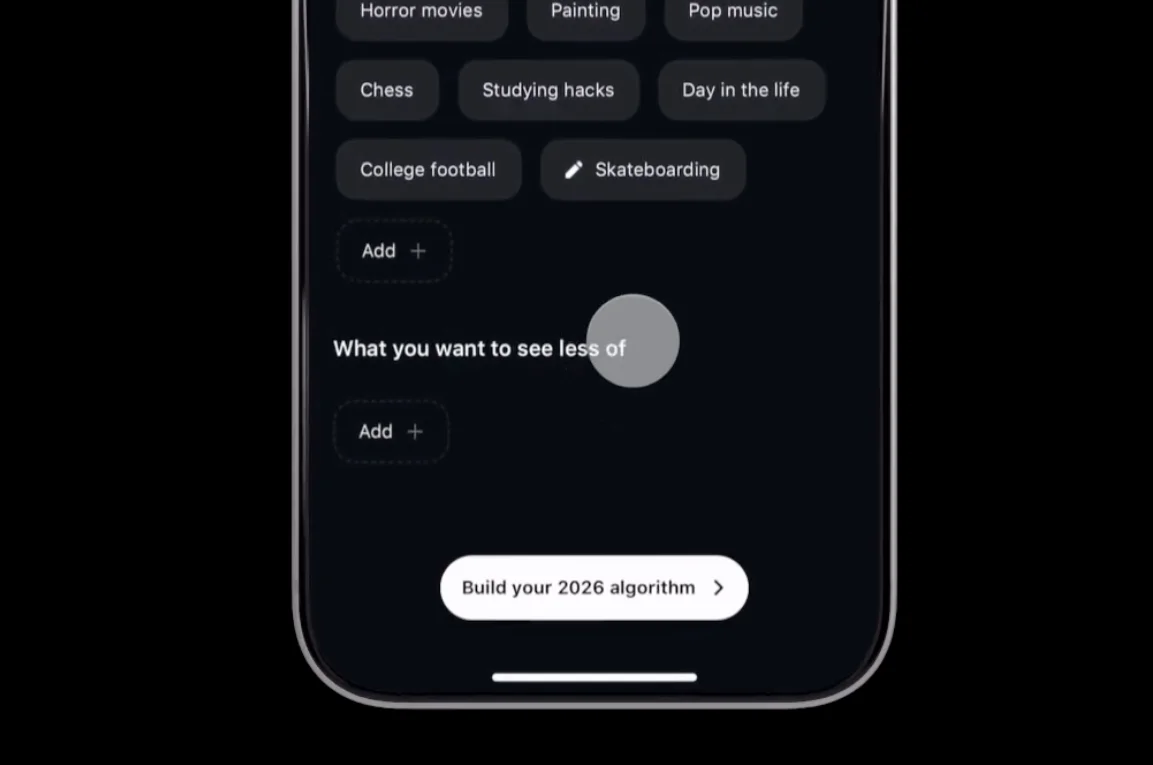
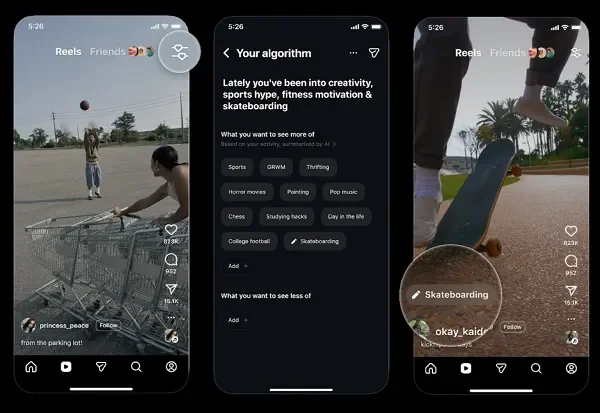
Facebook is enhancing Reels with new features like friend activity indicators, TikTok-style topic search, and improved recommendation algorithms to boost engagement and compete with TikTok, focusing on keeping users engaged longer on the platform.
A study based on data from over 800 U.S. TikTok users reveals that the app's personalized algorithm and design effectively keep users swiping and watching for hours, with some experiencing addictive behaviors and increased screen time over five months, raising concerns about its impact on mental health and daily life.
Oracle's stock (ORCL) rose despite being mentioned in a U.S. investigation into college tuition pricing algorithms, indicating investor confidence or resilience amid regulatory scrutiny.
President Trump signed an executive order allowing TikTok to operate in the US under a new deal approved by China's Xi Jinping, involving a US-controlled joint venture with American investors like Oracle and Silver Lake Partners, aiming to address national security concerns while maintaining TikTok's popularity among young Americans.
Oracle will lead US oversight of TikTok's algorithm and security under a deal involving a joint venture with Silver Lake and possibly other billionaires, aiming to address US national security concerns and separate TikTok from its Chinese parent ByteDance, with the US controlling the algorithm and data security.
The article discusses a deal involving Oracle retraining TikTok's algorithm as part of a broader agreement related to former President Trump's policies, though specific details are not provided in the excerpt.
The US and China have reportedly finalized a deal for TikTok's ownership, with the US controlling the app's algorithm and data security, though formal signing is pending amid ongoing negotiations and disagreements over the sale of ByteDance.
Beijing announced that the US TikTok app will use ByteDance’s Chinese algorithm under a licensing agreement, amid ongoing negotiations to address US security concerns and maintain the app's availability in the US. The deal involves complex arrangements where the Chinese algorithm may be used and trained on American data, with the US controlling the app but some Chinese influence retained.
Governor Cox strongly criticizes social media, comparing it to a cancer, and highlights its role in spreading harmful content and amplifying extreme views, especially following a tragic shooting at a Utah college. Other political leaders echo concerns about algorithms pushing anger and division.