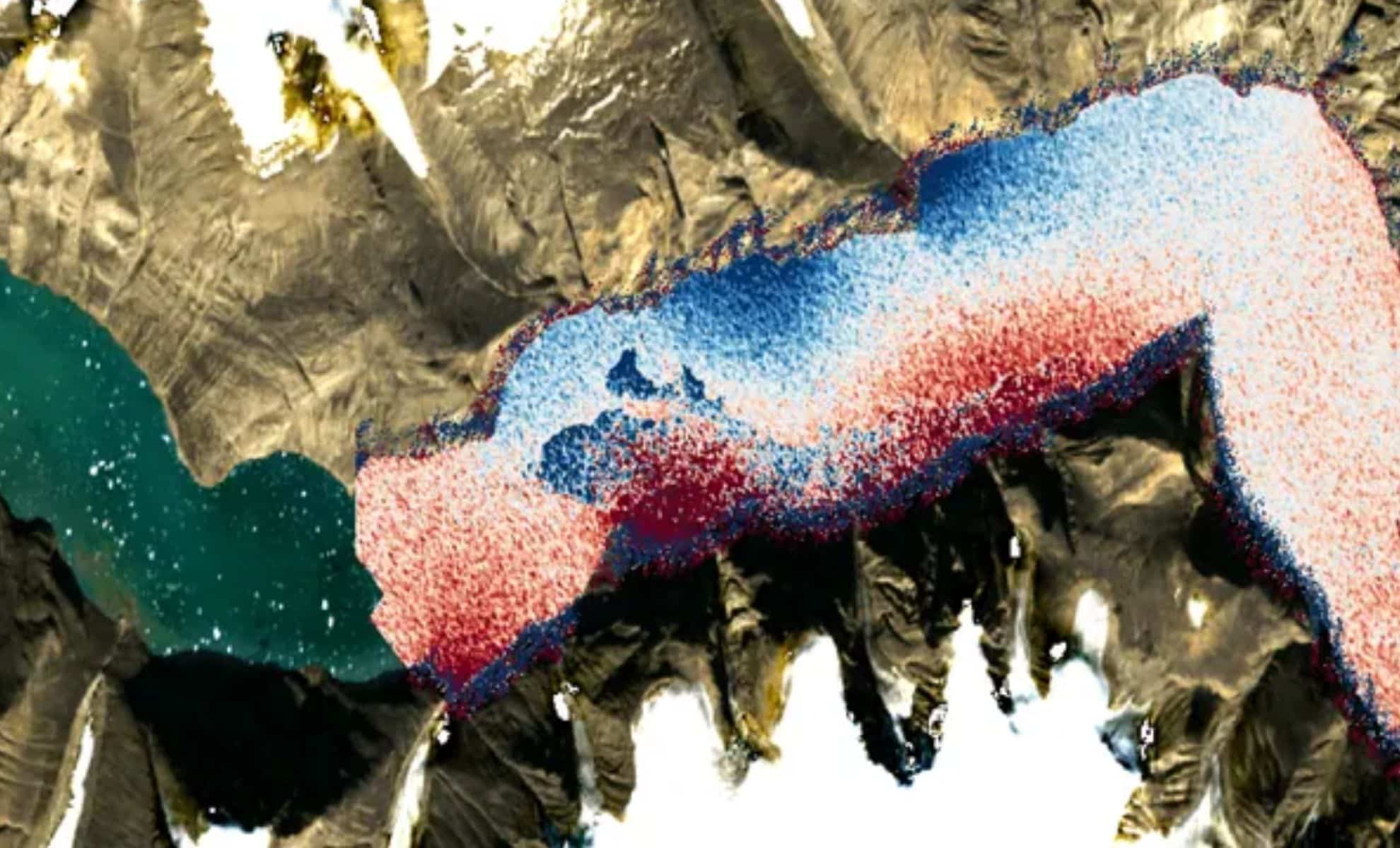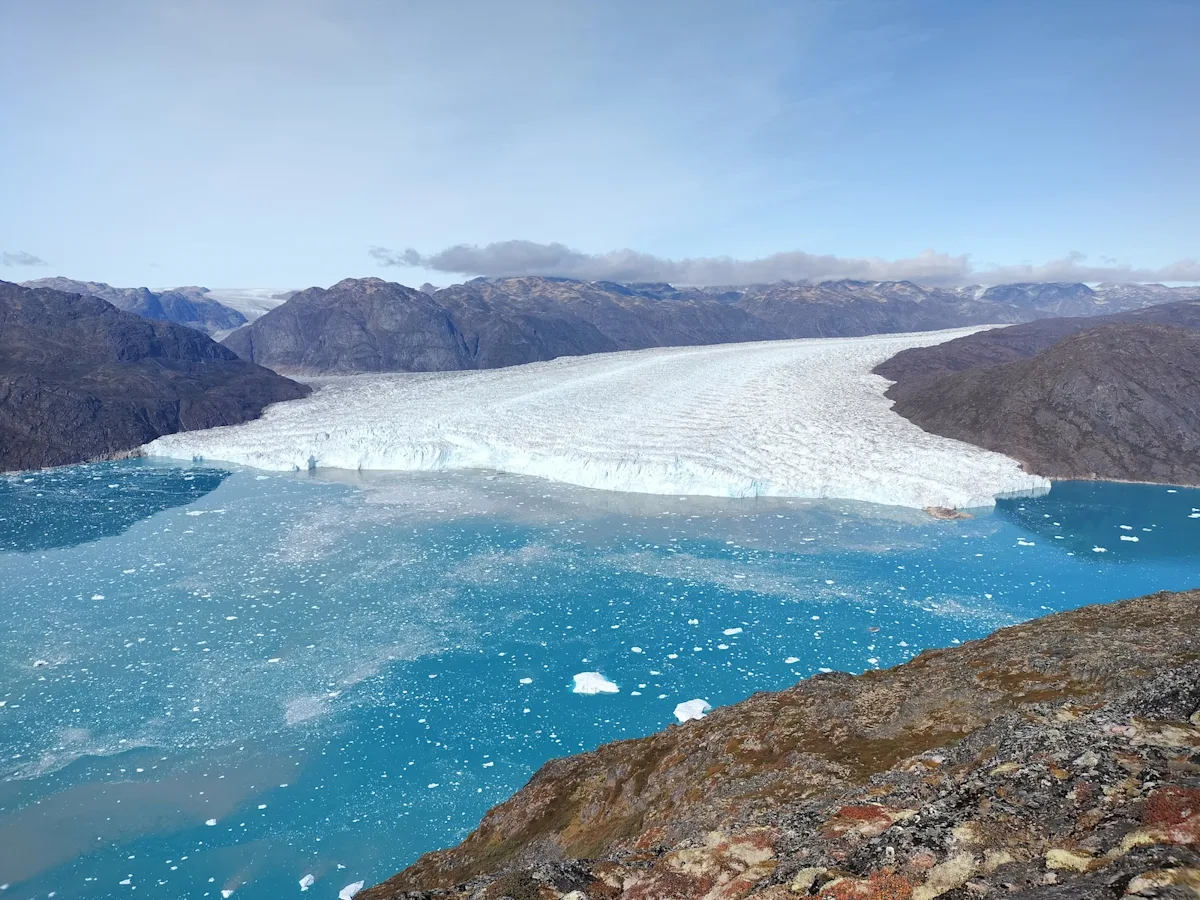
Researchers used fiber optic cables with distributed acoustic sensing near Greenland's glaciers to monitor calving events and discovered that water stirring caused by ice drops may be increasing melting rates, revealing a potential feedback loop that accelerates ice loss and contributes to sea level rise.
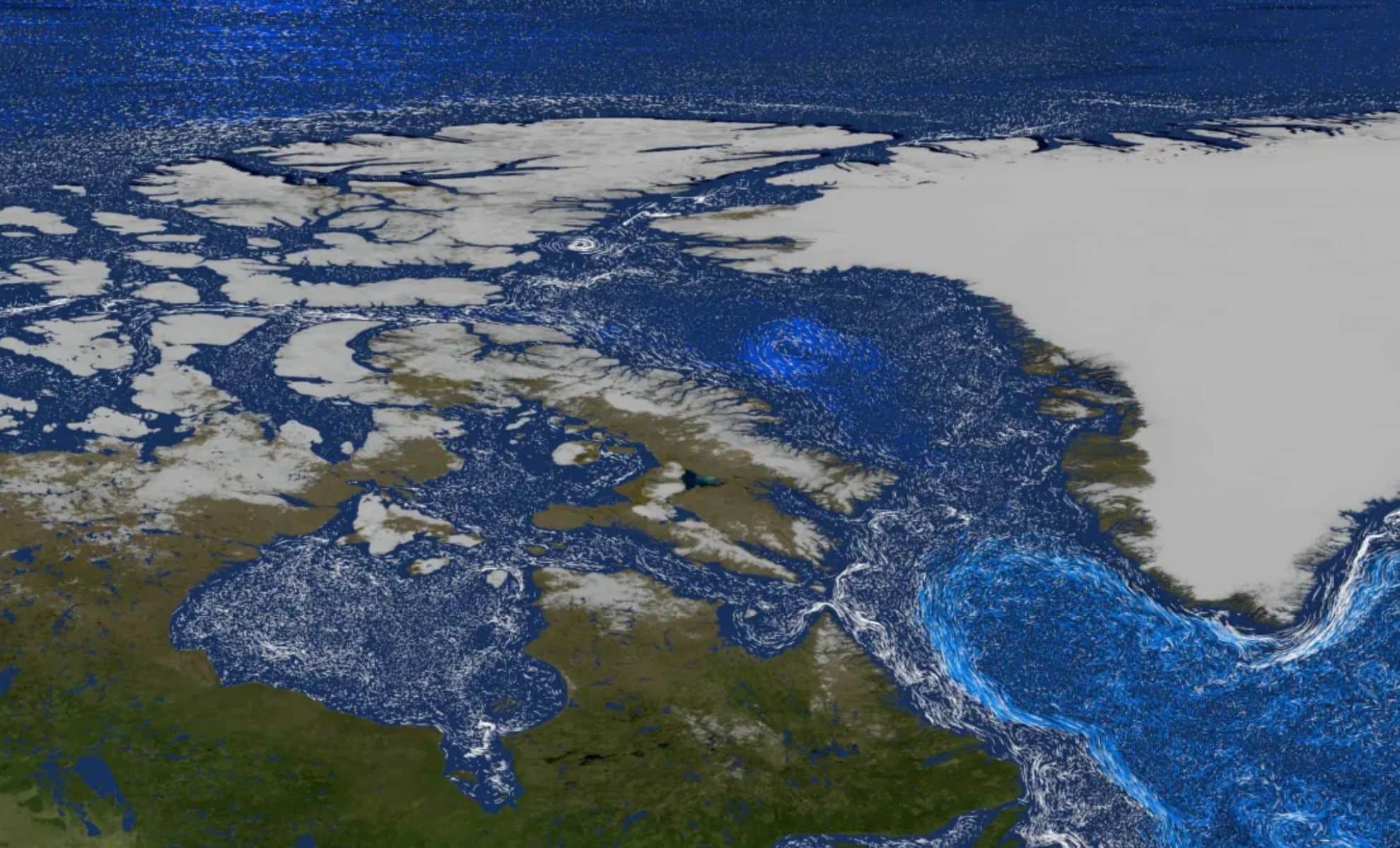
NASA-supported research using supercomputers has revealed that melting glaciers in Greenland, particularly the Jakobshavn Glacier, are releasing nutrients that boost phytoplankton growth, which could impact marine food webs and carbon cycling, with broader implications for understanding climate change effects on ocean ecosystems worldwide.
In 2023, two massive mega-tsunamis in East Greenland's Dickson Fjord, caused by glacier melting due to climate change, generated seismic waves that circled the globe for nine days. Advanced satellite technology from the SWOT mission provided the first direct evidence of these unusual seiches, revealing new insights into climate-driven ocean hazards and emphasizing the importance of next-generation monitoring tools for understanding environmental extremes.