A study found that consuming fizzy drinks can shorten healthy life by 12 minutes, while healthier food choices like nuts, fruits, and vegetables can add minutes to lifespan. Small dietary changes, such as reducing processed foods and substituting meats with whole grains and plant-based options, can significantly improve health and longevity.
A large study links both sugary and diet (low-calorie) drinks to increased risk of fatty liver disease, suggesting water as the safest beverage choice to reduce liver health risks.
A large UK study found that both sugar-sweetened and artificially sweetened drinks are associated with a higher risk of liver disease (MASLD), with artificially sweetened drinks potentially being more harmful, highlighting water as the safest beverage choice.
Originally Published 5 months ago — by MindBodyGreen
A large study shows that the form and source of sugar matter: sugary drinks like soda and fruit juice increase the risk of type 2 diabetes, while sugar from whole foods like fruit may actually lower the risk, highlighting the importance of how we consume sugar for metabolic health.
Research shows that even moderate consumption of ultra-processed foods like processed meats, sugary drinks, and trans fats increases the risk of chronic diseases such as diabetes, heart disease, and colorectal cancer, supporting public health efforts to reduce intake of these foods.
A new study indicates that there is no safe level of processed meat consumption, with even small amounts linked to increased risks of major diseases like cancer, diabetes, and heart disease, emphasizing the importance of a balanced diet rich in fruits, vegetables, and whole grains.
A new study indicates that there is no safe level of processed meat consumption, with even small amounts linked to increased risks of diseases like diabetes, cancer, and heart disease, emphasizing the importance of a balanced diet and moderation in intake of processed foods, sugary drinks, and trans fats.
A new study indicates that there is no safe level of processed meat consumption, with even small amounts linked to increased risks of major diseases like cancer, diabetes, and heart disease, emphasizing the importance of a balanced diet and moderation in consumption of processed foods, sugary drinks, and trans fats.
New research from BYU shows that the source of sugar significantly impacts health, with sugary drinks like soda and fruit juice increasing the risk of type 2 diabetes, while sugars in nutrient-rich solid foods may be less harmful or protective. Drinking liquid sugars causes greater metabolic disruption than consuming sugars in whole foods, suggesting a need to differentiate dietary guidelines based on sugar sources.
A recent study suggests that consuming sugar through beverages like soda and fruit juice increases the risk of developing type 2 diabetes, whereas sugar from solid foods or natural sources like whole fruits may be less harmful, highlighting the importance of the context in which sugars are consumed.
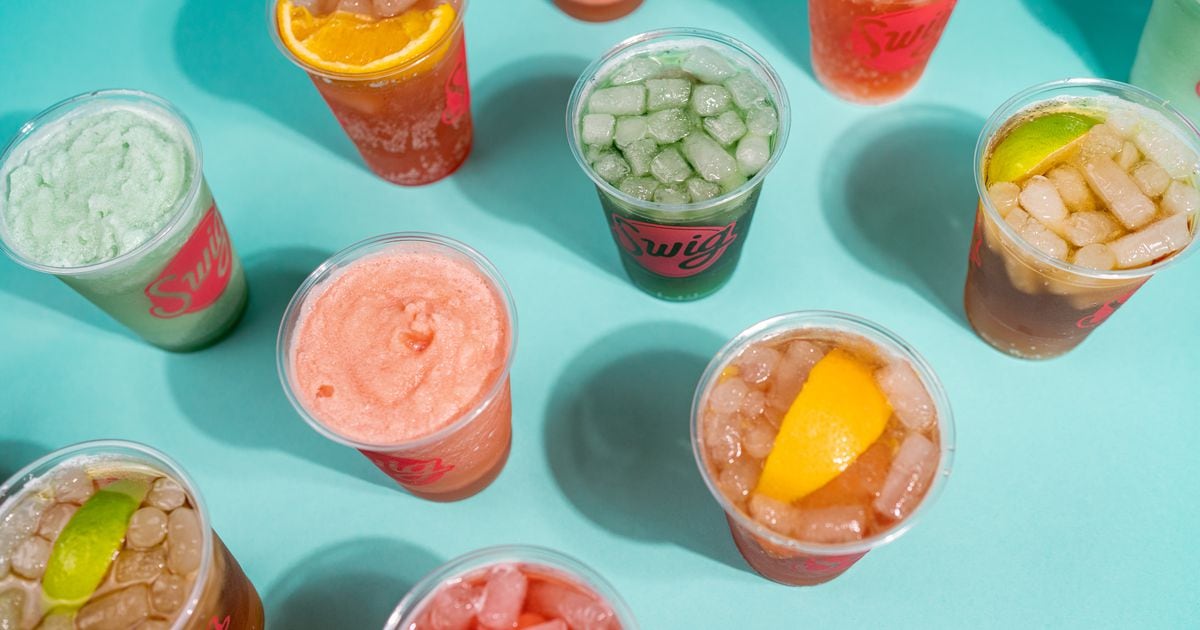
Despite the popular belief that Utahns consume a lot of soda, data shows that their consumption is lower than in many other states, particularly in the South where soda consumption is much higher. Swig, a well-known soda shop chain in Utah, has found that its customers in Utah are more inclined towards sugar-free "refreshers" rather than traditional sugary sodas. While adults in Utah have reported lower consumption of sugar-sweetened beverages, children in the state drink more than the national average. As Swig expands into other states, including those with higher soda consumption, the trend of soda versus sugar-free options may continue to evolve.
A new study suggests a potential link between consuming diet soda or zero-sugar soda and an increased risk of atrial fibrillation (AFib), a heart condition. While the study doesn't prove causation, it raises concerns about the health impacts of artificially sweetened beverages. Experts recommend focusing on exercise and a diet rich in fruits and vegetables for heart health, and suggest that while diet soda may be a better choice than regular sugary drinks, more research is needed to fully understand its health effects.
A study from Toronto Metropolitan University found that consuming 100% orange juice before a meal leads to lower daily blood glucose levels and reduced food intake compared to an orange-flavored sugar-sweetened beverage. The research emphasizes the importance of distinguishing between sources of sugars when considering overall health effects and suggests that replacing sugar-sweetened beverages with 100% orange juice may contribute to healthier body weights and improved glycemic control. The study, published in the journal Nutrients, highlights the potential benefits of 100% orange juice, which contains flavonoids that may impact sugar absorption and delay glycemic response.
When it comes to weight loss, there is no magic drink, but choosing nutrient-dense foods and reducing sugar-sweetened beverages can help. Green tea, especially matcha-grade green tea, is recommended as the top drink for weight loss due to its potential to reduce sugar intake, high levels of catechins that boost metabolism and fat burning, and the combination of catechins and caffeine. However, green tea supplements may have potential side effects, and it may interfere with iron absorption. Overall, green tea offers some health benefits and can be a good alternative to sugary drinks.
A study conducted by researchers from Brigham and Women's Hospital found that postmenopausal women who consume daily sugar-sweetened beverages have a significantly higher risk of liver cancer and chronic liver disease mortality compared to those who consume fewer drinks. The study included nearly 100,000 postmenopausal women and observed a strong association between the consumption of sugary drinks and liver-related outcomes. However, the study was observational, and more research is needed to validate the risk association and understand the underlying mechanisms. These findings highlight the potential need for public health strategies to reduce the consumption of sugar-sweetened beverages and mitigate the risk of liver disease.