Acting within the first two years of a prediabetes diagnosis through lifestyle modifications such as weight loss, increased physical activity, and healthy eating can significantly reduce the risk of progressing to type 2 diabetes, emphasizing the importance of early detection and intervention.
A study from Toronto Metropolitan University found that drinking 100% orange juice can lead to lower food and energy intake, as well as lower blood glucose levels compared to a sugar-sweetened beverage. The researchers hypothesize that the flavonoids in orange juice slow down sugar digestion and absorption. Registered dietitian Ilana Muhlstein emphasized the importance of choosing 100% orange juice over sugary alternatives and suggested mixing it with water for a more positive blood sugar result.
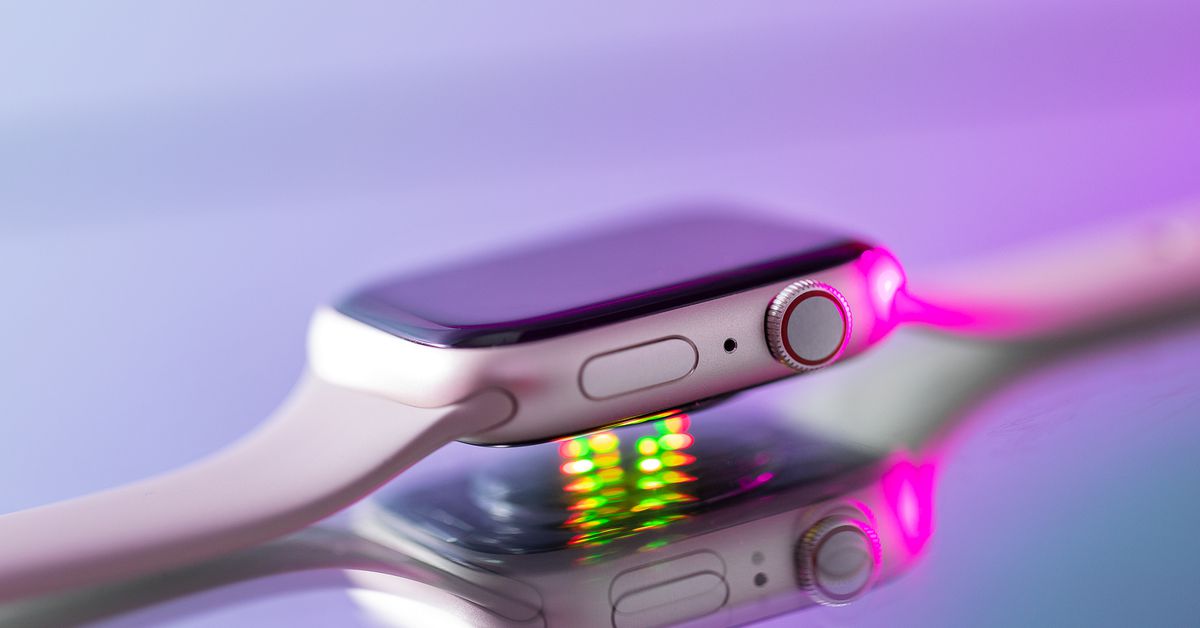
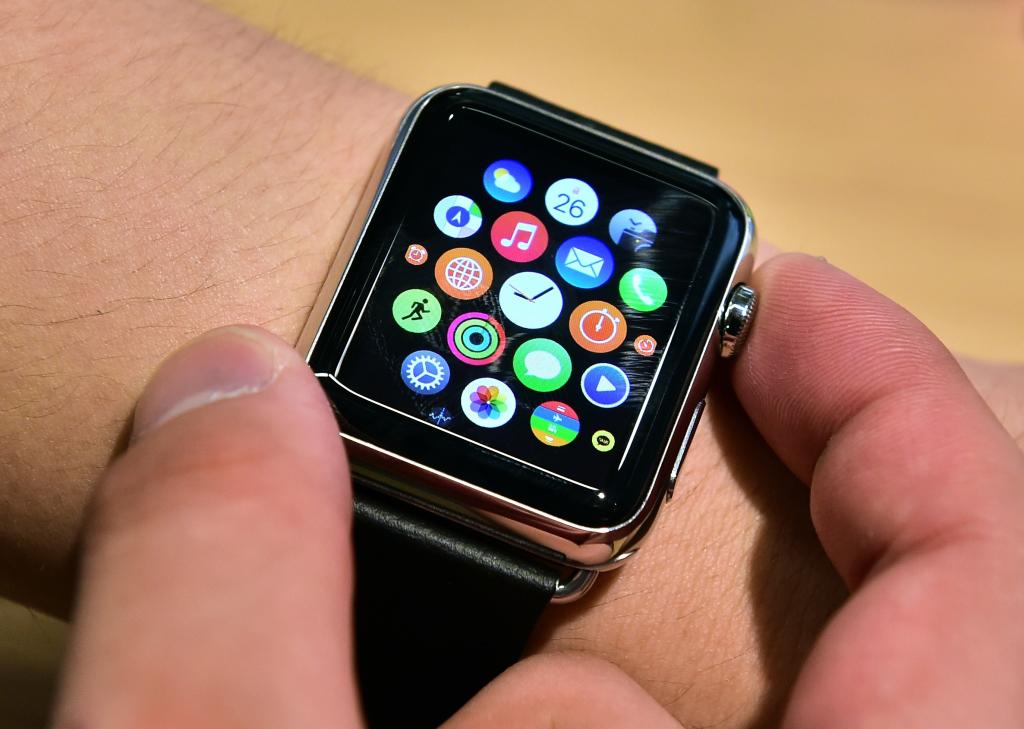
The FDA has issued a warning against smartwatches and smart rings claiming to measure blood glucose levels, stating that no such devices have been authorized or approved for this purpose. While major wearable makers like Apple, Fitbit, and Samsung support integrations with FDA-authorized continuous glucose monitors, there are unscrupulous companies selling scammy devices making unsubstantiated claims. The FDA urges consumers to report such devices and advises skepticism towards wearables claiming FDA approval, emphasizing that while progress is being made in the wearable space, a device ready for healthcare settings or consumers is still several years away.
The FDA warns against using smart watches or rings that claim to measure blood glucose levels non-invasively, as these devices can lead to errors in diabetes management. No such device has been authorized by the FDA, and patients are advised to avoid unauthorized blood glucose measuring products. While companies like Apple are rumored to be working on non-invasive blood glucose monitoring technology, there is currently no proven and approved method on the market.
A study from Toronto Metropolitan University found that consuming 100% orange juice before a meal leads to lower daily blood glucose levels and reduced food intake compared to an orange-flavored sugar-sweetened beverage. The research emphasizes the importance of distinguishing between sources of sugars when considering overall health effects and suggests that replacing sugar-sweetened beverages with 100% orange juice may contribute to healthier body weights and improved glycemic control. The study, published in the journal Nutrients, highlights the potential benefits of 100% orange juice, which contains flavonoids that may impact sugar absorption and delay glycemic response.
Eating brown seaweed, particularly certain types such as Ecklonia cava, Laminaria digitata, Undaria pinnatifida, Acophyllum nodosum, and Fucus vesiculosus, could be a promising strategy for managing blood glucose levels and reducing the risk of type 2 diabetes, according to a South Korean study. The research found that seaweed consumption led to significant improvements in post-meal blood glucose, glycated hemoglobin, and insulin resistance. Higher doses of seaweed showed more benefits, but safety assessments and further research are needed to fully understand its potential and any potential interactions with existing therapies.
The upcoming Apple Watch Series 10 is rumored to include three new health sensors that can detect pre-diabetes, rising blood pressure, and sleep disturbances indicative of hypertension or sleep apnea. While the exact method for measuring blood pressure is unclear, it is speculated to use near-infrared spectroscopy. The device will also feature a blood glucose monitor to identify potential pre-diabetic conditions. Apple is said to be working on additional health features and a digital health coaching service that utilizes AI and device data.
Diabetes is a disease characterized by high blood glucose levels due to insufficient insulin production or improper insulin usage. It can lead to various health complications, including damage to the eyes, kidneys, nerves, and heart. Lifestyle changes such as weight loss, healthy eating, and regular physical activity can help prevent or manage diabetes. Medications may also be necessary to control blood glucose levels, blood pressure, and cholesterol. Monitoring critical health numbers and working with a healthcare team are essential for successful diabetes management.
A recent study analyzed the snacking behavior of 1,001 participants and found that the quality of snacks consumed is more important than the quantity or frequency. Snacking on high-quality snacks like fruits, veggies, and nuts was associated with healthier blood glucose and fat levels. Timing also played a role, with late-night snacking being unfavorable for health. Participants who snacked after 9 p.m. had more unfavorable blood glucose and fat markers. Additionally, having a 12-hour gap between dinner and breakfast was found to be beneficial for metabolic health.
A study presented at ENDO 2023: The Endocrine Society Annual Meeting found that limiting eating to an 8 AM-4 PM time window for 6 days cut the average amplitude of glycemic excursions by 0.5 mmol/L (about 9 mg/dL) compared with a more usual feeding schedule in a cross-over study of 10 adults with prediabetes. The study suggests that "early time-restricted feeding may be a helpful dietary strategy for diabetes prevention."
Early time-restricted eating, a form of intermittent fasting, can reduce blood glucose fluctuations and the amount of time blood glucose levels are elevated above normal levels, according to a recent study presented at the annual meeting of the Endocrine Society. The study compared early time-restricted eating with a typical diet pattern and found that the former reduced the time spent above the normal blood glucose range. This eating style limits eating to just the first 6 to 8 hours of the day and may help individuals with prediabetes or obesity maintain normal blood sugar levels and prevent type 2 diabetes progression.
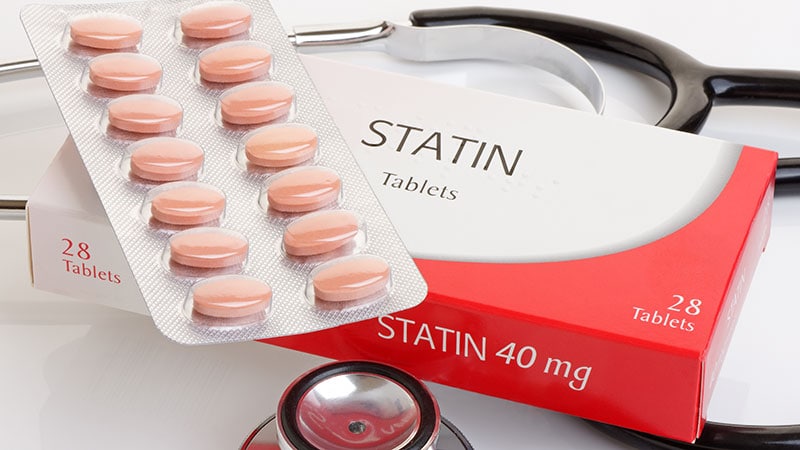
Statin initiation is associated with a reduced risk of diabetic kidney disease (DKD) and declining kidney function in patients with type 2 diabetes, according to a retrospective cohort study. The study's primary outcome was DKD, defined as a composite of kidney dysfunction and proteinuria sustained for at least 90 days. The researchers found that statin initiation was associated with lower risks of DKD and kidney function decline. However, other studies have reported the opposite, and physicians should monitor blood glucose levels more often upon initiation or escalations of statins.