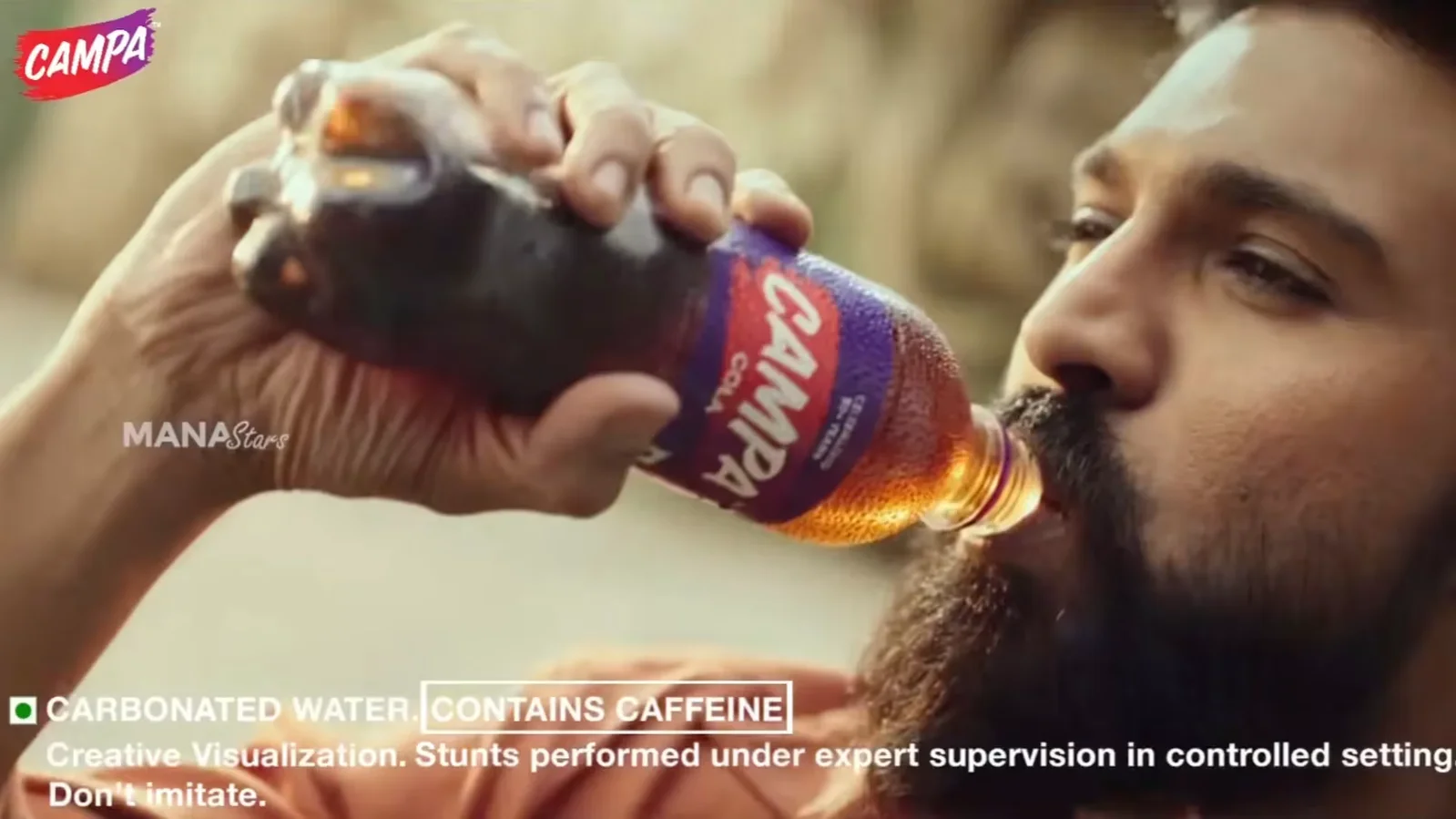
Mukesh Ambani challenges Coca-Cola and Pepsi for India fizzy drink dominance
Mukesh Ambani is challenging Coca-Cola and Pepsi for dominance in India's fizzy drink market, signaling a competitive shift in the industry.

All articles tagged with #fizzy drinks
Mukesh Ambani is challenging Coca-Cola and Pepsi for dominance in India's fizzy drink market, signaling a competitive shift in the industry.
A study found that consuming fizzy drinks can shorten healthy life by 12 minutes, while healthier food choices like nuts, fruits, and vegetables can add minutes to lifespan. Small dietary changes, such as reducing processed foods and substituting meats with whole grains and plant-based options, can significantly improve health and longevity.
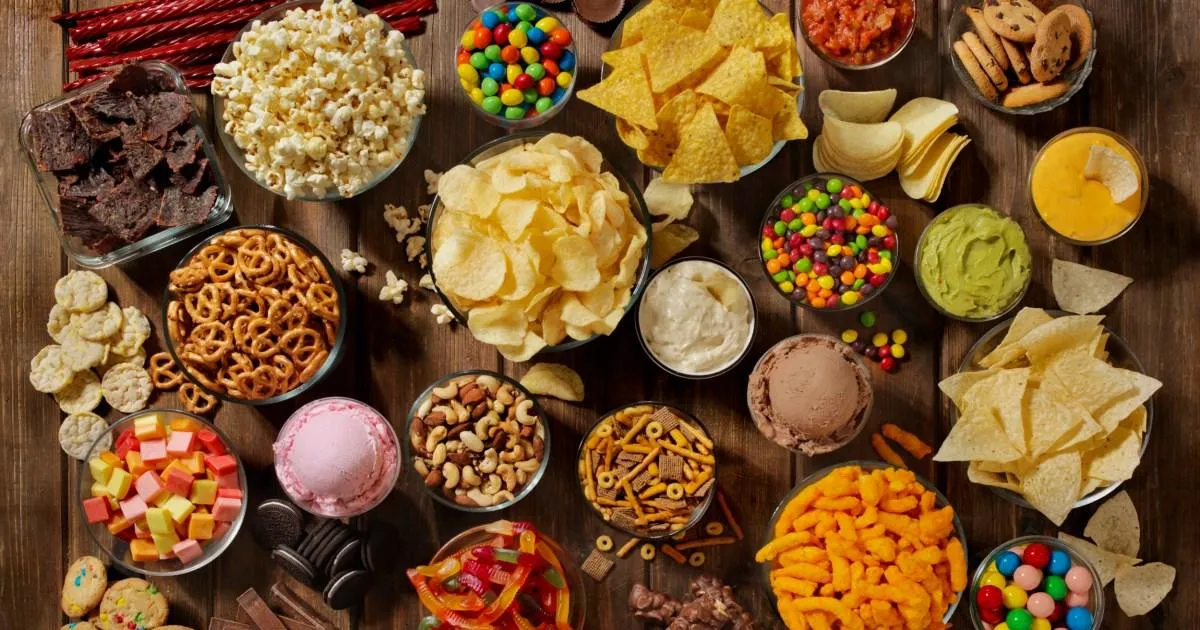
A new study links the consumption of ultra-processed foods, including lunch meats and fizzy drinks, to an increased risk of lung cancer, highlighting the importance of dietary choices in disease prevention, though further research is needed to confirm causality.
A man who drank up to 4.5 liters of Dr Pepper daily for over 10 years experienced severe health issues including poor sleep, weight gain, dental decay, and fatigue. He quit with hypnotherapy, leading to significant health improvements and financial savings.
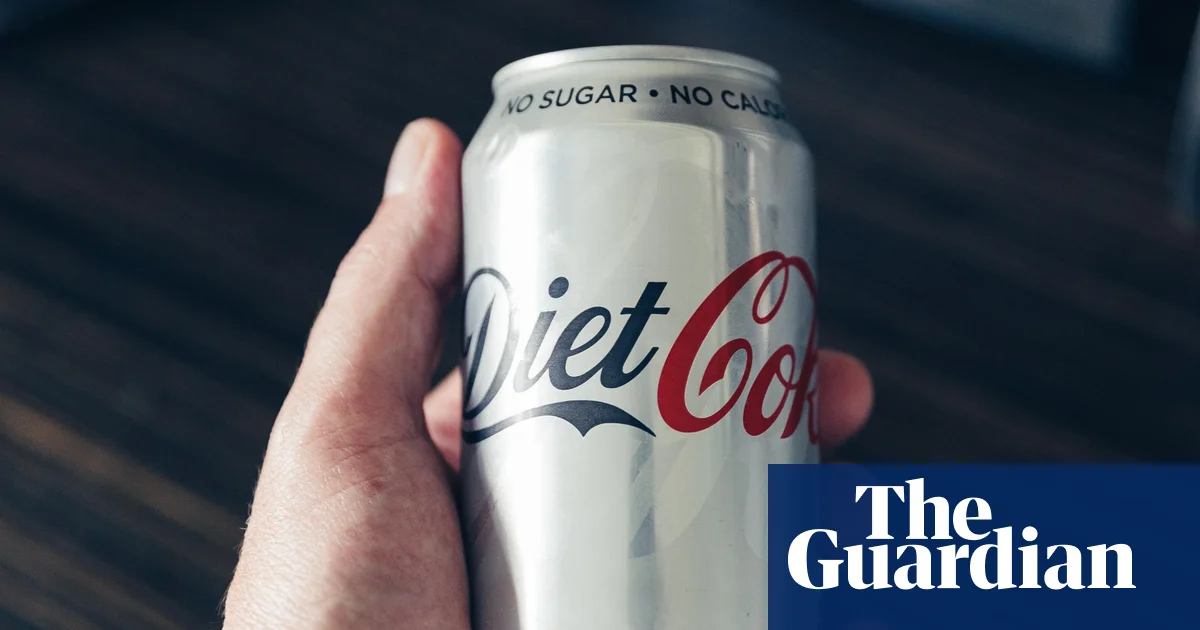
The article discusses how Generation Z has redefined the smoking break by coining the term 'fridge cigarette' on TikTok, referring to the ritual of opening a cold can of soda as a non-addictive, symbolic act of taking a break, emphasizing the importance of routine and momentary escape without actual smoking.

A recent investigation highlights the health risks associated with sugary fizzy drinks, identifying Coca Cola Cherry as one of the worst offenders due to its high sugar and calorie content. In contrast, some traditional sodas like Barr American Cream Soda have significantly less sugar and calories. The study also notes the varying sugar content in energy drinks, with some linked to serious health issues. High sugar intake from these beverages is associated with increased risks of type 2 diabetes, heart disease, and liver problems. While sugar-free alternatives are suggested as a healthier option, concerns remain about artificial sweeteners potentially causing insulin resistance.
A new study has linked high levels of sugar consumption to a wide range of health conditions, including diabetes, gout, obesity, high blood pressure, heart attacks, strokes, asthma, tooth decay, depression, premature death, and some cancers. Researchers recommend reducing the consumption of free sugars or added sugars to below 25 grams per day and limiting the consumption of sugar-sweetened beverages to less than one serving a week. The study also suggests a link between high sugar consumption and cancer, which warrants further research.