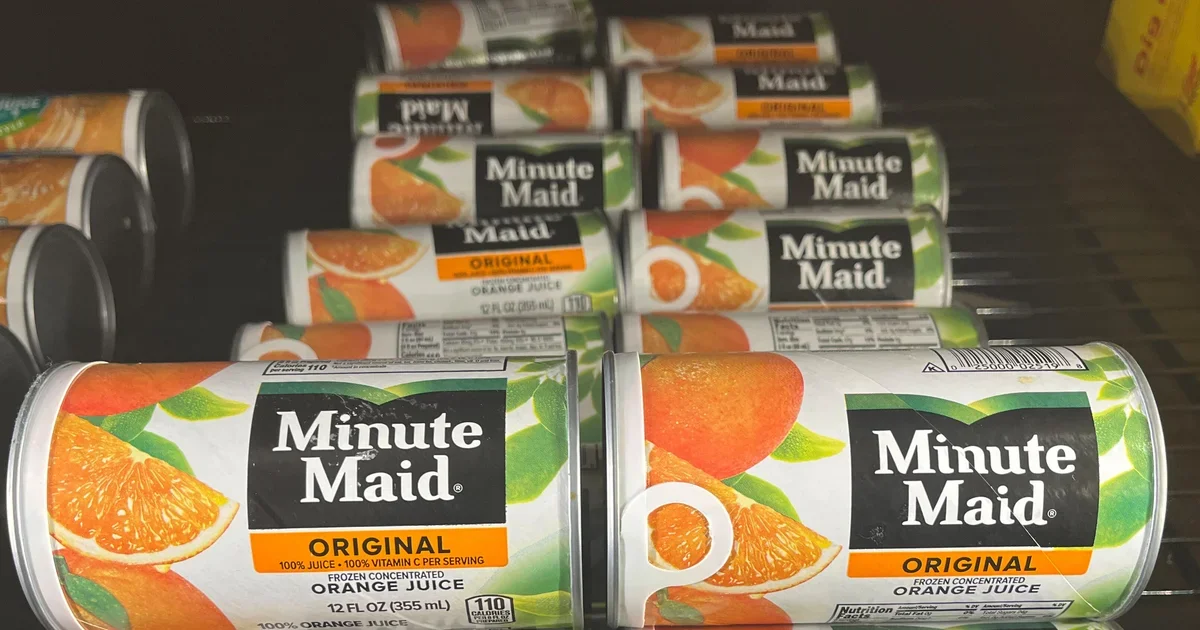
Coca-Cola is discontinuing Minute Maid’s frozen canned juice line after 80 years, ending a long-running product in its beverage portfolio. The company has not announced replacement products at this time.
Coca-Cola will discontinue Minute Maid frozen juice concentrates in the U.S. and Canada, with sales ending by April 2026 and inventory while supplies last, in a shift to prioritize fresh juices amid changing consumer tastes. The move ends a long history dating to 1946, as frozen concentrate demand wanes, prices rise, and frozen-beverage sales decline (about 8% over the past year, with a December 12-ounce can averaging around $4.82). Coke has also nudged consumers toward Zero Sugar fresh options.
Coca-Cola's plan to reintroduce cane sugar in the US has faced challenges due to limited availability, making the rollout a gradual process, despite earlier announcements and political pressure.
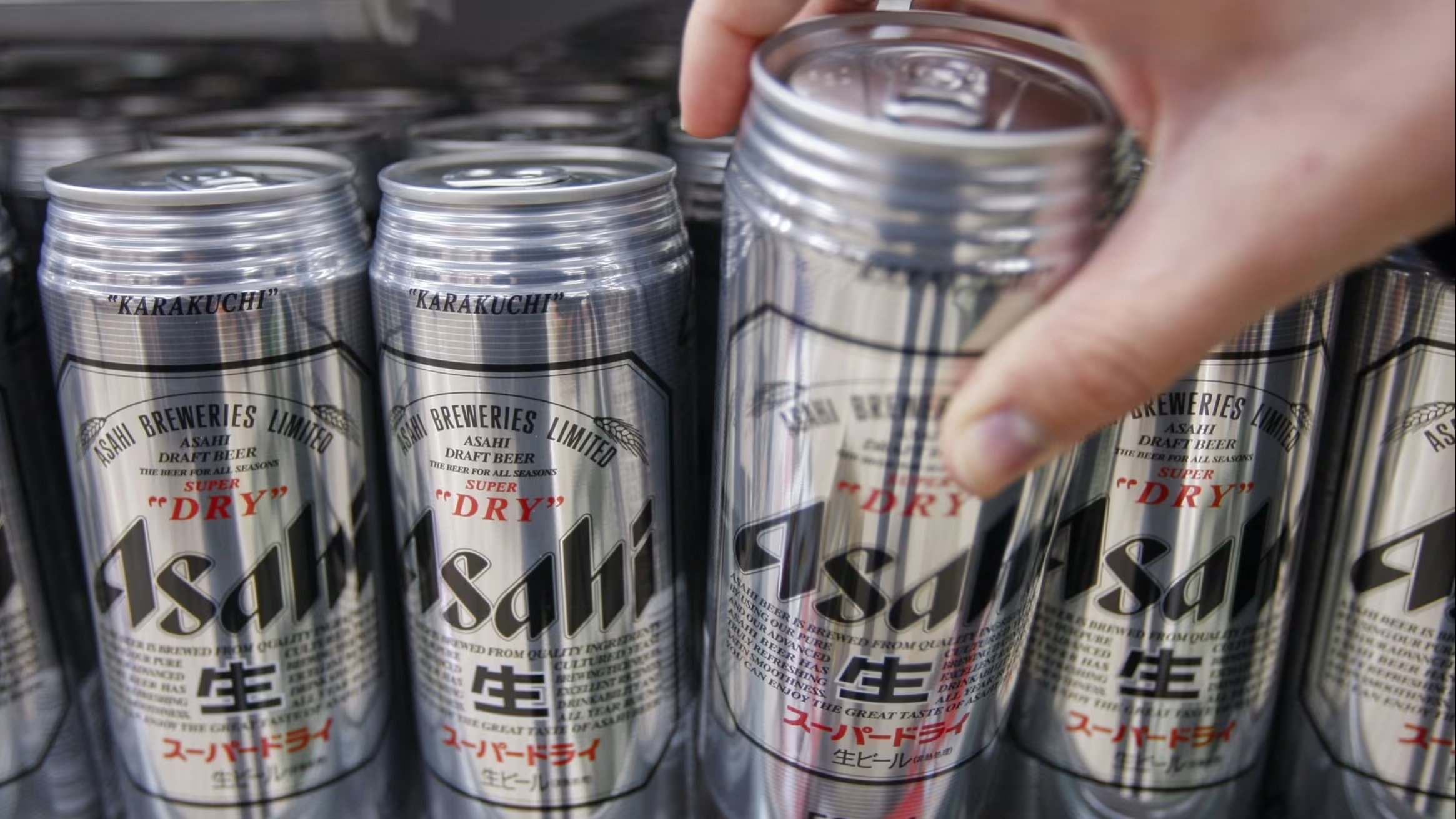
Japan is on the verge of running out of Asahi Super Dry beer due to a cyber attack that disrupted supply chains, highlighting vulnerabilities in the beverage industry.
Keurig Dr Pepper plans to acquire European coffee company JDE Peet’s for $18 billion, aiming to split into two focused beverage companies—one on coffee and the other on soft drinks—effectively undoing its 2018 merger with Dr Pepper. The deal reflects shifts in consumer demand and challenges in the coffee industry, with the new focus on coffee innovation and growth, pending regulatory approval expected in 2026.
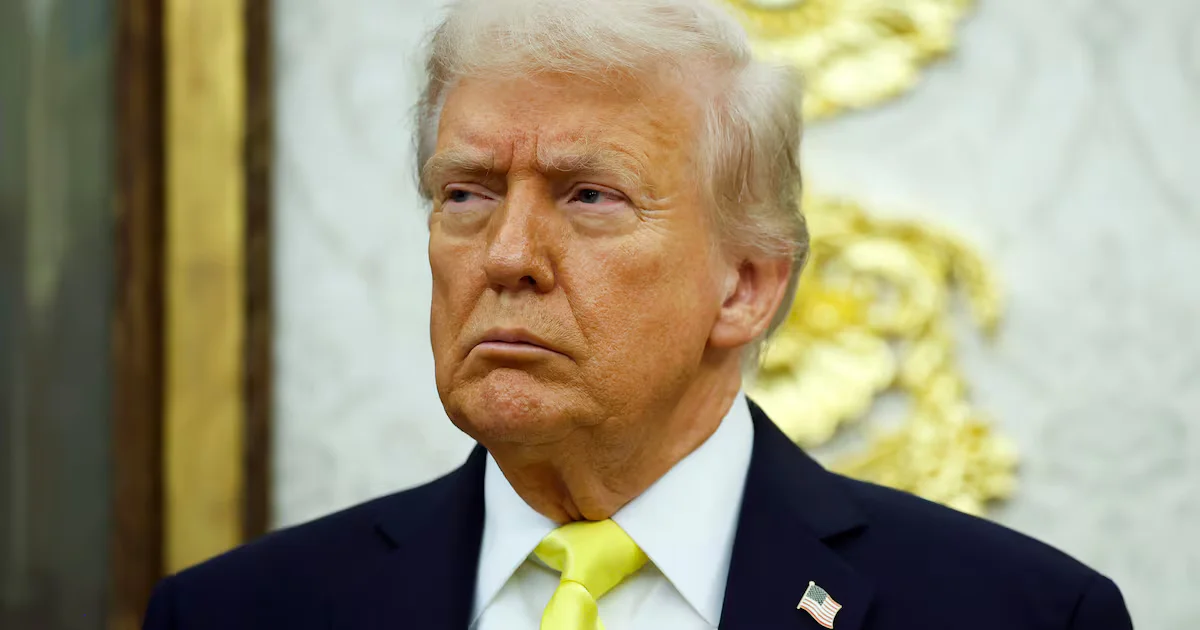
President Trump announced that Coca-Cola will start using real cane sugar in its US products, moving away from high fructose corn syrup, possibly in response to consumer demand and health considerations, though details on recipe changes are yet to be clarified.
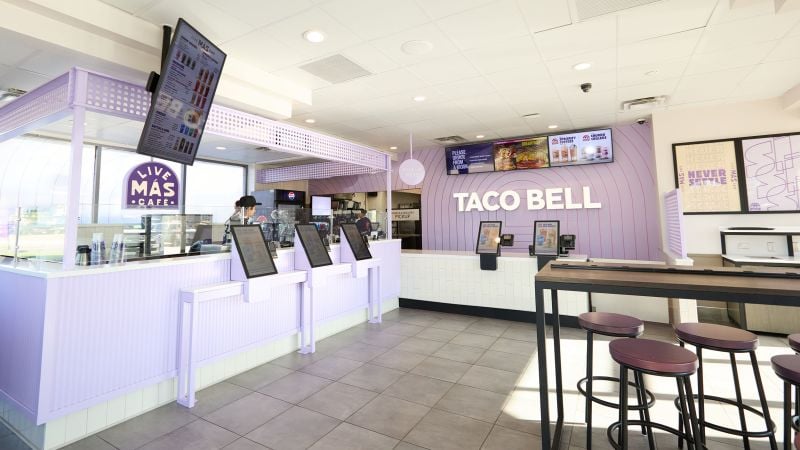
Taco Bell is testing a new concept called Live Más Café in San Diego, focusing on a beverage-centric menu that includes milkshakes, coffees, and fruity iced drinks. This move aims to tap into the growing beverage market dominated by chains like Starbucks and Dunkin'. The café is part of Taco Bell's strategy to diversify its audience and disrupt the beverage industry, leveraging its strong performance within Yum Brands. The concept was developed with Diversified Restaurant Group, a major Taco Bell franchisee.
Todd O'Gara, founder of Austin-based Wanu Water, is facing charges of wire fraud for allegedly defrauding investors out of millions by misrepresenting the company's value and doctoring purchase orders. Despite Wanu Water's financial struggles since 2019, O'Gara reportedly exaggerated investor commitments and misused funds, leading to a projected loss of nearly $4 million. If convicted, he could face up to 20 years in prison. O'Gara denies the charges and awaits trial.
Alex Cooper, host of "Call Her Daddy," is launching Unwell Hydration, an electrolyte drink in partnership with Nestlé, set to debut on January 1. The drink, aimed primarily at women, will be low in sugar, contain B vitamins, and be available in flavors like strawberry and mango citrus. This move aligns with a trend of celebrities entering the beverage market, following successful ventures like Prime Hydration by Logan Paul and KSI. Cooper's company has also filed a trademark for "Popular Vodka by Unwell," indicating potential expansion into alcoholic beverages.
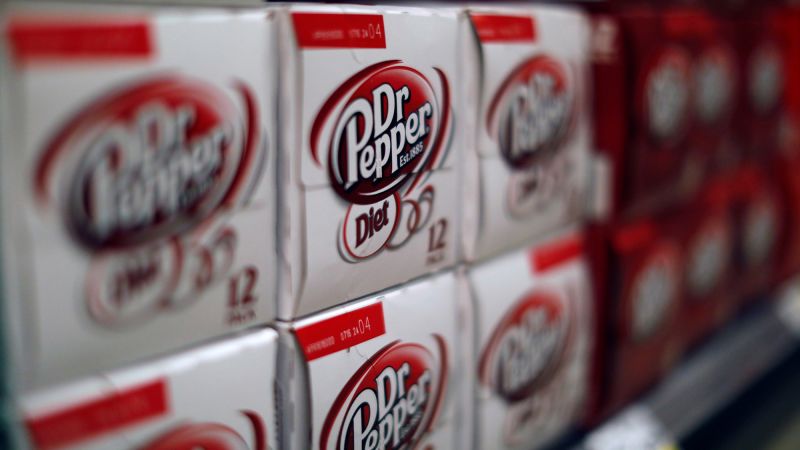
Dr Pepper has surpassed Pepsi to become the second most popular soda brand in the U.S. in 2023, according to Beverage Digest. Both brands hold around 8.3% of the market, with Dr Pepper slightly ahead, while Coke remains the leader with 19.2%. Dr Pepper's rise is attributed to its innovative limited edition flavors.
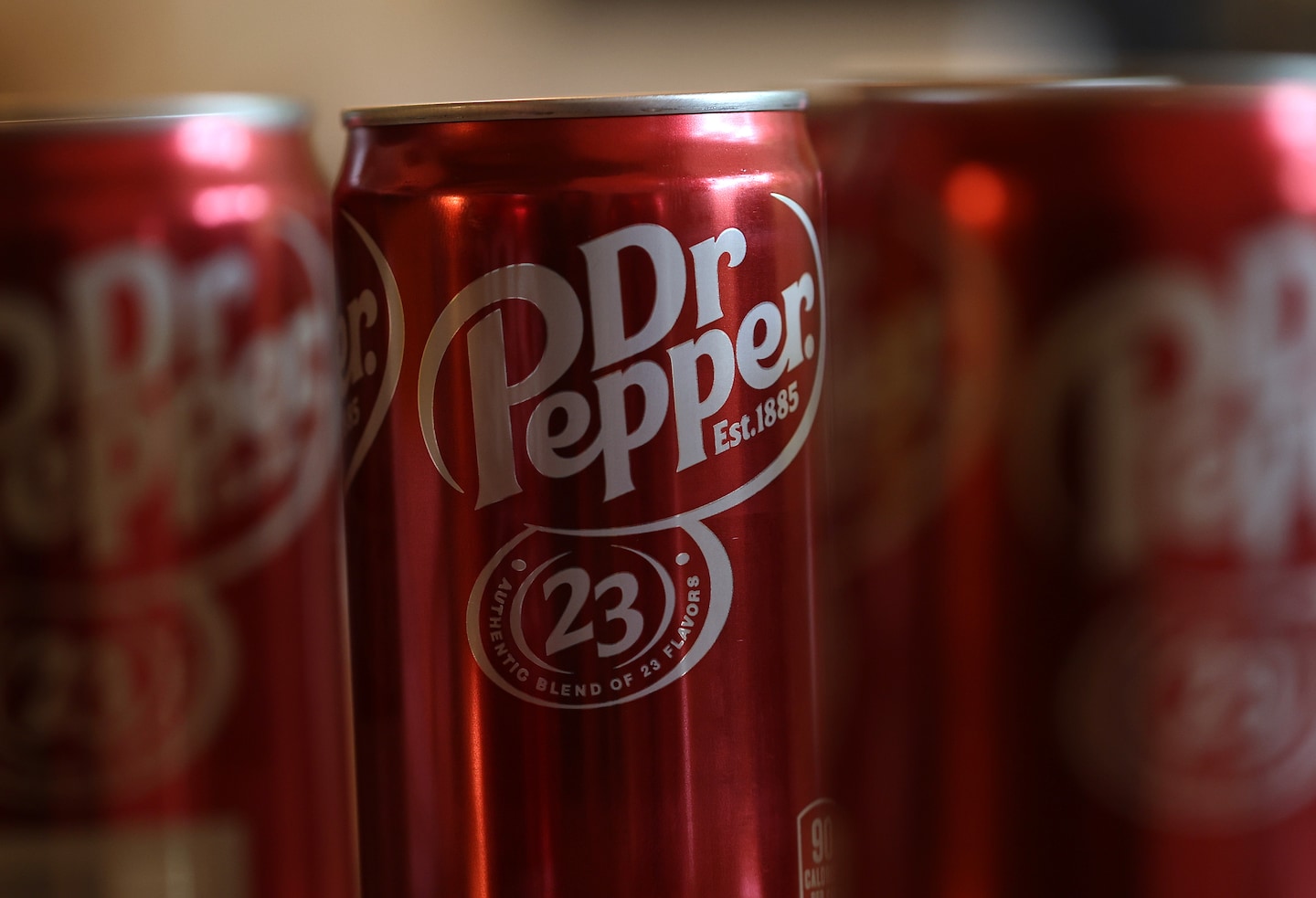
Dr Pepper has now matched Pepsi as the second-best-selling soda in the U.S., each holding 8.3% of the market, while Coca-Cola leads with 19.2%. Known for its mysterious blend of 23 flavors, Dr Pepper's rise in popularity contrasts with Pepsi's decline, surprising even its most dedicated fans. The drink's origins trace back to 1885 in Waco, Texas, where it was created by pharmacist Charles Alderton.
Dr Pepper has surpassed Pepsi to become the second biggest soda brand in the U.S., according to Beverage Digest. While Coca-Cola remains the market leader with a 19.2% share, Dr Pepper and Pepsi both hold 8.3%, with Dr Pepper slightly ahead. Dr Pepper's rise is attributed to its unique flavor offerings and successful marketing strategies, while Pepsi's focus on other brands and zero sugar lines may have contributed to its decline.
Dr Pepper has surpassed Pepsi to become the second largest soda brand in the U.S., according to Beverage Digest. While Coca-Cola remains the market leader, Dr Pepper and Pepsi both hold 8.3% of the market, with Dr Pepper slightly ahead. Dr Pepper's rise is attributed to its unique flavor offerings and successful marketing strategies, while Pepsi's focus on other brands and zero sugar lines may have contributed to its decline.
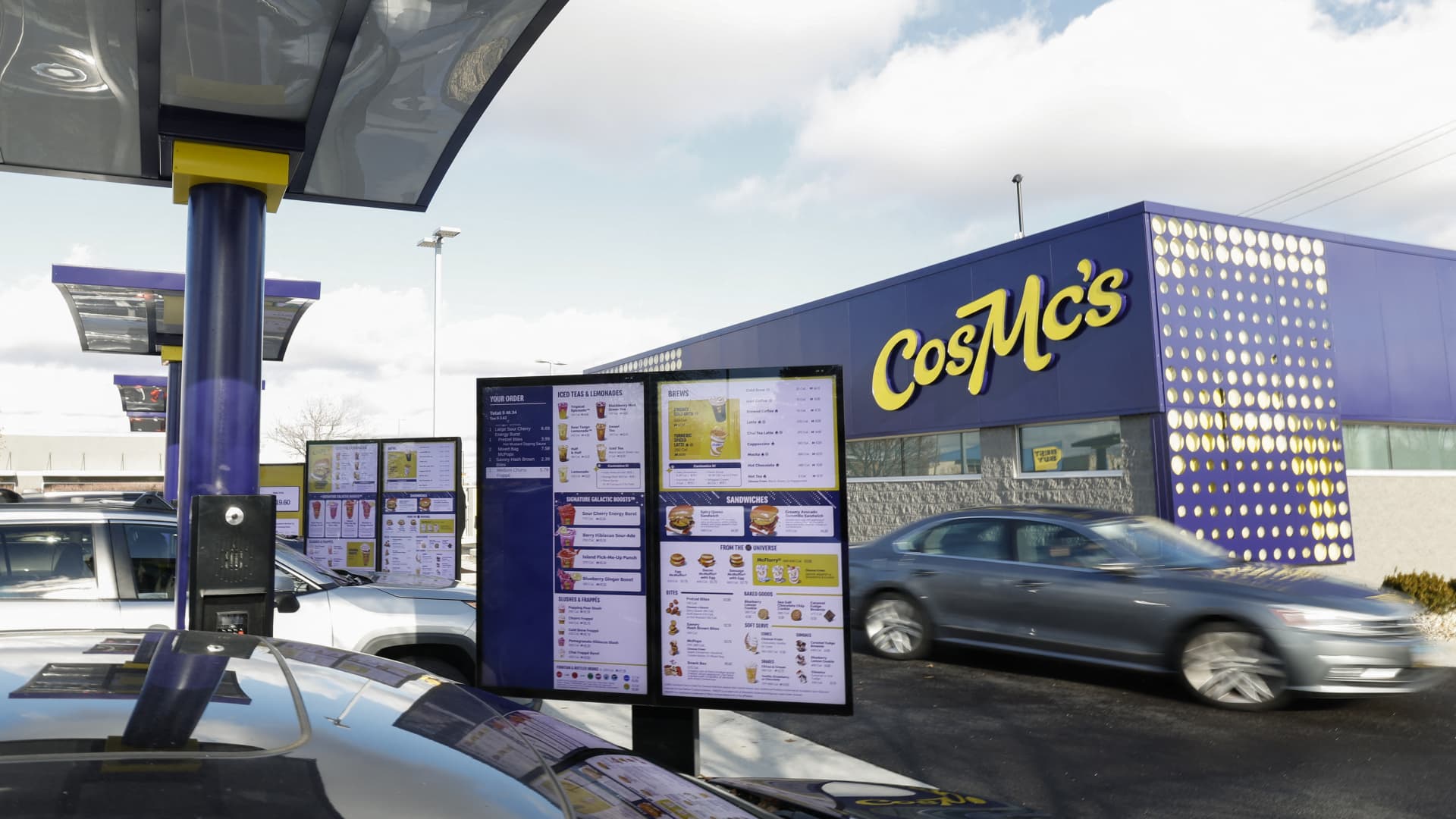
McDonald's new spinoff, CosMc's, focuses on customizable drinks and coffee to attract younger consumers. Despite initial buzz, interest has waned, but the brand's test phase with 10 locations, mostly in Texas, continues. The initiative, including a new mobile app and loyalty program, aims to provide valuable consumer insights, even if it doesn't expand further.