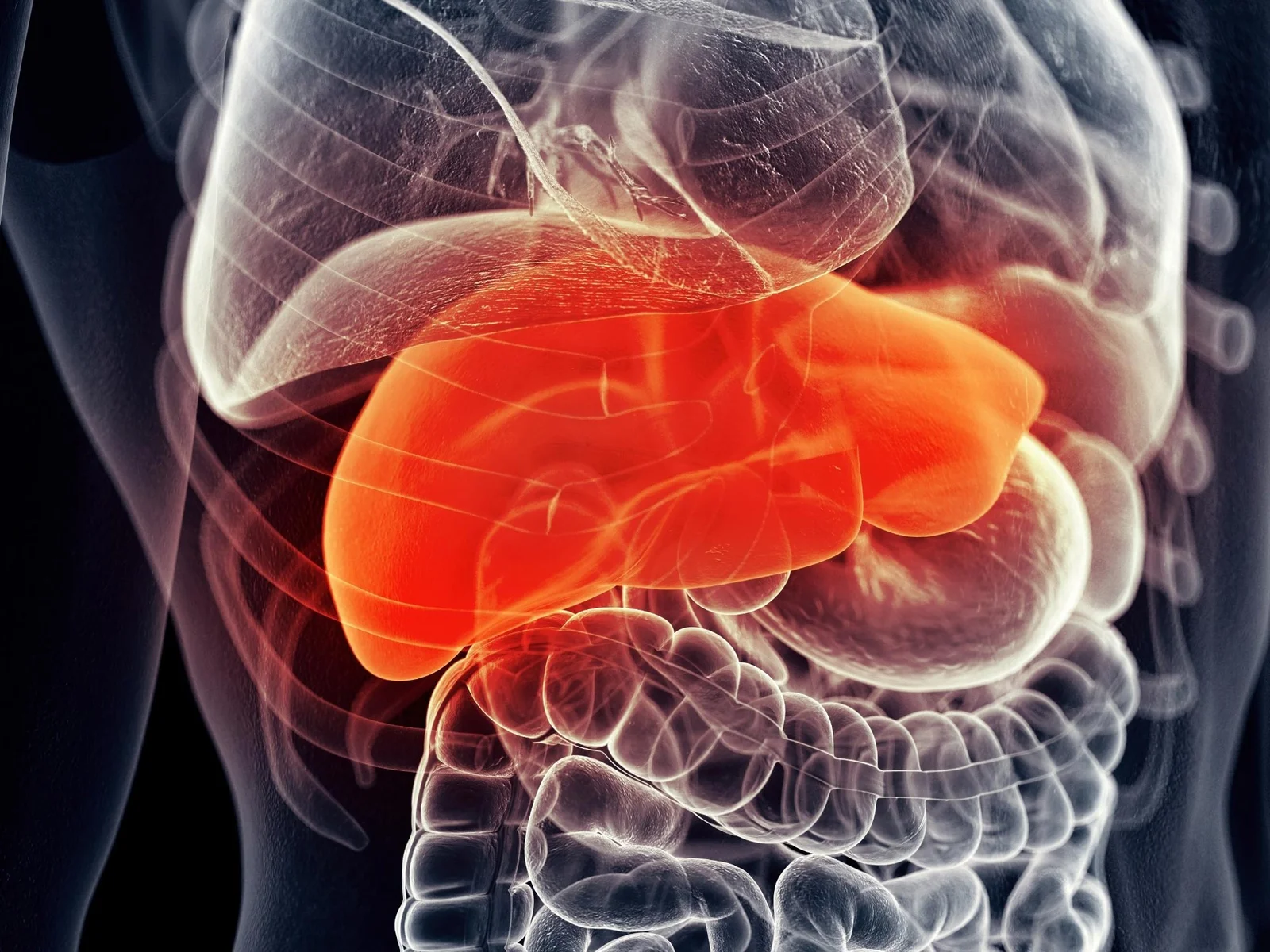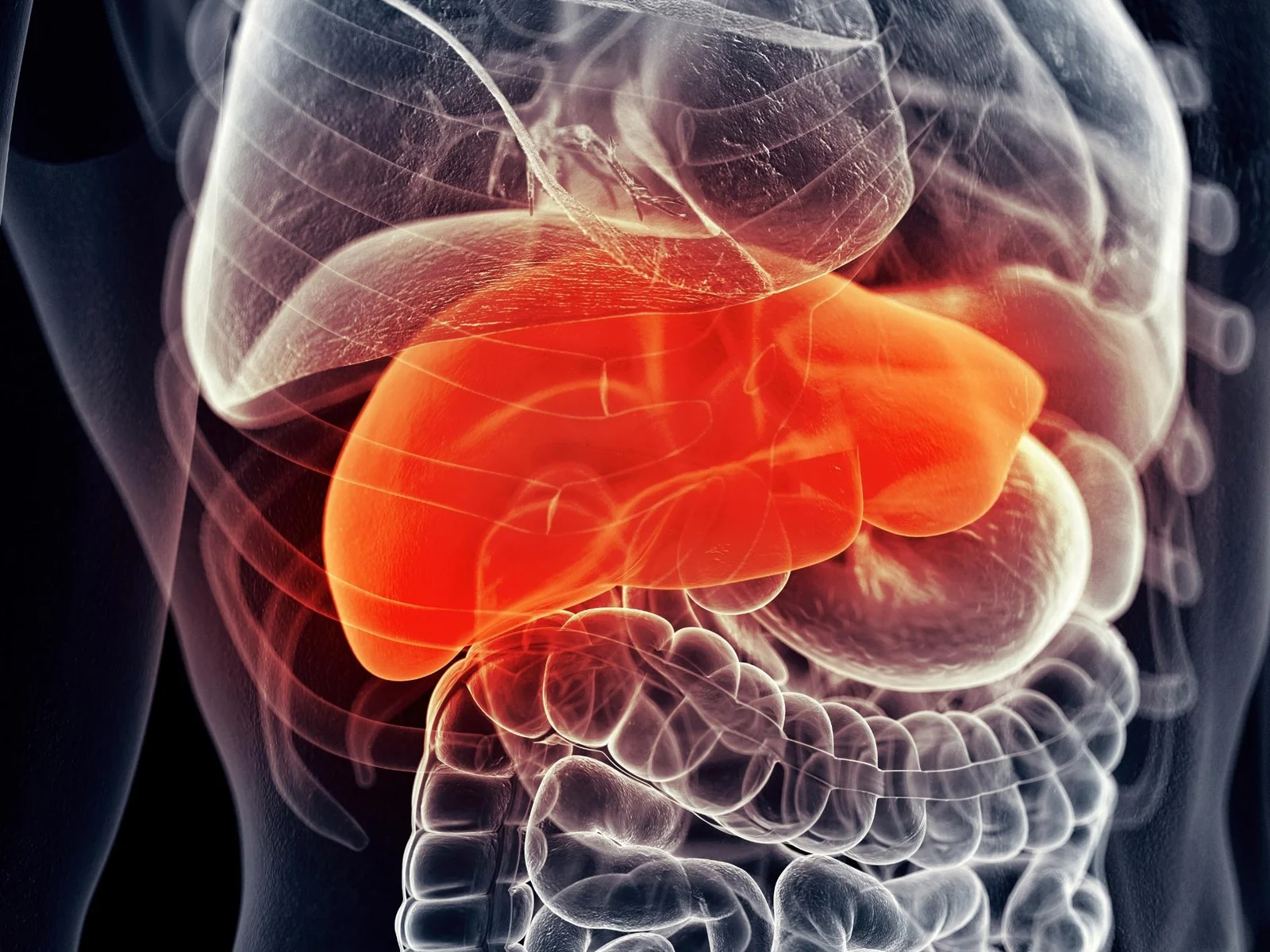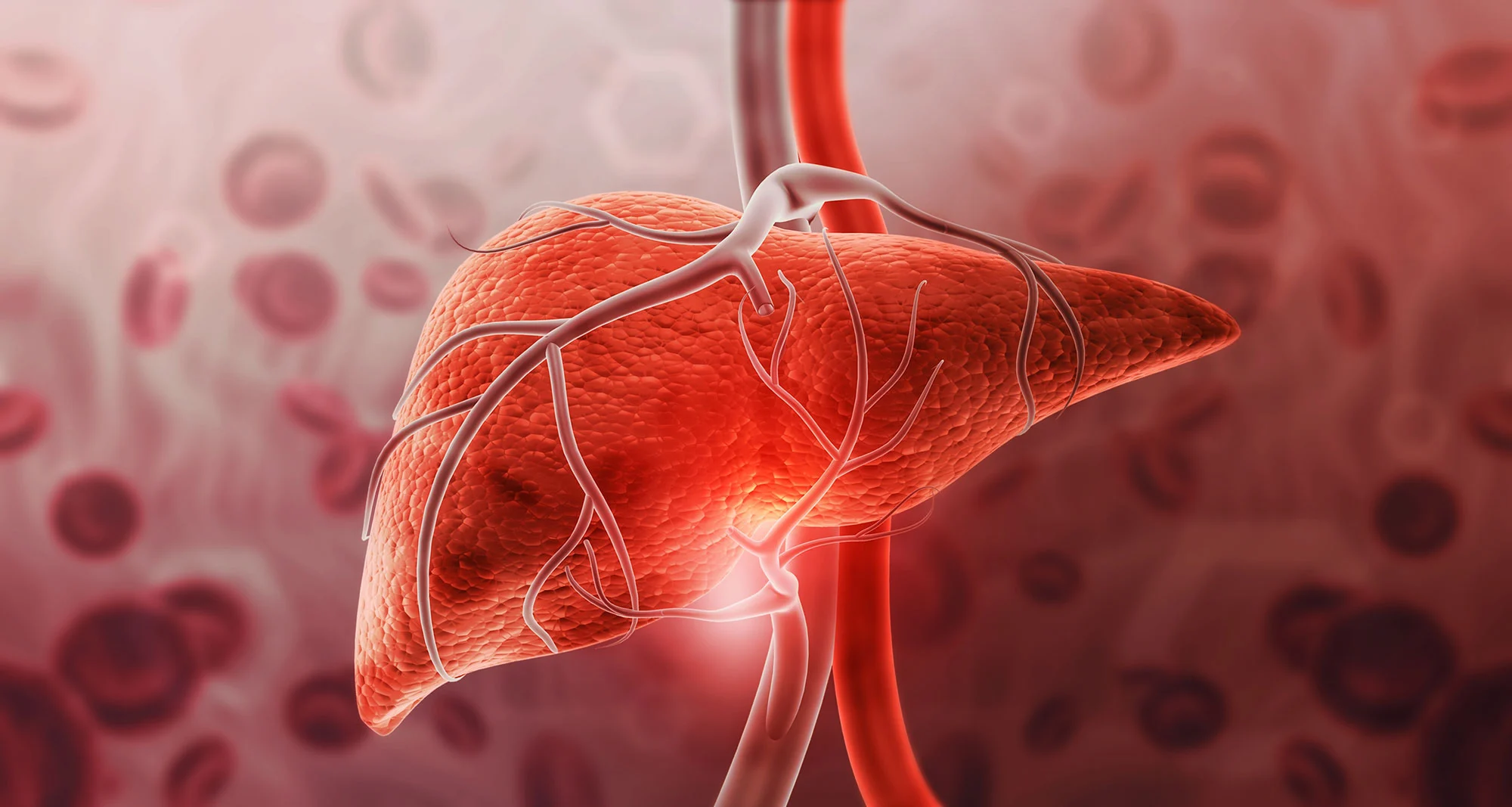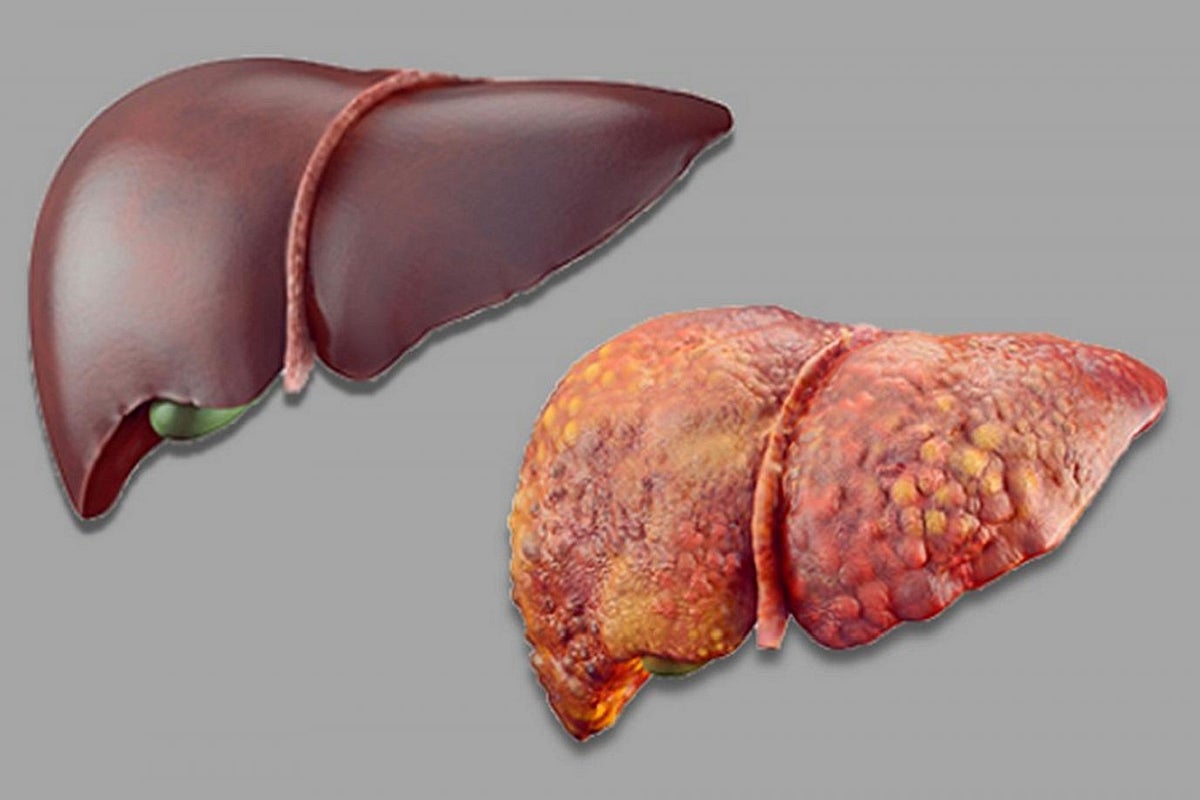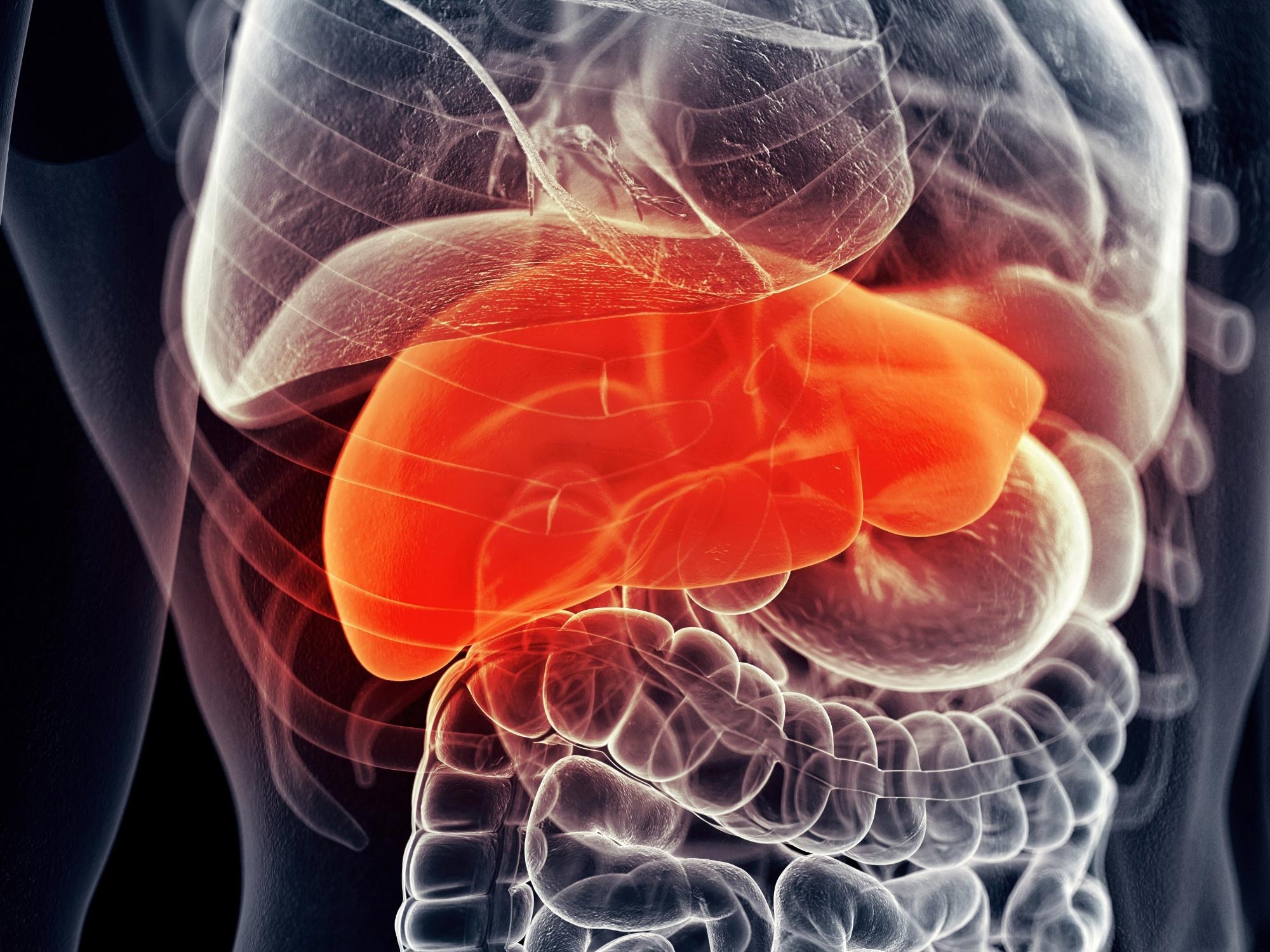
As the new year approaches, experts highlight the significant impact of alcohol on health, including the risk of severe liver disease with as few as two drinks per day for women and three for men, with women experiencing double the liver toxicity; alcohol-related liver disease has increased during the COVID-19 pandemic, and the only effective treatment is abstinence.
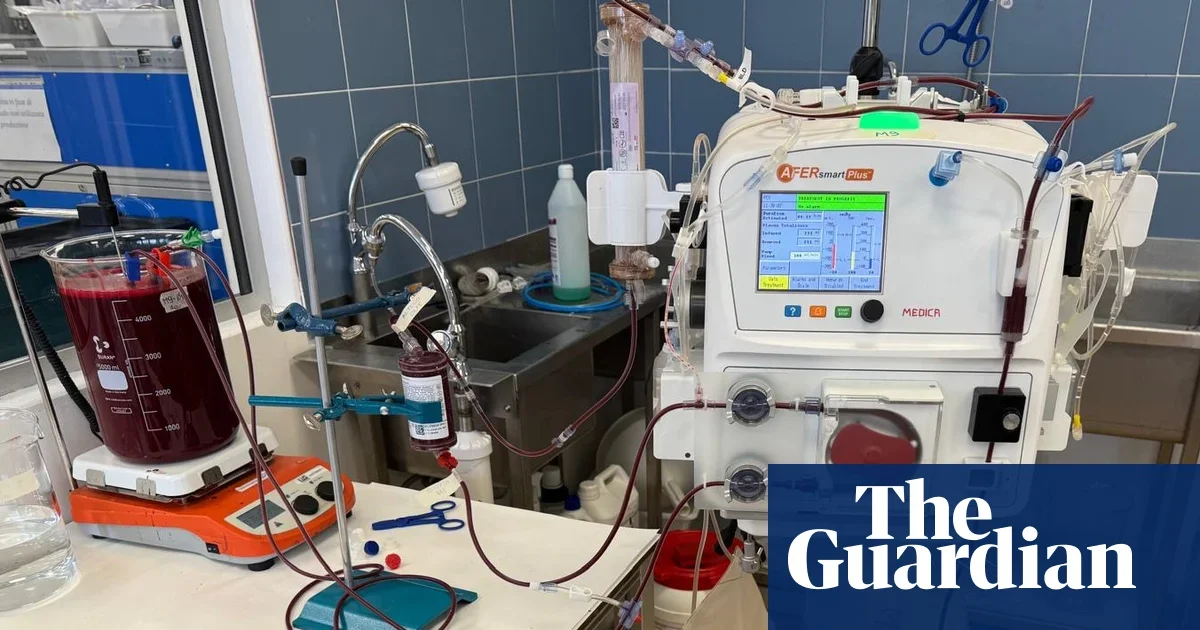
The NHS is launching a trial of Dialive, a device that cleans blood in patients with severe liver failure (ACLF), aiming to improve survival rates and potentially replace liver transplants, with promising early results and global significance.
A study links exposure to tetrachloroethylene (PCE), a chemical used in dry cleaning and consumer products, to a threefold increase in the risk of liver fibrosis among US adults, highlighting environmental toxins as a significant health concern and prompting regulatory review.
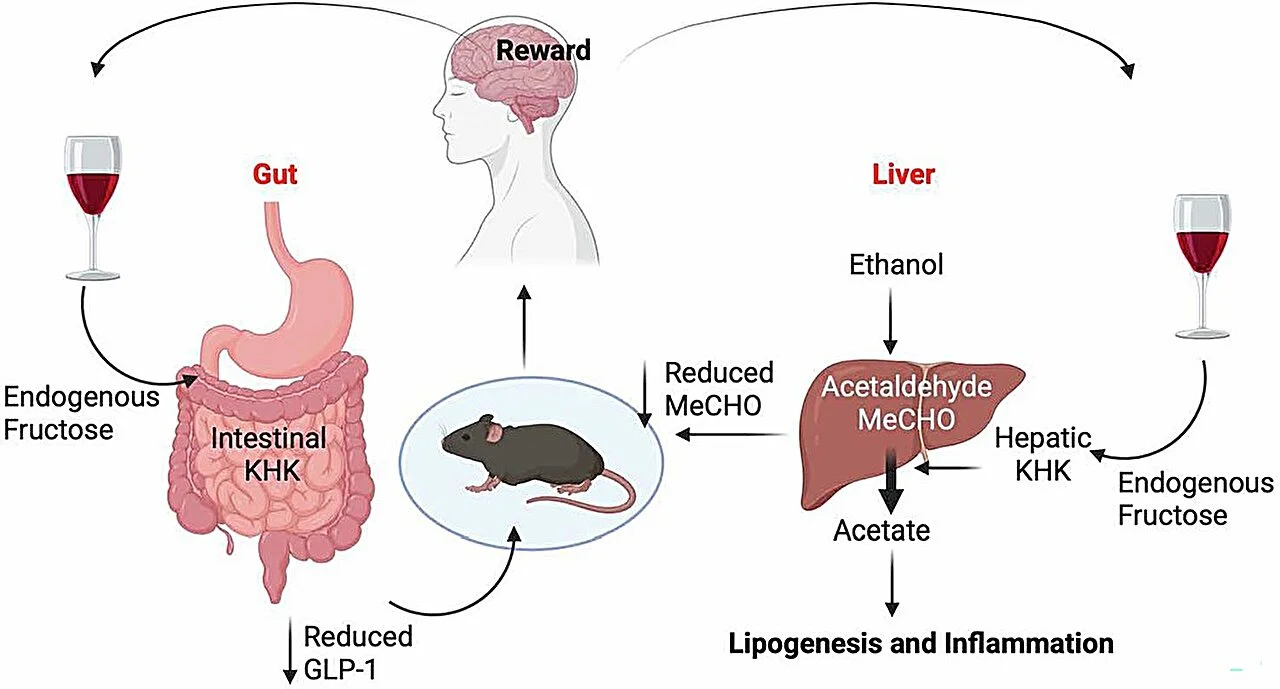
Scientists have discovered that the enzyme ketohexokinase (KHK) plays a key role in alcohol addiction and liver damage by promoting fructose production during alcohol metabolism, and blocking this enzyme could lead to new treatments for these conditions.
A study links the chemical tetrachloroethylene (PCE), used in dry cleaning and household products, to a threefold increased risk of liver fibrosis, suggesting environmental toxins may significantly contribute to liver disease beyond traditional causes like alcohol and obesity.
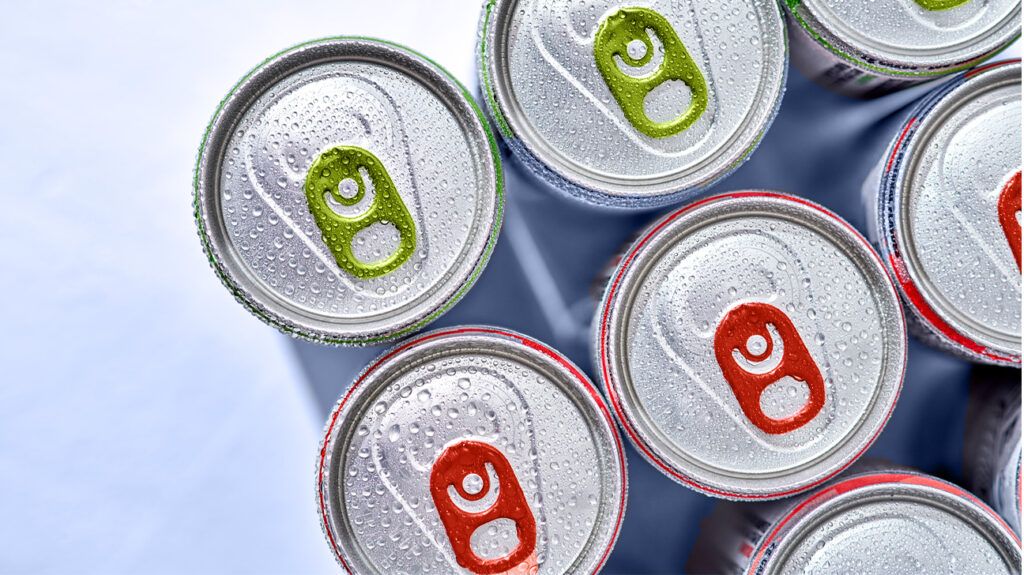
A large study links both sugary and diet (low-calorie) drinks to increased risk of fatty liver disease, suggesting water as the safest beverage choice to reduce liver health risks.
A new study from Karolinska Institutet introduces a simple blood test, called the CORE model, that can predict the risk of severe liver disease up to 10 years in advance, potentially enabling earlier intervention and treatment in primary healthcare settings.
A study shows that increasing dietary fiber, especially inulin-rich vegetables like garlic and onions, can prevent or reverse fatty liver disease caused by high fructose intake by altering gut bacteria, particularly Bacteroides acidifaciens, which helps break down fructose and protect the liver.
UC Irvine researchers found that consuming inulin, a vegetable-derived fiber, can reprogram gut bacteria to reduce fructose's harmful effects on the liver, potentially reversing fatty liver disease and insulin resistance, offering new avenues for nutrition-based disease prevention.
Novo Nordisk is acquiring Akero Therapeutics for $4.7 billion to expand its portfolio in obesity-related treatments, focusing on Akero's experimental drug efruxifermin for liver disease, which shows promise in reducing fibrosis in patients with cirrhosis, addressing a significant unmet medical need.
A new study suggests that consuming more than one can of diet or regular soda daily may increase the risk of liver disease (MASLD), with artificially sweetened beverages also linked to higher liver-related mortality. Replacing soda with water could reduce this risk, highlighting the importance of healthier beverage choices for liver health.
A new study suggests that consuming over one can of both regular and diet sodas daily may increase the risk of liver disease, particularly MASLD, with low or non-sugar-sweetened beverages also linked to higher liver-related mortality. The findings challenge the perception that diet drinks are healthier, highlighting the potential liver health risks associated with both types of beverages and emphasizing water as the safest choice.
A study from USC reveals that among patients with MASLD, high blood pressure, pre-diabetes or Type 2 diabetes, and low HDL cholesterol significantly increase the risk of death, with high blood pressure being more deadly than diabetes, highlighting key areas for targeted treatment.
Research highlights the rising impact of alcohol on liver disease, including the effects of moderate drinking and binge patterns, and emphasizes the importance of public health measures like policy restrictions to reduce alcohol consumption and prevent liver-related deaths.
NFL legend Dan Marino was diagnosed with fatty liver disease (MASH) in 2007, which he attributes to lifestyle changes after retirement. He is now sharing his story to raise awareness about the importance of diet and exercise in managing the condition, emphasizing support from loved ones and the potential for reversal through healthy habits.