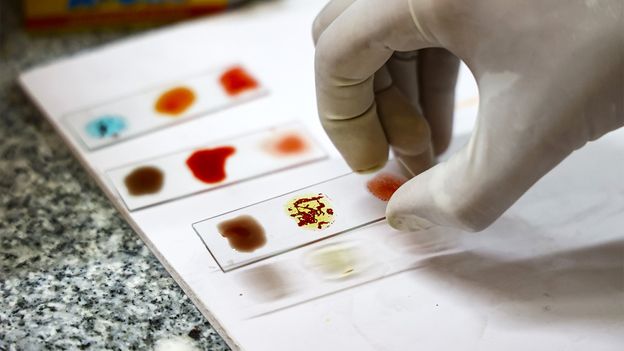
Rh null blood, the rarest blood type, lacks all Rh antigens and is highly valuable for transfusions due to its universal compatibility, but creating lab-grown Rh null blood remains a complex challenge involving advanced stem cell technology and gene editing.
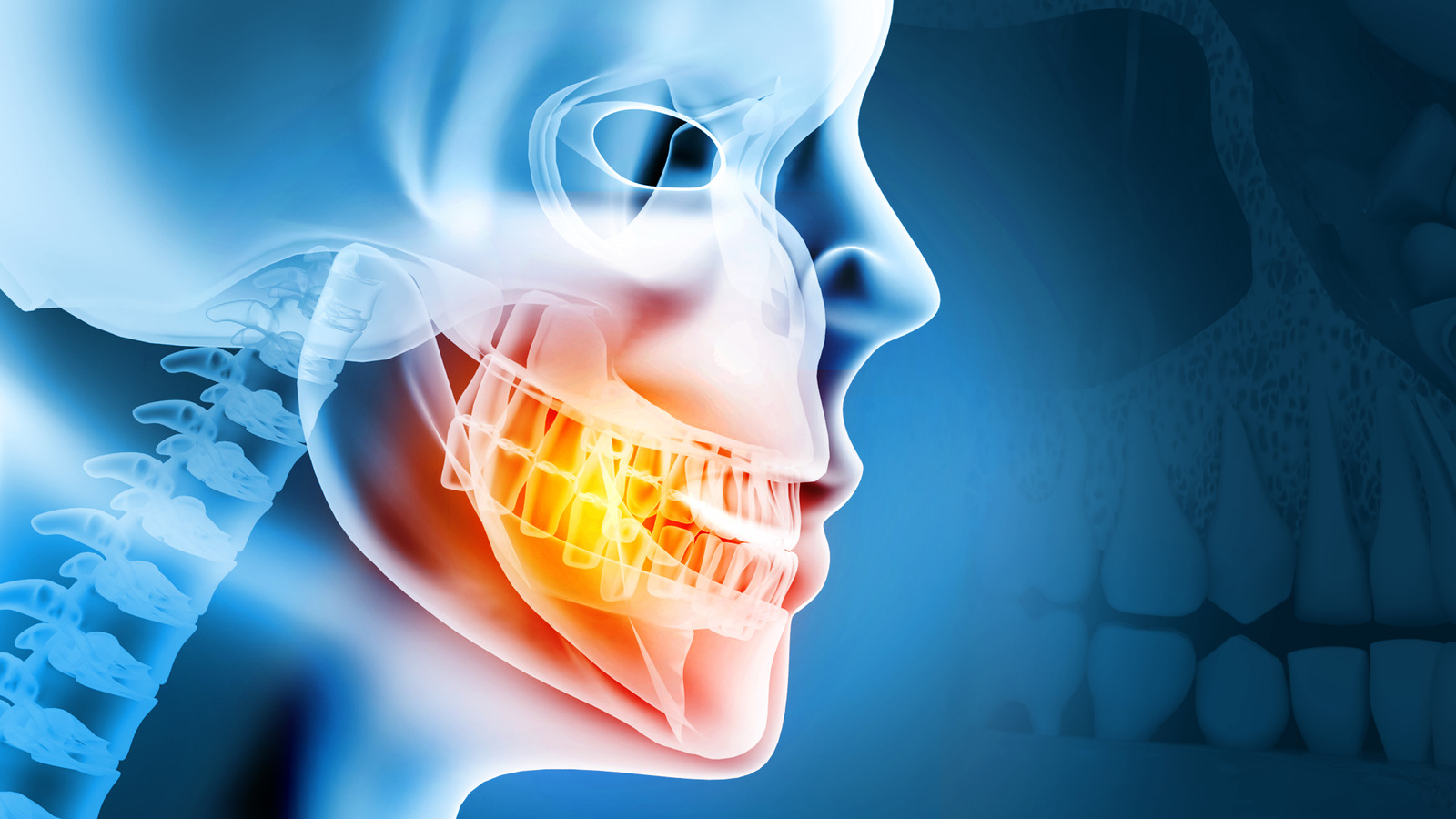
Stem cell research has identified two types of cells that could potentially lead to the regeneration of teeth and bone, representing a significant breakthrough in regenerative medicine.
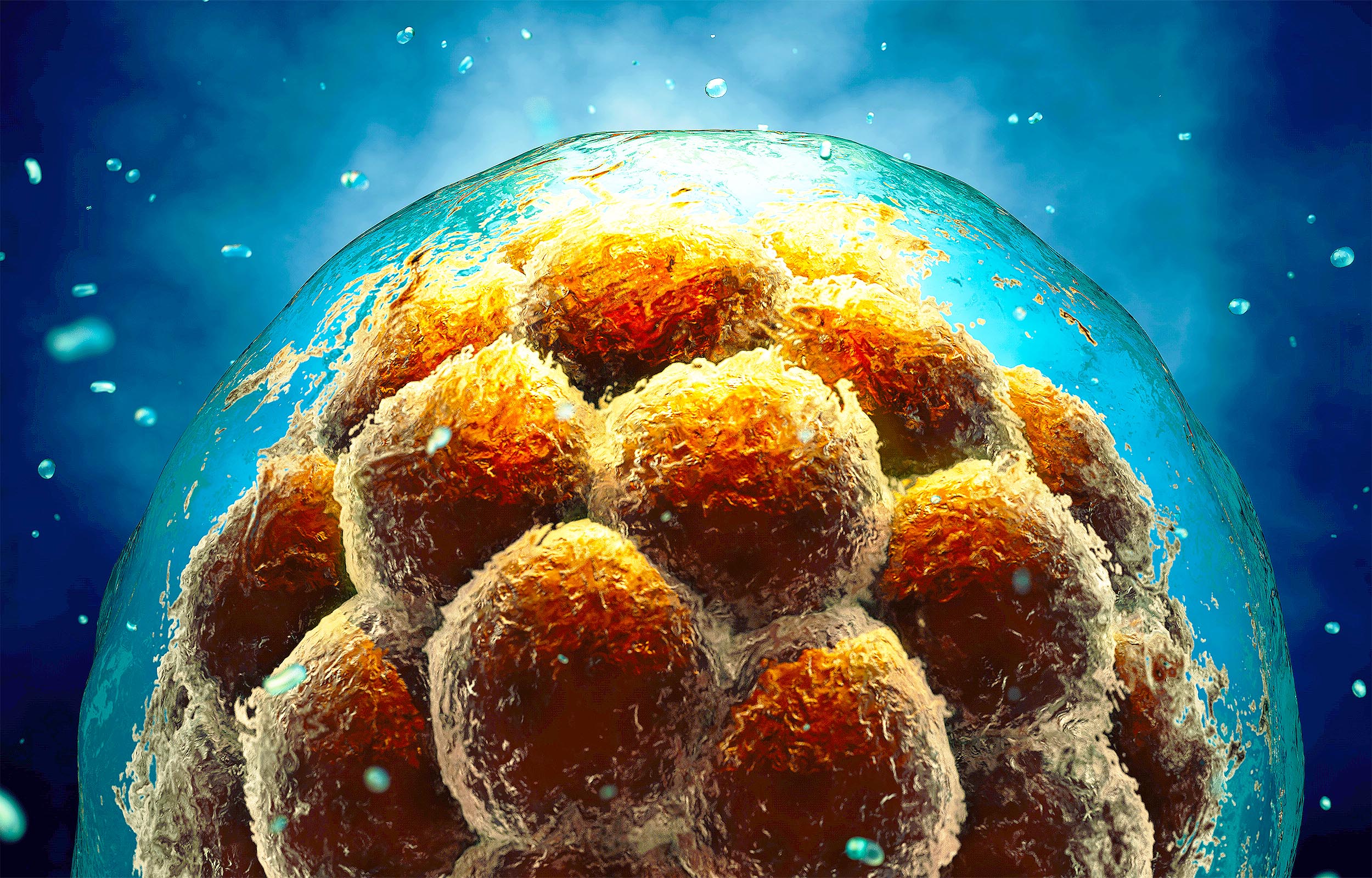
Research suggests that remnants of ancient viral DNA, specifically the LTR5Hs gene, play a crucial role in early human embryonic development by influencing tissue formation and gene regulation, highlighting how viral elements have been repurposed in human evolution.
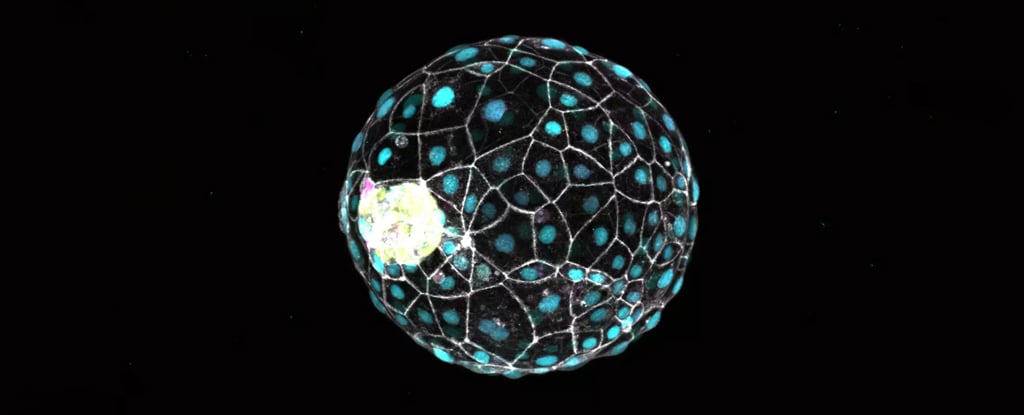
A new tracking technology called LoxCode allows scientists to label and follow individual cells in mouse embryos with unprecedented detail, revealing early lineage biases and asymmetries that influence body part development, with potential applications in medicine and developmental biology.
Ali Rose Modica, a healthy 5-year-old from Staten Island, suffered a hypoxic brain injury due to complications from the influenza virus, leading to cardiac arrest. Her parents are now seeking medical professionals specializing in stem cell research to aid in her recovery. They are also raising funds through a GoFundMe campaign to support her therapy and potential treatments. The family hopes to spread awareness and find resources to help Ali regain her motor skills and independence.
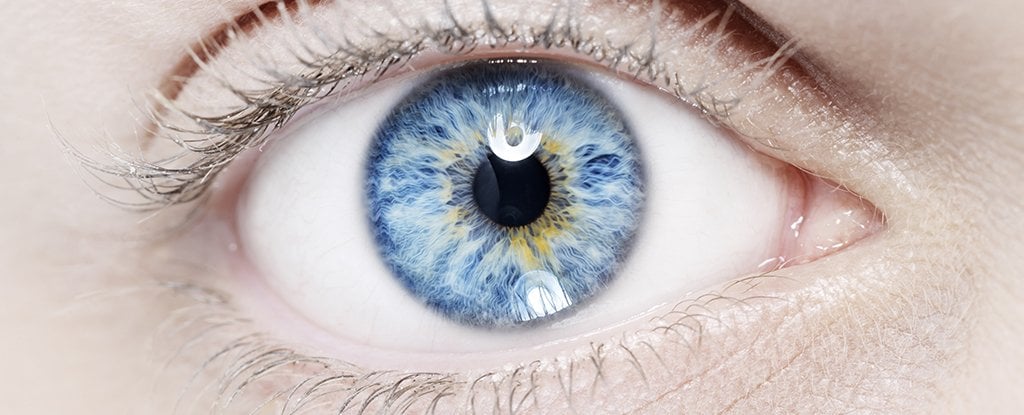
A groundbreaking clinical trial in Japan has successfully used induced pluripotent stem cells (iPSCs) to restore vision in patients with limbal stem cell deficiency (LSCD), a condition causing corneal damage. The trial involved transplanting iPSC-derived corneal epithelial cell sheets onto the corneas of four patients, resulting in significant vision improvements for three of them. This marks a world-first achievement in stem cell research, offering hope for new treatments for corneal vision loss, though further research is needed to ensure safety and efficacy.
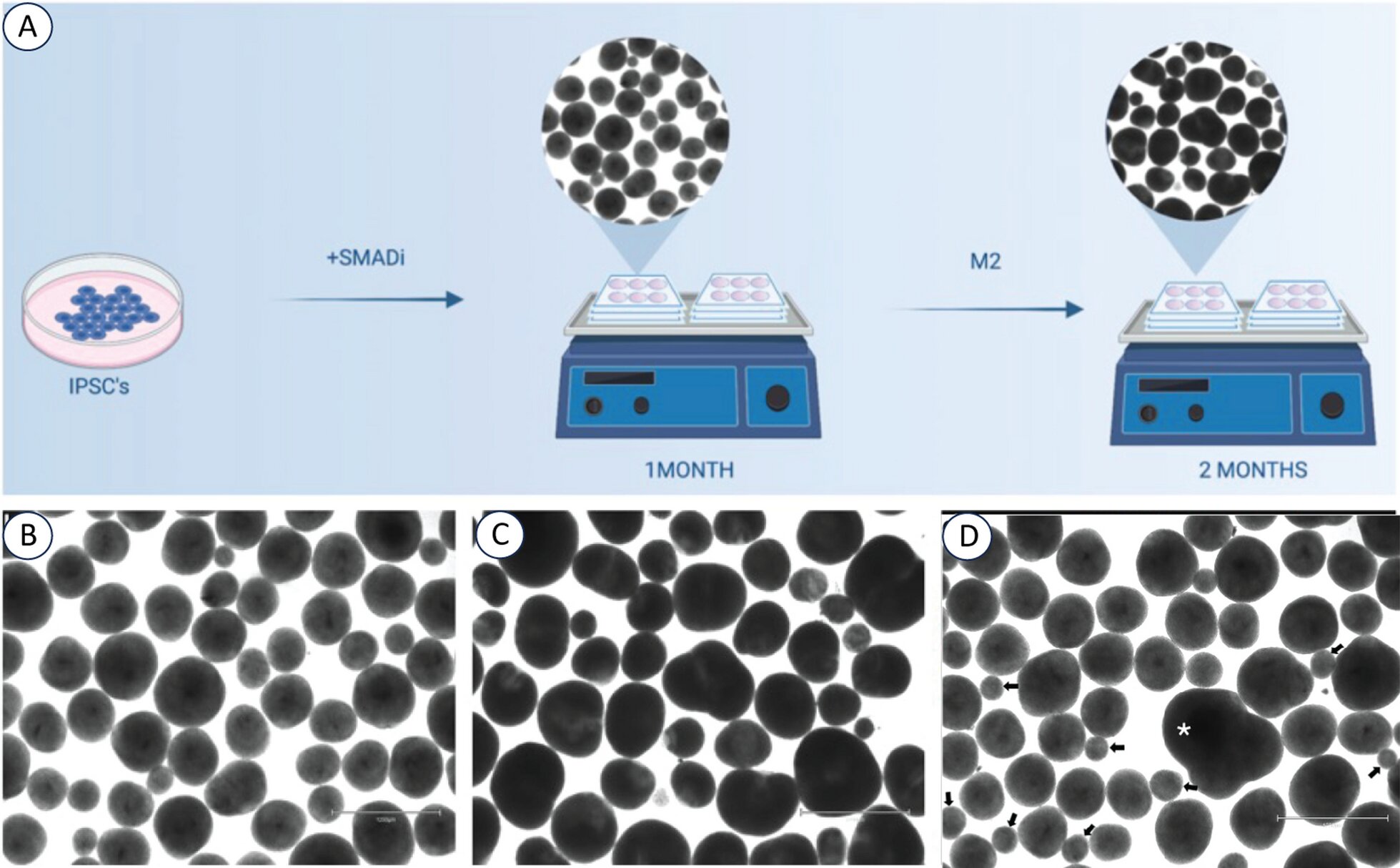
A study by University of California San Diego researchers has found that brain overgrowth in utero is linked to the severity of autism symptoms. Using brain cortical organoids (BCOs) created from stem cells of toddlers with autism, the study revealed that larger BCOs correlated with more severe social and language difficulties. This discovery could lead to prenatal identification and potential therapies for autism.
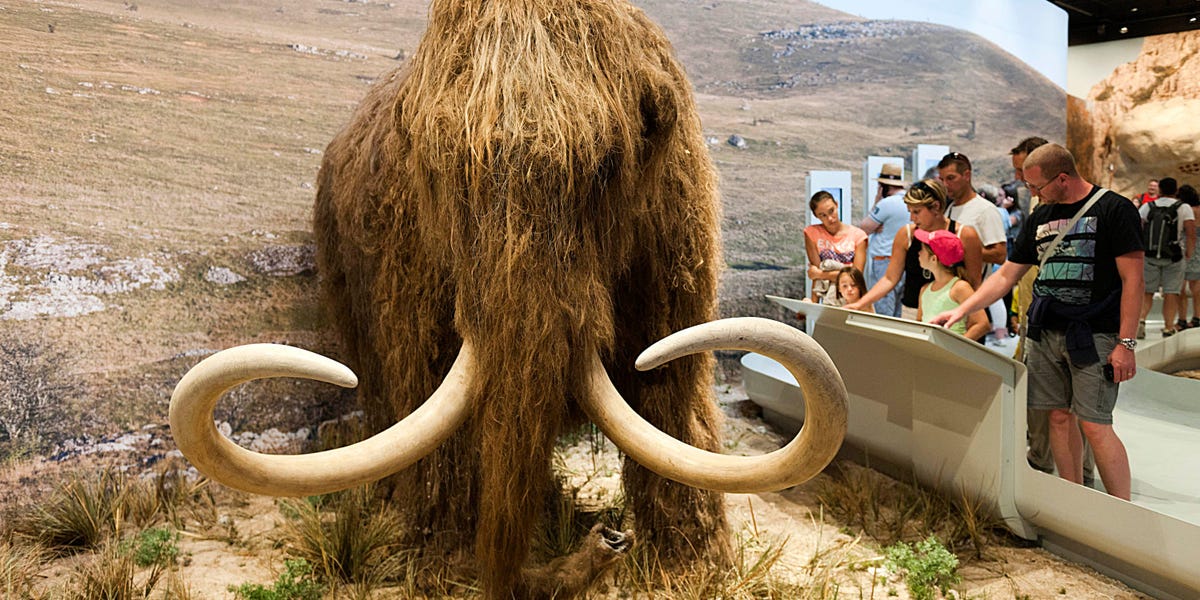
Colossal Biosciences, a startup aiming to revive the woolly mammoth, has made a significant breakthrough in creating reprogrammed elephant stem cells, bringing the revival of extinct species closer to reality. The company hopes to use this technology to bolster biodiversity and aid species on the brink of extinction, with plans to bring back the woolly mammoth and the dodo. By 2028, they aim to create a mammoth-like, gene-edited creature through IVF. This breakthrough could also aid in studying and preserving endangered species, including elephants, and offers potential insights into the developmental biology of elephants and extinct species.
Scientists have successfully derived induced pluripotent stem cells (iPSCs) from Asian elephants, a breakthrough that brings the de-extinction of woolly mammoths closer. These cells will allow researchers to investigate mammoth adaptations and test gene edits without taking tissue from living animals. The breakthrough also sheds light on early development in elephants, a crucial aspect of mammoth de-extinction. Reprogramming elephant cells into iPSCs has applications beyond de-extinction, potentially aiding elephant conservation efforts.
Scientists at Bar-Ilan University have successfully grown artificial testes from mice cells in a lab, offering potential for treating male infertility in the future. This breakthrough, while not the first of its kind, could provide significant advancements in addressing male fertility issues, which affect a substantial percentage of men globally. Although the lab-grown testicles have not yet produced sperm, this achievement represents a significant step forward in the field of stem cell research and could lead to further developments in in vitro reproduction.
Researchers at UCLA have made progress in developing stem cell therapies for regenerating skeletal muscle in humans. By transplanting lab-grown muscle stem cells into mice, they discovered the importance of the stem cell "niche" in supporting the survival and function of the cells. Removing existing stem cells and optimizing the muscle niche allowed the transplanted cells to persist and repair muscle injuries. The study highlights the need to optimize both the muscle niche and the muscle progenitor cells themselves for successful stem cell therapies in the future.
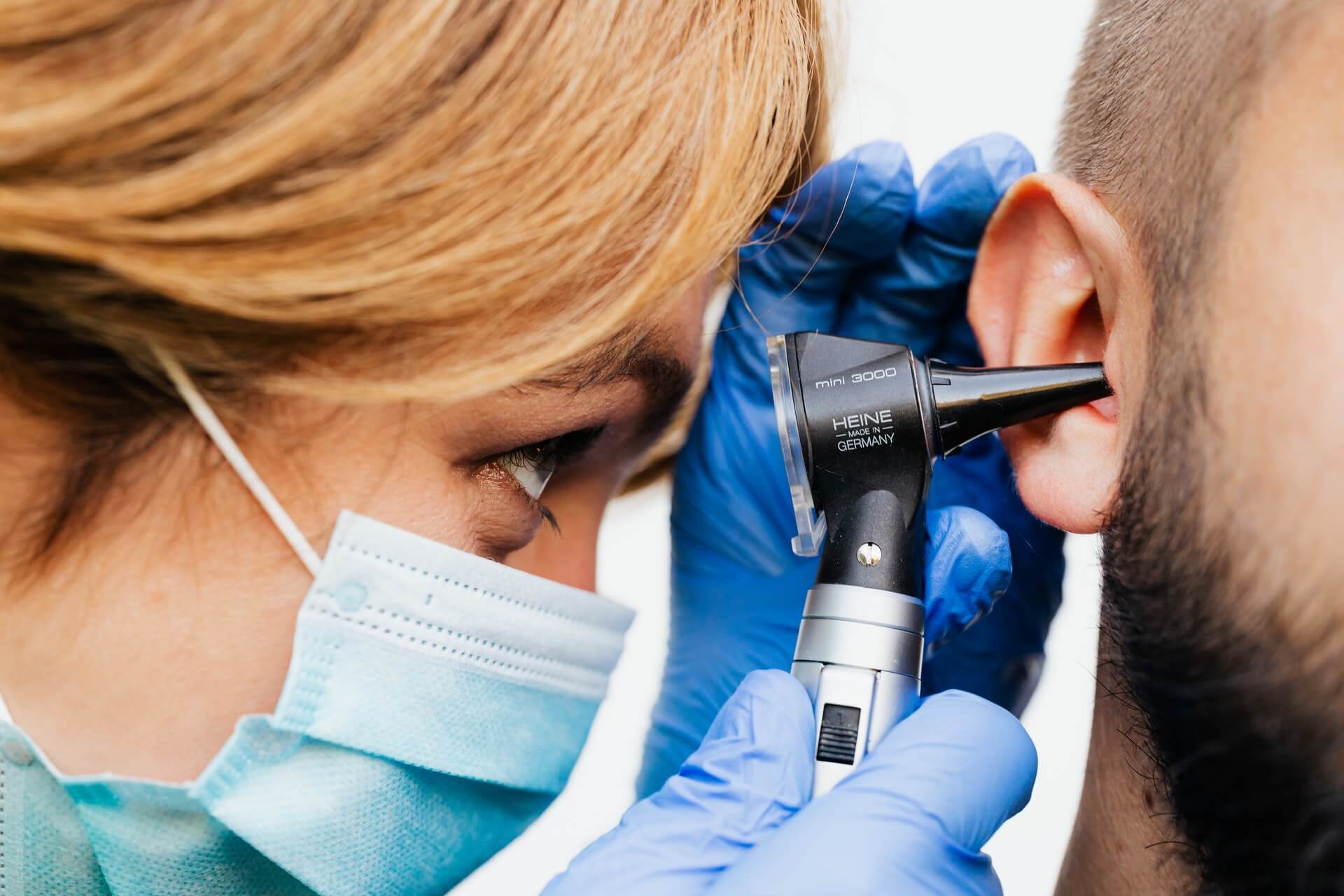
Two new studies conducted by stem cell scientists at the University of Southern California have shed light on the potential for regenerative hearing treatments that could cure deafness. The research focuses on understanding the process of gene silencing in the inner ear and how it can be reversed to regenerate sensory hearing cells. The studies identify key genes, Sox4 and Sox11, that play a role in the development of sensory hearing cells and suggest that manipulating these genes could promote the recovery of sensory hearing cells in the mature inner ear. The findings offer hope for future treatments to reverse hearing loss.
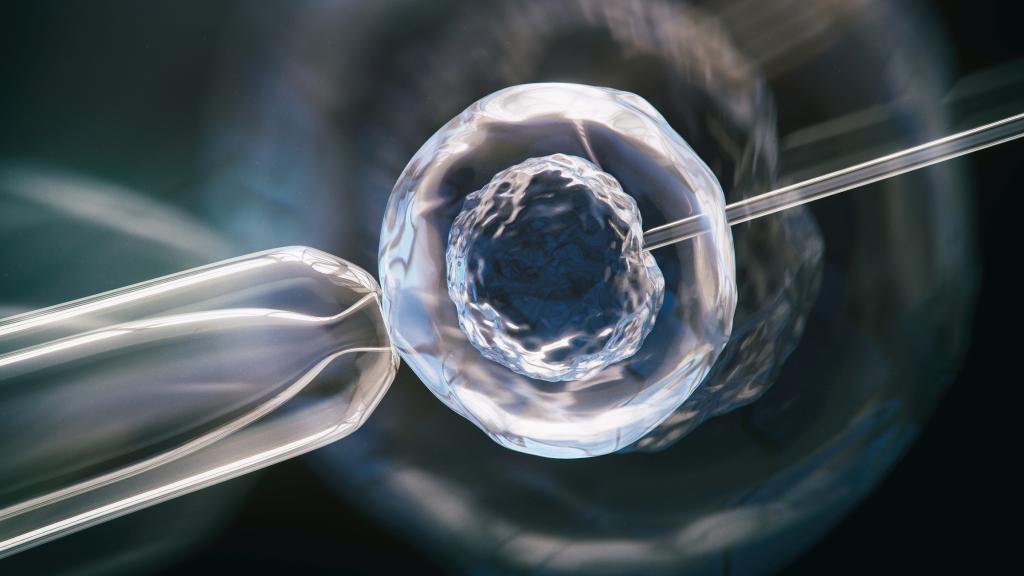
Scientists have created synthetic human embryos without using sperm or an egg, using stem cells. The breakthrough could offer insights into genetic disorders, miscarriages, and other medical issues. However, the development presents ethical and legal challenges, and voluntary guidelines may be needed to manage the use of synthetic embryo models in research settings. It would be illegal to implant a synthetic embryo into a woman, but similar work has been done using animal embryos.
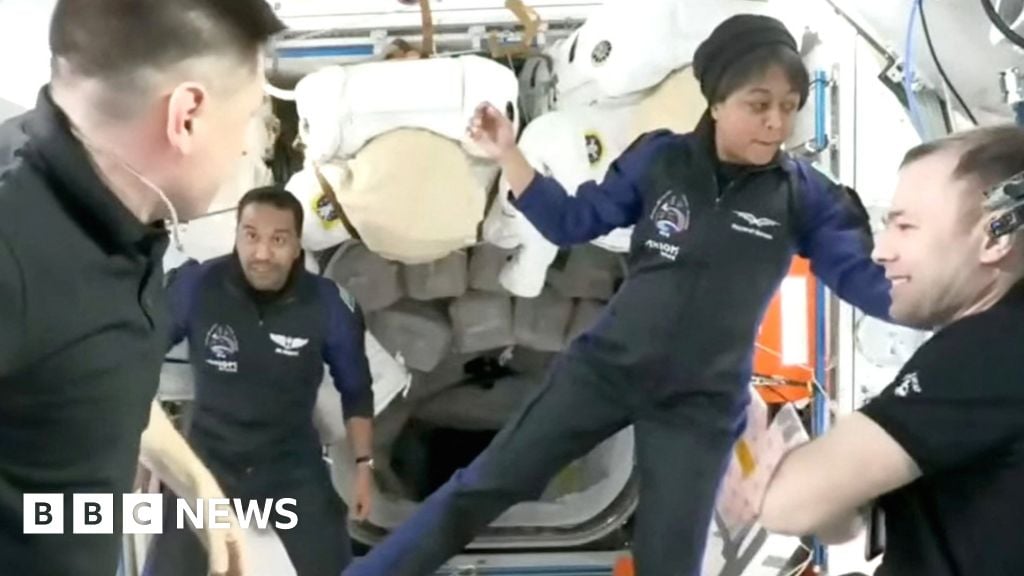
Rayyanah Barnawi, the first female Arab astronaut, has reached the International Space Station (ISS) as part of Axiom Space's second private mission. During her 10-day stay, the biomedical scientist plans to conduct stem cell and breast cancer research. She hopes to inspire women from all backgrounds in the Middle East. The crew will conduct over 20 science and technology experiments, including the effects of space on human health and rain-seeding technology.
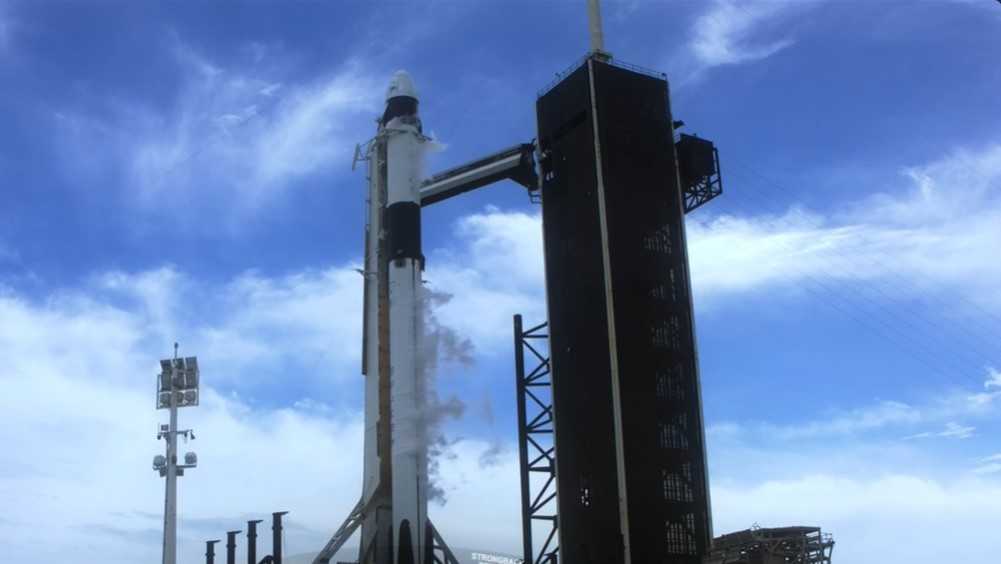
Axiom 2, the second all-commercial mission to the International Space Station, has launched from the Kennedy Space Center. The mission is commanded by former NASA astronaut Peggy Whitson and includes the first Saudi woman to fly into space. The crew will be responsible for 20 science experiments, including stem cell research, during their 10-day stay on the ISS. Axiom uses these commercial missions to build experience with SpaceX and NASA as it works toward building its own commercial space station.