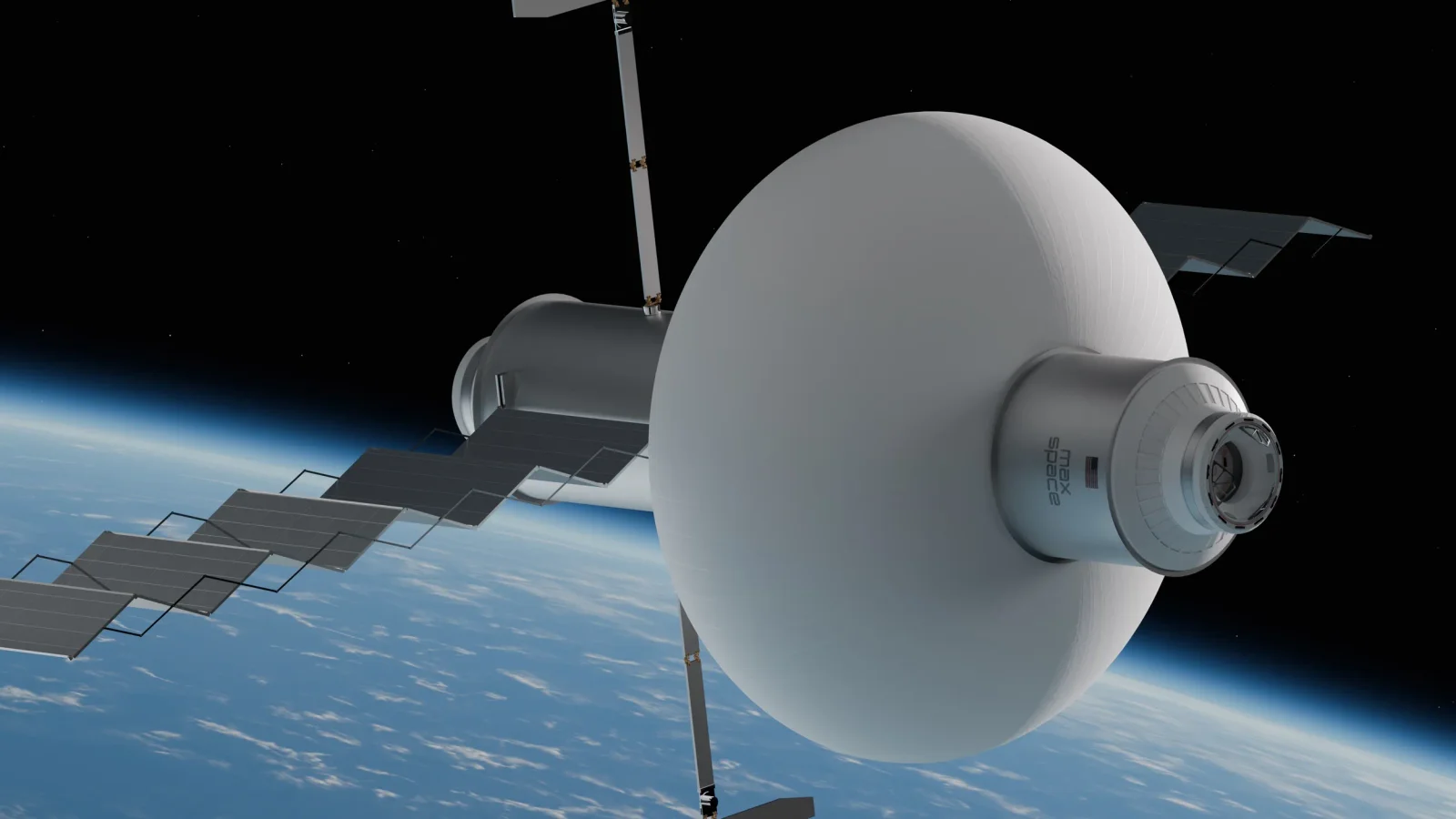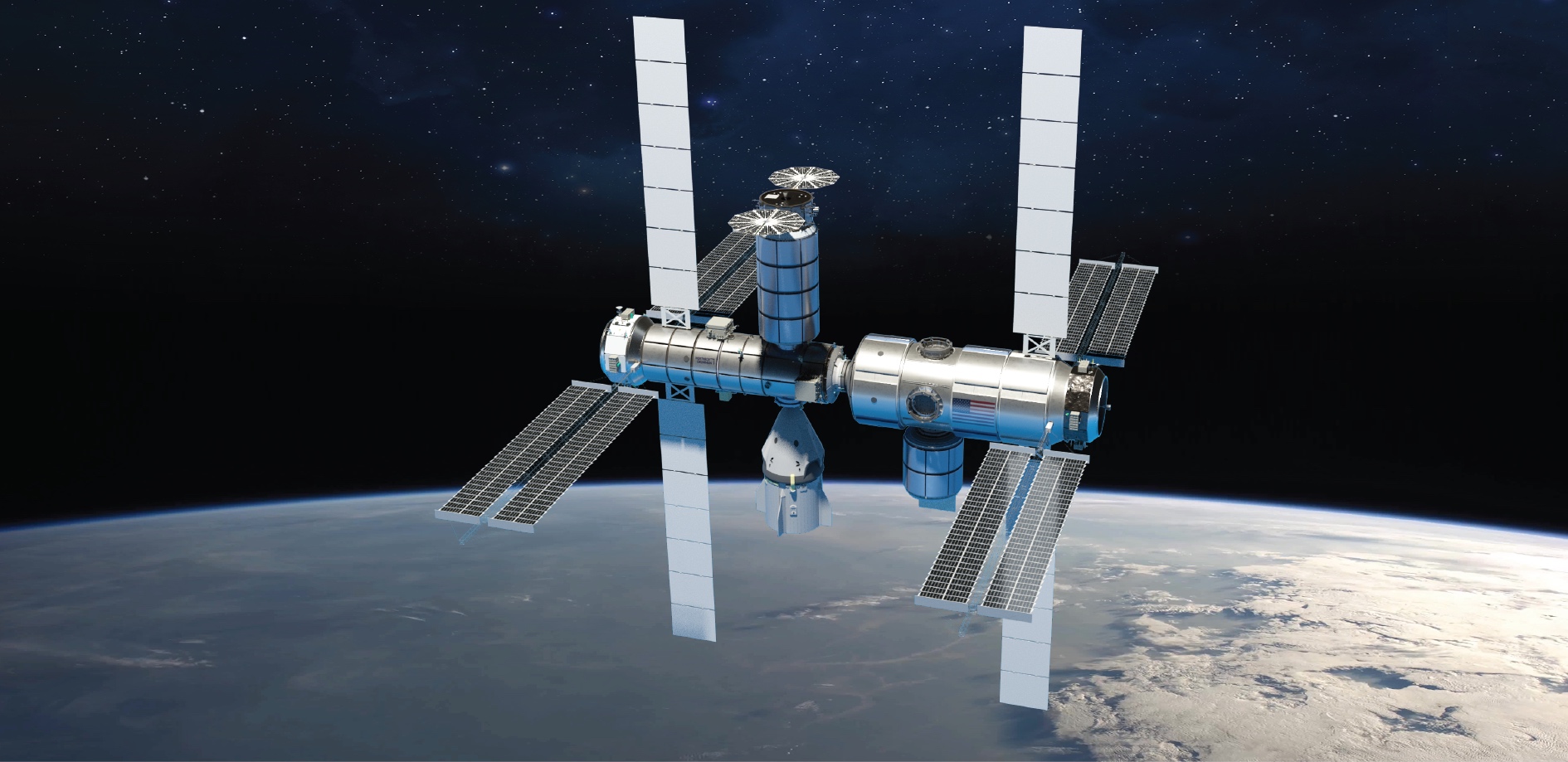
Max Space plans to develop Thunderbird Station, a scalable, expandable commercial space station that can launch on a single Falcon 9 rocket, supporting four people and supporting in-space manufacturing and research, with a prototype set to launch in 2027.
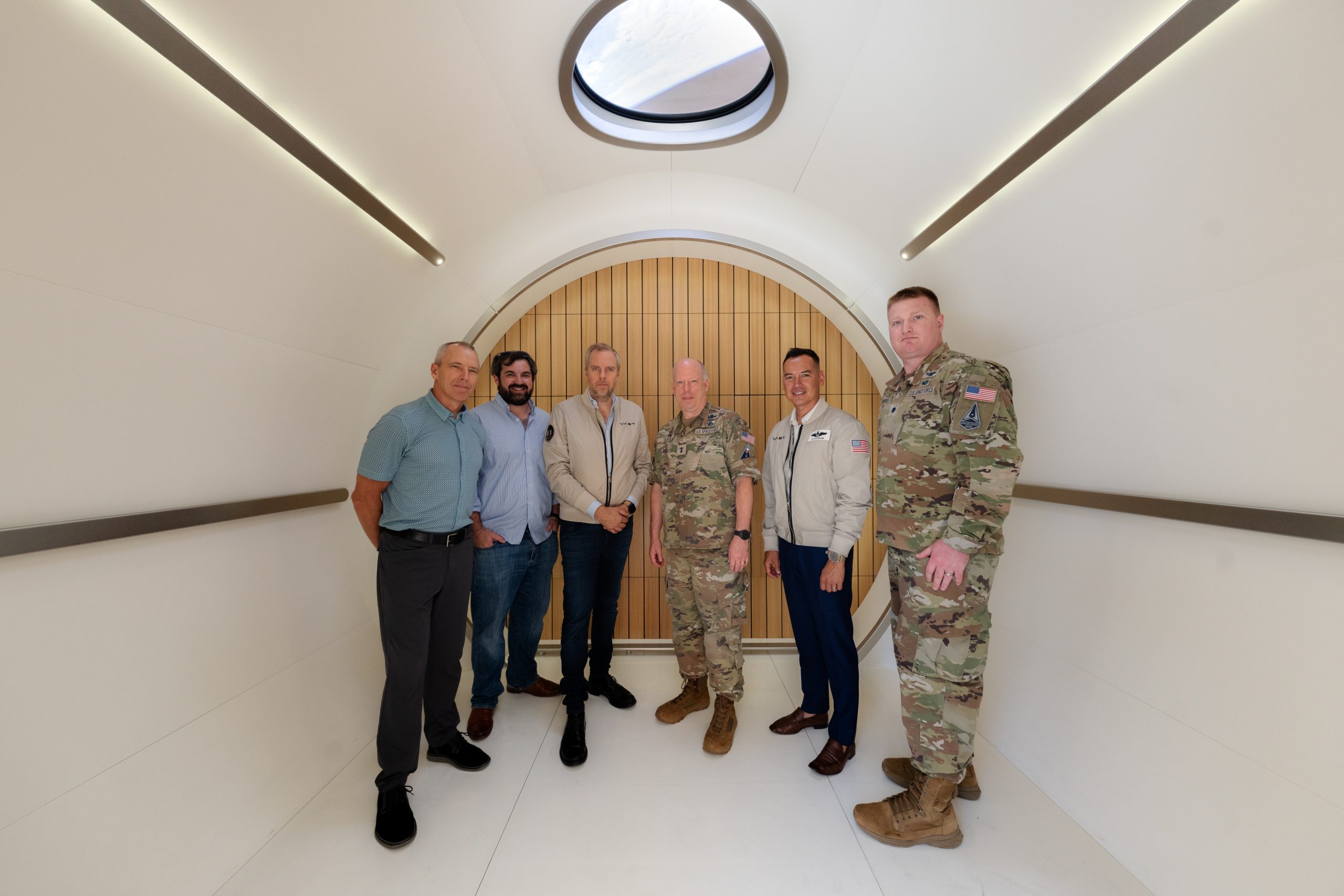
In-Q-Tel, a U.S. national security venture fund, invested in Vast, a company developing commercial space stations, primarily for market insight rather than immediate military use. The investment aims to understand market evolution and potential U.S. government support, with possible future collaborations with the Space Force and opportunities for military personnel in space. The move reflects growing interest in commercial space infrastructure, with strategic implications for national security and space deterrence.
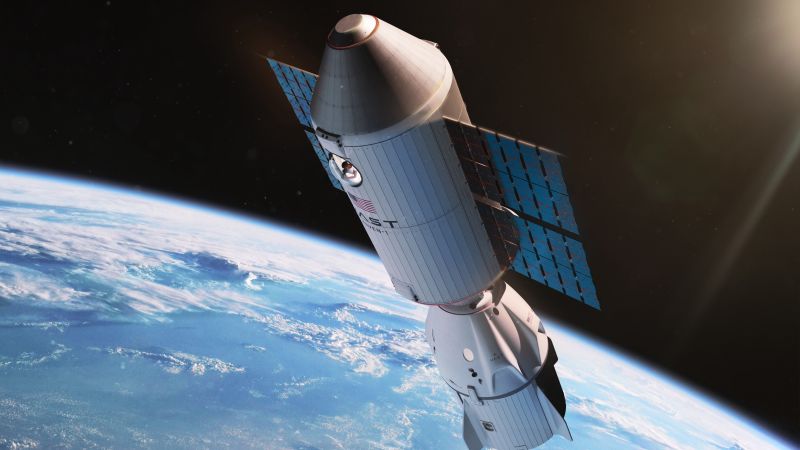
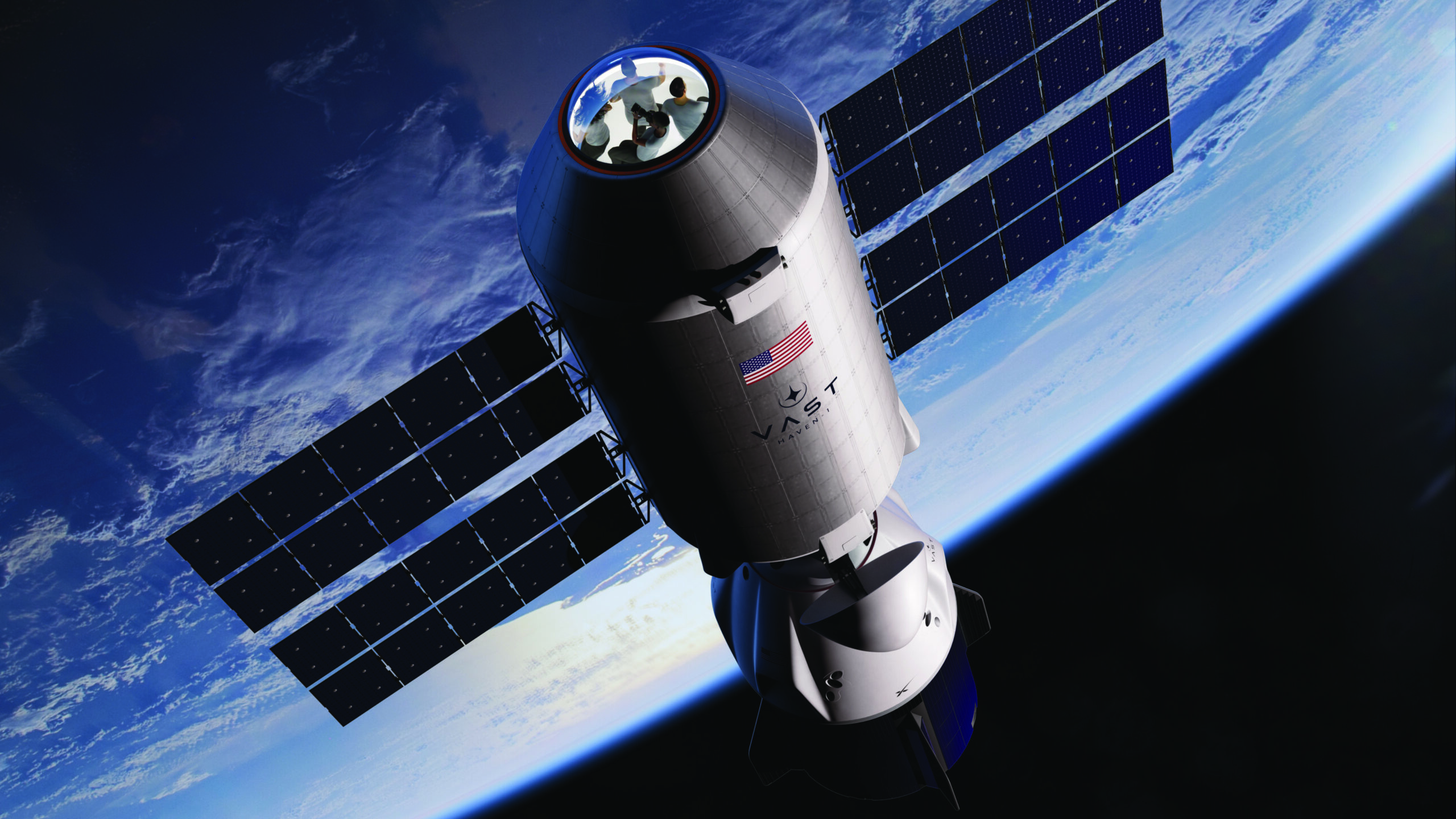
NASA is transitioning from the ISS to private space stations, with Vast Space planning to launch Haven-1, the world's first commercial space station, in May 2026, as part of a broader move to develop sustainable, private orbital habitats.
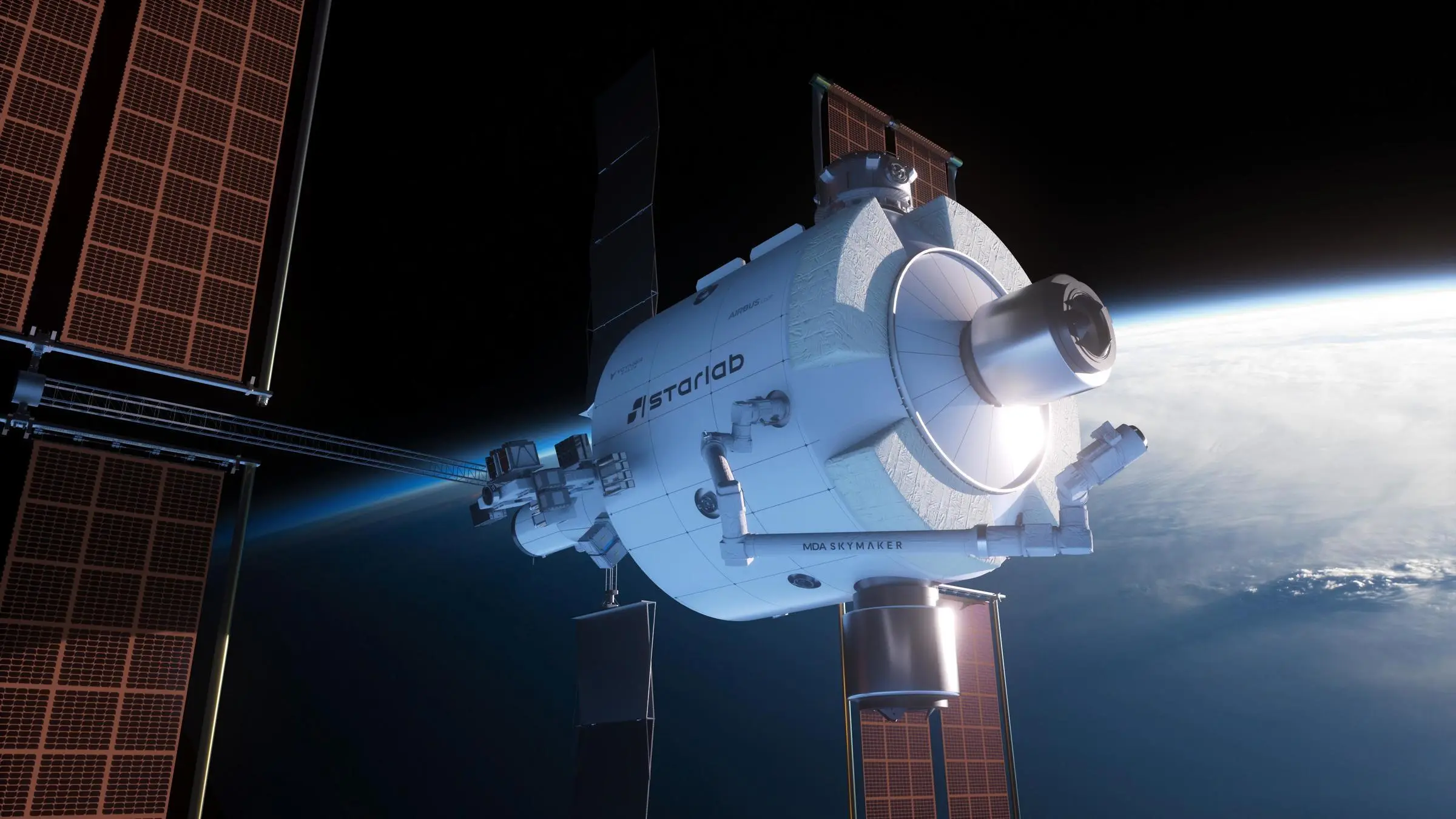
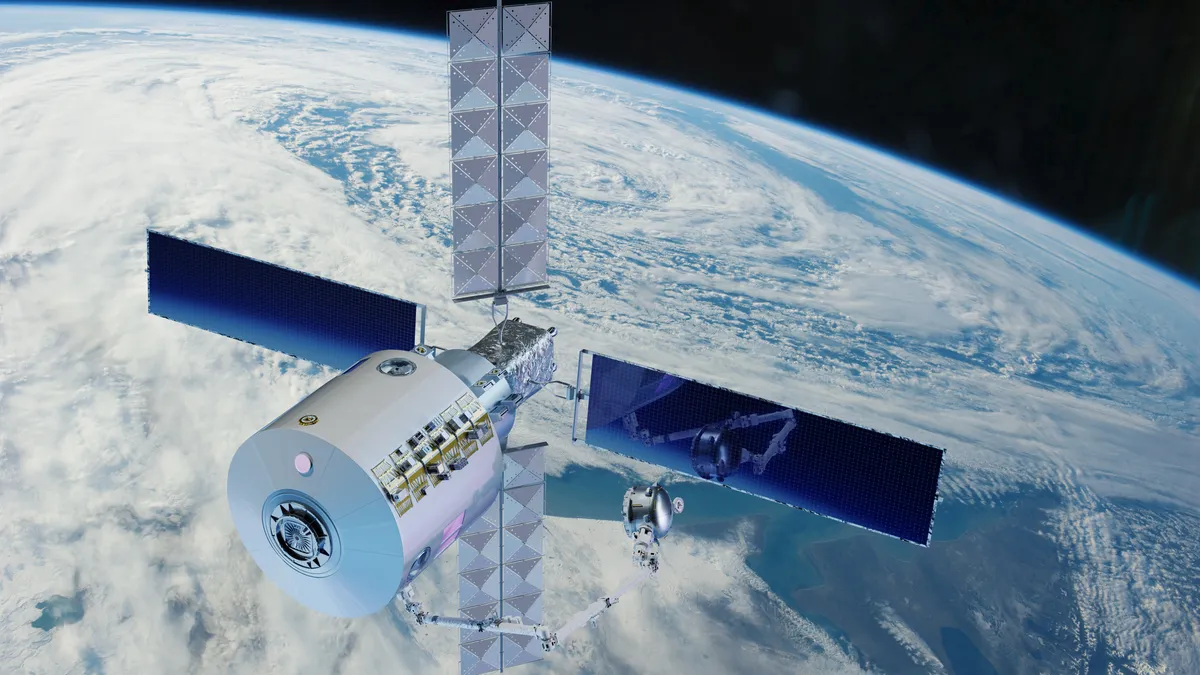
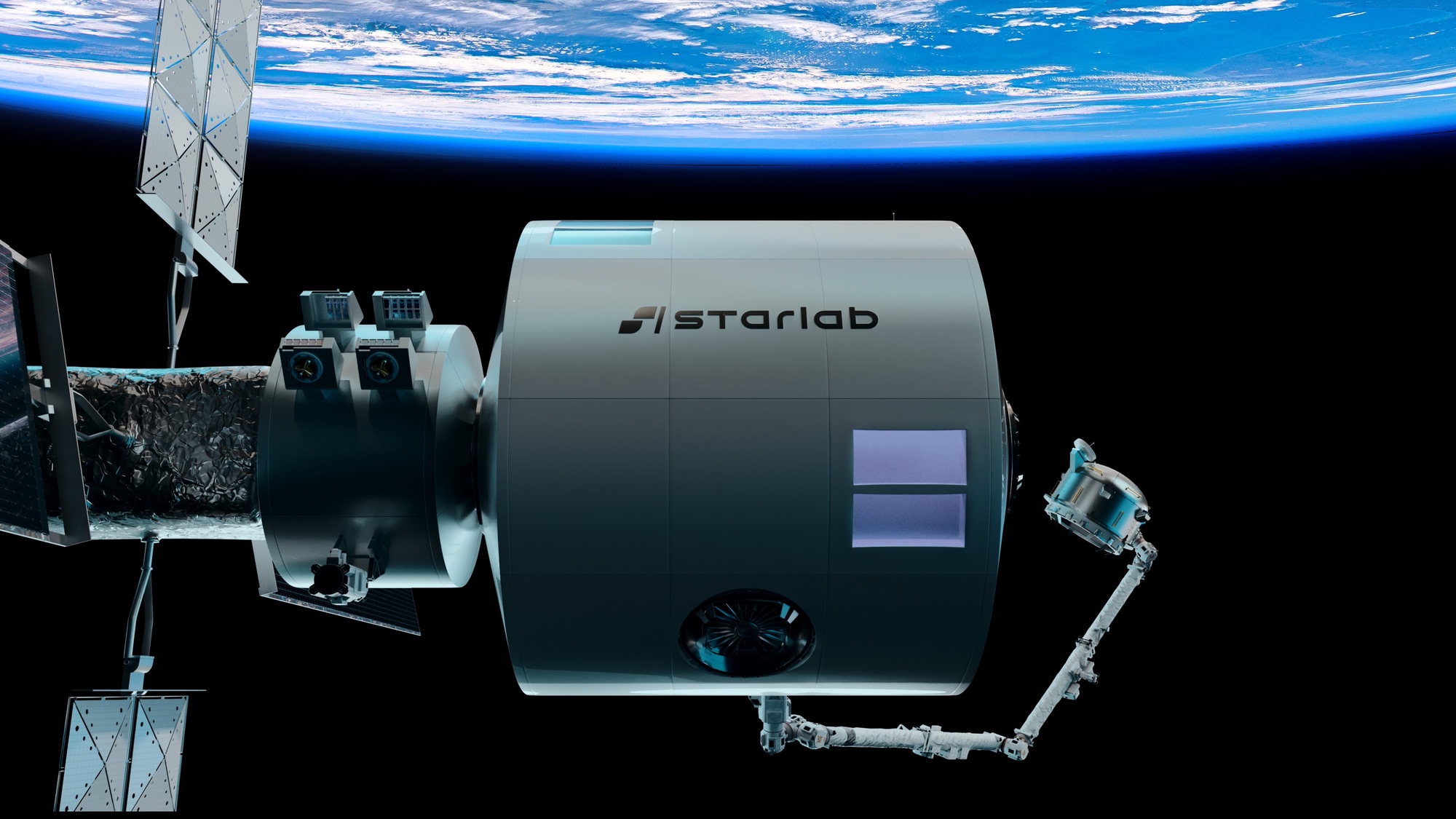
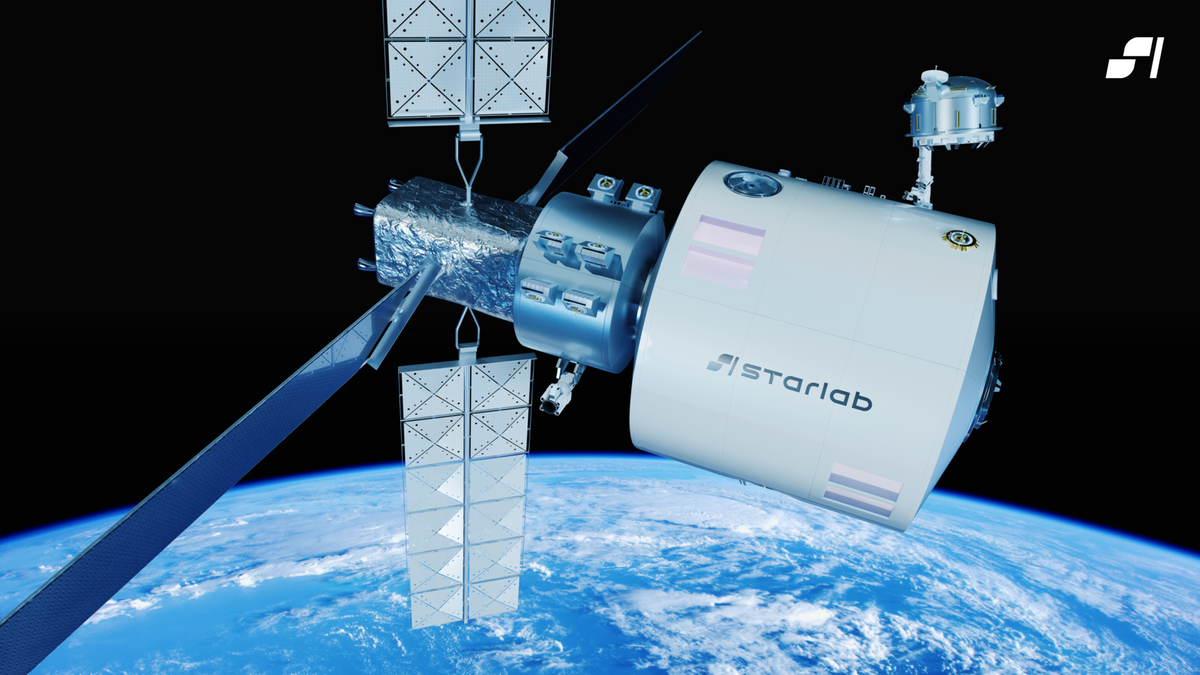
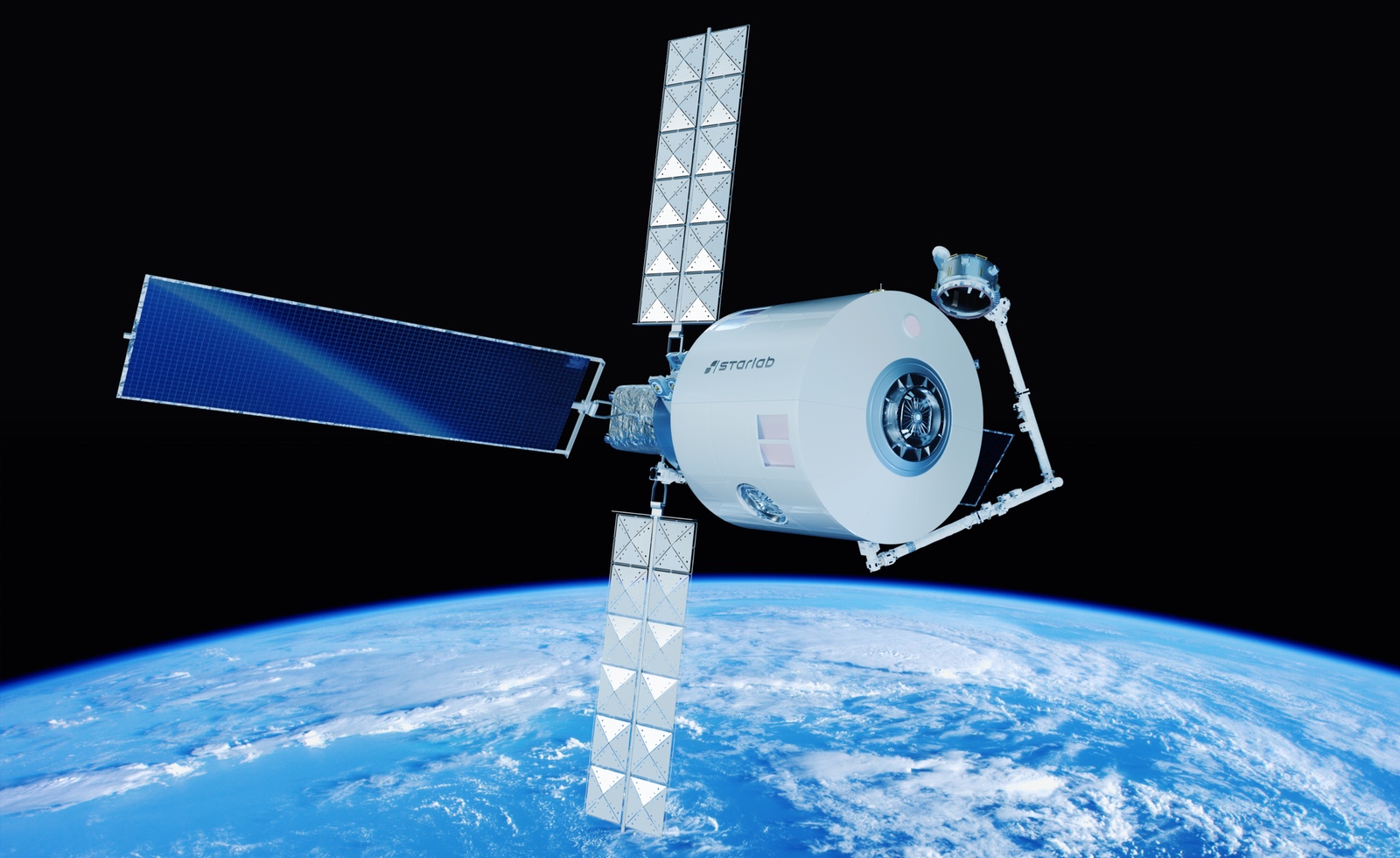
NASA-supported commercial space station Starlab has achieved five key development milestones, including design reviews and mockup construction, as it advances toward supporting human life and scientific research in low Earth orbit, with plans for further detailed design and hardware development.
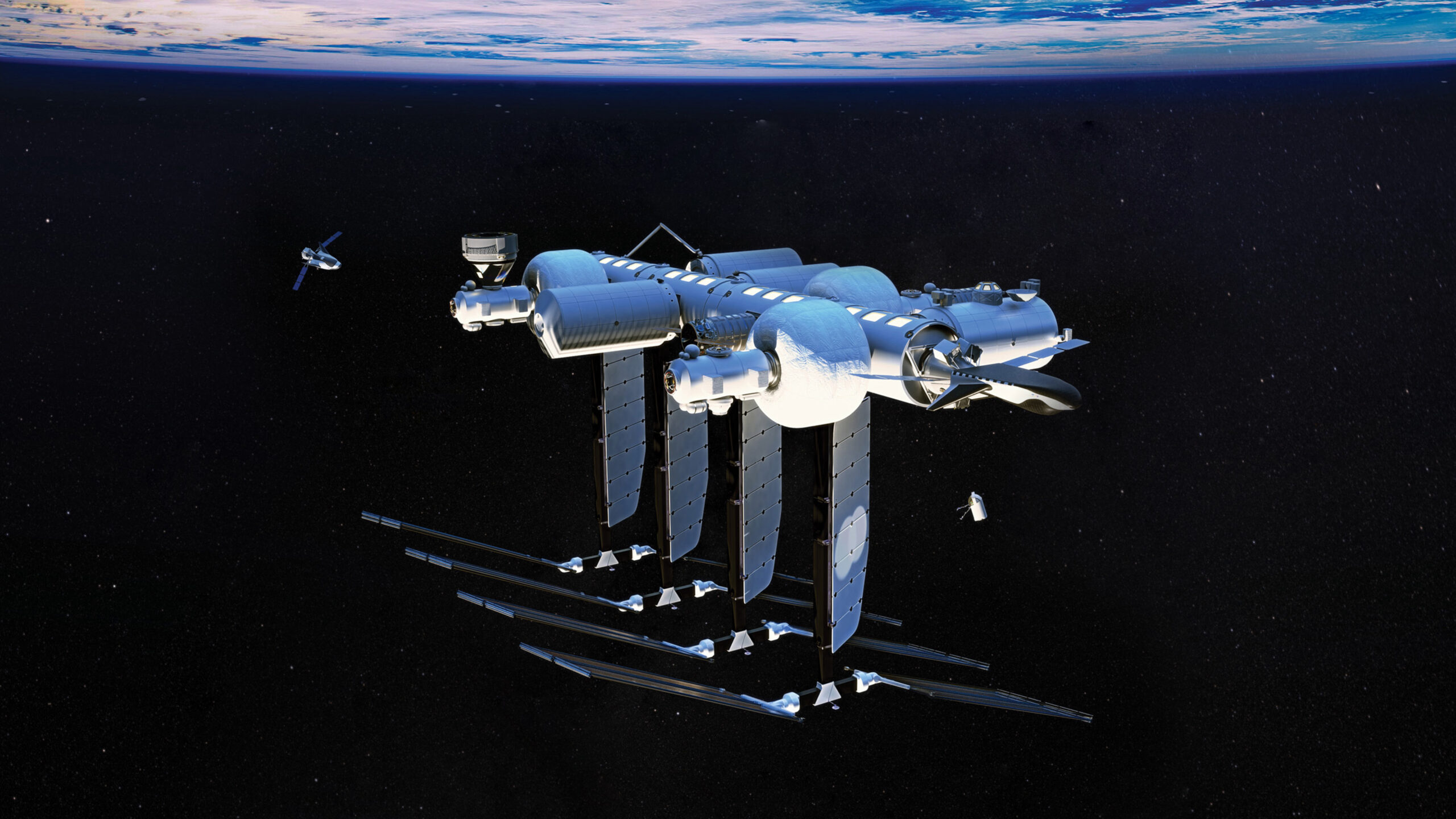
The European Space Agency (ESA) has signed an agreement with Thales Alenia Space and Blue Origin to explore the potential use of Blue Origin's Orbital Reef commercial space station for European payloads, astronauts, and hardware contributions, as part of its strategy to maintain a human presence in low Earth orbit after the International Space Station's retirement.
Vast Space, a commercial space station developer, has hired Clay Mowry, a former executive from Voyager Space, as an adviser. Mowry will provide support for Vast's proposed commercial space stations. Vast is privately developing the Haven-1 crew-tended module and plans to bid on future private astronaut mission opportunities offered by NASA. The company is also facing a lawsuit from a former employee who alleges he was fired after disputes with company executives about planned use of spectrum for Haven-1, which Vast denies.
Axiom Space's Ax-3 mission, the first all-European crew of private astronauts at the International Space Station, is extending its stay in low-Earth orbit due to unfavorable weather conditions for splashdown near the Florida coastline. The astronauts are now scheduled to depart the ISS at 9:05 a.m. Wednesday, aiming for a successful return to Earth. Axiom Space aims to build the world’s first commercial space station, with the Ax-3 mission playing a pivotal role in gathering mission data and conducting scientific experiments.
Starlab Space has chosen SpaceX's Starship megarocket to launch its giant steel space station, Starlab, into orbit in 2028, as it is the only rocket capable of lifting the massive structure in a single flight. The space station, a joint venture between Voyager Space and Airbus, will be fully equipped on the ground for seamless operations and will cater to space agencies, researchers, and commercial companies for various experiments. The megarocket, still in its experimental phase, has a lift capacity of 150 metric tons to low Earth orbit and is designed for full reusability.
Starlab Space, a joint venture of Voyager Space and Airbus Space and Defence, has selected SpaceX’s Starship to launch the Starlab commercial space station on a single flight. The station, designed to be launched on a single flight, will be made of stainless steel and features a large habitation and laboratory module with a smaller service module attached to it for power and propulsion. The companies did not disclose terms of the agreement or a projected launch date, but are confident that Starlab will be launched before the decommissioning of the International Space Station in 2030.
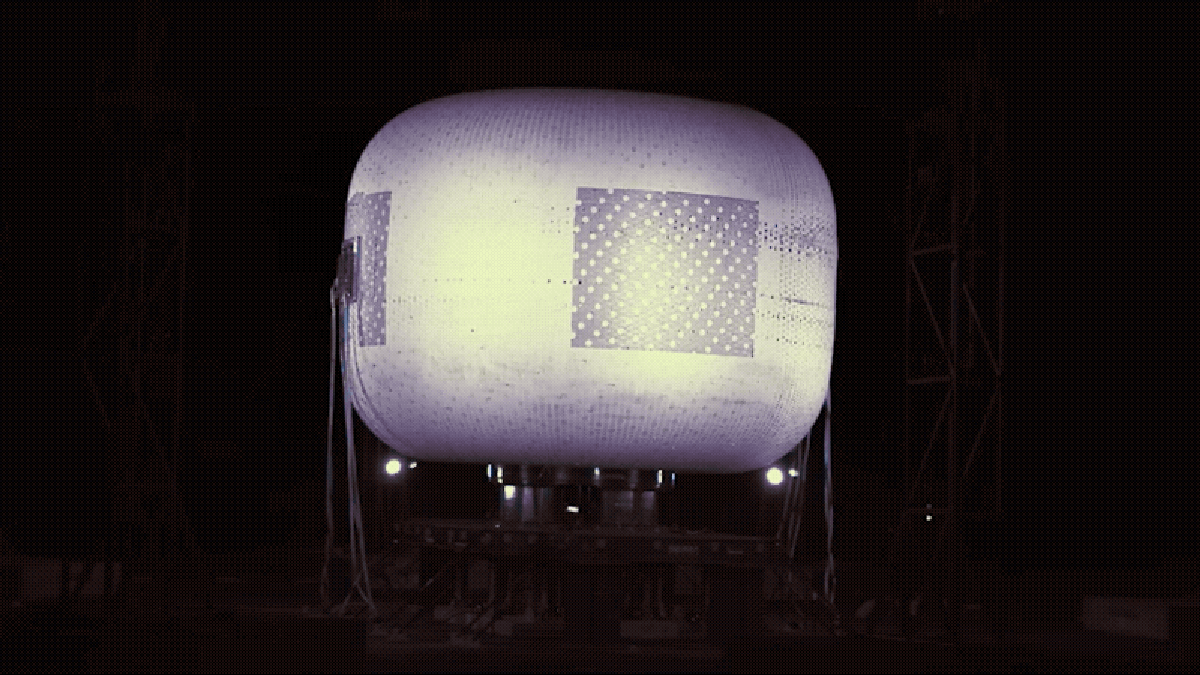
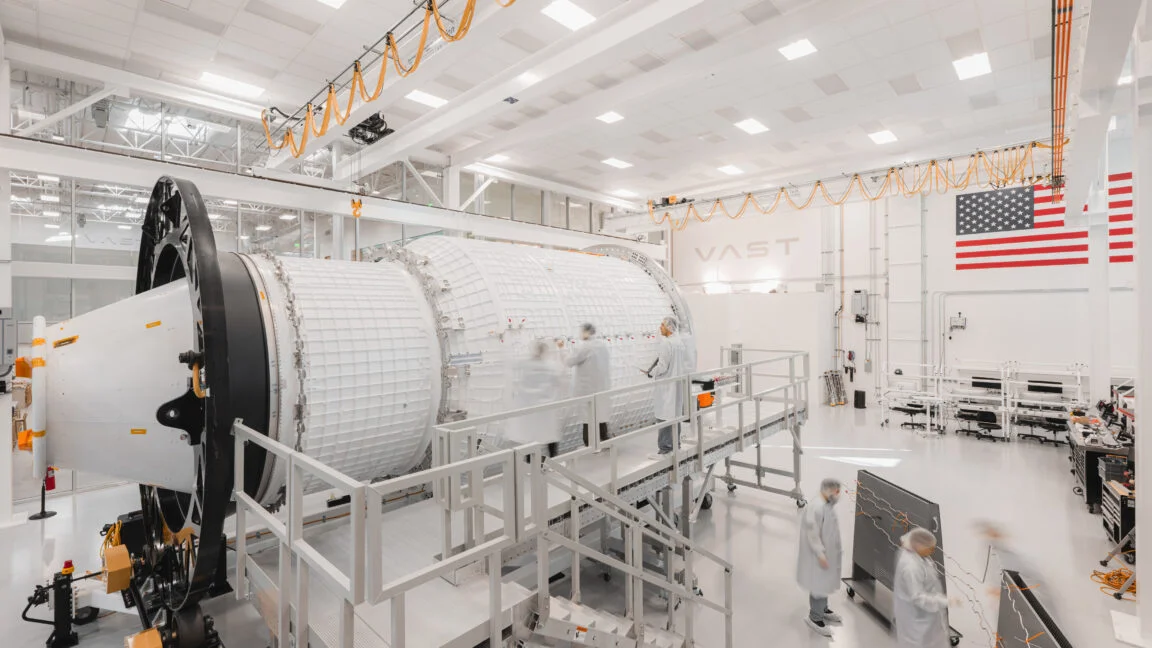
Sierra Space successfully conducted a burst test on its 20-foot tall inflatable space station module, reaching a pressure point of 77 psi before it burst, exceeding NASA’s recommended level. The module, part of the company’s Large Integrated Flexible Environment (LIFE) system, is designed to host astronauts and science experiments in low Earth orbit. Sierra Space aims to contribute to the development of the Orbital Reef space station and prioritize orbital research with practical benefits for Earth, distinguishing itself from other space companies.
The European Space Agency (ESA) has signed a Memorandum of Understanding with Voyager Space and Airbus for the upcoming Starlab commercial space station. Set to launch in 2028, Starlab will provide an alternative low-Earth orbit destination after the retirement of the International Space Station (ISS) in 2030. The station will focus on science and technology development, offering opportunities for research, commercial business development, and European industrial and institutional contributions. The collaboration between ESA, Voyager Space, and Airbus aims to extend Europe's footprint in space and advance European science.
Northrop Grumman and Voyager Space have announced a partnership to develop a commercial space station project. Northrop Grumman will modify its Cygnus spacecraft to dock autonomously with Voyager's Starlab space station, while also ending development of its own proposed commercial station. The partnership aims to combine the strengths and expertise of both companies to create a strong contender for replacing the International Space Station. The collaboration will also allow Northrop to provide Cygnus cargo resupply services to other customers. NASA sees the partnership as a positive development in the evolution of the low Earth orbit economy.
Northrop Grumman has withdrawn from its solo plans to develop a commercial space station and has partnered with Nanoracks, a subsidiary of Voyager Space, to collaborate on the "Starlab" project. Under this new venture, Northrop Grumman will provide cargo transportation services using the upgraded Cygnus spacecraft, which will feature autonomous docking capabilities. The partnership aims to support the development of advanced docking systems and push forward transportation operations in low Earth orbit (LEO). Northrop Grumman's decision to join forces with Nanoracks comes after receiving a green rating for its technical approach but a yellow rating for its business plan in NASA's evaluation of free-flying space station proposals.
Northrop Grumman has decided to abandon its plans to develop its own commercial space station and instead join forces with Voyager Space to assist in the development of the Starlab space station. The partnership will involve the development of autonomous docking systems for Northrop's Cygnus cargo spacecraft to dock with Starlab. The move comes as part of NASA's efforts to support the development of commercial successors to the International Space Station, which is set to retire in 2030. Northrop will withdraw from its agreement with NASA, and the agency will redirect the remaining funding to add milestones to agreements with Voyager Space, Blue Origin, and Axiom Space.
Northrop Grumman is reportedly dropping out of the competition to develop a commercial space station, instead joining a venture backed by Voyager Space and Airbus. Blue Origin is also reconsidering its plans for a low-Earth orbit space station, potentially separating from its primary partner Sierra Space. NASA has invested over half a billion dollars in development grants for these initiatives, aiming to transition from the International Space Station to commercial space stations by 2030. Despite potential setbacks, other companies like Axiom Space and new entrants like Vast Space and SpaceX are still committed to developing commercial stations. The challenge for NASA is to identify the most suitable partners with the necessary funding and capabilities to establish a commercial habitat in space.