
Stem Cell Breakthroughs Promise Regeneration of Teeth and Bone
Stem cell research has identified two types of cells that could potentially lead to the regeneration of teeth and bone, representing a significant breakthrough in regenerative medicine.

All articles tagged with #medical advances
Stem cell research has identified two types of cells that could potentially lead to the regeneration of teeth and bone, representing a significant breakthrough in regenerative medicine.

Emerging blood tests, such as Guardant Health's Shield, show promise in detecting cancers like colon and pancreatic cancer earlier and less invasively, potentially improving survival rates, though many are still in early development and face challenges like false positives and limited detection rates compared to traditional methods.

Eric Topol's book discusses cutting-edge medical approaches to extend healthspan and treat age-related diseases, highlighting promising therapies like mRNA technology, CRISPR, stem cells, and GLP-1 agonists, while emphasizing lifestyle factors and the need for broader adoption of diagnostic tools. Despite funding cuts, these innovations could significantly transform aging and health management.

Heart attack deaths in the U.S. have decreased by 89% since 1970 due to medical and public health improvements, but deaths from other heart conditions like heart failure and arrhythmias have risen sharply, highlighting a shift in the landscape of heart disease and the importance of managing long-term cardiovascular health.

VA researchers have made significant progress in health research, including developing a potential new drug for type 2 diabetes, implementing team-based coaching to reduce kidney injury after cardiac procedures, and finding that a strong sense of life purpose can lower the risk of dementia. These findings could lead to new treatments and preventive strategies for these conditions.
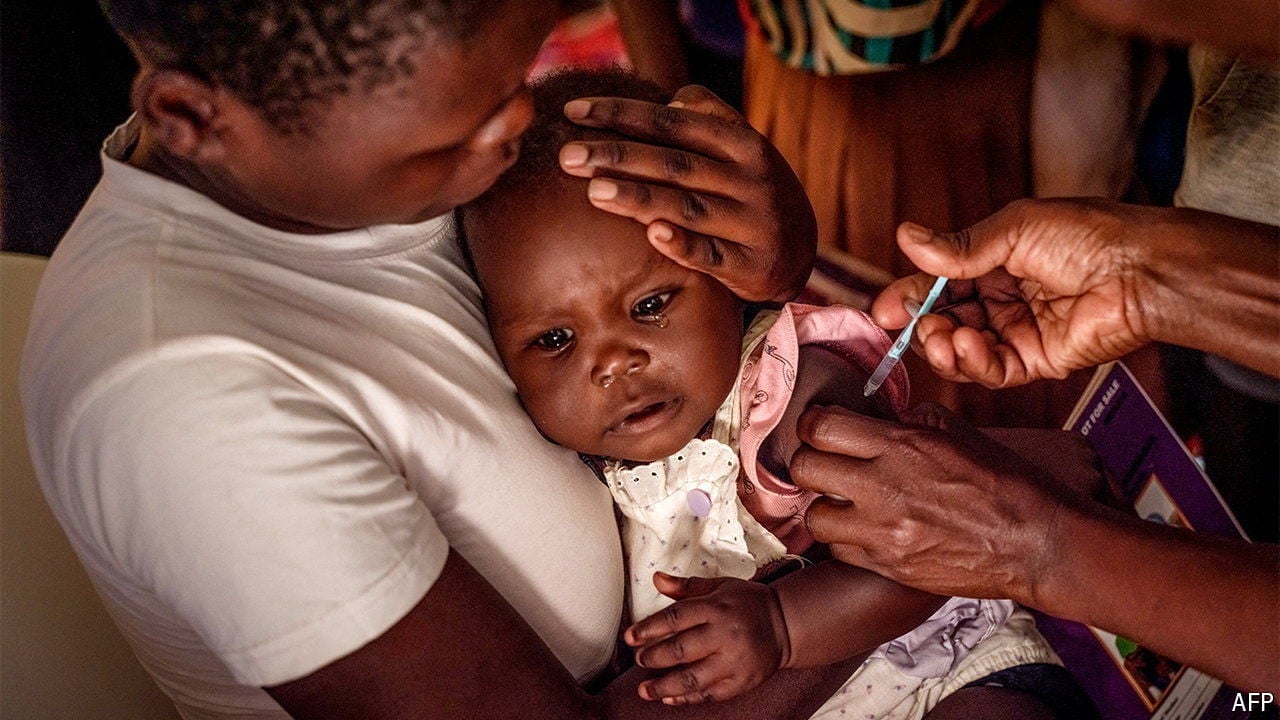
New vaccines and improved mosquito nets are raising hopes in the fight against malaria in Africa, with the rts,s/as01 vaccine already in use in several countries and the r21/Matrix-m vaccine starting distribution in the Central African Republic.
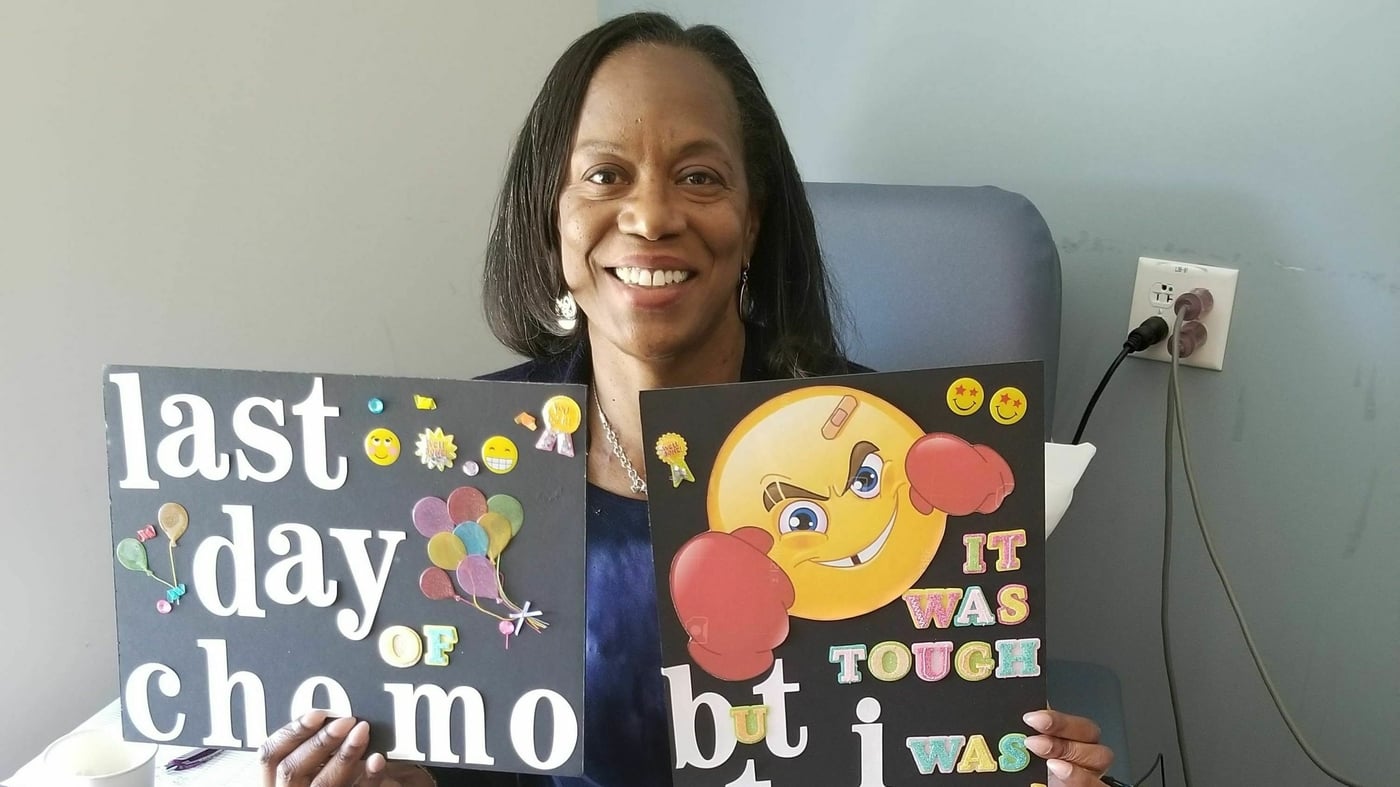
After smoking for 40 years, Denise Lee survived lung cancer thanks to early detection and new treatments including surgery and immunotherapy. The ability to better pinpoint mutations of a patient's particular form of cancer has been a game changer, leading to targeted therapy and immunotherapy that have dramatically improved survival rates for lung cancer patients. Despite the stigma associated with smoking and lung cancer, increasing screening rates and access to these advanced treatments are crucial for further progress in combating the disease.

If you've had shingles, it's still important to get the Shingrix vaccine, especially since shingles can recur. For heart failure with preserved ejection fraction, treating underlying conditions is crucial, and new classes of medicines like SGLT2 inhibitors and mineralocorticoid receptor antagonists have shown promise in improving symptoms and outcomes. Specific treatments for conditions like amyloidosis may also be necessary.

A leading expert in obesity treatment has advised doctors to change their messaging to obese patients, emphasizing that "eat less, move more" is not a treatment for obesity. He highlighted the complexity of obesity, with 198 determinants falling into seven groups, five of which are outside people's control. New therapies and surgery are providing more successful treatments, impacting the body's genetic and environmental interactions. The model of care for obesity is being funded, allowing more access to surgery, but obstacles such as the high cost of medications remain.

Bluebird Bio's focus on selling gene therapies, such as Lyfgenia for sickle cell disease, Zynteglo for beta thalassemia, and Skysona for cerebral adrenoleukodystrophy, without other marketed products, makes it a unique player in the gene therapy market, raising questions about the profitability of gene therapies as a business. The company's approach and success over the next year may provide insights into the potential for gene therapies to become a profitable venture.

The hunt for Alzheimer's treatments has seen significant breakthroughs this year, with the approval of drugs like Leqembi and donanemab that target the buildup of toxic plaque in the brain. While these drugs slow cognitive decline, they do not offer a complete cure. Biotech companies are exploring ways to improve the safety and delivery of these treatments, as well as looking beyond the removal of beta amyloid to other potential drug targets. The successes in Alzheimer's treatment have created excitement in the biotech industry, with new players expected to emerge in a market projected to be worth $13.7 billion by 2030. Despite the challenges, there is hope that continued research and innovation will lead to better and more effective ways of tackling this devastating disease.

A new study from Epic Research reveals that the life expectancy of cystic fibrosis (CF) patients has significantly increased over the past decade. In 2008, the average life expectancy for CF patients was 26 years, but as of 2022, it has risen to 66 years, just 12% lower than the non-CF population. The study attributes this improvement to advancements in CF treatment, including better diagnoses, therapies, and comprehensive care programs. Early diagnosis through advanced testing and new therapeutic options have contributed to the increase in life expectancy. With continued genetic advances and comprehensive care, the life expectancy for CF patients is expected to rise further.

The World Health Organization has declared that COVID-19 is no longer a medical emergency due to declining death rates worldwide. However, the virus remains a concern, particularly with regards to long COVID. The pandemic has led to unprecedented advancements in the medical field, including the development of highly effective vaccines using breakthrough mRNA technology and significant advances in telemedicine. Long COVID is a condition in which infected individuals continue to experience symptoms or develop new symptoms after recovery from the coronavirus. The only way to deal with COVID-19 and other viruses is through vaccination, as the virus is still with us and can create new strains at an alarming rate.