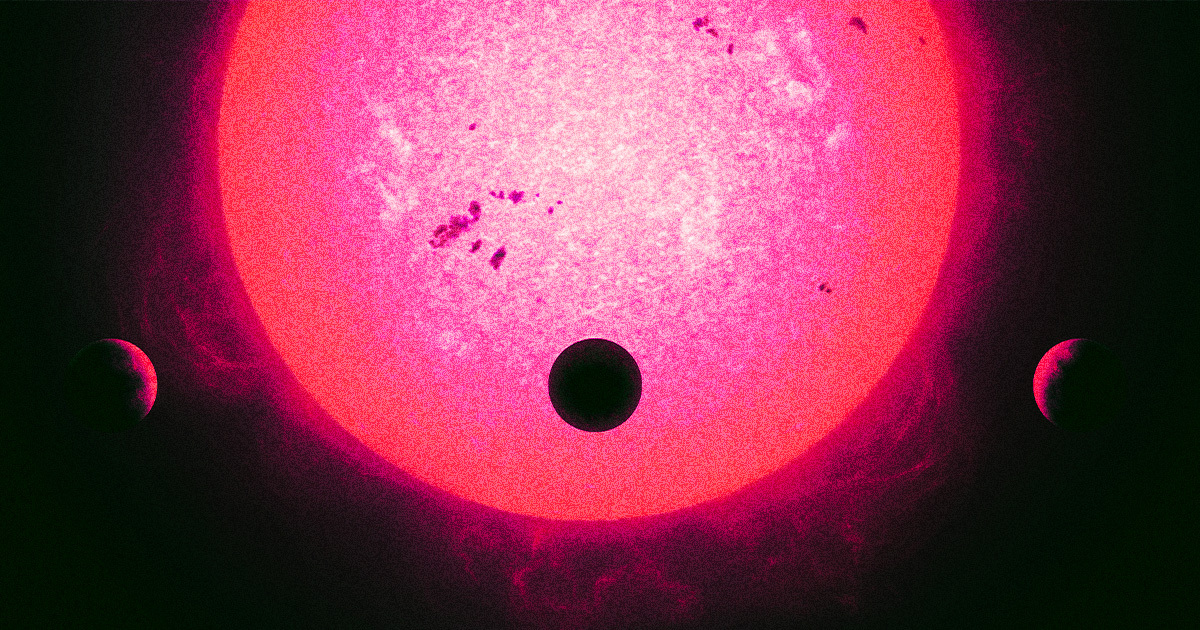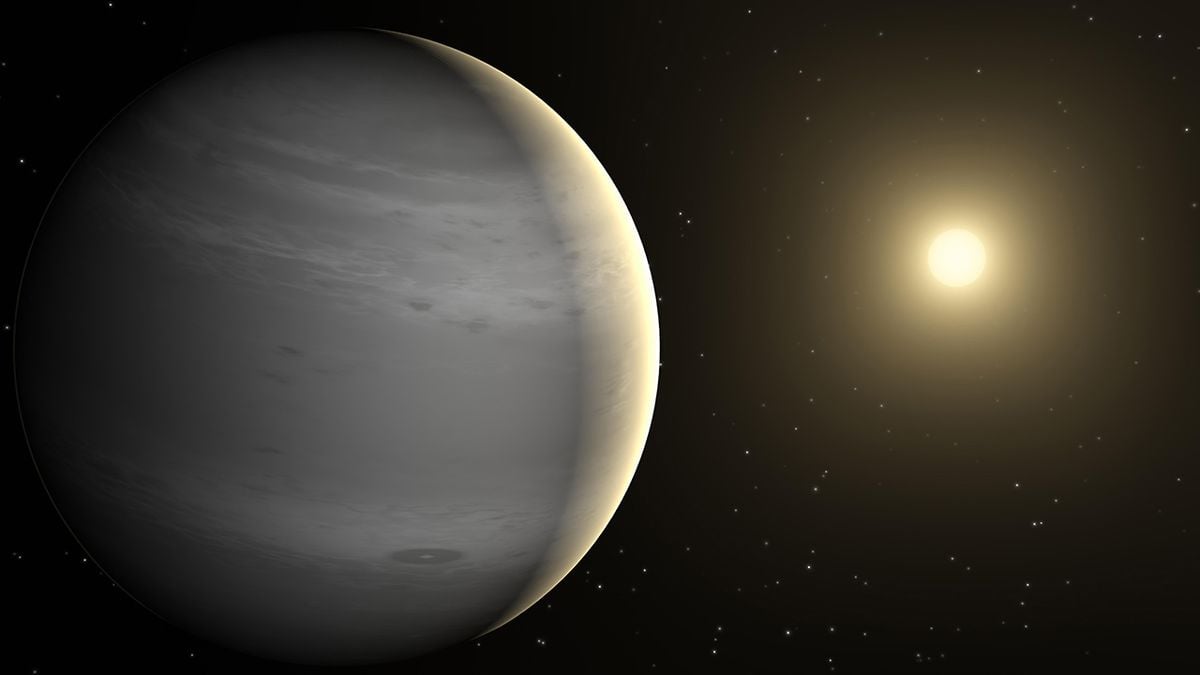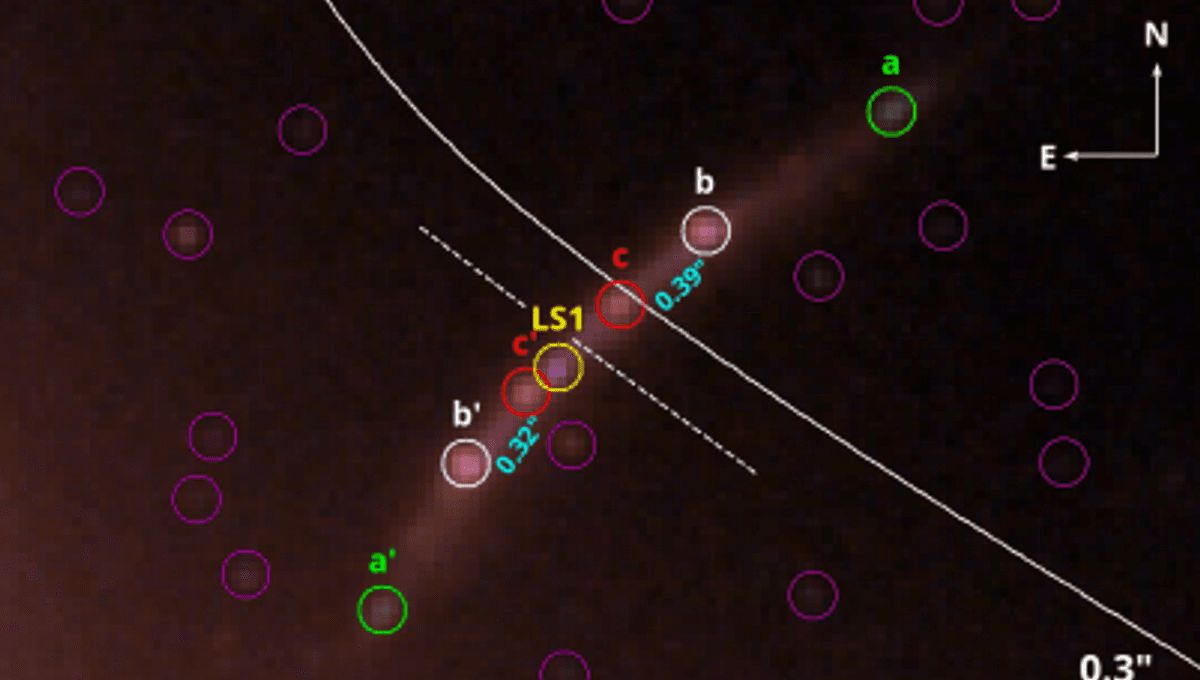
Scientists have captured images of a tiny baby planet, WISPIT 2b, forming inside its star's ring, making it the first of its kind to be directly observed in this way. Located 437 light-years away, this gas giant is just five million years old and was spotted within a gap in the protoplanetary disk of its star, WISPIT, using advanced telescopes. The discovery also hints at a possible second planet forming in the same system.
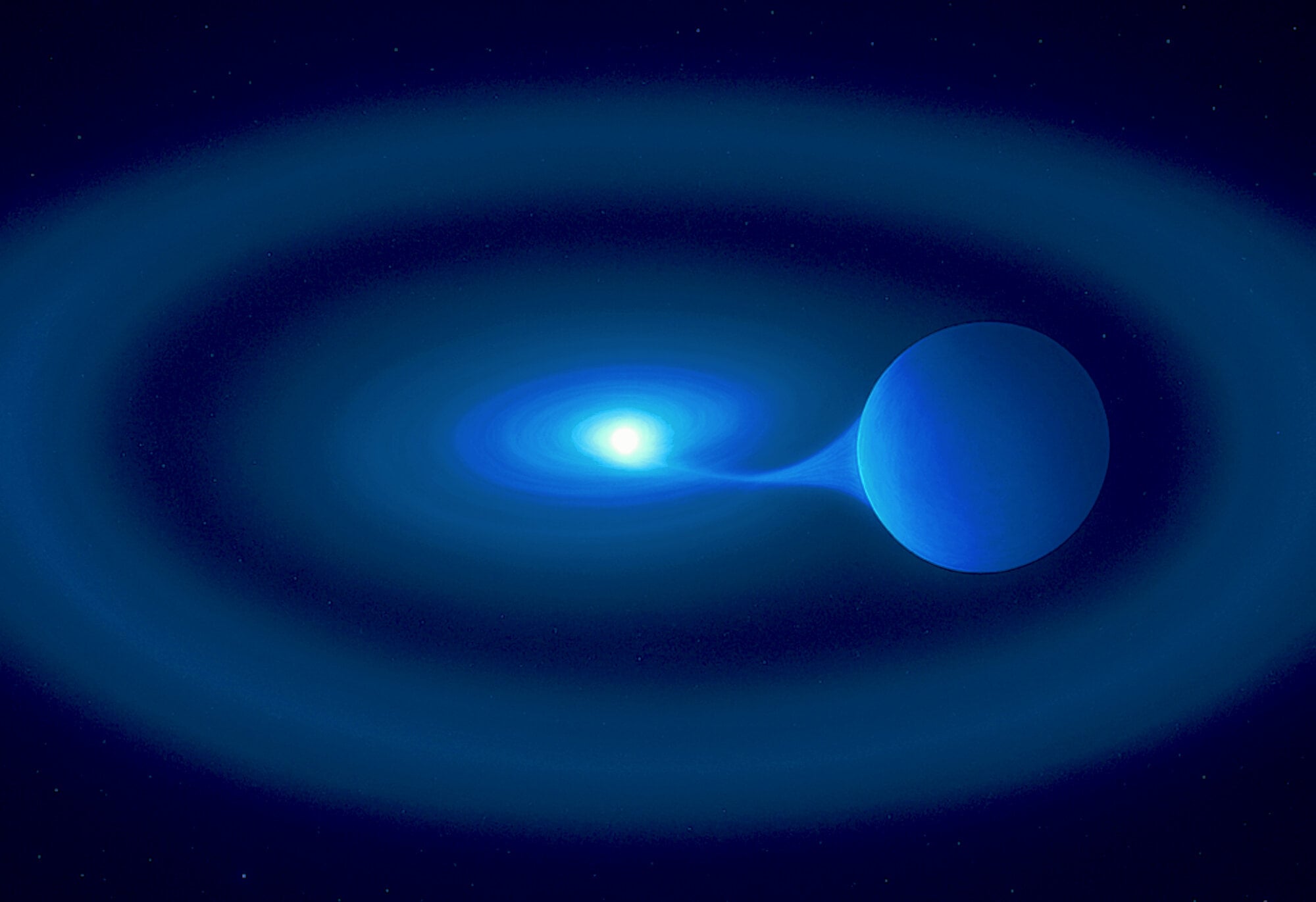
Scientists have discovered that the double star V Sagittae is experiencing an unprecedented rate of mass transfer, with a white dwarf devouring its larger companion, leading to extreme brightness and potential future supernova explosion, observed using the Very Large Telescope.
The James Webb Space Telescope captured a detailed near-infrared image of the Lobster Nebula (NGC 6357) about 5,500 light-years away, revealing a complex scene of massive stars, molecular gas spikes, and star formation processes within a vast stellar nursery, including a triple star system in the Pismis 24 cluster.
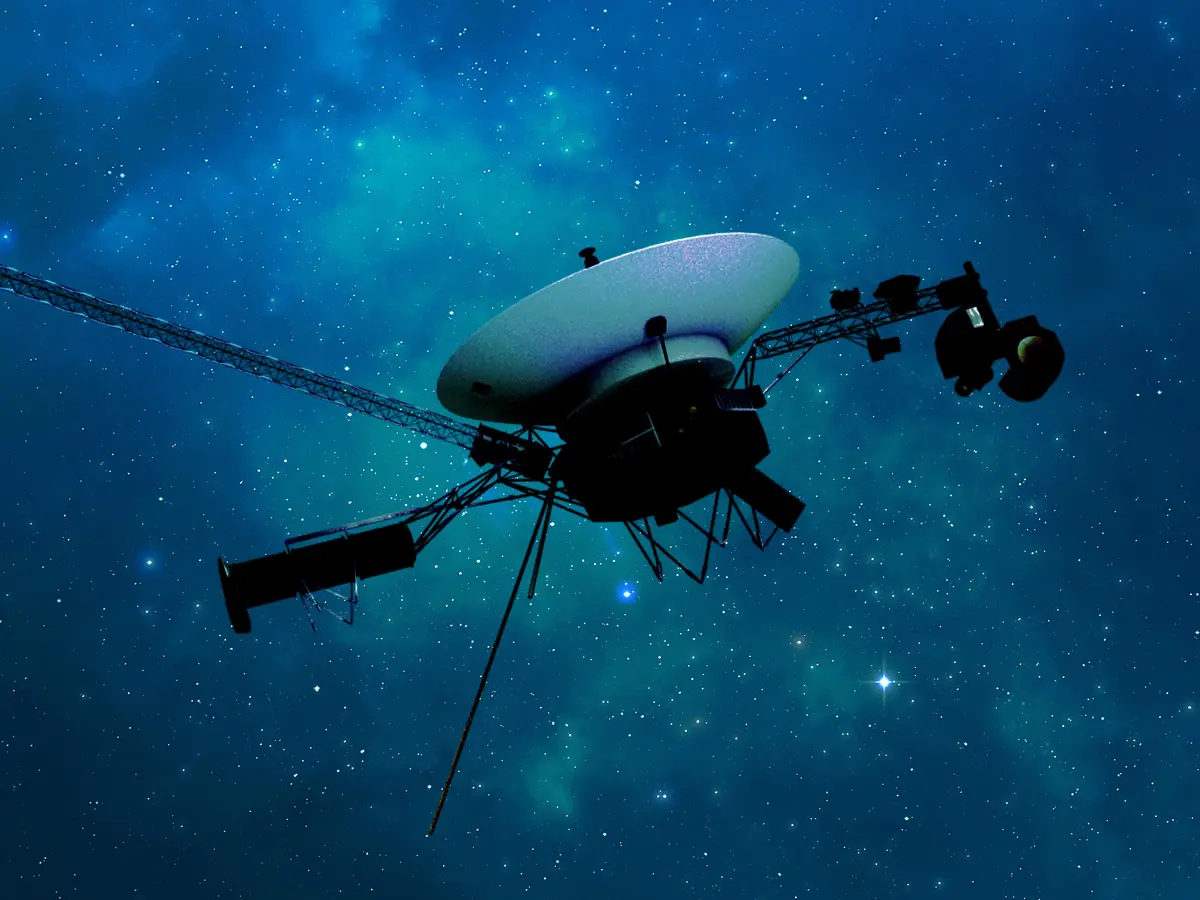
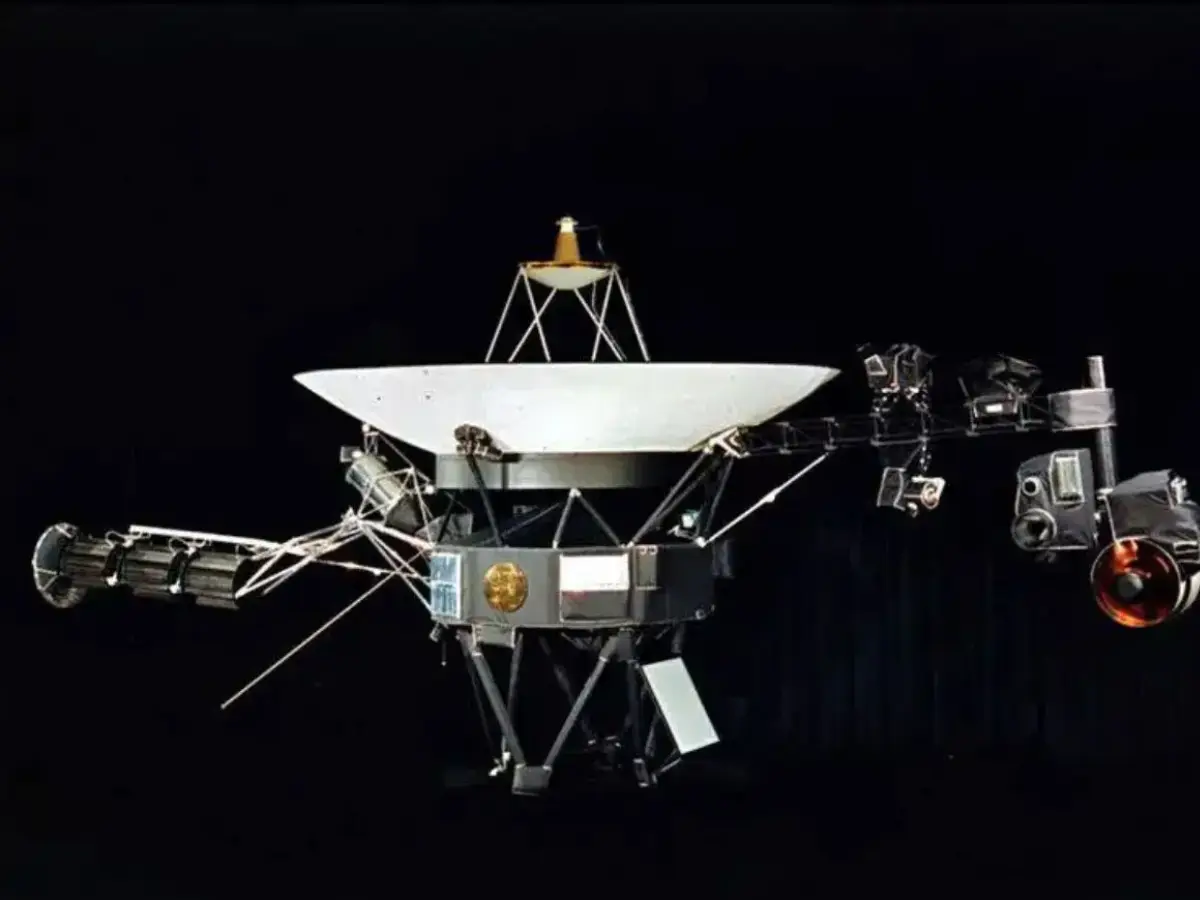
Voyager 2, traveling at 55,000 km/h, would take over 100,000 years to reach Sirius, the closest bright star at 8.6 light years away, and by then it would be a silent, inactive relic of human technology, highlighting the immense timescales involved in interstellar travel.
If Voyager 2 were pulled into a new star system, its trajectory could be altered, potentially capturing it into orbit around a star, interacting with planets, or even colliding with celestial objects. It could also serve as a long-term artifact and a potential interstellar archive, providing valuable data and a lasting human legacy among alien worlds.
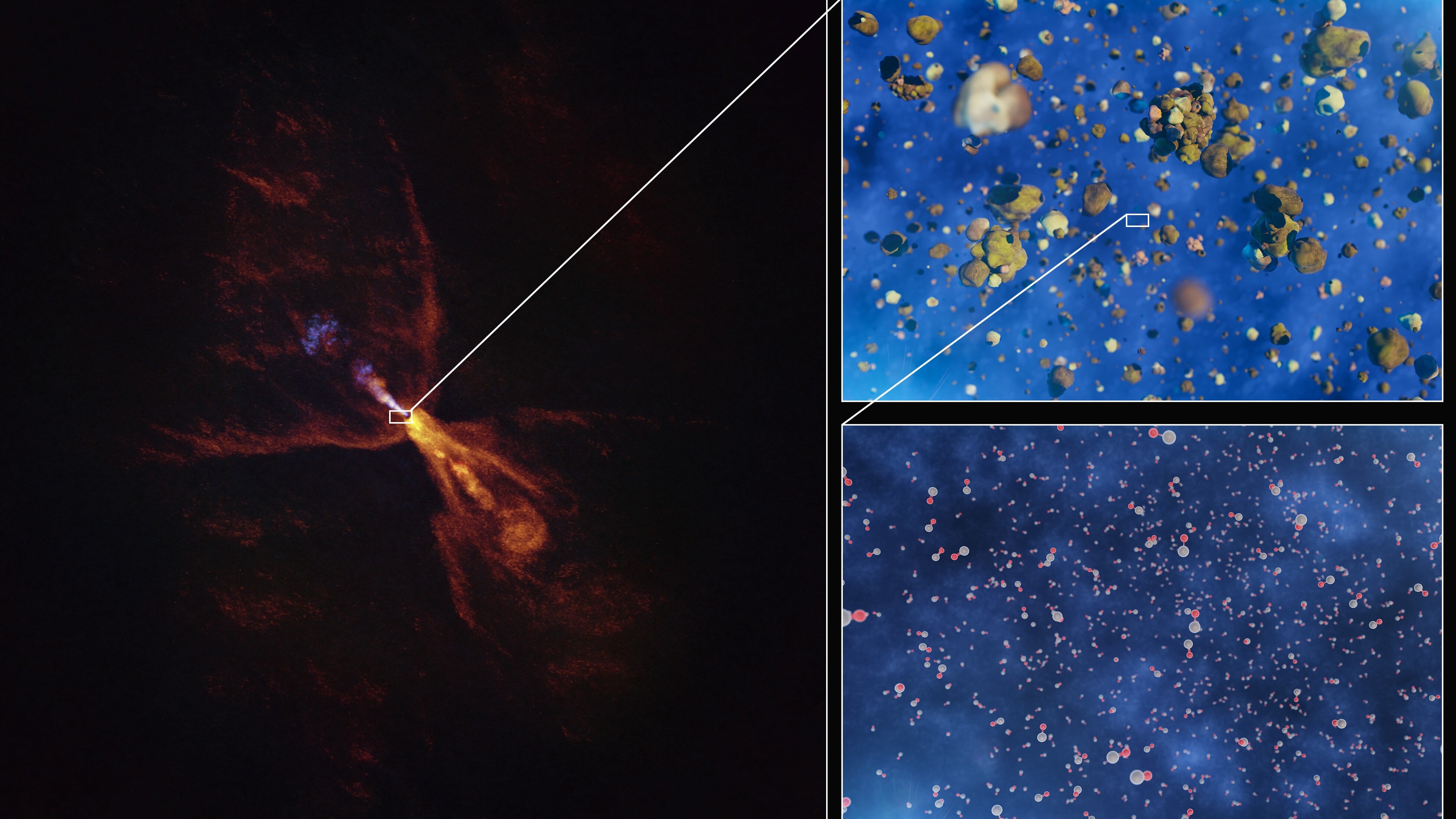
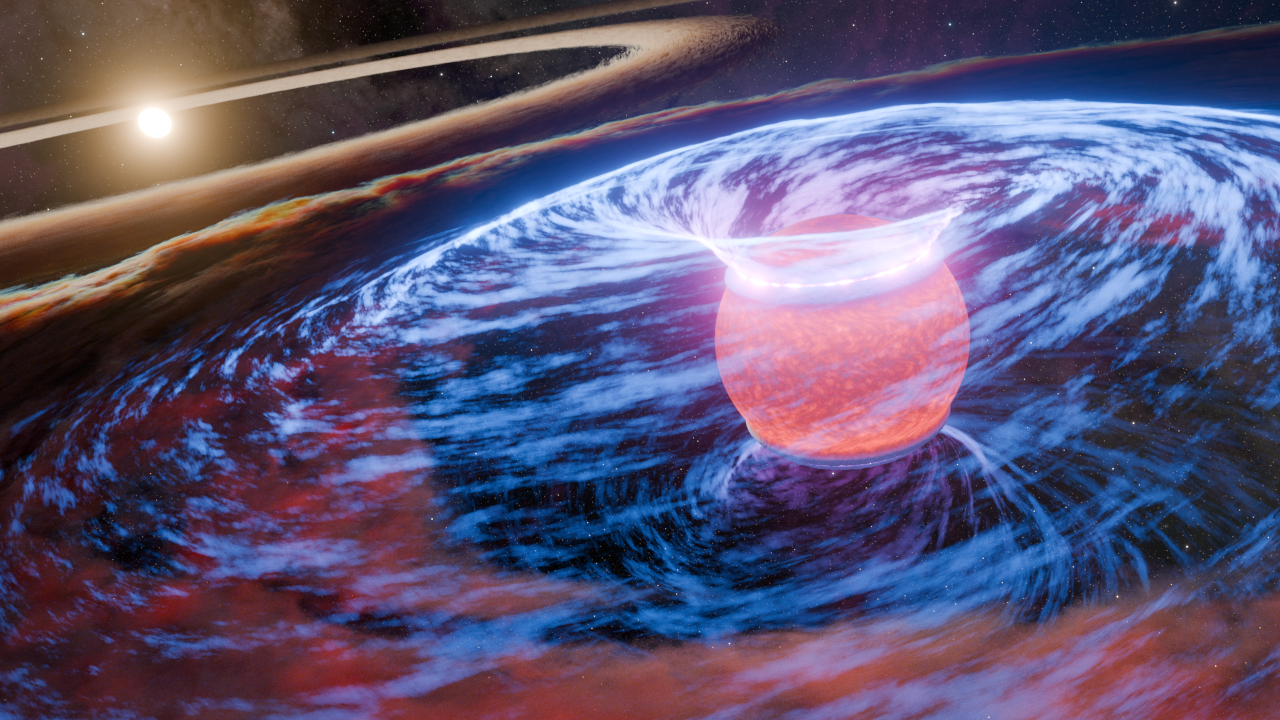
Scientists have captured the first images of a young star system, HOPS-315, in the earliest stages of planet formation, revealing hot minerals beginning to solidify around the star, which provides new insights into how planetary systems like our own may have formed.
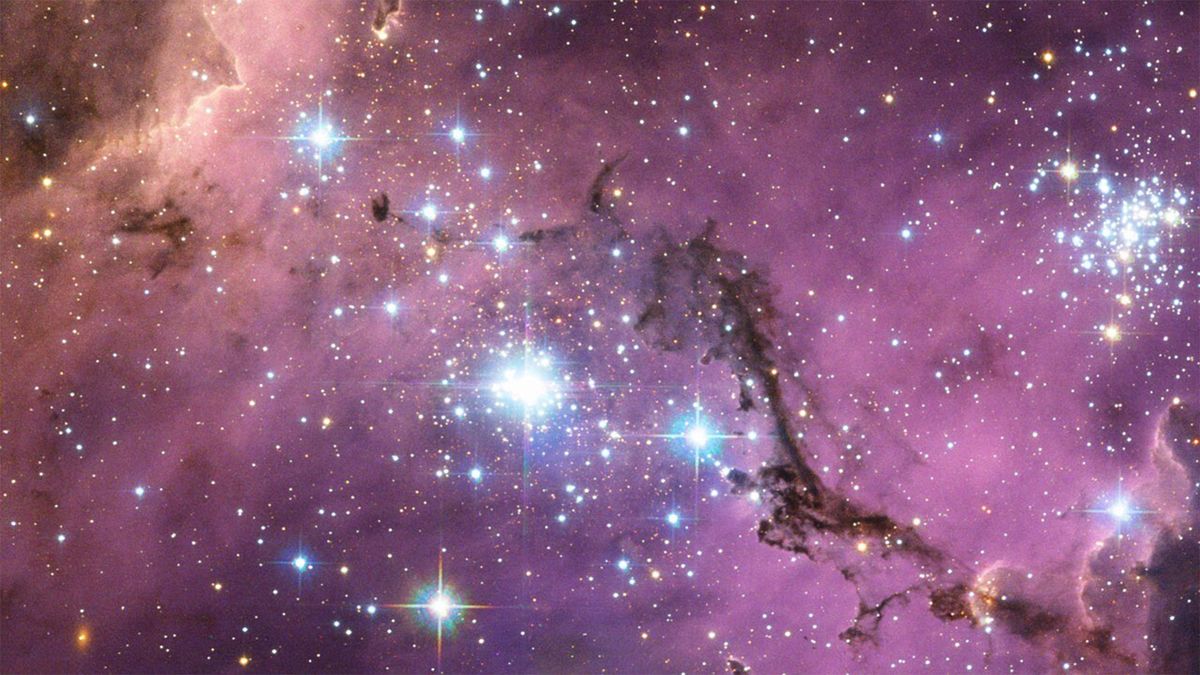
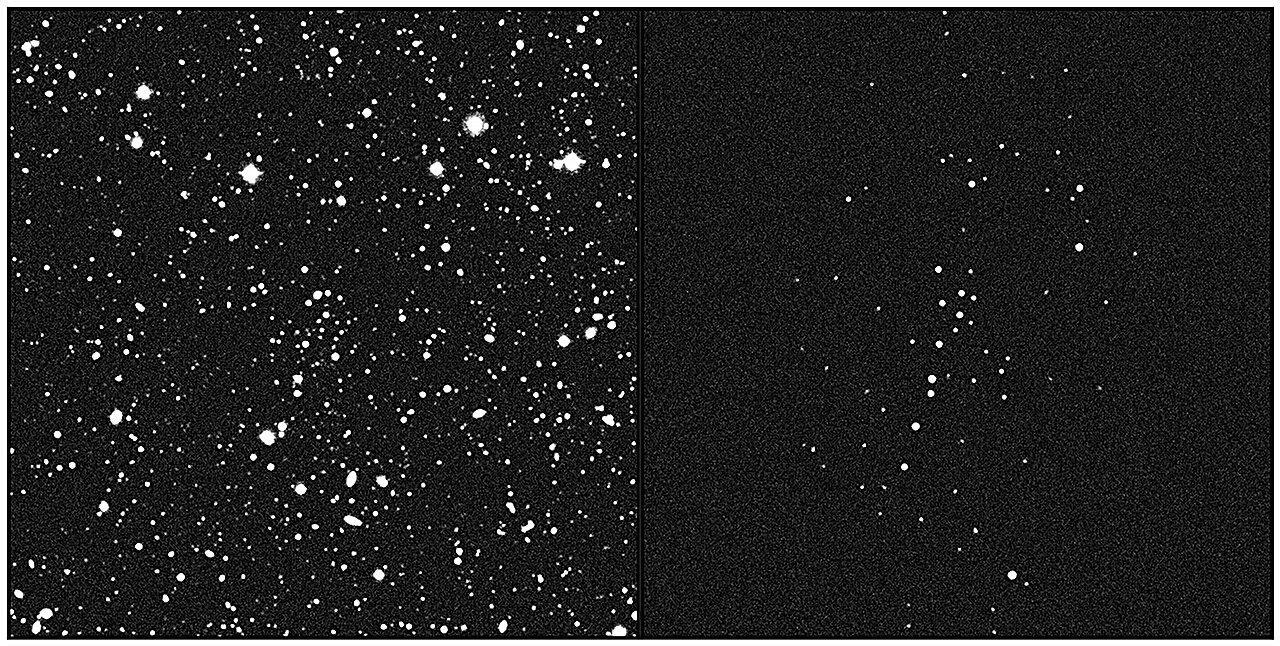
Astronomers have discovered a tiny, faint satellite galaxy named Ursa Major III/Unions 1, consisting of only 60 stars and potentially dominated by dark matter. This finding challenges current understanding of galaxy formation and could represent a new class of extremely faint stellar systems. The galaxy's survival for at least 10 billion years, despite the Milky Way's strong gravitational forces, has puzzled scientists. The discovery offers the possibility of gaining insights into dark matter's composition and behavior, and may lead to the identification of similar elusive stellar systems.
Astronomers have discovered Ursa Major III / UNIONS 1 (UMa3/U1), the faintest and lowest-mass Milky Way satellite ever detected, possibly dominated by dark matter. This ancient star system, located about 30,000 light-years from the sun, contains only about 60 stars over 10 billion years old and spans just 10 light-years across. The system was detected using data from the Ultraviolet Near Infrared Optical Northern Survey (UNIONS) and confirmed as a gravitationally-bound system using the Keck Observatory's Deep Imaging Multi-Object Spectrograph (DEIMOS). The presence or lack of dark matter in UMa3/U1 is crucial in determining whether it is a dwarf galaxy or a star cluster, potentially challenging our understanding of galaxy formation.
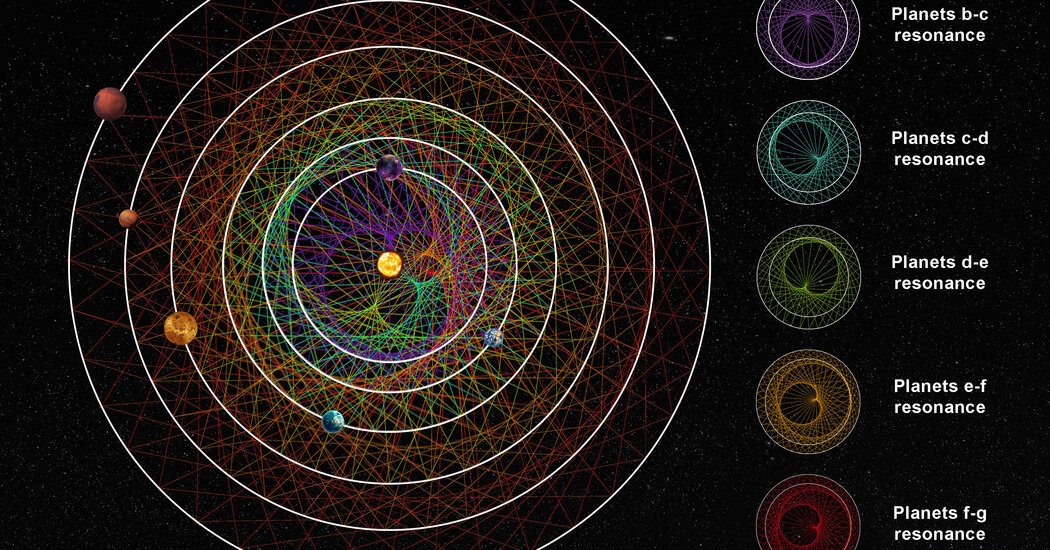
Scientists have discovered a unique star system, HD110067, where six planets orbit in a rhythmic gravitational lockstep, a rare phenomenon that could reveal new insights into planet formation and evolution. The system, located around 100 light-years away in the constellation of Coma Berenices, features planets that move in a precise orbital waltz, with some planets in a 3/2 resonance and others in a 4/3 resonance. This discovery provides an opportunity to study the formation and evolution of sub-Neptune planets, which are the most common type of planets outside our solar system.
Astronomers have discovered a star system, HD 110067, with six exoplanets that orbit their star in a rare and mathematically harmonious resonance. The system, located 100 light years away, showcases a pristine configuration that has survived untouched, providing insights into the formation of such extraordinary systems. The exoplanets, classified as "sub-Neptunes," revolve in precise ratios relative to each other, with the first four planets exhibiting a 3:2 resonance and the outermost two in a 4:3 resonance. The system's stability over billions of years raises questions about the chaotic nature of planetary formation. Further observations will shed light on the system's longevity and formation process.
Astronomers have discovered a star system located 100 light-years away with six planets that orbit in perfect resonance, offering a unique opportunity to study the evolution of these worlds from their formation. Only 1 percent of planetary systems in the Milky Way exhibit this kind of orbital symmetry. The discovery could provide insights into the formation of our own solar system and expand our understanding of conditions on potentially habitable planets. Continuous monitoring of the system will allow astronomers to gather more data and learn about the planets' masses, sizes, compositions, and atmospheres.
The Very Large Telescope in Chile has discovered a massive exoplanet orbiting a star in a multi-star system known as HIP 81208. The exoplanet, 15 times the mass of Jupiter, orbits a smaller star that itself orbits a larger star. The system also includes a brown dwarf. This marks the first hierarchical quadruple system found using direct imaging, providing valuable insights into the formation of complex systems.
Astronomers have discovered an extremely bright star system, nicknamed Mothra, that is likely being gravitationally lensed by a patch of dark matter positioned between us and the star. This phenomenon could provide valuable insights into the nature of dark matter, which has been a mystery in astrophysics. Mothra is part of a class of stars called kaiju stars, named after Japanese film monsters, and is one of the few stars visible at such great distances due to gravitational lensing. The star system consists of a yellow supergiant and a hot star, with the latter varying considerably in the red part of the spectrum. The researchers believe that the lensing object could be a black hole or a concentration of dark matter, possibly around a faint globular cluster. Further observations may help determine the true nature of dark matter.
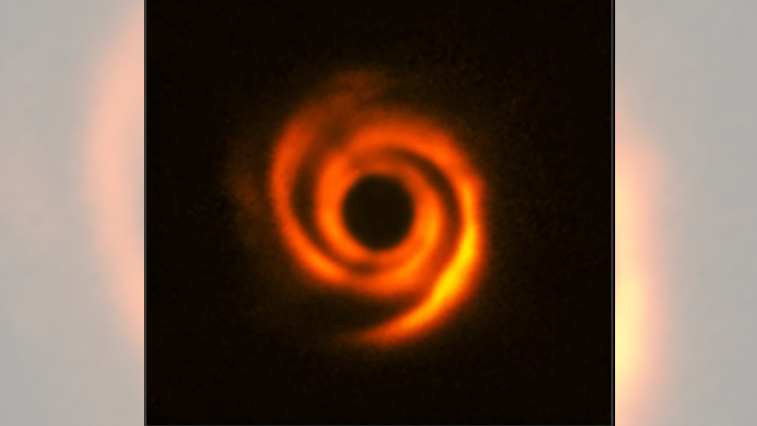
A new study published in Nature Astronomy suggests that a giant planet, MWC 758c, may be responsible for the spiral arms observed in a distant star system. The gas giant's gravitational pull is believed to have stretched the surrounding gas in the protoplanetary disk, creating the spiral arms. The planet's redness made it difficult to detect, but the researchers used a red-sensitive telescope to confirm its existence. The findings could help in identifying hidden planets in other stellar systems.
For the first time ever, scientists have witnessed a star system devouring a Jupiter-sized planet, providing a blueprint for finding similar phenomena throughout the universe. This discovery will be especially important when the Vera C. Rubin Observatory goes online in 2025. As the sun-like star consumed the planet whole, it flung the star's hot gas out into space, where it eventually cooled and turned to dust. This event is a direct observation of the eventual fate of the Earth, which will be consumed by the sun in about 5 billion years.