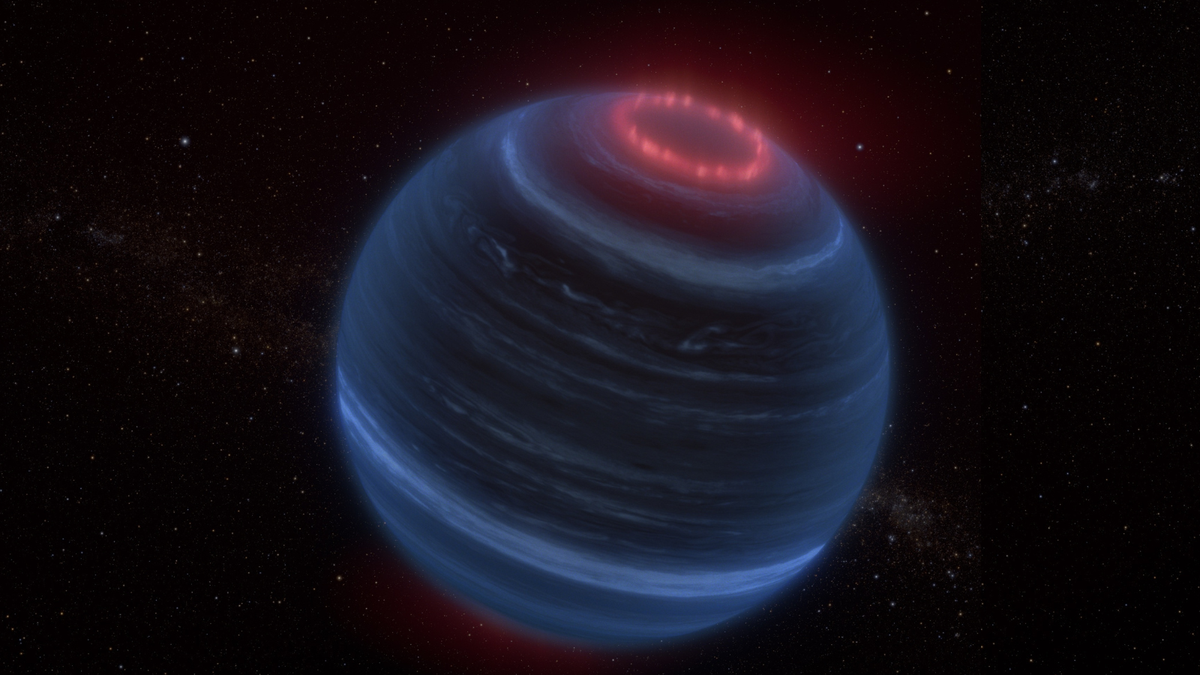
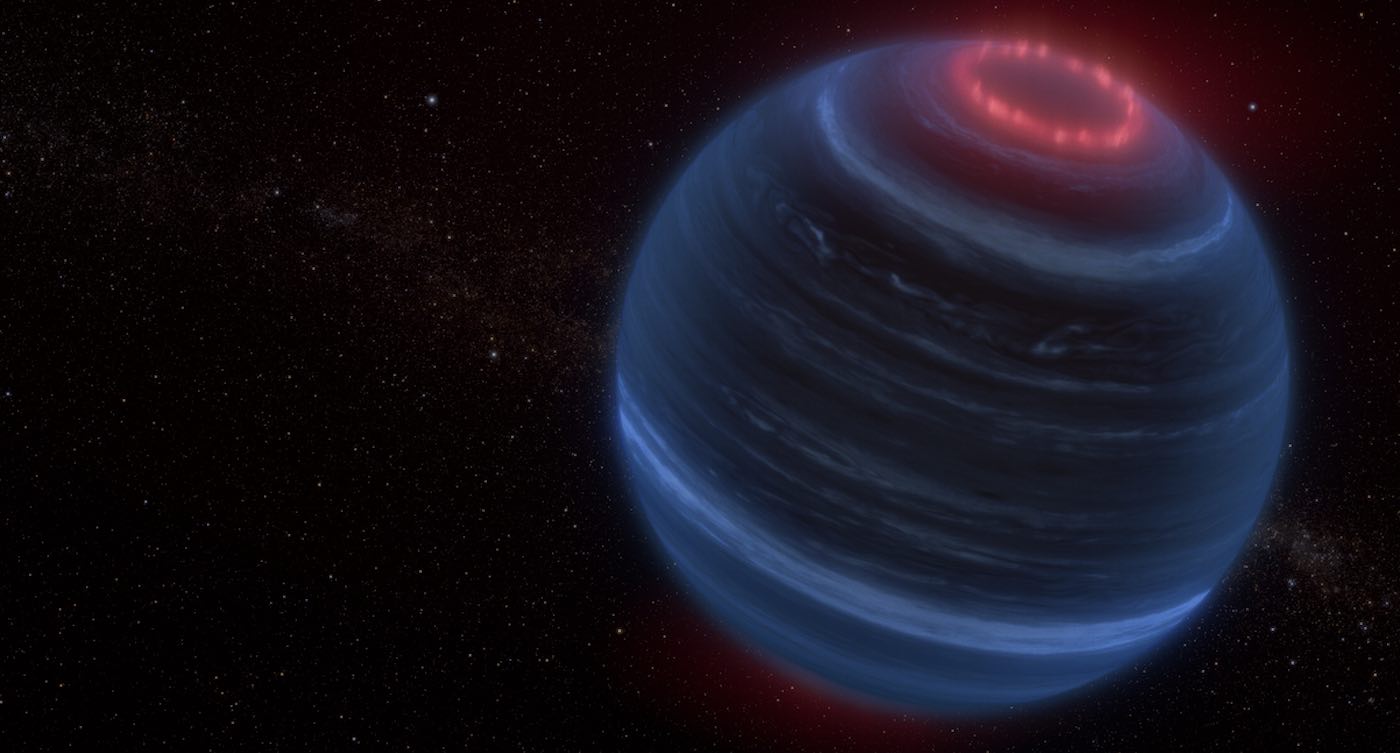
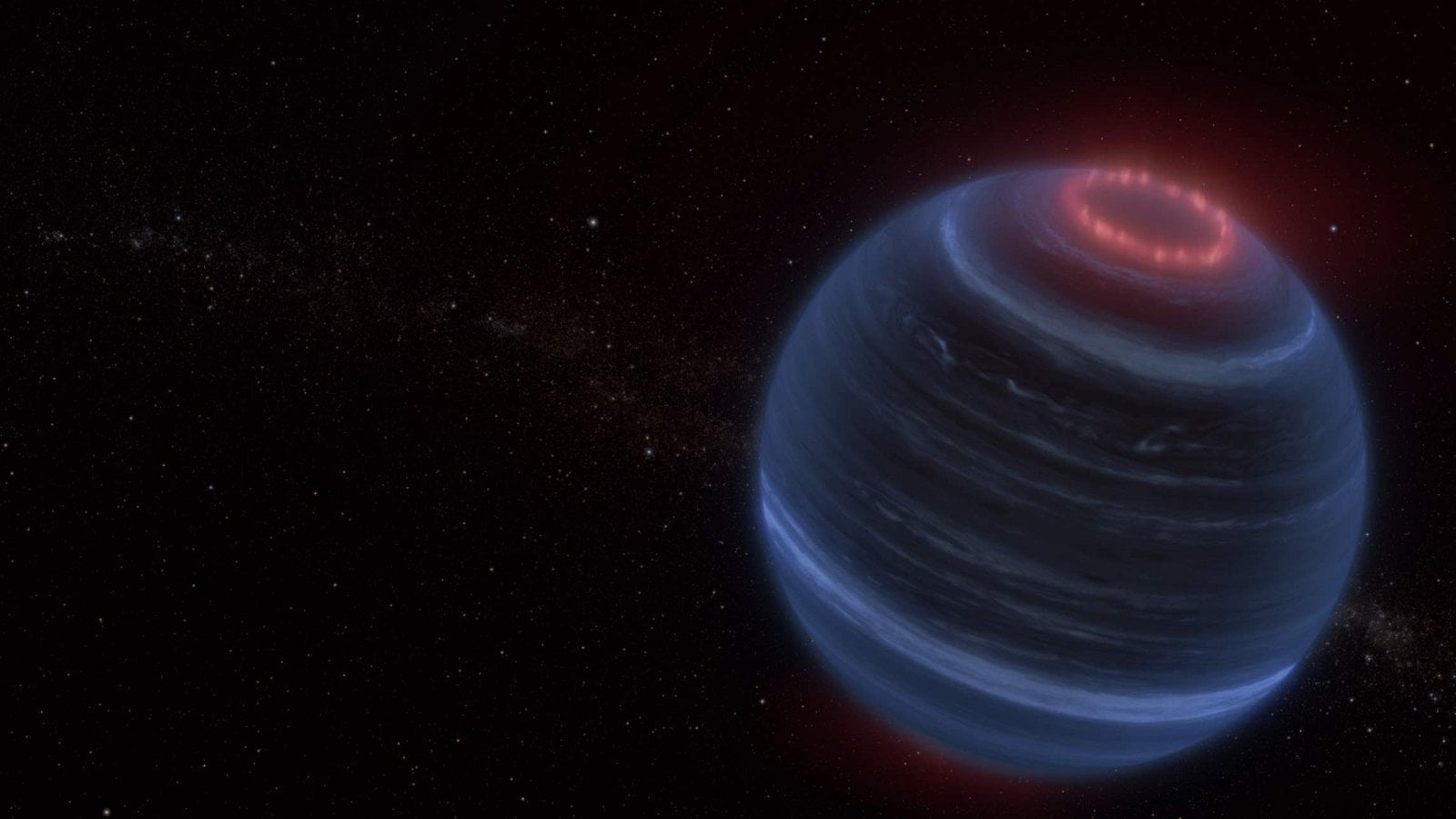
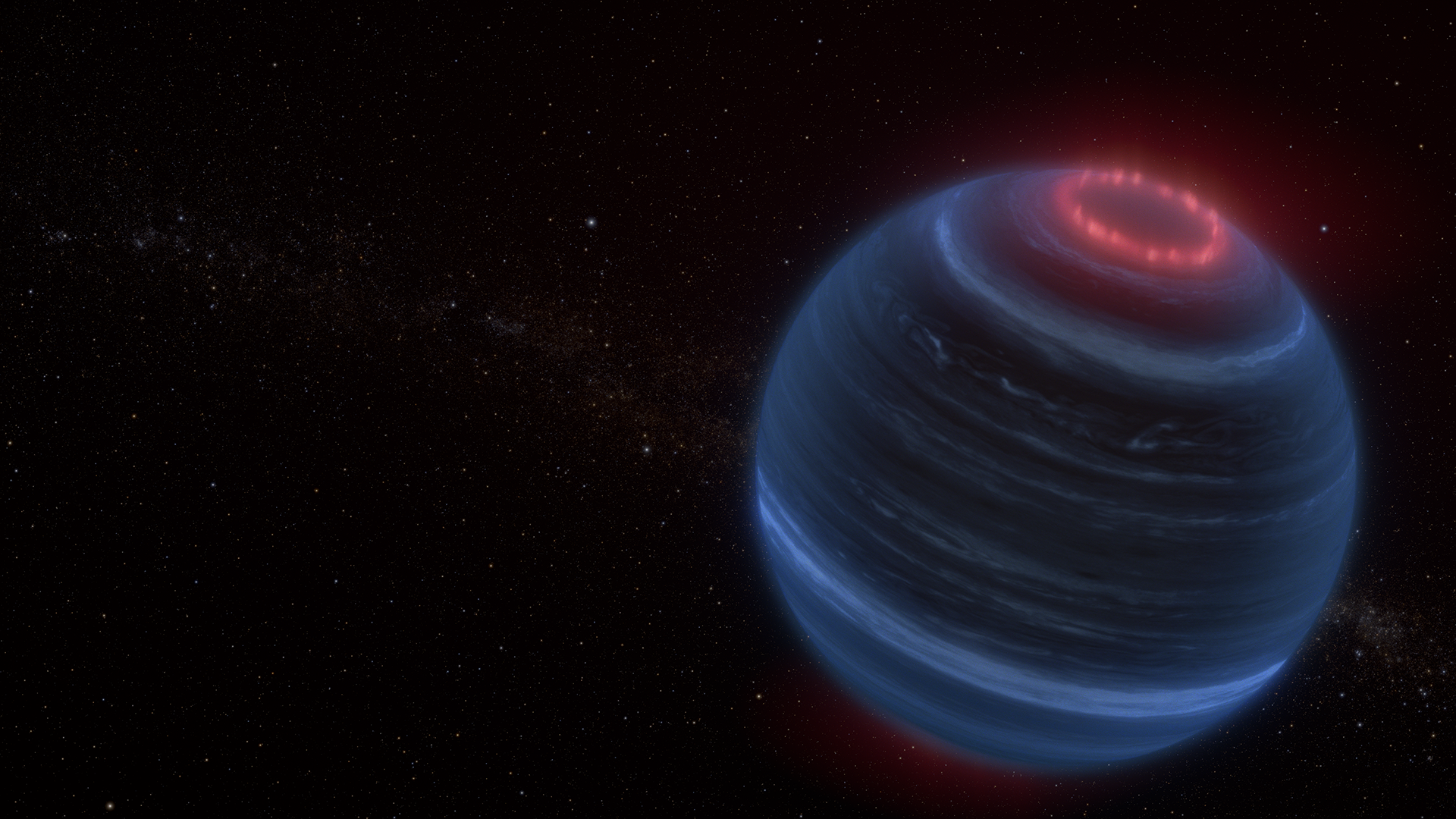
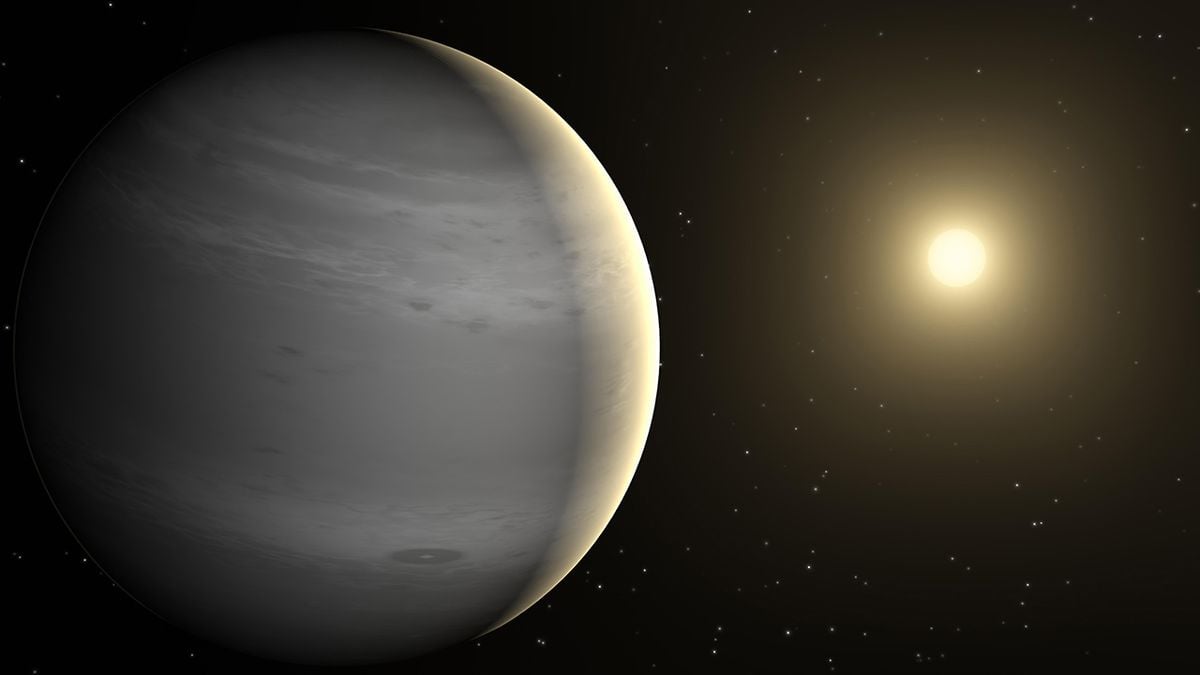
Using the James Webb Space Telescope, scientists studied the complex, chaotic weather of SIMP 0136, a brown dwarf 20 light-years away, revealing layered, turbulent atmospheres with dynamic cloud formations and vertical mixing, providing insights into atmospheric processes on similar exoplanets.
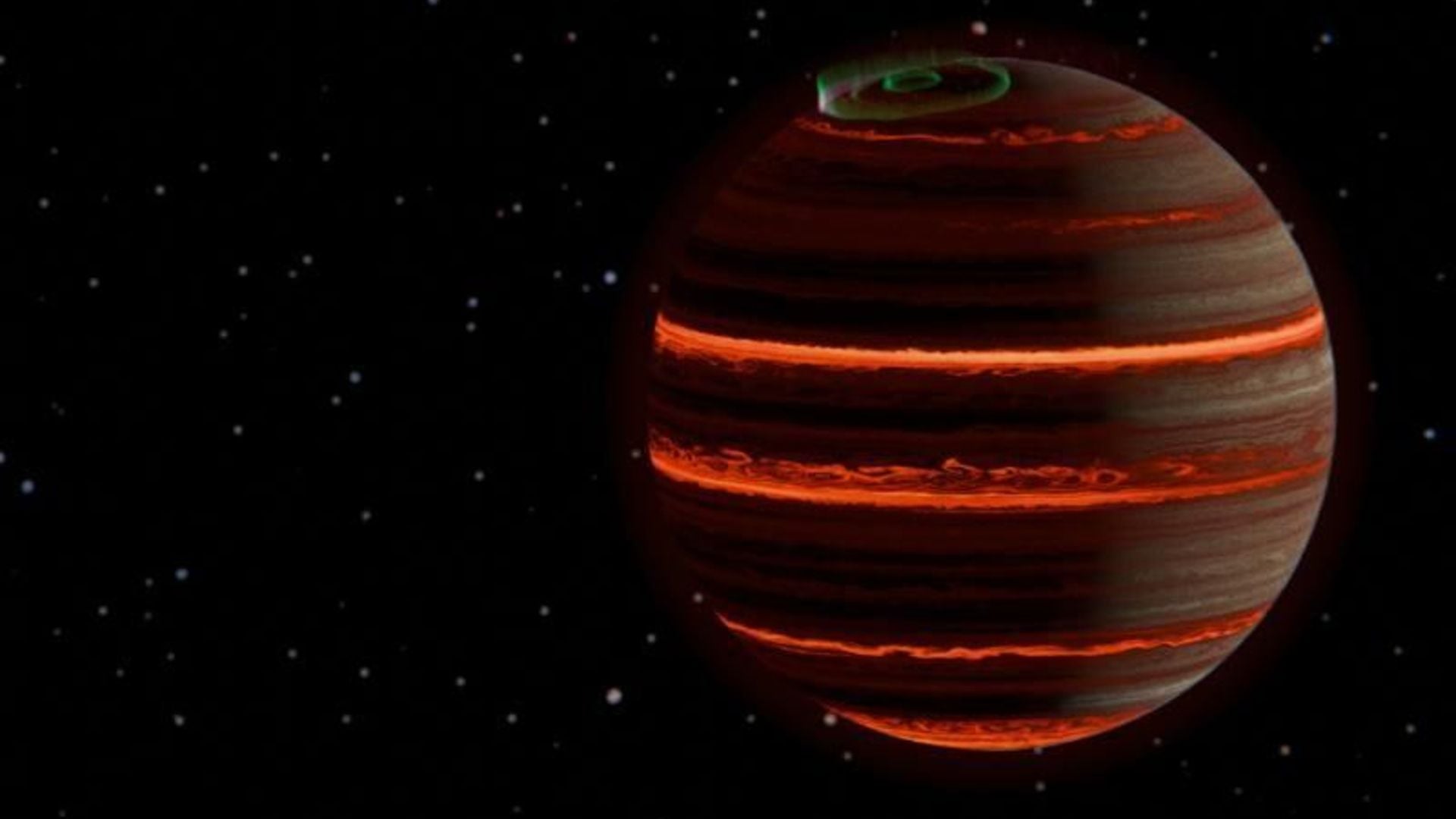
The James Webb Space Telescope has provided the first detailed weather report of the rogue world SIMP-0136, a brown dwarf about 20 light-years away, revealing stable clouds and intense auroras heating its upper atmosphere, with potential storm systems causing minor temperature fluctuations.
Using the James Webb Space Telescope, astronomers have observed the first detailed weather report of a nearby rogue world, SIMP-0136, revealing stormy conditions and auroras caused by a strong magnetic field, providing new insights into the atmospheres of worlds beyond our solar system.
A rare brown dwarf nicknamed 'The Accident' has provided the first detection of silane, a silicon-based molecule, revealing new insights into the atmospheric chemistry of giant planets and brown dwarfs, and suggesting that the early universe had less oxygen, allowing silicon to bond with hydrogen instead.
A NASA study using the James Webb Space Telescope discovered silane in a peculiar brown dwarf called 'The Accident,' shedding light on the elusive presence of silicon compounds in Jupiter and Saturn's atmospheres and offering insights into planetary chemistry and formation history.
The James Webb Space Telescope has made a surprising discovery of methane emissions from a brown dwarf, suggesting the presence of aurorae and a potential hidden exomoon. This finding challenges previous assumptions about these "failed stars" and raises questions about the source of the emissions. The discovery highlights the significant impact of the JWST in uncovering new phenomena in the universe.
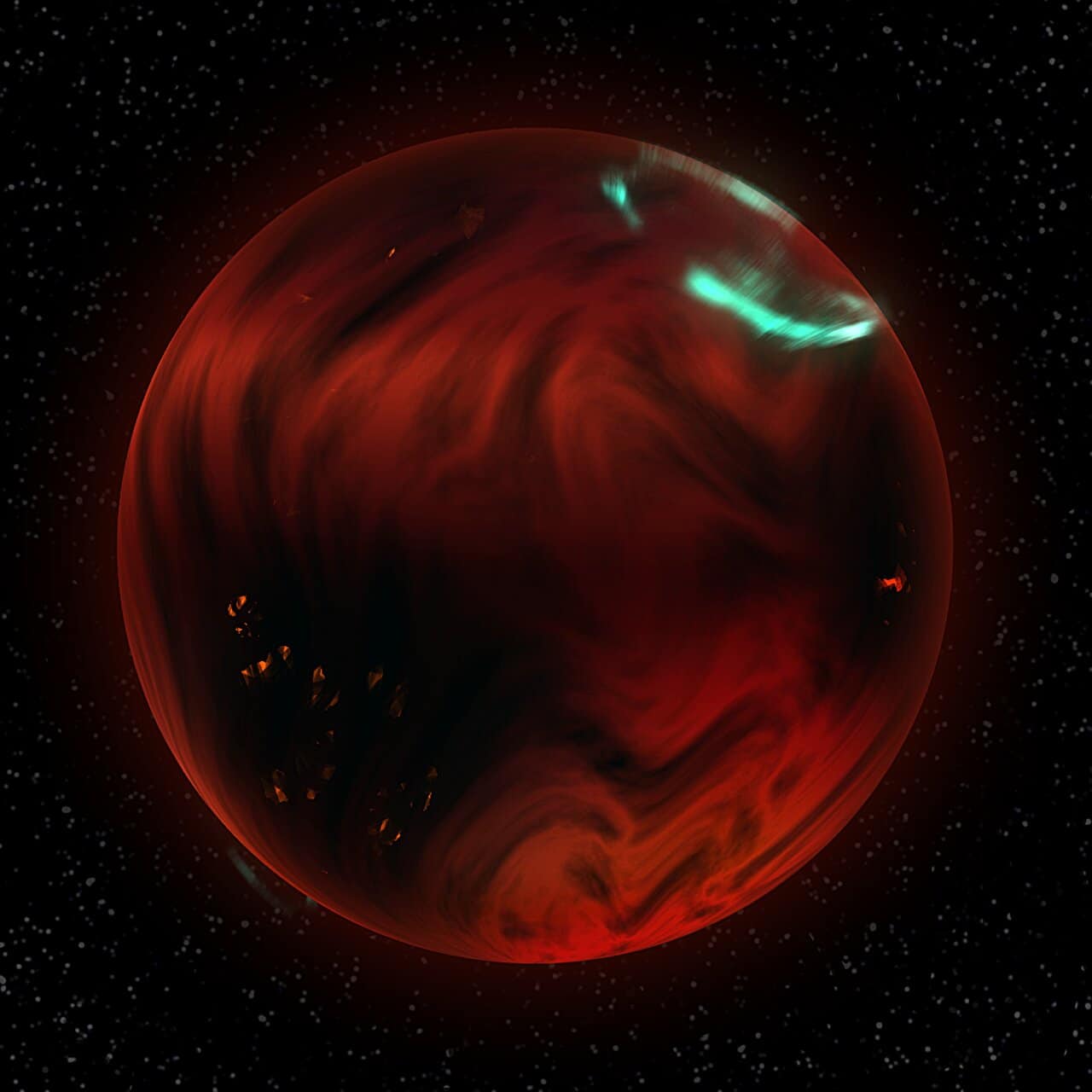
NASA's James Webb telescope has discovered bright red lights in a distant brown dwarf, with methane emissions in one of 12 cold brown dwarfs it was observing, called W1935, glowing like a bright red crown. This discovery is unusual as methane emissions are commonly found in gas giants like Jupiter and Saturn, where heating in the upper atmosphere powers the emissions linked to aurorae. The team theorizes that the emission may be facilitated by an internal process in the brown dwarf similar to the atmospheric phenomena of Jupiter, or interactions with nearby moons or interstellar plasma, presenting a puzzling extension of a solar system phenomenon without any stellar irradiation to help in the explanation.
NASA's James Webb Space Telescope has discovered glowing methane emissions resembling aurora lights on a cold brown dwarf, W1935, located 47 light-years from Earth. This surprising find challenges previous assumptions about brown dwarfs, which are not planets or stars but form like stars without radiating starlight. Astronomers believe that internal processes or external interactions from active moons may account for the auroral emissions on this isolated brown dwarf, marking the first auroral candidate outside our solar system with a signature of methane and the coldest.
Astronomers using NASA’s James Webb Space Telescope have observed a mysterious aurora-like phenomenon on a brown dwarf called W1935, located 47 light-years from Earth. Unlike planets in our solar system, this isolated object lacks a nearby star to create such an aurora, posing a mystery as to the source of energy heating its upper atmosphere and causing methane to glow. The discovery, presented at the American Astronomical Society meeting, suggests that internal processes or external interactions may explain this phenomenon, offering a unique opportunity to study auroral processes beyond our solar system.
The James Webb Space Telescope has detected anomalous methane emissions from a mysterious isolated brown dwarf called W1935, larger than Jupiter, which lacks a host star to provide energy for such emissions. Astronomers believe the emissions could be due to auroral processes, similar to those seen on gas giants like Jupiter. This discovery challenges current understanding of how methane emissions are produced and raises questions about the source of the brown dwarf's eerie glow, possibly involving interstellar plasmas or an active moon. Further observations with the James Webb Space Telescope may provide more insight into this puzzling phenomenon.
NASA's James Webb Space Telescope has discovered a brown dwarf, W1935, with infrared emission from methane, suggesting atmospheric heating by auroral processes. This unexpected finding raises questions about the source of energy in the cold, isolated brown dwarf, which lacks a host star. Astronomers speculate that the methane emission may be due to processes generating aurorae, similar to those observed in our solar system's gas giants. The discovery provides insight into the atmospheric phenomena of distant worlds and the potential role of auroral processes beyond our solar system.
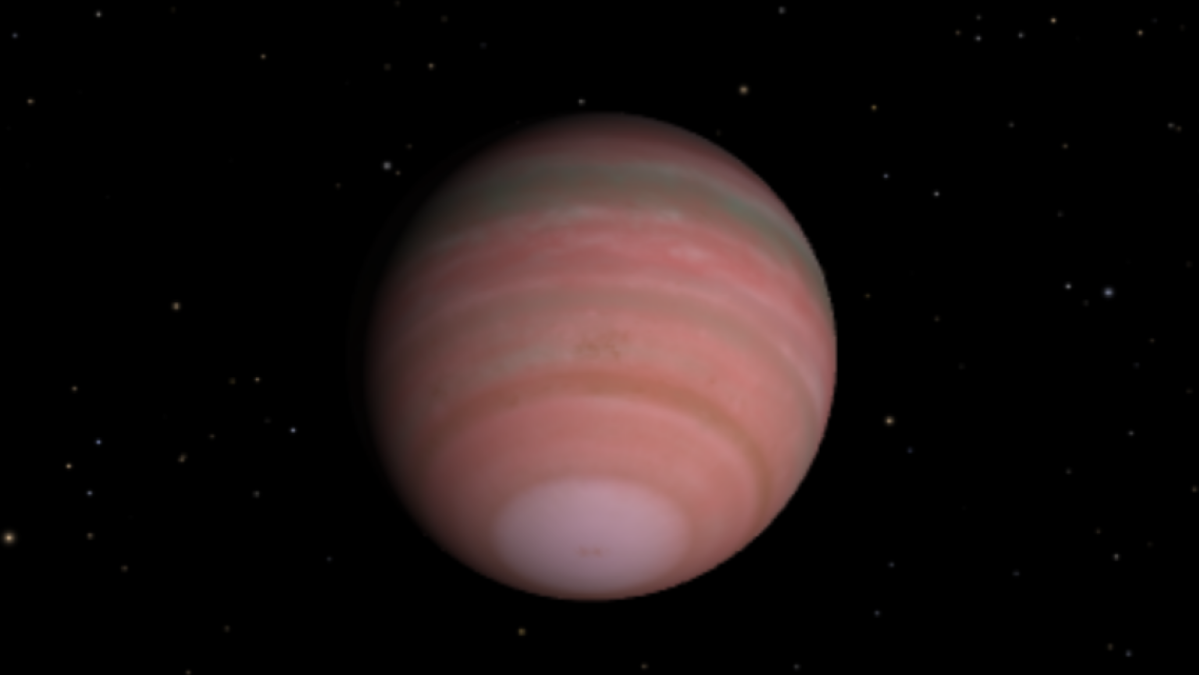
Astronomers have discovered a variety of "impossible" worlds beyond our Solar System, challenging our understanding of planets. These include Exoplanet LTT9779b, a hot Neptune-sized planet with glassy metallic clouds, and VHS 1256 b, a puzzling object that may be a planet or a brown dwarf with silica clouds. The discovery of a brown dwarf weighing just three to four times the mass of Jupiter and free-floating Jupiter Mass Binary Objects (JuMBOs) in the Orion Nebula further blurs the line between planets and stars. Observations from the James Webb Space Telescope (JWST) have also revealed the survival of rocky planet building blocks around hot stars and the presence of water in star systems. Additionally, the discovery of a potential co-planer planet in the PDS 70 system and a six-planet system in resonance around star HD 110067 are expanding our understanding of planetary systems.
Scientists have detected the presence of 15NH3, a rare isotopologue of ammonia, in the atmosphere of a cool brown dwarf using high-resolution spectroscopy. This discovery provides valuable insights into the chemical composition and atmospheric processes of these celestial objects, which are intermediate between planets and stars. The detection of 15NH3 will aid in understanding the formation and evolution of brown dwarfs and their potential for hosting habitable environments.
Scientists using the Very Large Telescope have captured an image of the HIP 81208 star system, revealing a gas giant planet named HIP 81208 Cb. This discovery makes HIP 81208 a unique hierarchical quadruple system with two stars and two smaller bodies orbiting each one. The newly found planet is located at the border between planets and brown dwarfs, and its mass is approximately 15 times that of Jupiter. The image provides a rare direct view of an exoplanet, as most are too distant and small to be imaged.
The Very Large Telescope in Chile has discovered a massive exoplanet orbiting a star in a multi-star system known as HIP 81208. The exoplanet, 15 times the mass of Jupiter, orbits a smaller star that itself orbits a larger star. The system also includes a brown dwarf. This marks the first hierarchical quadruple system found using direct imaging, providing valuable insights into the formation of complex systems.