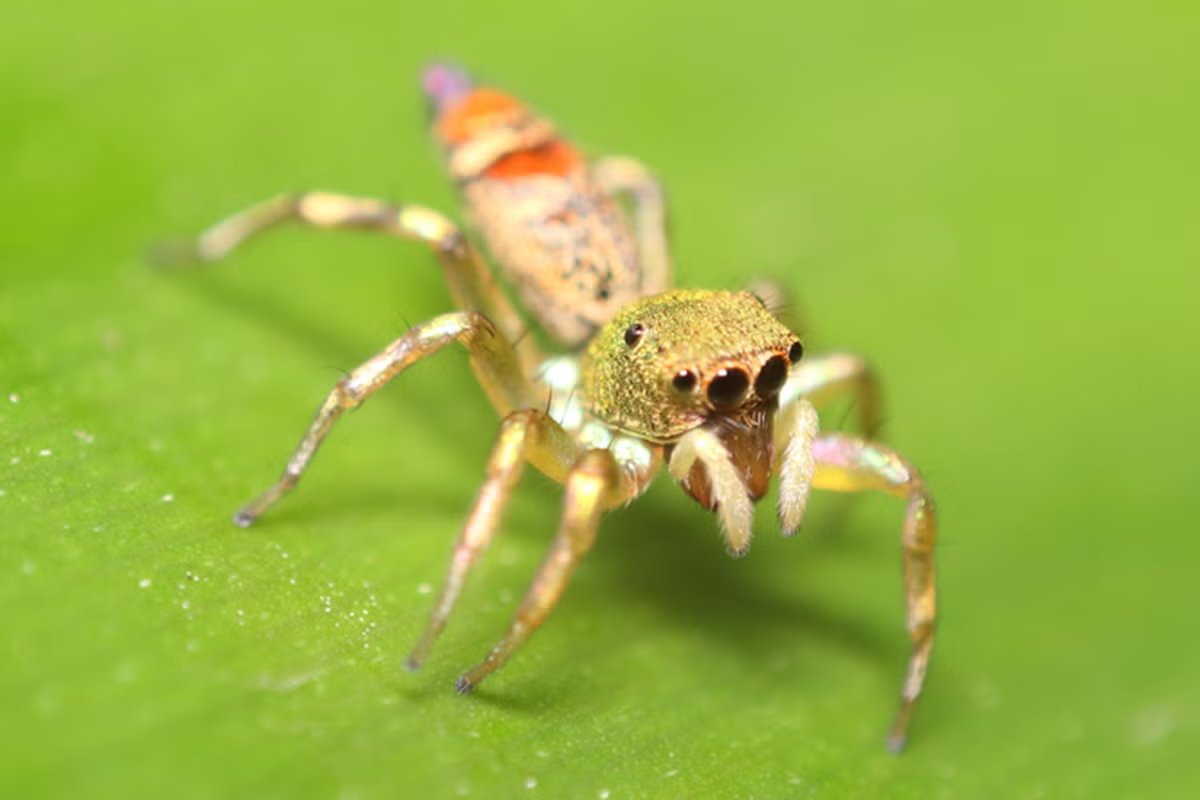
Scientists are studying the unique 'dark DNA' of Australia's peacock spiders, which may explain their rapid evolution into over 100 species, potentially transforming our understanding of genetic adaptation and evolution.
A recent study shows that most known species across the tree of life originated during rapid evolutionary events called 'explosions' of diversity, with most species belonging to a few large, fast-diversifying groups, although bacterial diversity remains less understood.
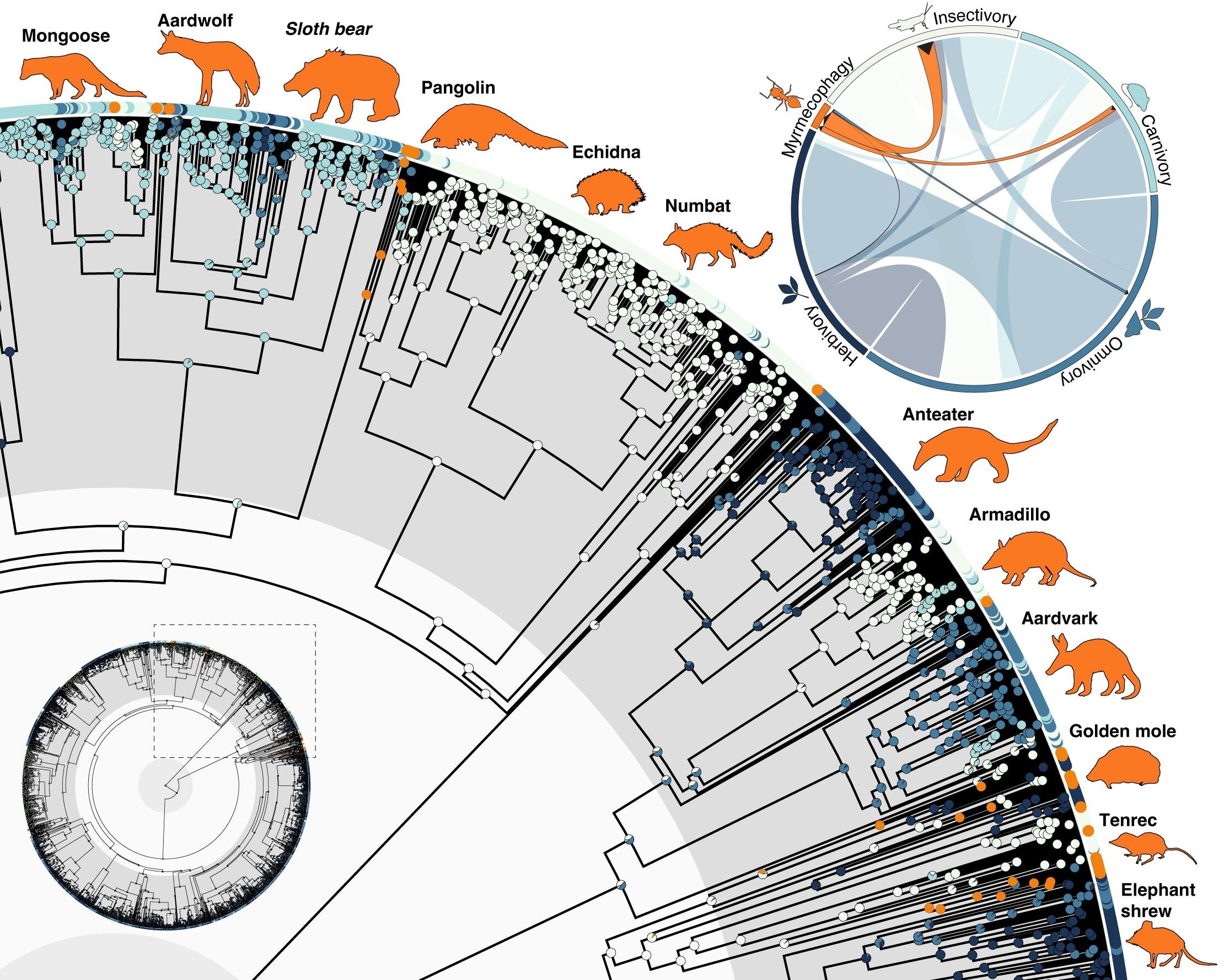
A new study reveals that mammals have independently evolved specialized diets for eating ants and termites at least 12 times since the dinosaur era, driven by the rise of social insects after the K-Pg extinction, with some lineages becoming highly specialized and rarely reverting to other diets.
Recent genetic and morphological studies reveal that the Portuguese Man O' War is actually four distinct species rather than one, with each having unique genetic makeup and specific geographic ranges, challenging previous assumptions of a single global species.
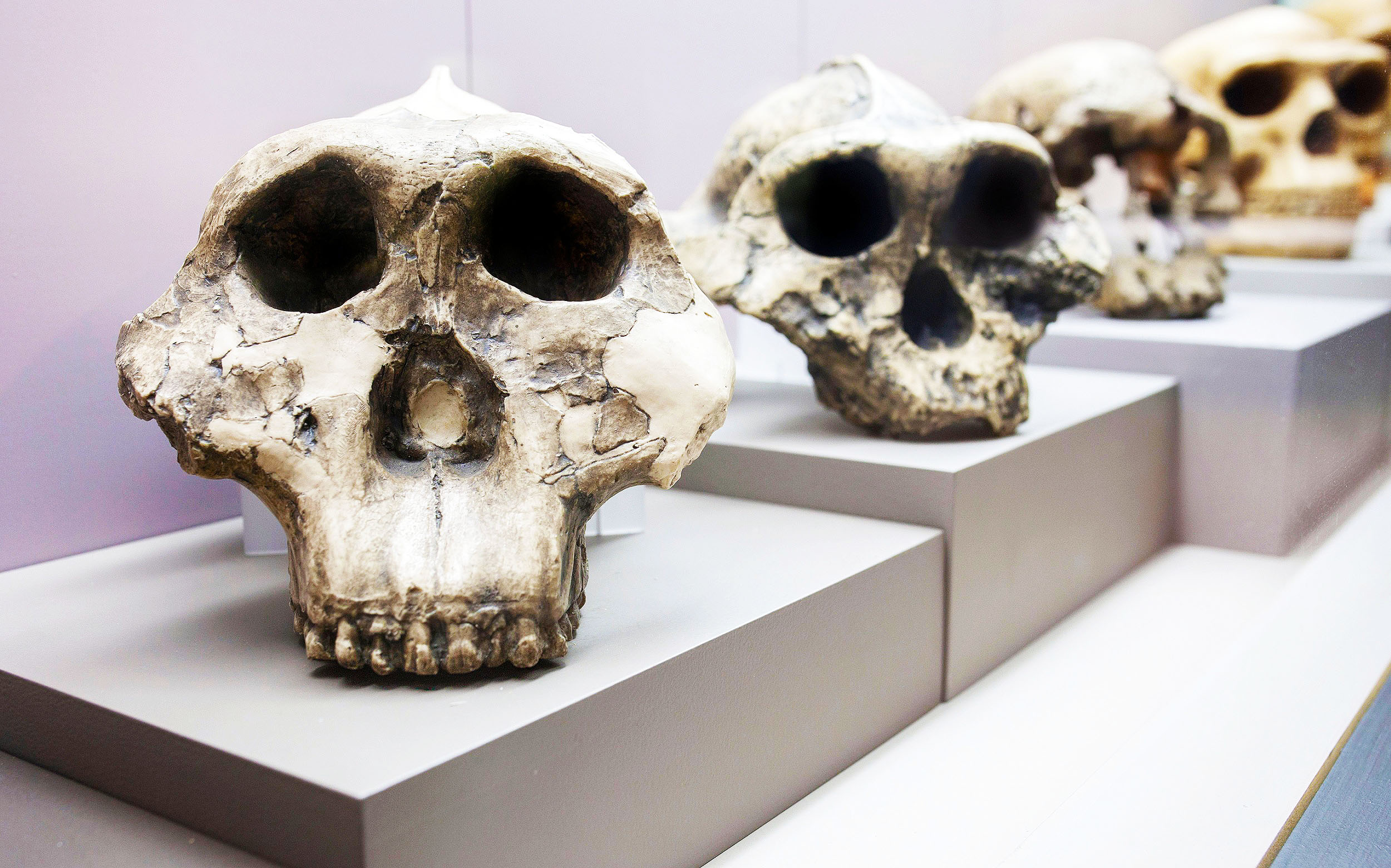
Recent analysis of ancient tooth enamel proteins suggests that Paranthropus robustus may not have been a single species, revealing hidden genetic variation and challenging previous notions of its uniformity, with implications for understanding early human evolution.
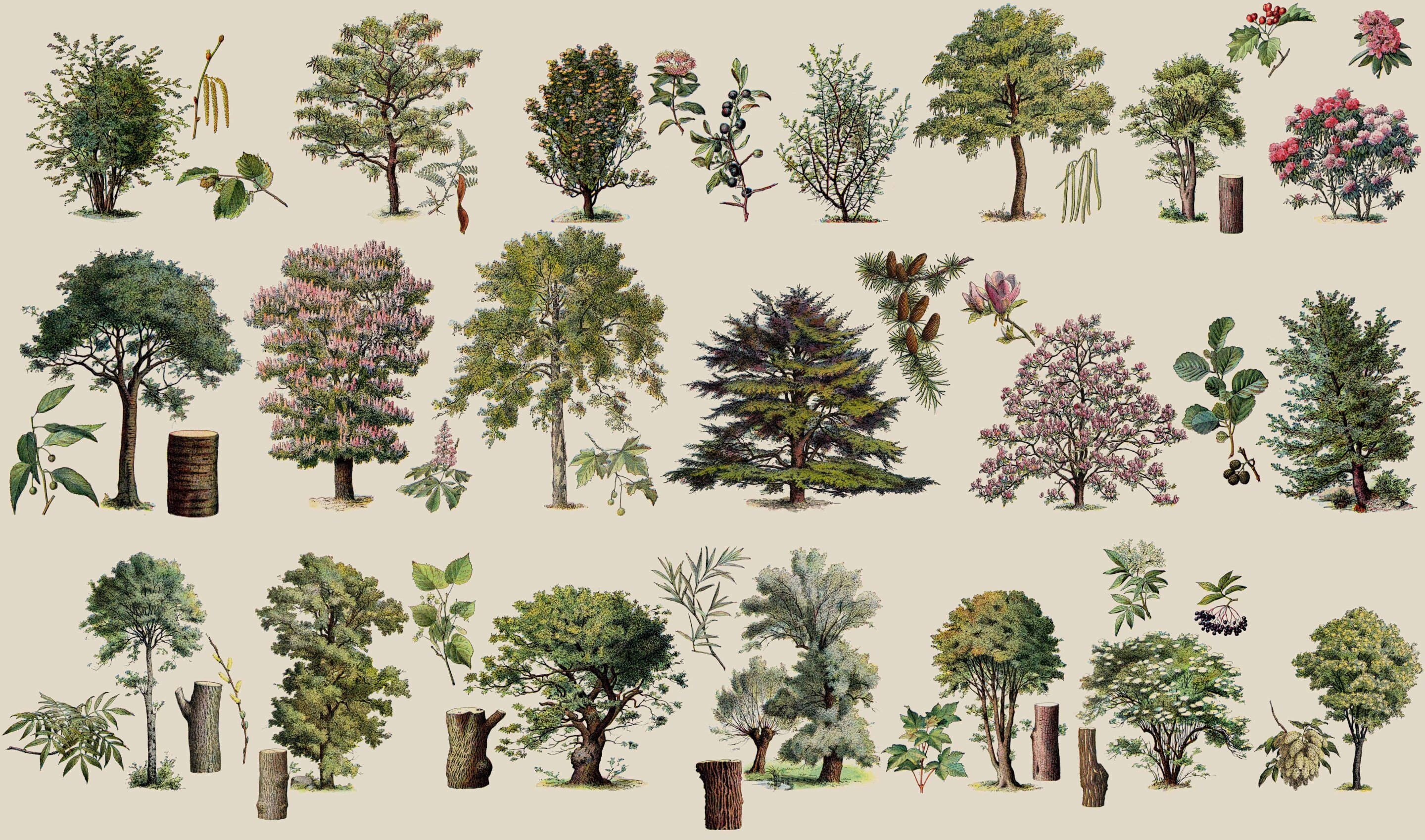
A study published in the Proceedings of the National Academy of Sciences reveals that the simplest measure of diversity, specifically counting all species in a given area, is the best way to assess the productivity of eastern U.S. forests. Researchers analyzed two decades of tree data and found that a greater number of tree species consistently resulted in a more productive forest, while other measures of diversity such as relatedness and functional differences showed negative correlations with productivity. This finding provides a straightforward roadmap for conservation efforts, emphasizing the importance of species richness in assessing forest health and productivity.
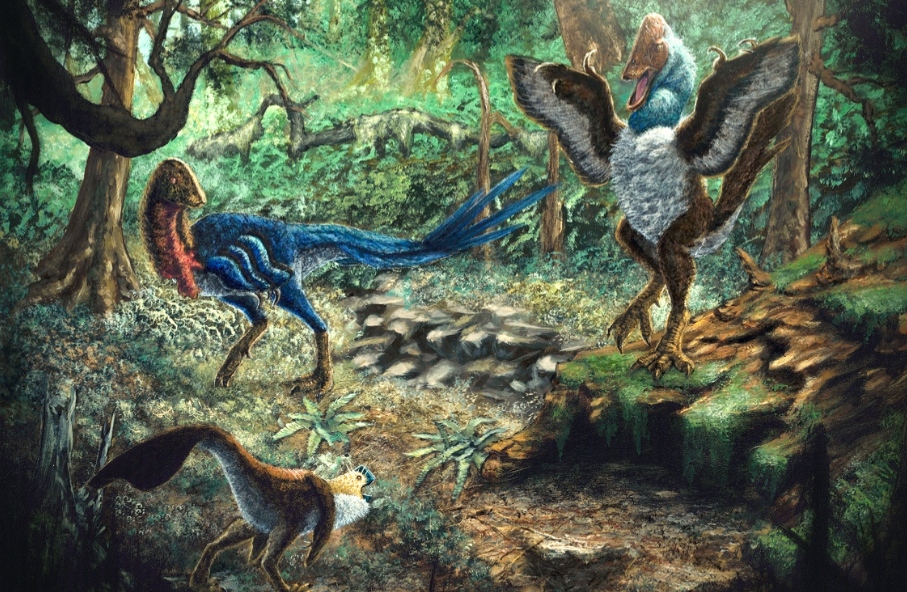
A new dinosaur species, Eoneophron infernalis, challenges the theory that dinosaur diversity was in decline before the asteroid impact that killed non-avian dinosaurs. The discovery suggests that caenagnathid diversity had been stable for millions of years before the impact, countering the argument of a decline based on the incomplete fossil record. The findings by researchers at Oklahoma State University indicate that there are still new dinosaur species to be discovered and support the idea that sampling and preservation biases may have influenced the perceived decline in diversity.
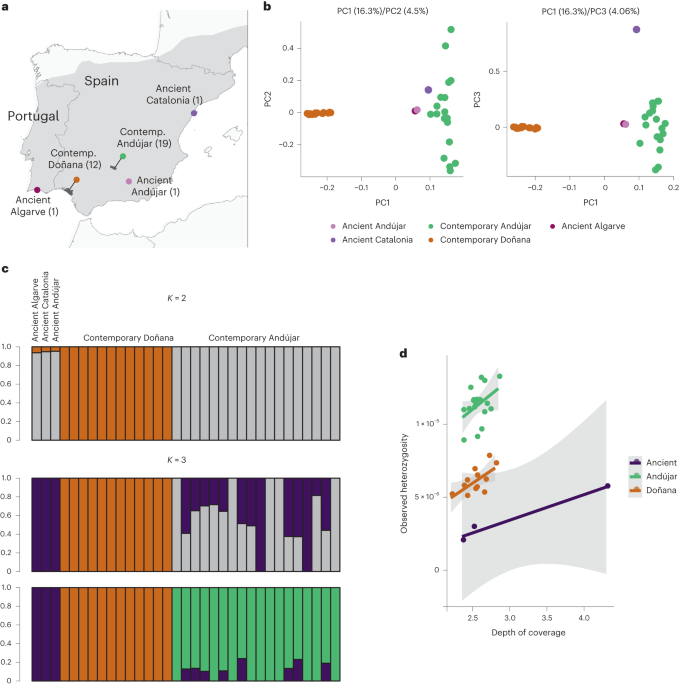
Recent research has revealed an increase in species-wide diversity in the highly endangered Iberian lynx following interspecies introgression, which involves the transfer of genetic material between different species. This genetic rescue has been identified through the analysis of ancient DNA, shedding light on the impact of demographic bottlenecks and the potential for conservation efforts to enhance genetic diversity in endangered populations.
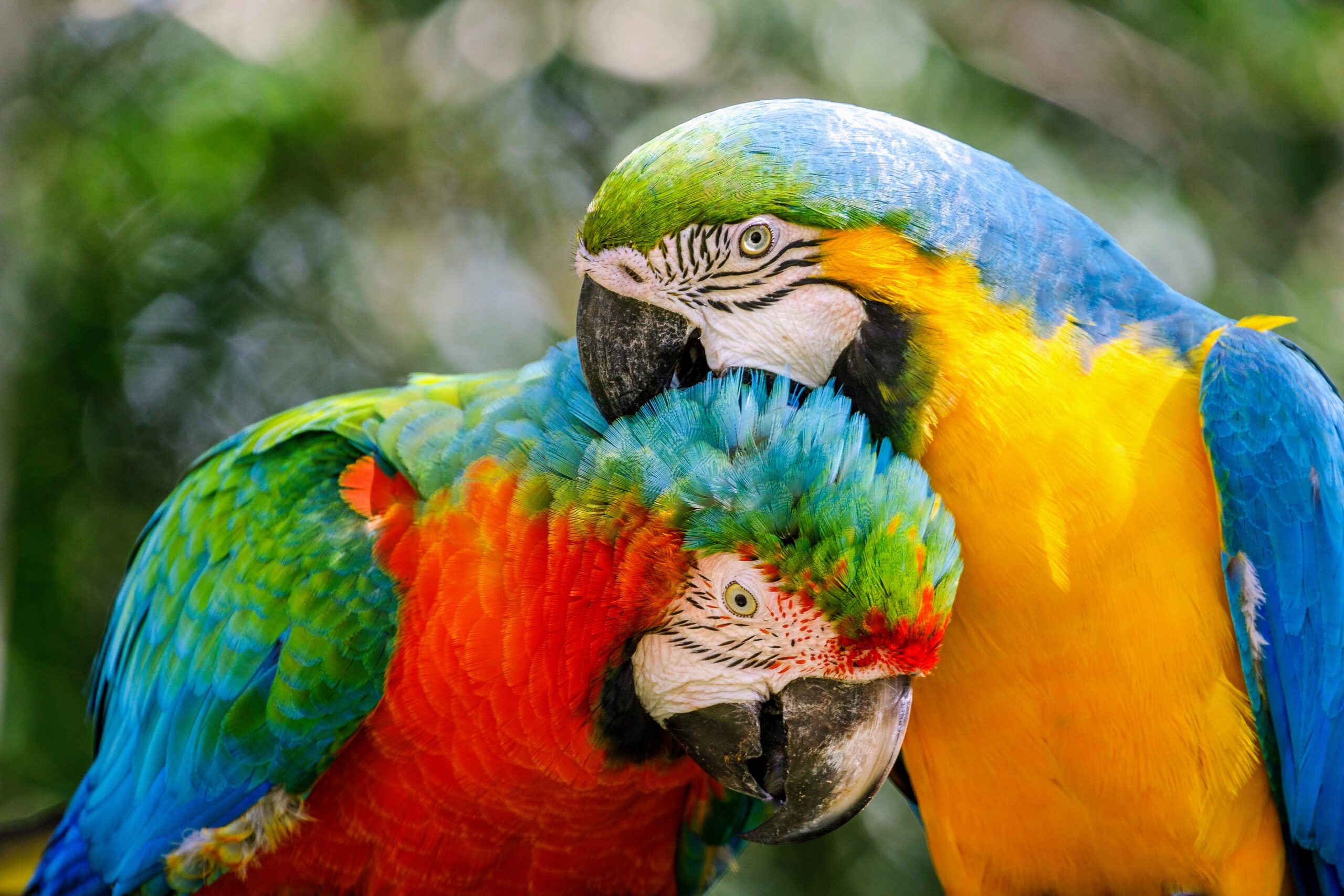
A recent study on Caribbean parrots has revealed that these birds were once more prevalent and varied than previously thought, with species believed to be unique to specific islands. Over half of the Caribbean parrot species are now extinct, making them the most endangered bird group globally. The study sheds light on the historical distribution of parrots and the human role in their relocation. Genetic sequencing has helped identify fossil species and establish connections between extinct Caribbean birds and those in Africa and New Zealand. Understanding the past distribution of species is crucial for conservation efforts.
A study published in Nature Communications reveals that as birds evolve greater complexity in their skeletons, their biodiversity decreases. Researchers found that birds with less complex skeletons have higher species diversity, while those with more complex skeletons occupy smaller niches and are less likely to produce new species. Birds with more complex skeletons also tend to be more ecologically specialized, occupying fewer habitats and foraging in fewer ways. The study suggests that specialization limits the ability of birds to give rise to new species and makes them more vulnerable to environmental changes and extinction.
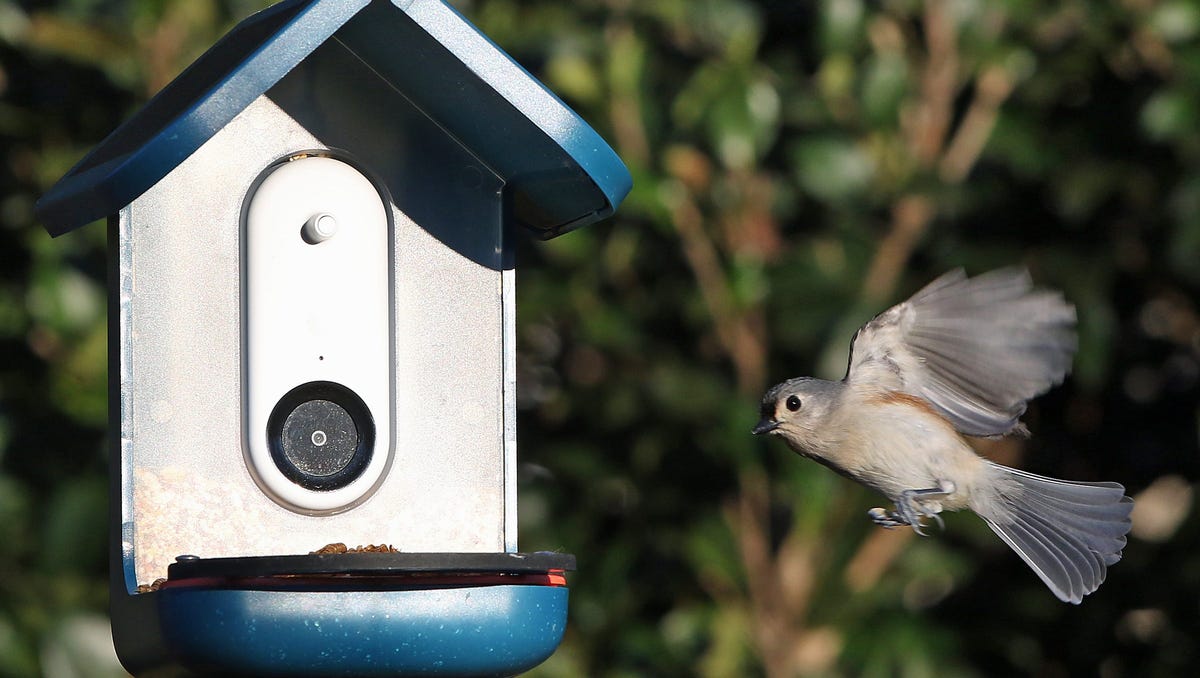
A study published in PLOS ONE reveals that bird-feeding has dramatically increased worldwide during the COVID-19 lockdowns, but it may harm the birds we love. While feeding wild birds provides benefits for human well-being and mental health, it can lead to the spread of diseases, poor nutrition, advantaging already abundant species, changing community structure, and altering migration patterns. The study also found a clear association between the level of interest in bird feeding and species diversity, suggesting that countries with more bird species have greater levels of interest in feeding them. To minimize risks, it is recommended to keep feeders clean, avoid excessive food, and provide species-appropriate food from reliable sources.
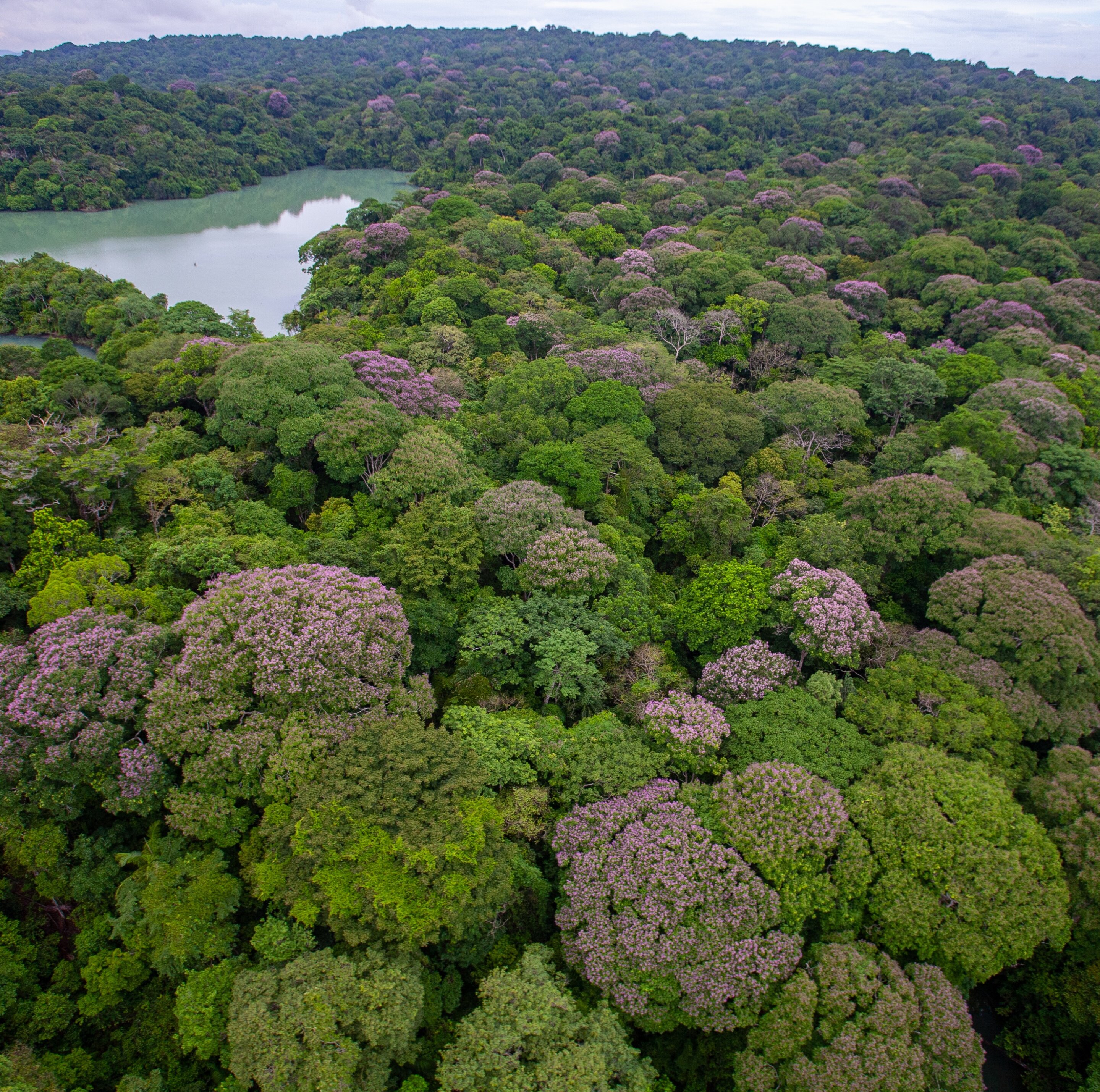
Researchers at The University of Texas at Austin have discovered that adult trees in a Panamanian forest are three times as distant from other adults of the same species as expected, indicating a form of social distancing. Using computational models and data collected over 30 years, the study found that each tree species is negatively affected by its own kind, likely due to species-specific enemies such as pathogens and herbivores. This repulsion allows for the establishment of other species, promoting biodiversity and preventing dominance. The findings contribute to understanding the dynamics of carbon storage and the maintenance of biodiversity in tropical forests.