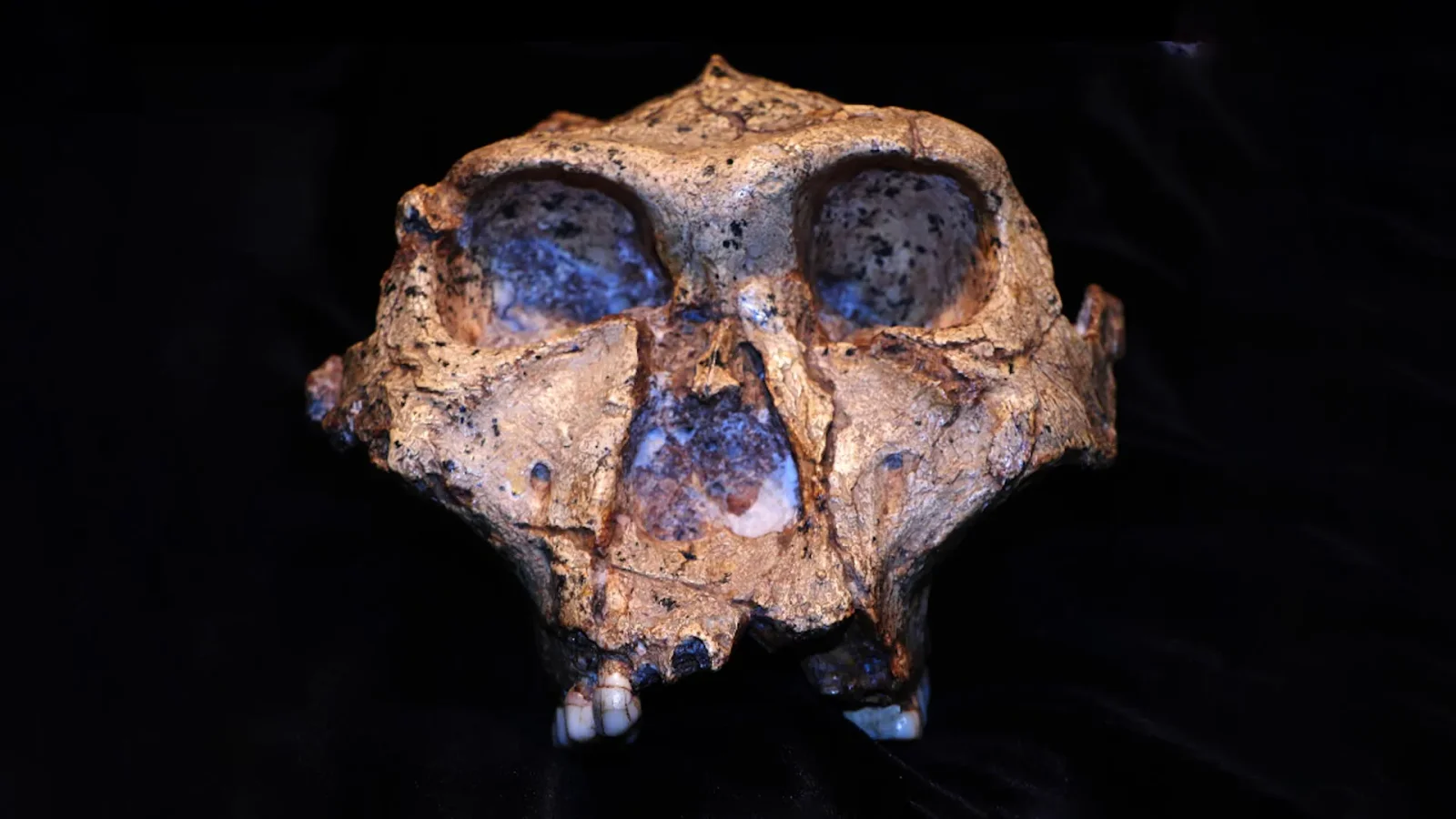
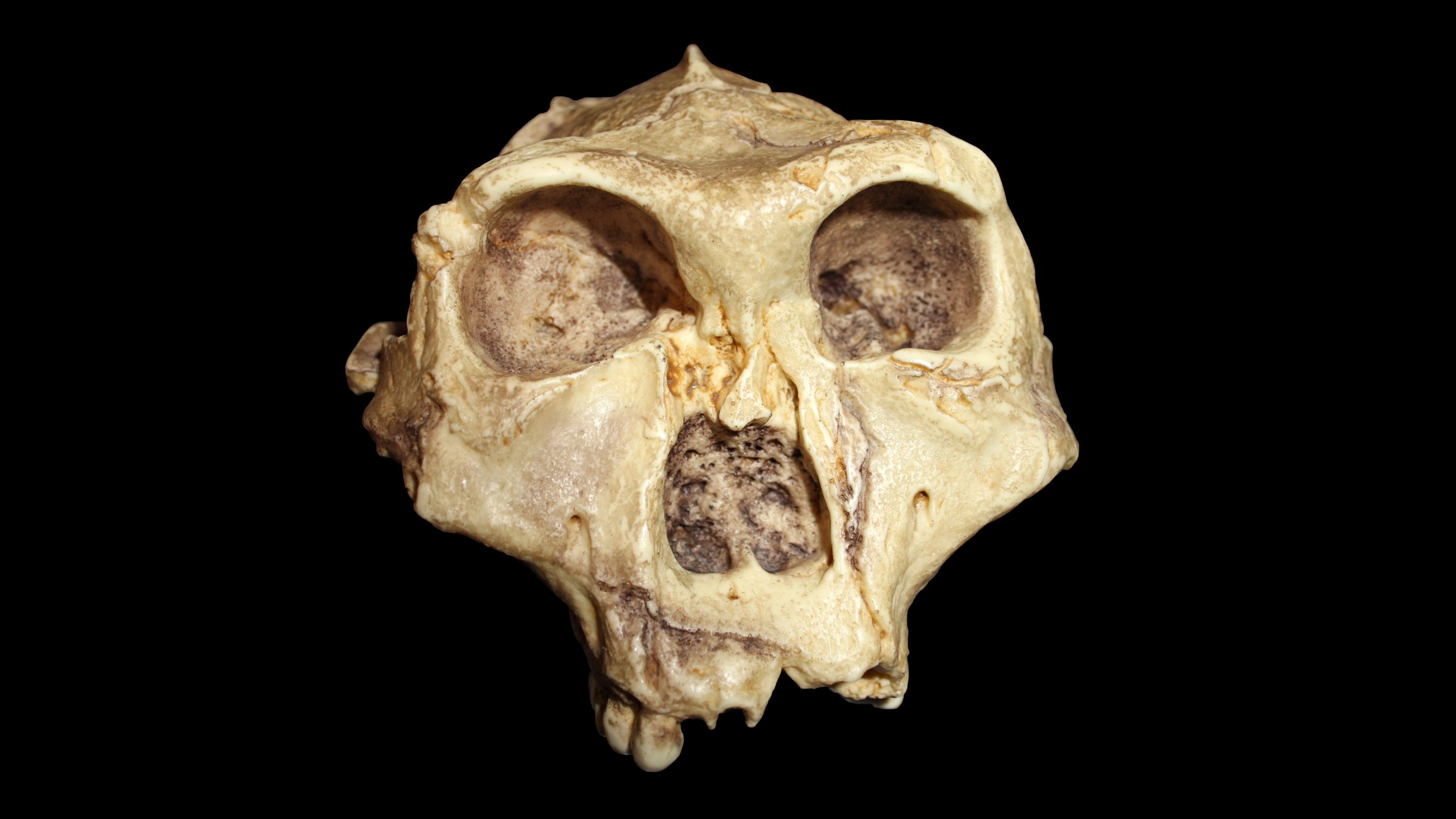
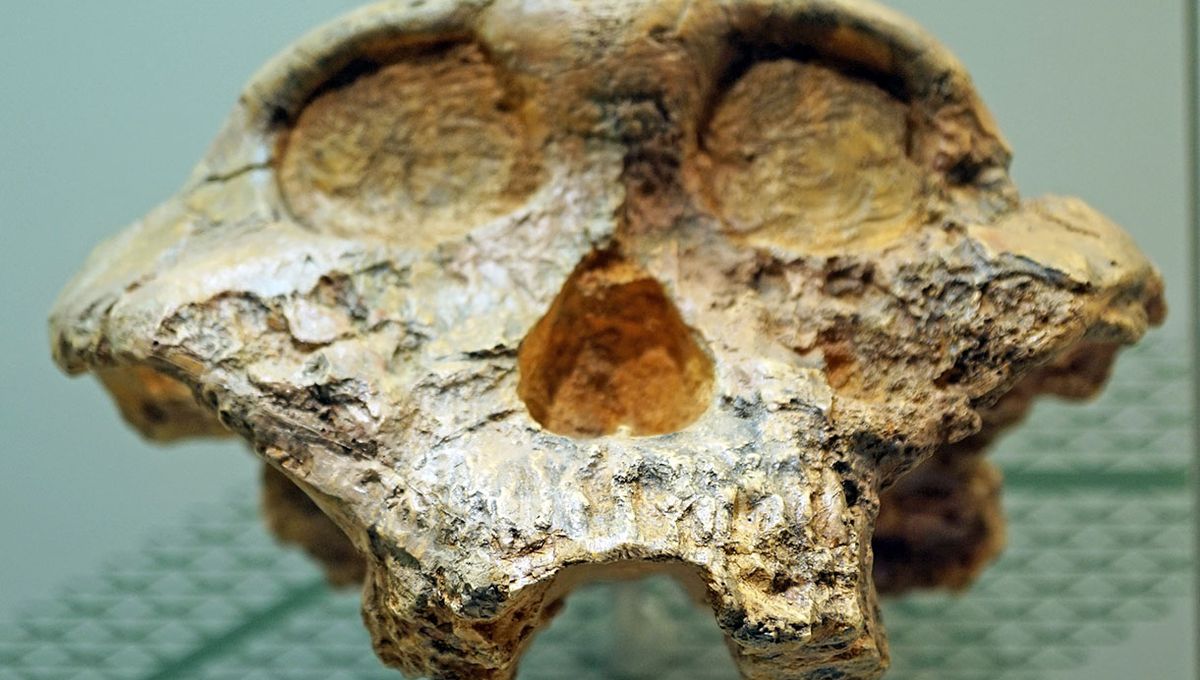
Scientists used paleoproteomics to analyze 2-million-year-old teeth of Paranthropus robustus, revealing insights into its sex, genetic variation, and suggesting a more complex, diverse early human family tree, marking a significant advancement in understanding human origins.
Scientists used paleoproteomics to analyze proteins from 2-million-year-old teeth of Paranthropus robustus, revealing new insights into its diversity, sex, and potential multiple species, thus advancing understanding of human evolutionary history.
Recent analysis of ancient tooth enamel proteins suggests that Paranthropus robustus may not have been a single species, revealing hidden genetic variation and challenging previous notions of its uniformity, with implications for understanding early human evolution.
Scientists analyzed enamel proteins from 1.8 to 2.2 million-year-old Paranthropus robustus teeth, revealing biological sex differences and high genetic diversity, suggesting the existence of distinct groups and frequent intergroup mating.
Small pieces of tooth enamel from 2 million-year-old fossils in South Africa have been analyzed using proteomics, revealing new insights into early human relatives, including sex determination and potential species diversity, highlighting the limitations of traditional methods and the promise of advanced protein analysis in paleoanthropology.
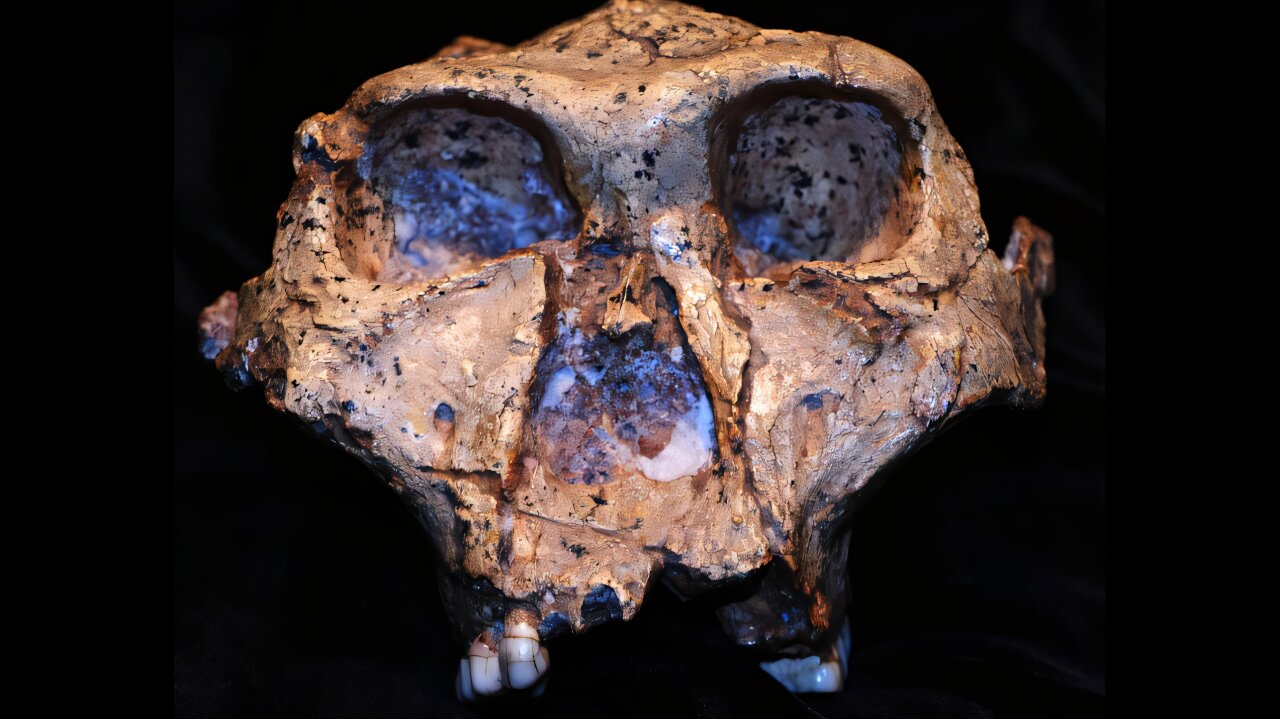
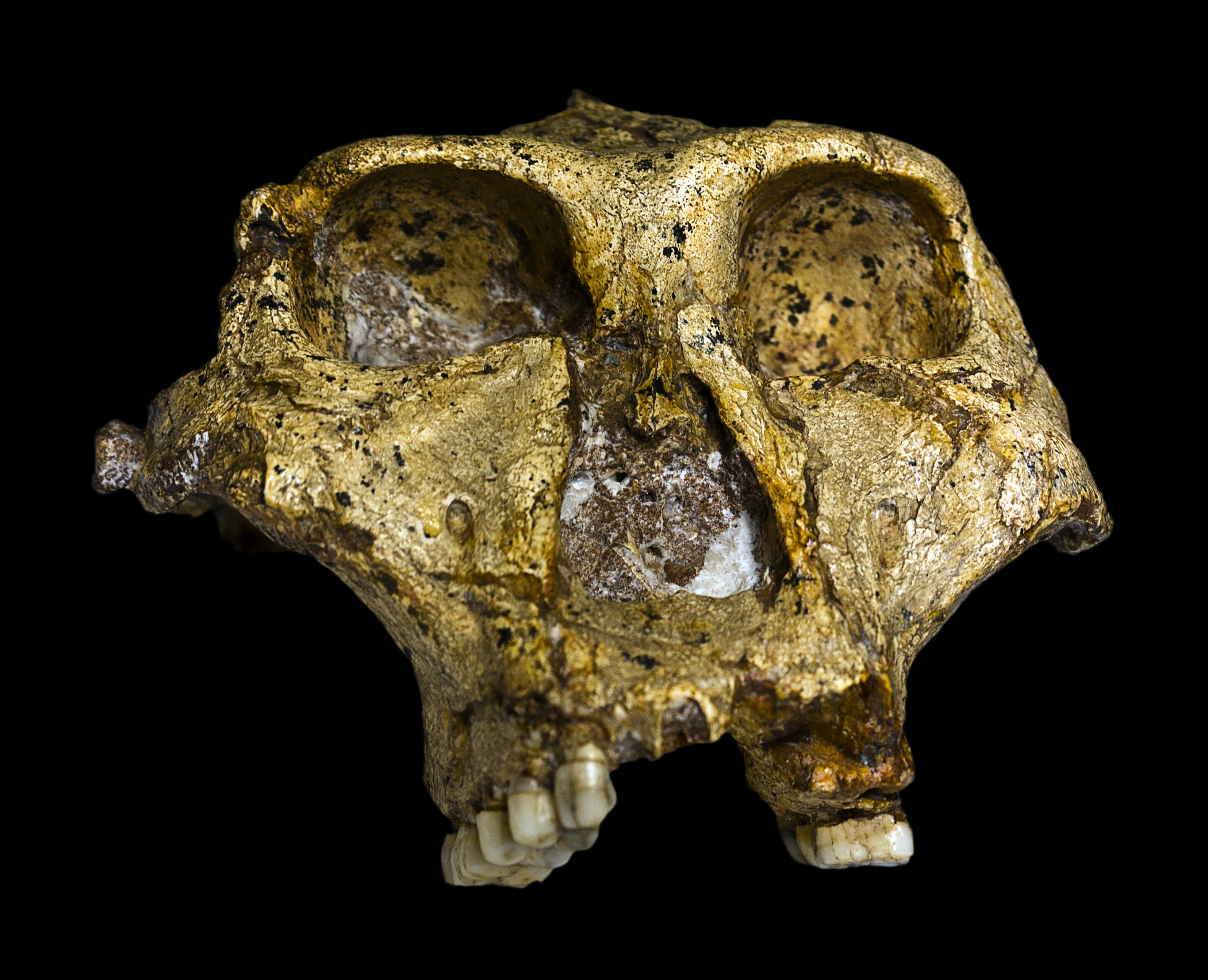
Researchers have successfully extracted genetic data from 2-million-year-old hominid fossils, specifically teeth belonging to the species Paranthropus robustus. This is the oldest genetic information ever recovered from any hominid, providing insights into the evolutionary relationships of this ancient human species. The study reveals that P. robustus is part of the human family but is a distant cousin to more closely related species that emerged in Eurasia. The researchers also identified the sex of the specimens using a protein encoded by a gene present on the Y-chromosome. While the genetic material is insufficient to fully place P. robustus in the human family tree, it represents a potentially transformative breakthrough for paleoanthropology.