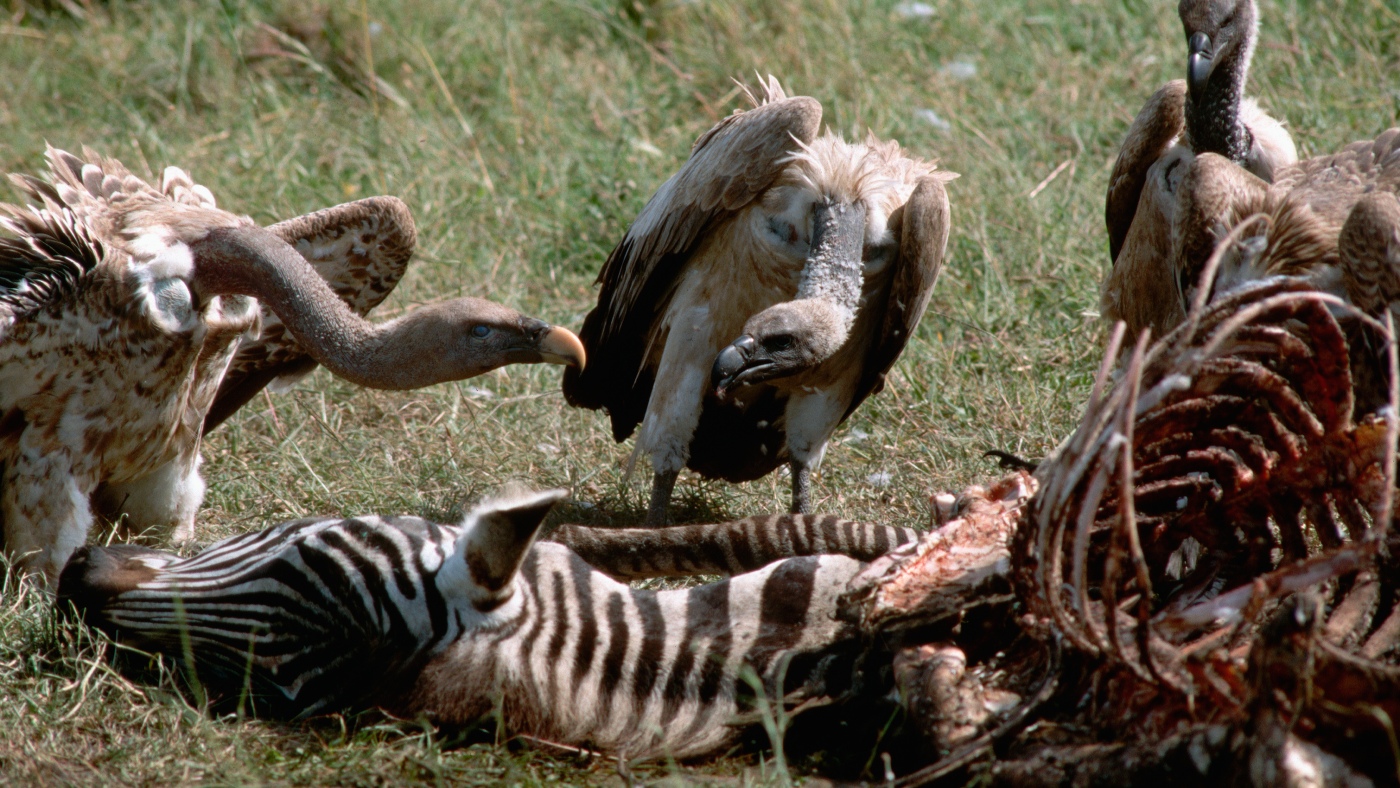
The decline of vultures due to toxic painkillers has led to increased carcass decomposition time, proliferation of disease-carrying bacteria, and a rise in feral dogs, highlighting the crucial role of scavengers in maintaining human health and ecosystem stability.
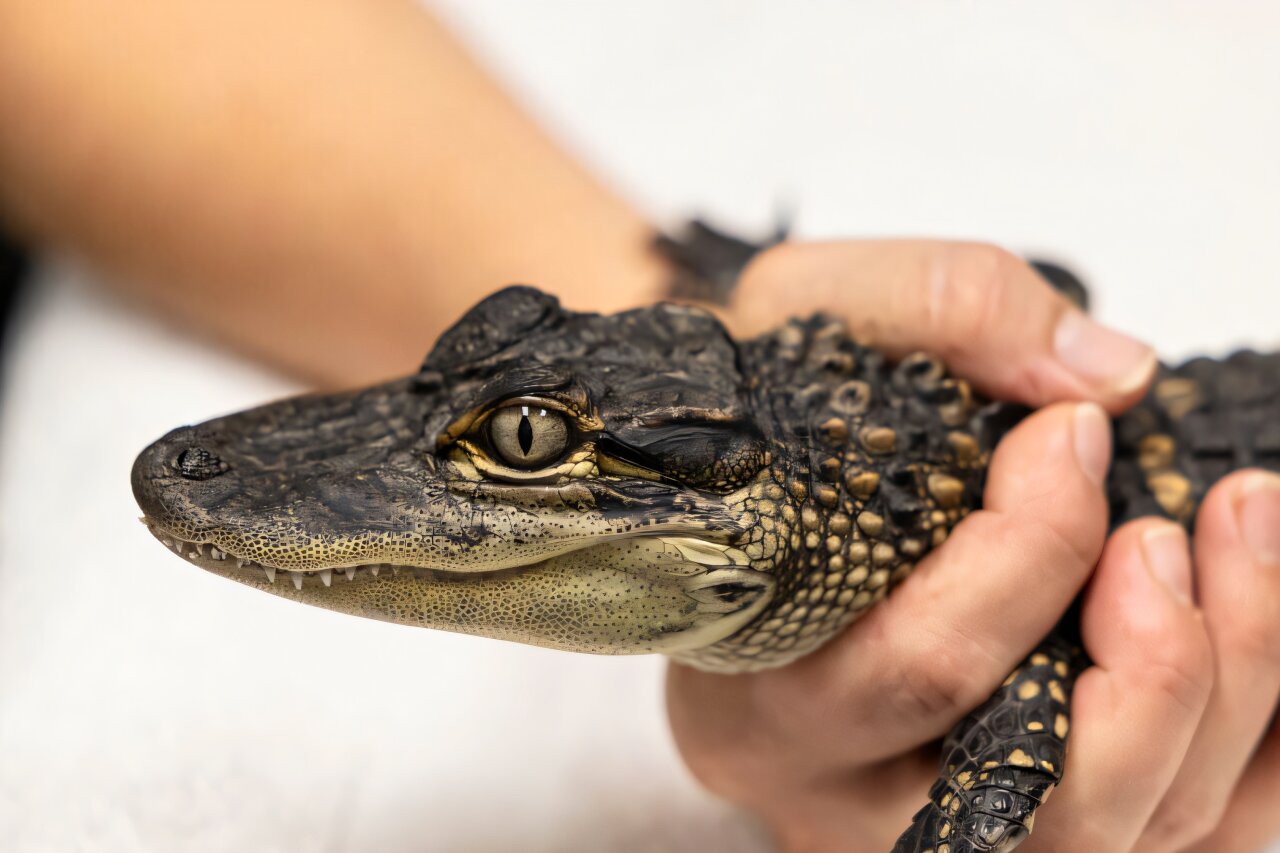
A University of Georgia study found high levels of mercury in alligators from Georgia's swamps, especially in the Okefenokee, indicating potential environmental contamination that could affect other wildlife and humans, with mercury levels increasing with age and being passed from mothers to offspring.
Researchers from the University of Washington have discovered that expired cans of salmon, dating back to the 1970s, serve as a valuable archive for studying marine parasites, specifically anisakid worms. These parasites, harmless to humans when canned, provide insights into the health of marine ecosystems, as their presence indicates a stable or recovering environment. The study found an increase in worm numbers in chum and pink salmon over time, suggesting a healthy ecosystem, while levels in sockeye and coho remained stable. This novel approach highlights the potential of using preserved food products for ecological research.
Researchers from the University of Washington have discovered that expired cans of salmon, dating back to the 1970s, serve as a valuable archive for studying marine parasites, specifically anisakid worms. These parasites, harmless to humans when canned, provide insights into the health of marine ecosystems, as their presence indicates a stable or recovering environment. The study found an increase in worm numbers in chum and pink salmon over time, suggesting a healthy ecosystem, while levels in coho and sockeye remained stable. This novel approach could lead to further ecological discoveries.
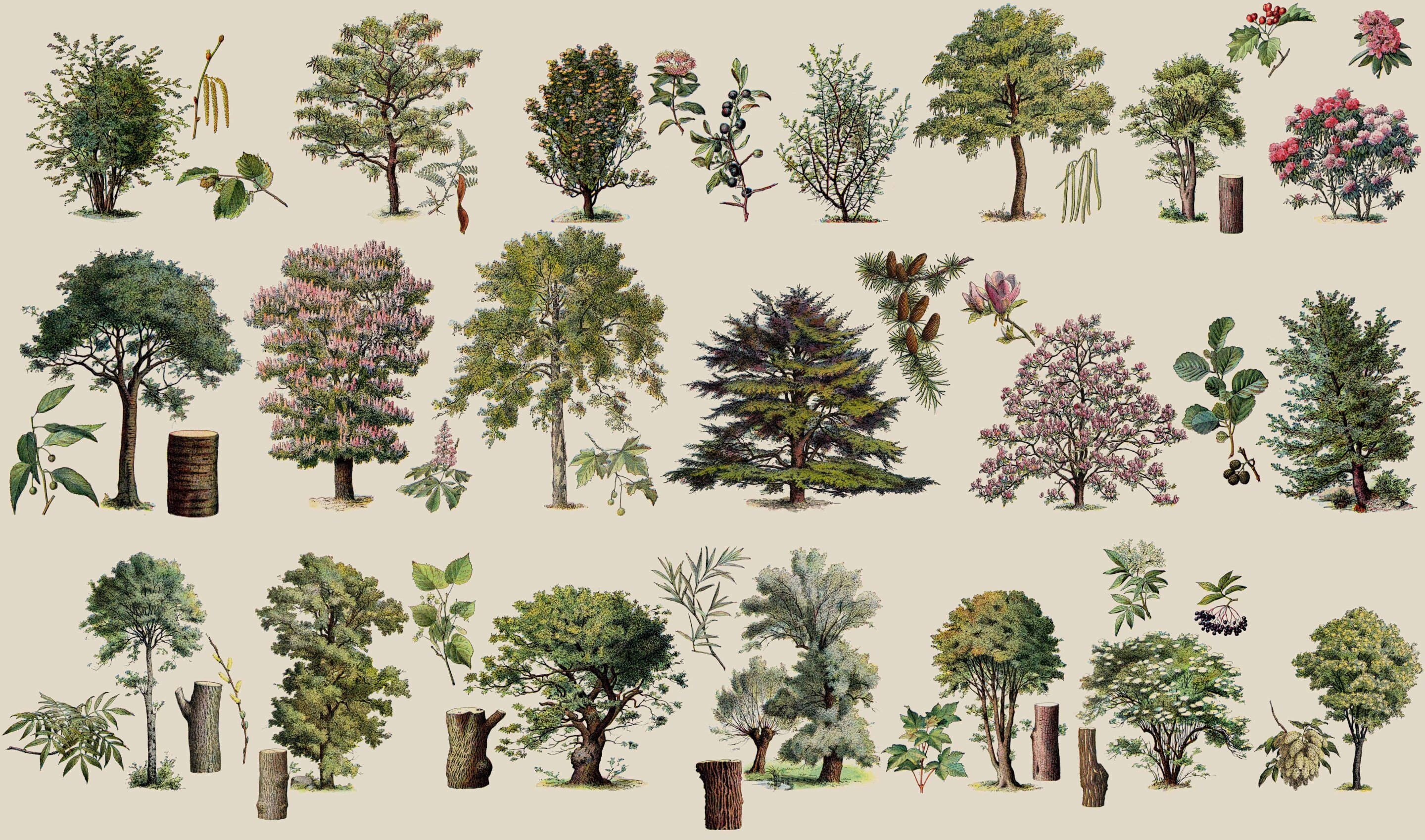
A study published in the Proceedings of the National Academy of Sciences reveals that the simplest measure of diversity, specifically counting all species in a given area, is the best way to assess the productivity of eastern U.S. forests. Researchers analyzed two decades of tree data and found that a greater number of tree species consistently resulted in a more productive forest, while other measures of diversity such as relatedness and functional differences showed negative correlations with productivity. This finding provides a straightforward roadmap for conservation efforts, emphasizing the importance of species richness in assessing forest health and productivity.
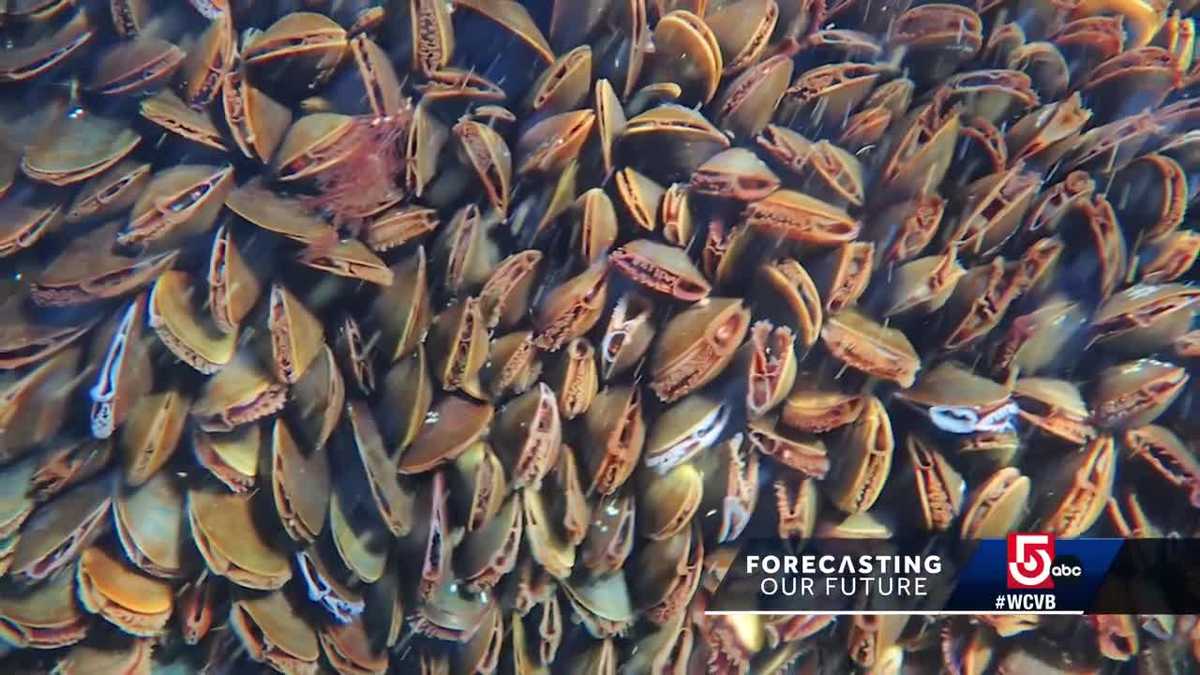
Warming seas are causing mussels to die off along the New England shoreline, with the Gulf of Maine warming 99% faster than any other large body of water on the planet. Professor Brian Helmuth and his team at Northeastern University are using tiny logging devices and robotic mussels to measure the temperature of the rock surface where the mussels live, finding that it's too hot for them to survive. The decline of mussels is seen as a warning sign for the health of the entire ecosystem, and researchers are studying how other organisms, such as sea stars, are responding to climate change as well.
Mosses, often seen as a nuisance in gardens, are actually crucial for the health of the planet, according to a study by UNSW Sydney. Mosses play a vital role in ecosystem health, carbon capture, soil nutrient cycling, organic matter decomposition, pathogen control, and preventing erosion. They cover a staggering 9.4 million km2 globally and have the potential to mitigate climate change through their significant carbon capture capabilities. Mosses provide essential services to the environment, including nutrient cycling, decomposition, and stabilizing soil. They are the lifeblood of plant ecosystems and contribute to the overall health of the planet. Future research aims to explore the use of mosses in regenerating degraded soils in urban and natural areas.