Tag

Cloning

All articles tagged with #cloning

gaming6 months ago

The Alters: A Surreal Sci-Fi Adventure Exploring Identity and Survival

The Alters is a unique sci-fi game where players survive on an alien planet by creating emotionally diverse clones called Alters, who are trained in various roles to help manage a base and explore. The game combines resource management with story-rich interactions, emphasizing the complexity of dealing with multiple versions of oneself, and offers a fresh take on genre conventions despite some repetitive dialogue and artificial gameplay elements. Its striking art design and innovative mechanics make it a memorable experience, even if the cover art is unappealing.

crime-and-wildlife-trafficking1 year ago

"Montana Man Admits to Illegal Wildlife Trafficking and Cloning Giant Sheep Hybrids"

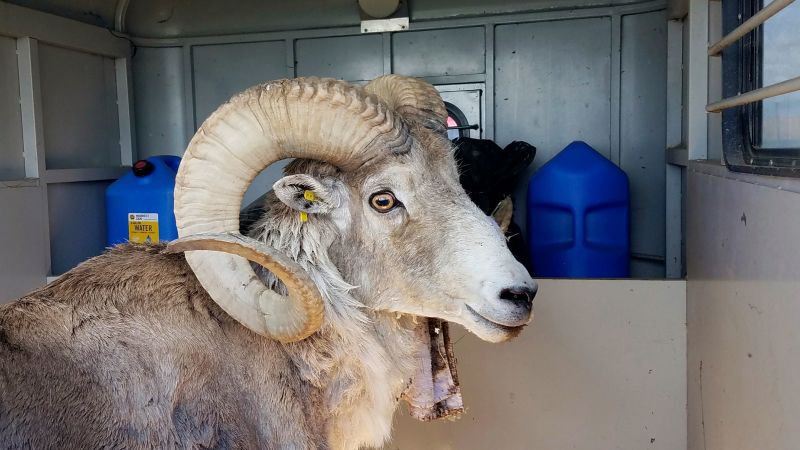
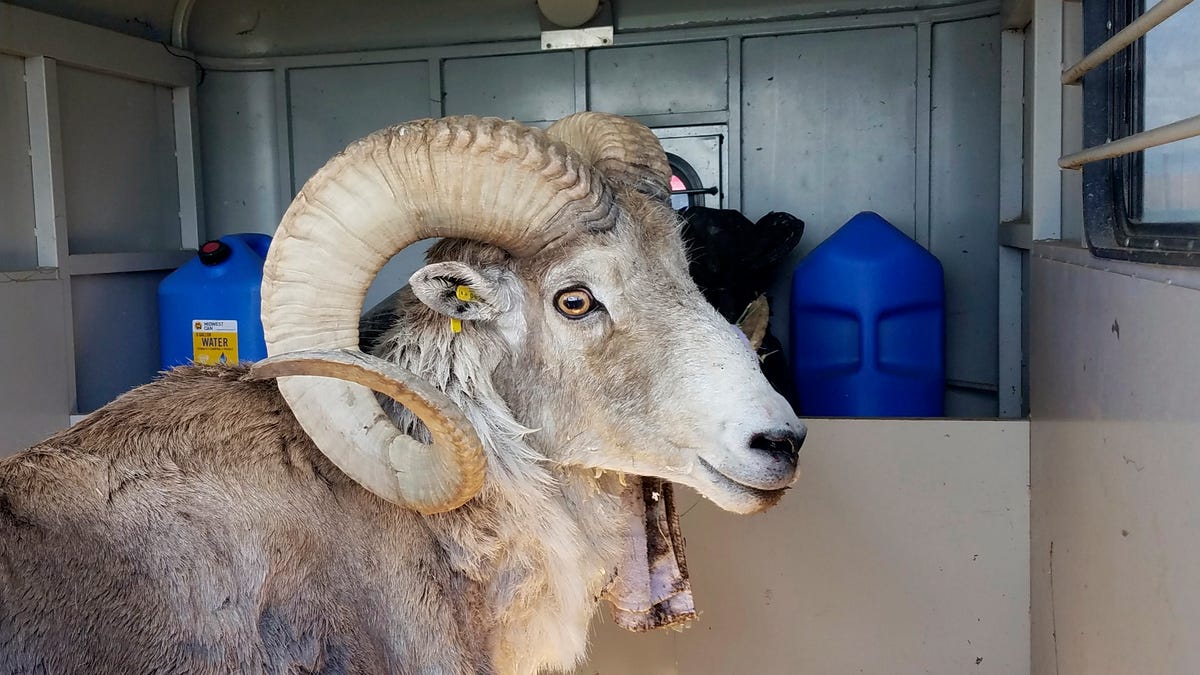
Montana ranch owner Arthur “Jack” Schubarth, 80, pleaded guilty to trafficking sheep parts from Asia to create a larger hybrid species of the threatened Marco Polo argali sheep for financial gain, violating the Lacey Act. He faces up to five years in prison and a $250,000 fine. Schubarth and others aimed to sell the species to captive hunting facilities, using cloned sheep and forging veterinary inspection certificates to move the illegal sheep. The US Fish and Wildlife Service and Montana’s Department of Fish, Wildlife and Parks are investigating the case, and Schubarth is set to be sentenced on July 11.


crime-and-environment1 year ago

"Rancher's Illegal Creation of Giant Hybrid Sheep Exposed"

An 80-year-old Montana rancher pleaded guilty to illegally creating "giant hybrid sheep" by using genetic material from endangered argali sheep to clone embryos and artificially breed them with other sheep, aiming to sell them to hunting preserves for profit. He also illegally bought genetic material from wild-hunted Rocky Mountain bighorn sheep and sold them across the US, violating international law and the Lacey Act. The rancher faces a maximum penalty of five years in federal prison for each felony count and is scheduled to be sentenced in July.

science-and-technology1 year ago

"Turning Skin Cells into Egg Cells: A Breakthrough in Infertility Treatment"

Scientists have adapted the procedure that created Dolly the sheep to move a step closer to making IVF eggs from patients’ skin cells, potentially revolutionizing IVF and offering hope to infertile patients who have lost gametes due to disease, ageing, or cancer treatments. The procedure could enable older women to have children who share their DNA and help overcome common forms of infertility. The process, which may take a decade to perfect and approve in humans, would also allow male couples to have genetically related children and could address fertility-related issues in the future.

science1 year ago

"Elephant Stem Cell Breakthrough Paves Way for Woolly Mammoth Revival"

Scientists have made a significant step towards resurrecting the woolly mammoth by creating induced pluripotent stem cells for Asian elephants, the mammoth's closest living relative. This achievement, though still far from the ultimate goal of bringing back the mammoth, raises ethical concerns among scientists. While some see potential benefits for conservation and combating global warming, others argue that the focus should be on protecting existing species rather than reviving extinct ones.

entertainment1 year ago

"The Bad Batch Season 3: Unraveling Omega's Force Connection and Palpatine's Plan"

The third season premiere of "Star Wars: The Bad Batch" reveals the Empire's interest in Omega, a clone with a high midi-chlorian count, tying into the storyline of "The Mandalorian" and "The Rise of Skywalker." The Empire's Project Necromancer aims to replicate individuals with intact midi-chlorian counts, potentially connecting to the creation of Palpatine clones and Snoke. This development aligns "The Bad Batch" with the broader "Star Wars" saga, paving the way for the events of "The Rise of Skywalker."

science2 years ago

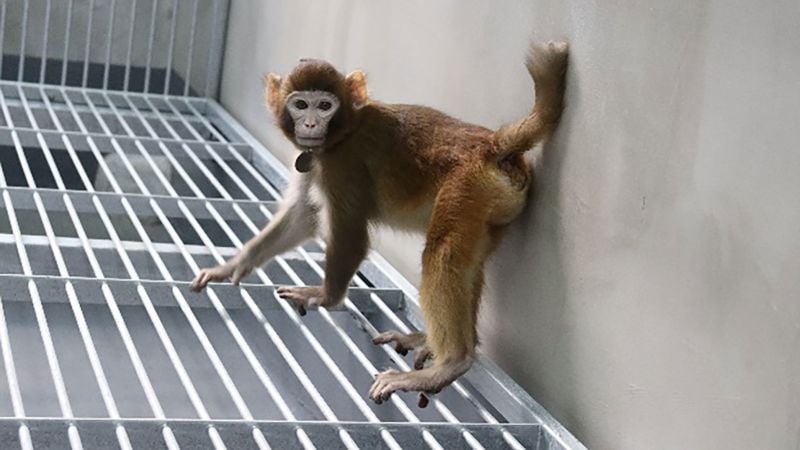
"Survival of Cloned Rhesus Monkey Breaks New Ground in Cloning Research"

A study published in Nature Communications describes the successful cloning of a rhesus monkey named Retro, marking a significant advancement in primate cloning. The Chinese research team overcame challenges by using a modified version of somatic cell nuclear transfer and inner cell mass transplantation. While the efficiency of the process remains low, the potential for genetically identical monkeys holds promise for biomedical research, disease modeling, and species conservation. However, ethical concerns about animal welfare and the low success rate highlight the difficulty and ethical implications of primate cloning.