Tag

Common Ancestor

All articles tagged with #common ancestor

science2 years ago

"Unraveling the Origins: In Search of Life's Ultimate Ancestor"

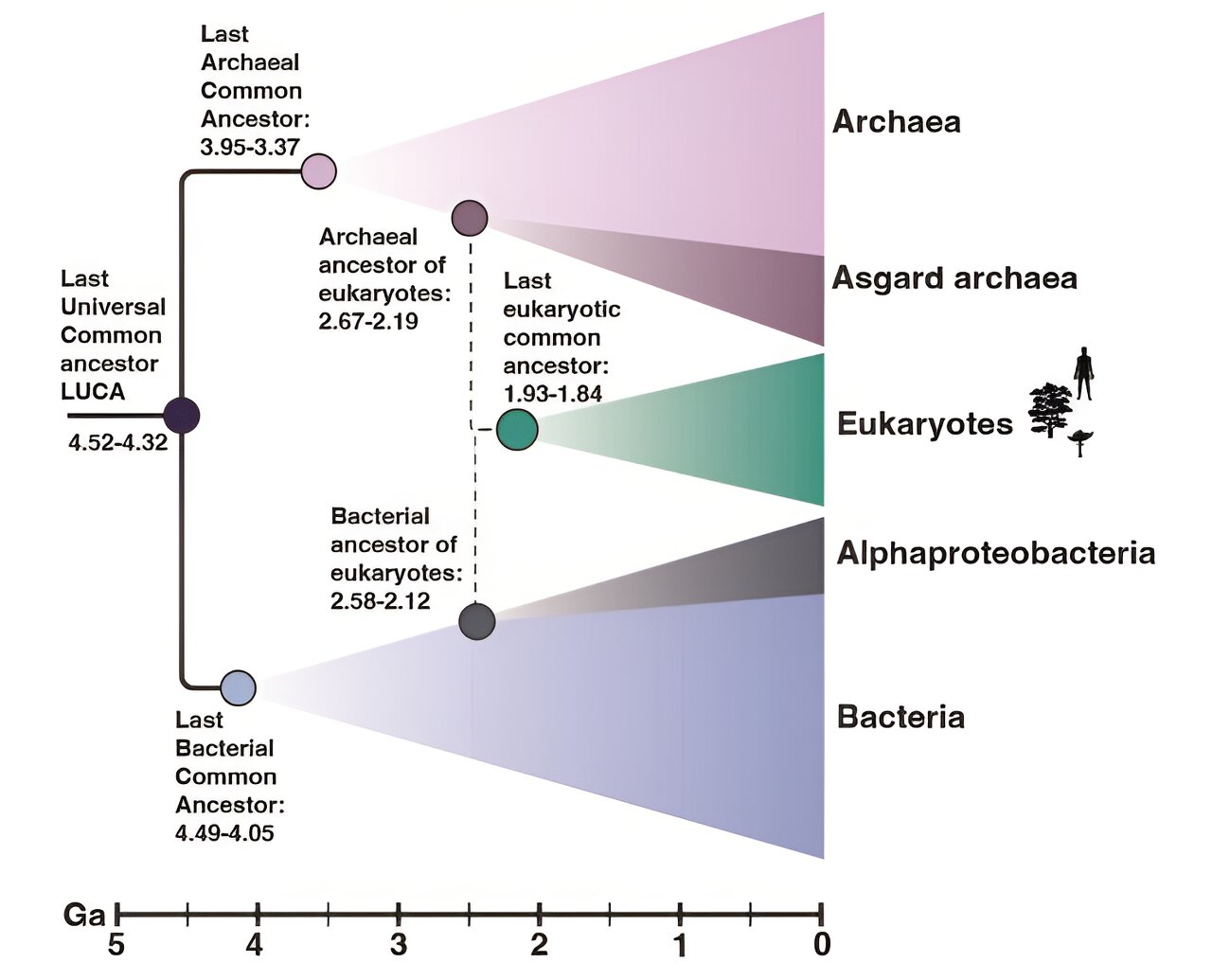
Biologists have estimated that LUCA, the last universal common ancestor of all living organisms, lived between 4.32 and 4.52 billion years ago. Using a new molecular dating approach, researchers determined that the split between bacteria and archaea occurred between 4.05 and 4.49 billion years ago, while the last common ancestor of eukaryotes emerged between 1.84 and 1.93 billion years ago. The study also suggests that earlier archaea may have either died out or remain undiscovered. Understanding the evolution of these ancient microbes can provide insights into nutrient cycling and predict future biodiversity in a changing environment.

science2 years ago

Uncovering the Shared Ancestor of Complex Life Forms

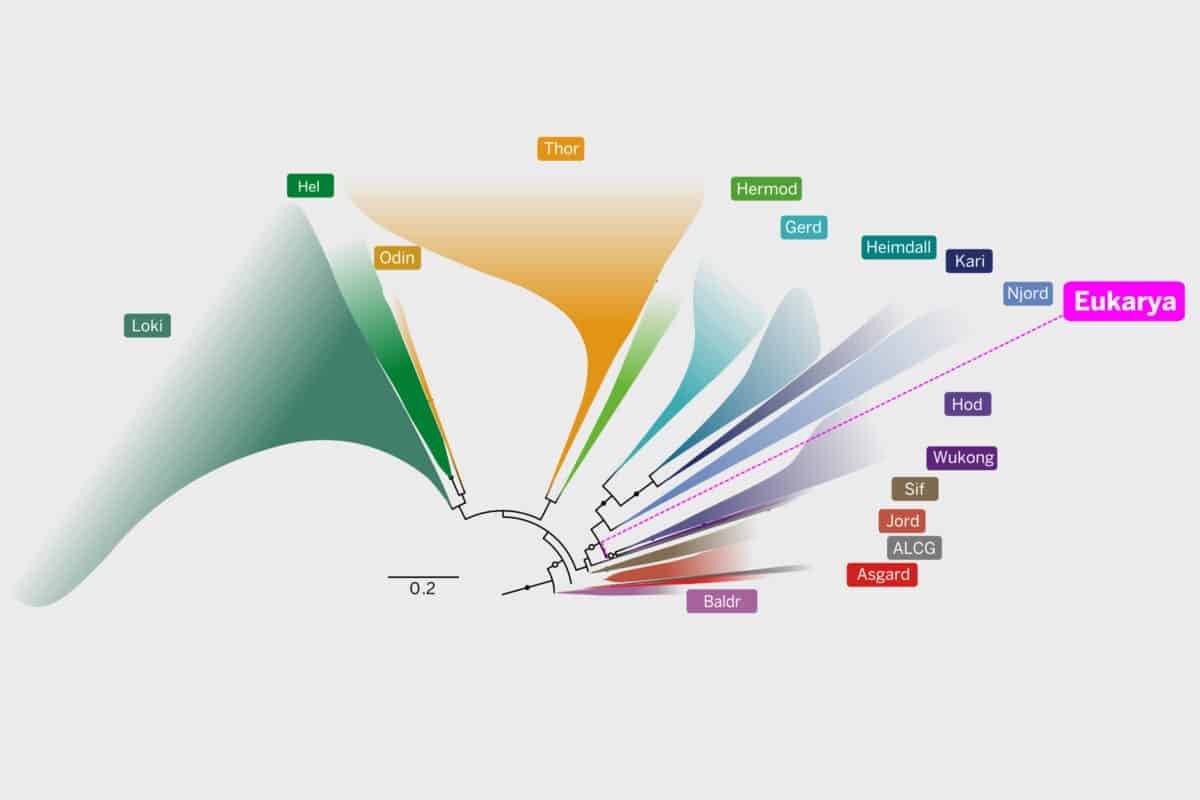
Scientists have discovered that all complex life forms, including mammals, birds, and plants, can trace their lineage back to a common ancestor known as Asgard archaea. By analyzing the genomes of hundreds of archaea microbes, researchers found that eukaryotes, organisms with a defined nucleus, share a common Asgard archaean ancestor. These ancient microorganisms, which first appeared two billion years ago, provide insight into the early evolution of eukaryotic cells. The discovery of the Asgard superphylum, which includes various groups of archaea named after Norse gods, marks a significant milestone in understanding the origins of complex life forms.

science2 years ago

Tracing the Ancestry of Complex Life to a Common Origin

A new study published in the journal Nature has found that all complex life forms, including humans, trace their roots back to a common ancestor among a group of microbes called the Asgard archaea. The research team identified the closest microbial relative to all complex life forms on the tree of life as a newly described order called the Hodarchaeales. The Asgard archaea evolved more than 2 billion years ago, and their descendants are still living. The study expands the known Asgard genomic diversity, adding more than 50 undescribed Asgard genomes as input for their modeling.

science2 years ago

Discovery of the First Branch on the Tree of Life.

Scientists have used chromosomal analysis techniques to determine that the comb jelly was the first animal to branch off from the common ancestor of all animals on Earth, rather than the sea sponge. By comparing the placements of certain groups of genes in sponges and comb jellies to their closest single-cell non-animal relatives, researchers found that the comb jelly had the least reshuffling of genes on chromosomes, indicating that it split off from the original genome first. This discovery sheds light on the history of animal evolution and the mechanisms powering it.

science2 years ago

Discovery of the First Branch on the Tree of Life.

Scientists have used chromosomal analysis techniques to determine that the comb jelly was the first animal to branch off from our common ancestor. This discovery sheds light on the history of animal evolution and the mechanisms behind it. The technique involved comparing the placements of certain groups of genes in sponges and comb jellies to their closest single-cell non-animal relatives, with the least reshuffling of genes indicating the first to evolve. The comb jelly's genetic isolation makes it the sister to all other animals and the most genetically distinct.

science2 years ago

Are Pouched Mammals More Evolved Than Humans?

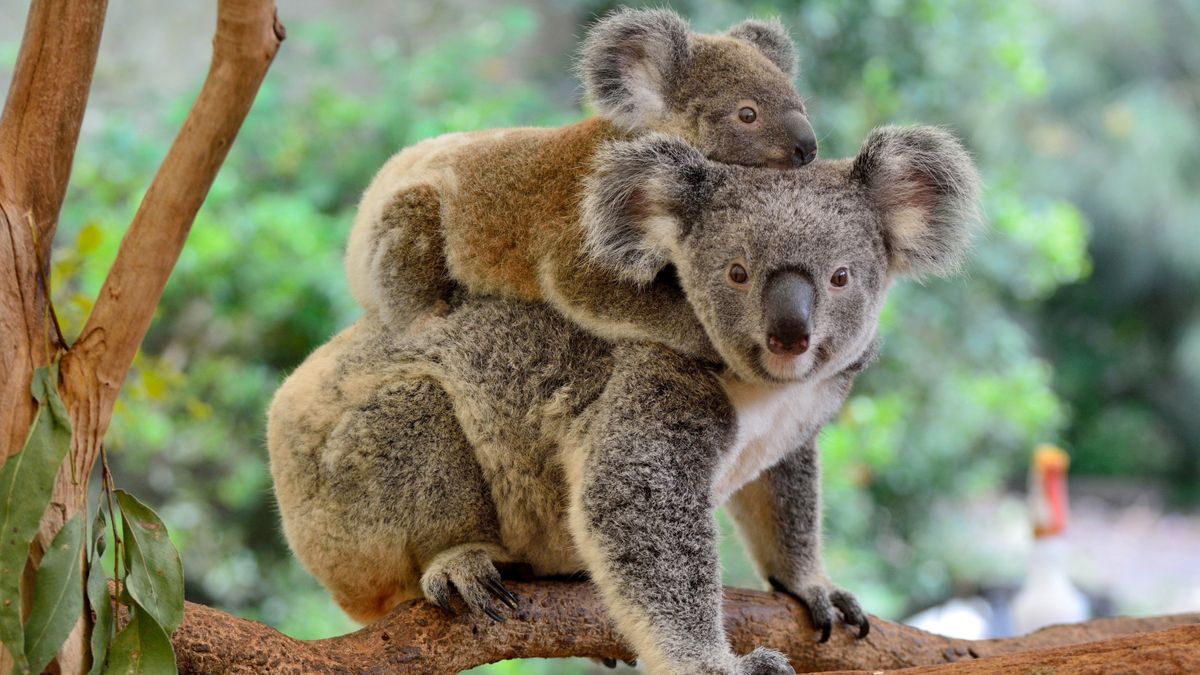
A new study suggests that mammals with pouches, such as kangaroos and koalas, have a more radical evolutionary history than previously thought, indicating that they are "more evolved" than placental mammals like humans. The researchers scanned the skulls of placental mammals and marsupials in various stages of development and concluded that the developmental strategy of placental mammals is closer to that of their common ancestor, suggesting that marsupials have evolved more than placental mammals since the split. The study challenges the historical misconception that marsupials are less successful intermediates.