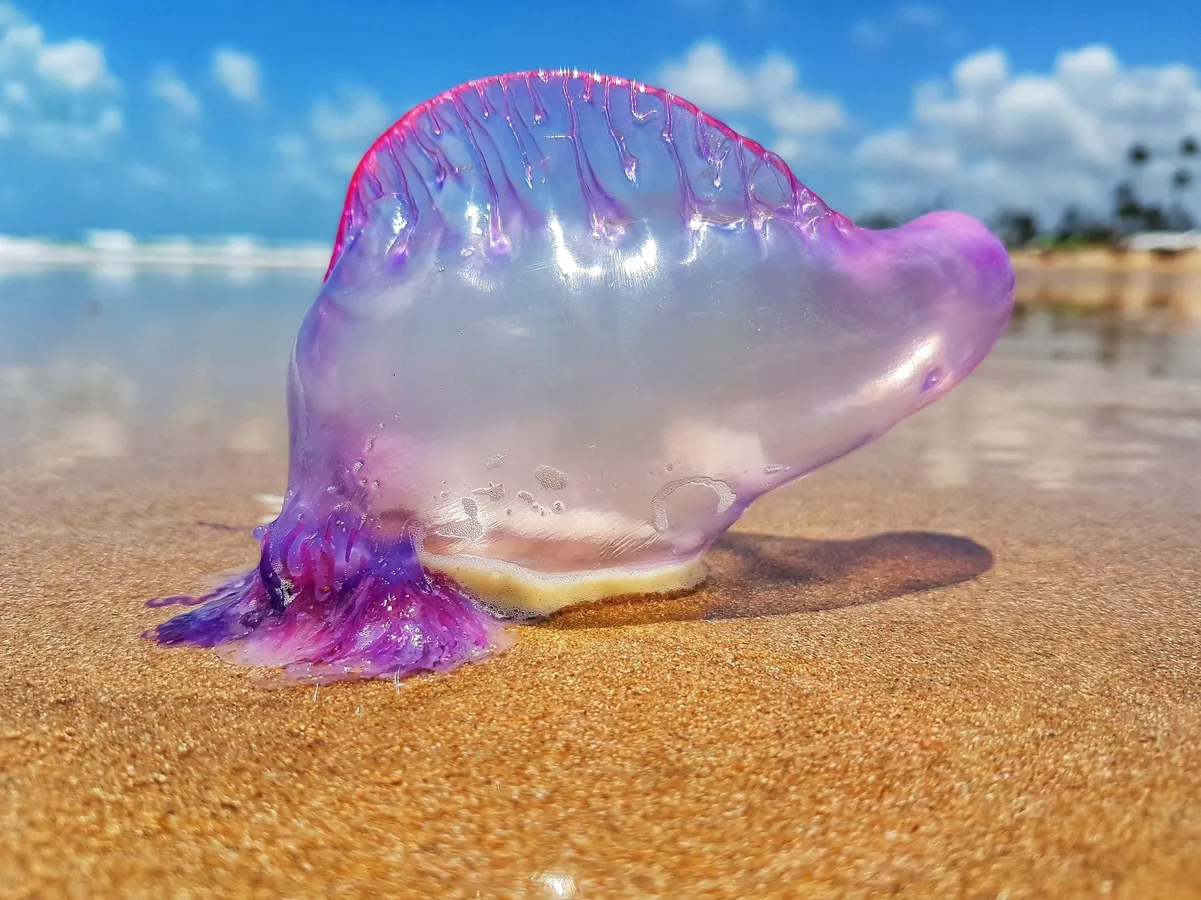
Genomic research has revealed that the Portuguese man o’ war is not a single species but at least four distinct species with unique morphologies, genetics, and distributions, challenging long-held assumptions about open-ocean biodiversity.
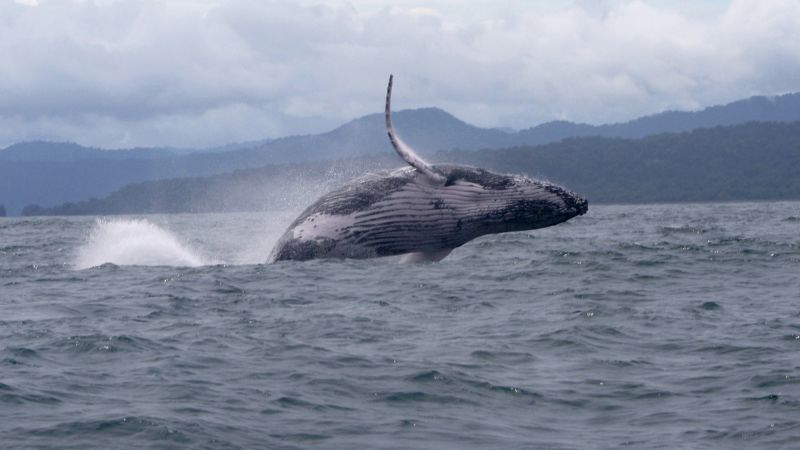
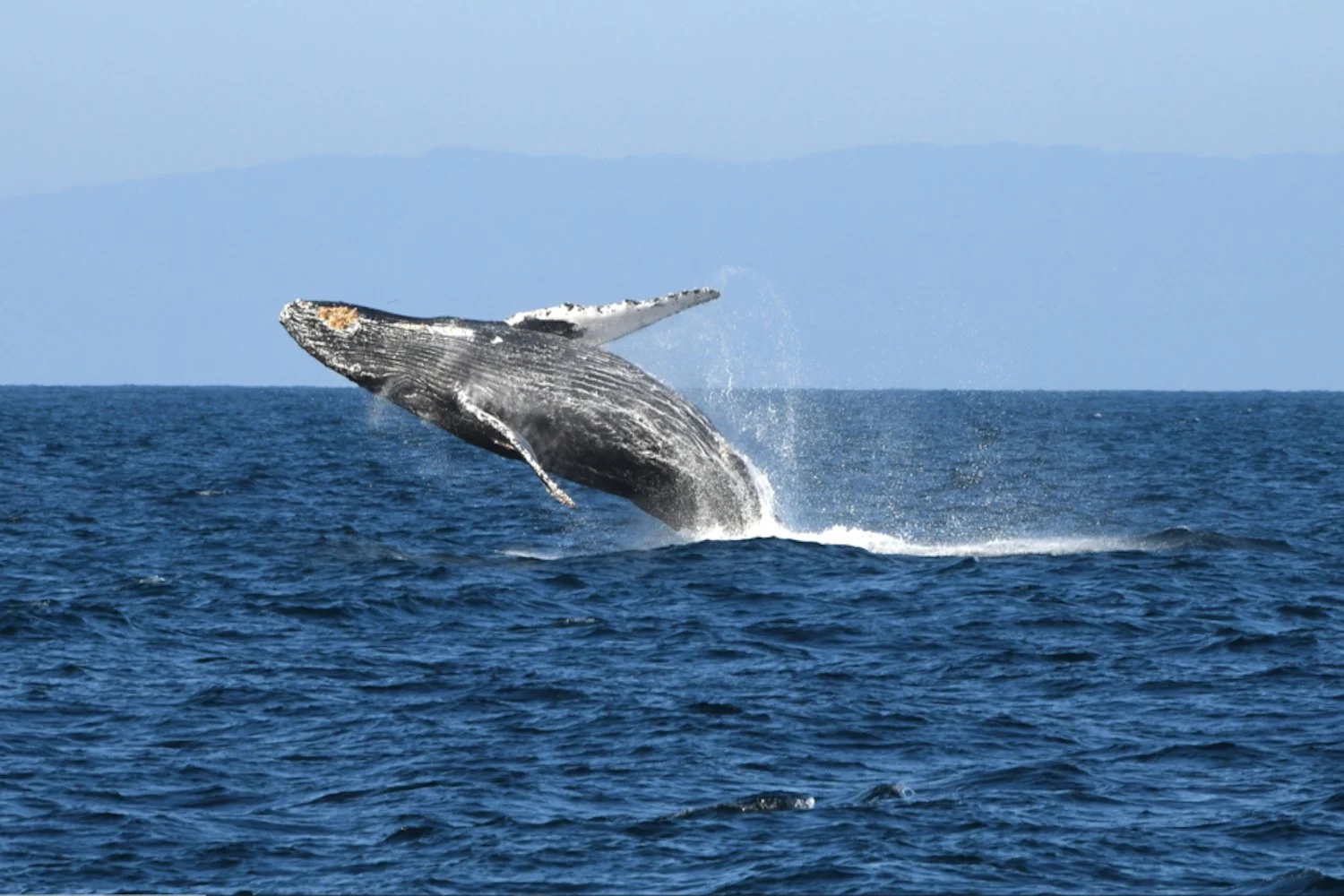
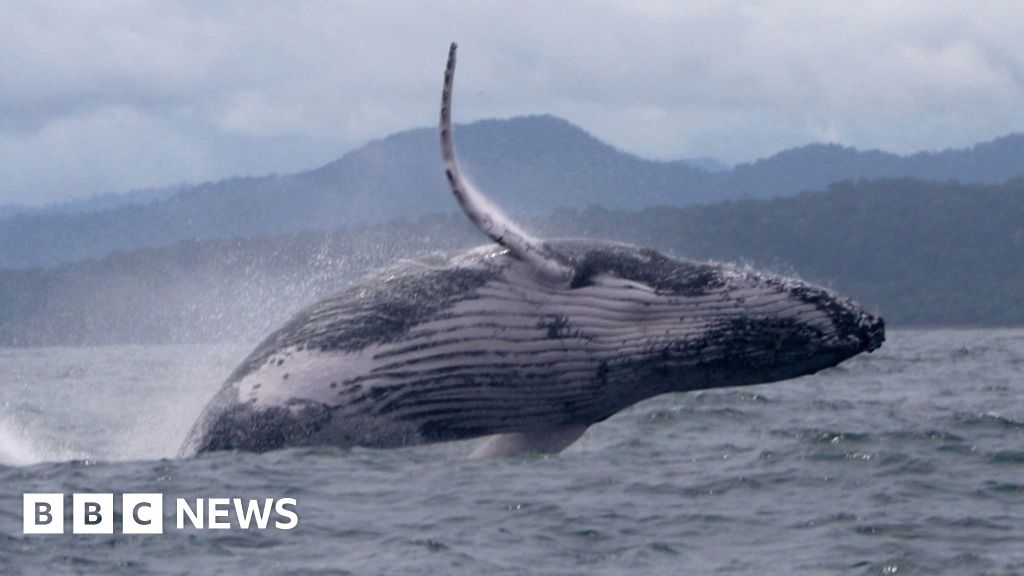
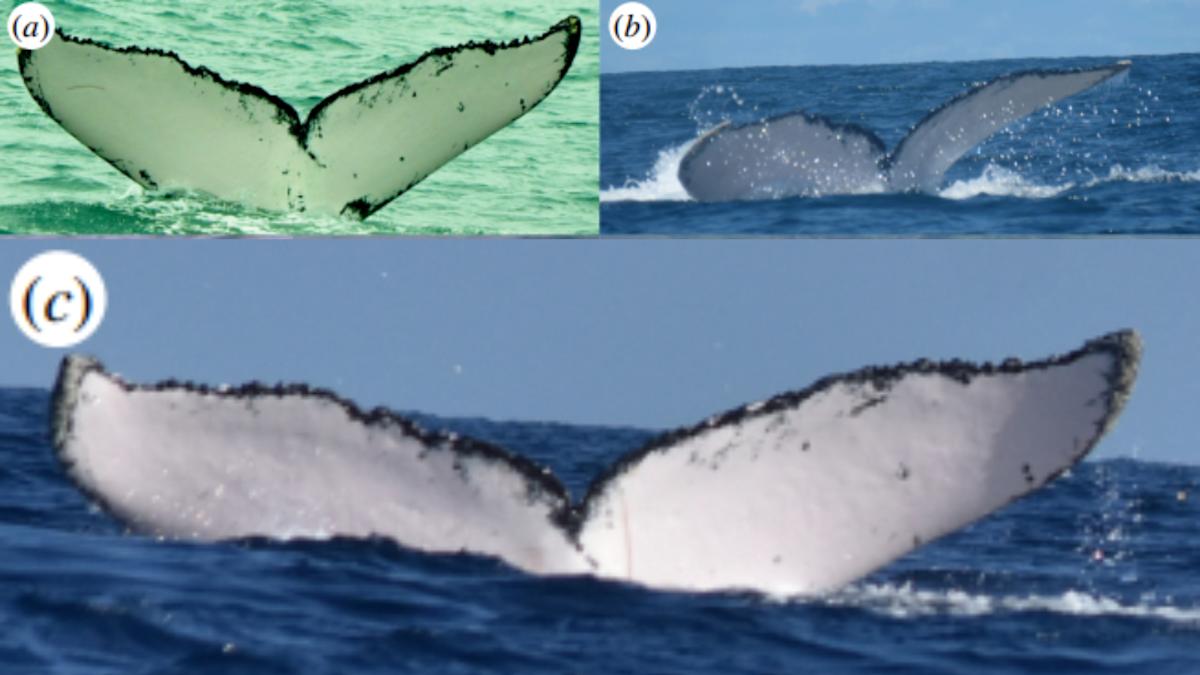
A male humpback whale has set a record for the longest migration by traveling over 13,046 kilometers from South America to Africa, marking the first documented journey of an adult male humpback between the Pacific and Indian oceans. This unusual migration, tracked using the Happy Whale platform, highlights the interconnectedness of oceanic spaces and suggests that social or environmental factors may influence such movements. The study underscores the potential for global collaboration in whale research and the evolving understanding of whale migratory patterns.
A humpback whale has set a new migration record by traveling 8,106.4 miles from Colombia to the Zanzibar channel, marking the longest documented journey for the species. This unusual migration, which involved crossing three oceans and changing breeding grounds from the Pacific to the Indian Ocean, raises questions about the environmental and behavioral factors driving such long-distance travel. Researchers speculate that mating strategies, climate change, and increased competition for resources may be influencing these atypical movements. The study highlights the adaptability of humpback whales and their potential responses to environmental changes.
A humpback whale has completed one of the longest migrations ever recorded, traveling over 13,000 km from the Pacific Ocean off Colombia to the Indian Ocean near Zanzibar. Scientists suggest this unusual journey may be driven by climate change affecting food availability or the search for new breeding grounds. The whale's movements were tracked using a citizen science database that matches whale tail patterns. This migration highlights potential impacts of climate change and conservation efforts on marine life.
A male humpback whale set a new distance record for the species by traveling 8,106 miles across three oceans, from Colombia to Zanzibar, in search of mating opportunities. This journey, documented through photographs and published in Royal Society Open Science, reveals that humpback whale migrations are more flexible than previously thought, as the whale interacted with multiple populations along the way. The study suggests that the whale's motivation was likely reproductive, influenced by environmental changes and increased competition among males.
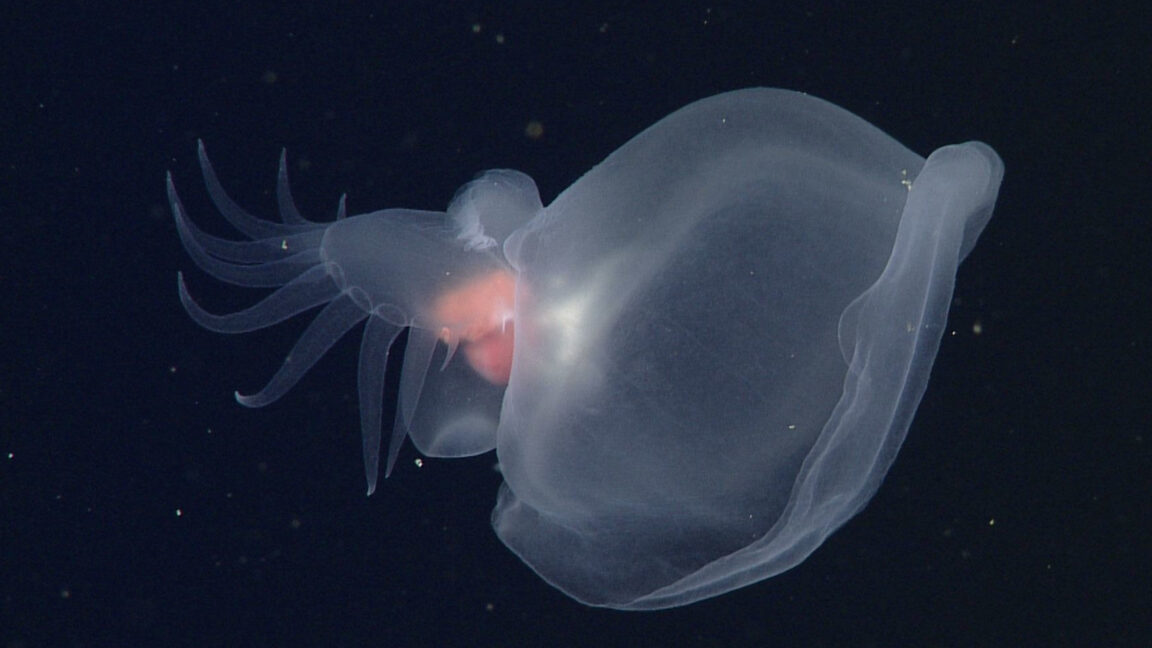
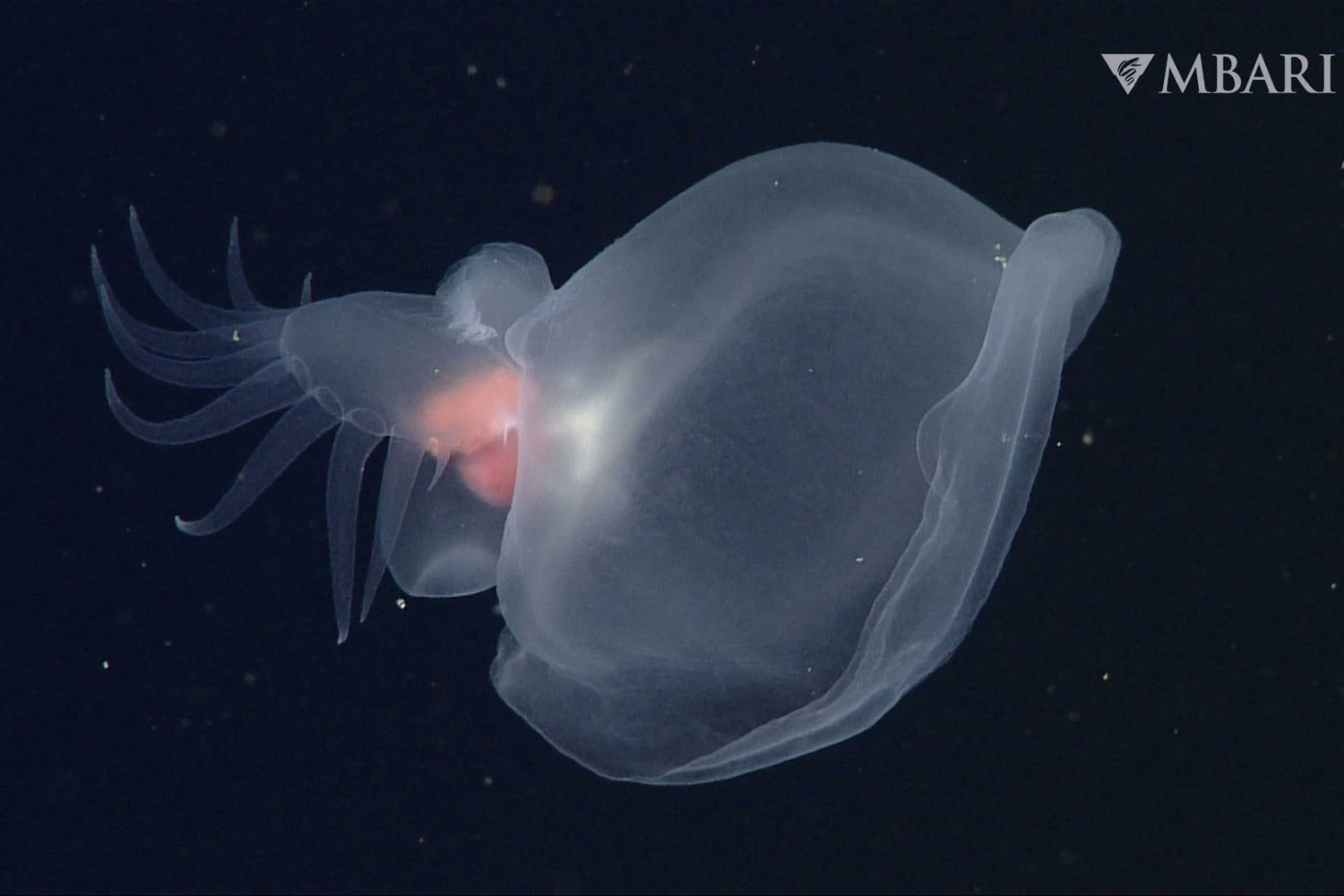
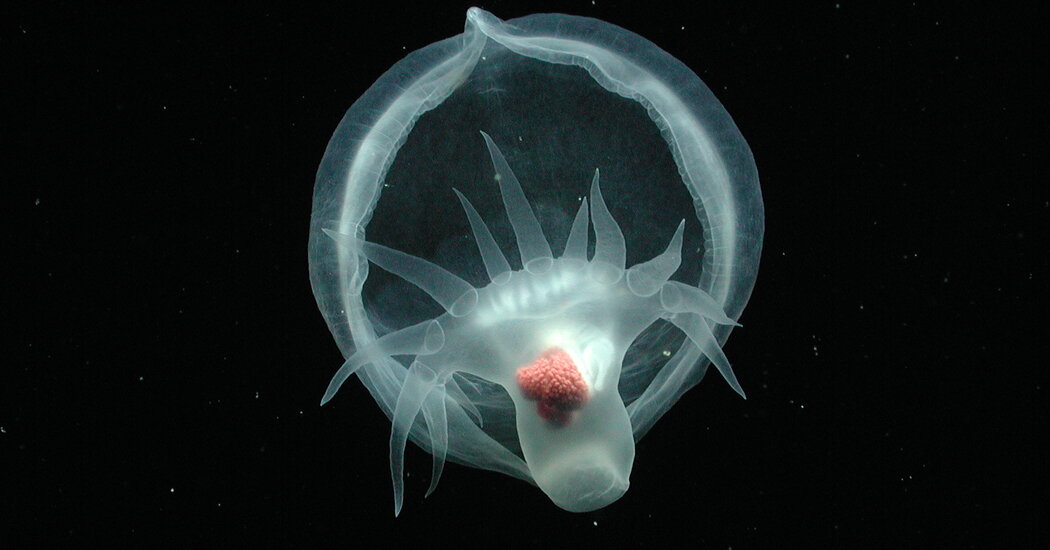
Researchers from the Monterey Bay Aquarium Research Institute have identified a previously unknown deep-sea nudibranch, named Bathydevius caudactylus, which inhabits the ocean's bathypelagic zone at depths of 1,000–4,000 meters. This bioluminescent creature, observed over two decades, moves like a jellyfish and captures prey with an oral hood similar to a Venus flytrap. Its unique anatomy and genetic makeup have led to its classification in a new phylogenetic family, marking it as the first nudibranch known to live at such depths.
In the 1980s, researchers in New Zealand recorded mysterious quack-like sounds in the South Fiji Basin, dubbed "Bio-Duck," which were initially thought to be non-biological. However, further analysis suggested they might be a form of communication between marine animals, possibly Antarctic Minke whales, although this remains unconfirmed. The sounds were recorded using a hydrophone array, revealing a pattern of alternating "speakers," suggesting a conversational nature. This research was presented at the 187th Meeting of the Acoustical Society of America.
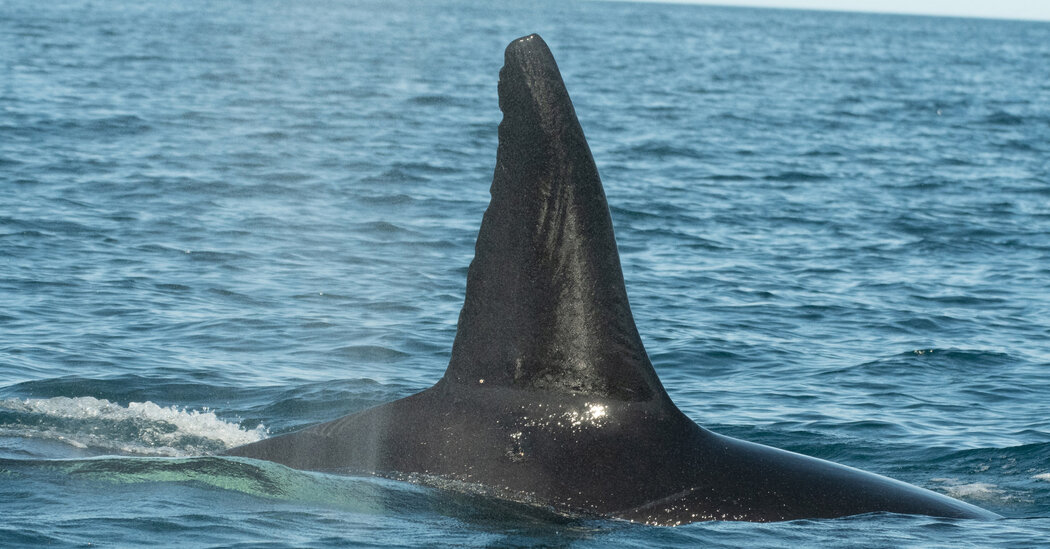
Killer whales have been observed hunting whale sharks and consuming their livers, showcasing their sophisticated hunting techniques and dietary preferences. This behavior highlights the orcas' adaptability and intelligence in targeting specific prey for nutrient-rich organs.
Bowhead whales are remarkable Arctic mammals known for their extraordinary longevity, living up to 200 years, and unique adaptations to icy environments. They possess the thickest blubber, longest baleen, and a distinctive vocal repertoire, earning them the nickname 'jazz singers of the deep.' Despite past threats from commercial whaling, their populations are recovering, though they still face challenges from climate change, pollution, and hunting. Bowheads are solitary or travel in small groups, using their powerful skulls to break through ice and their baleen to filter-feed on krill and copepods.
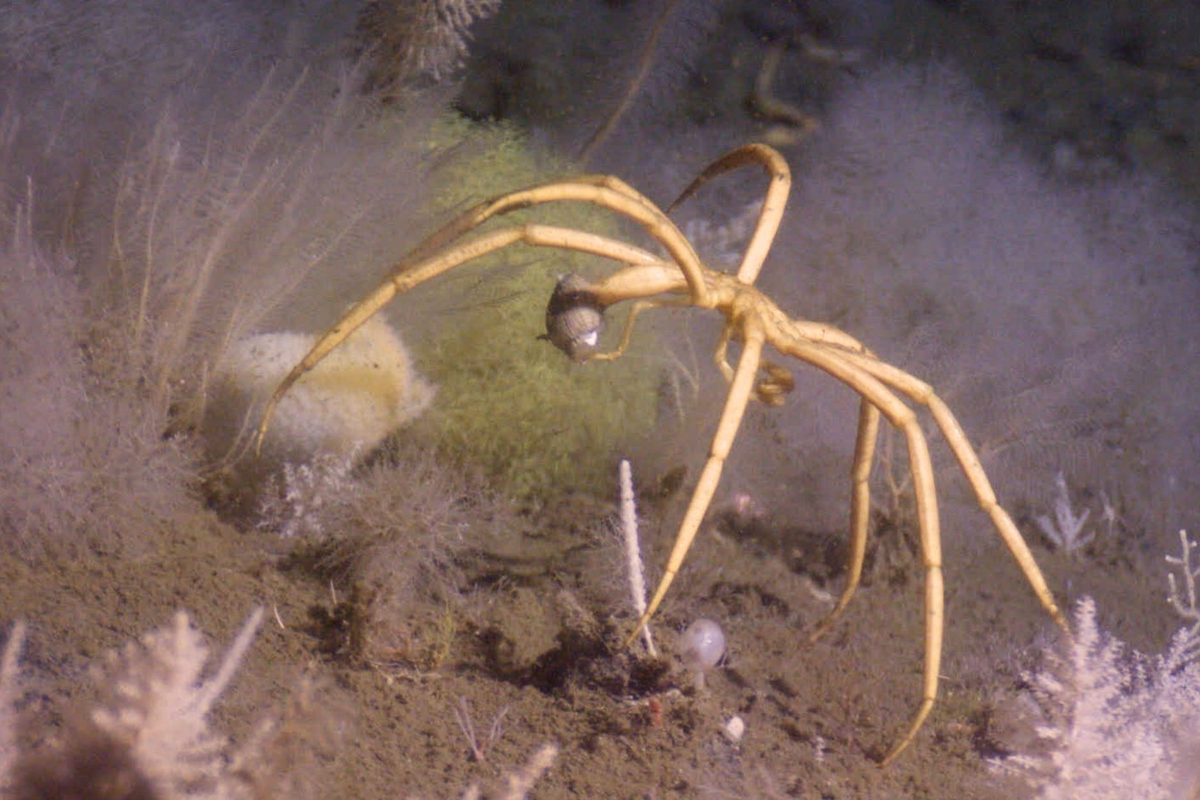
Ocean explorers have captured footage of sea spiders, revealing their unique feeding habits and evolutionary traits. These marine invertebrates, found globally, use a proboscis to pierce and consume the bodily fluids of their prey, akin to slurping a smoothie. Despite their spider-like appearance, sea spiders are distinct, having evolved separately for millions of years. Their organs and even eggs are stored in their legs, which also facilitate oxygen absorption. Understanding these creatures enhances our knowledge of marine life and the importance of ocean conservation.
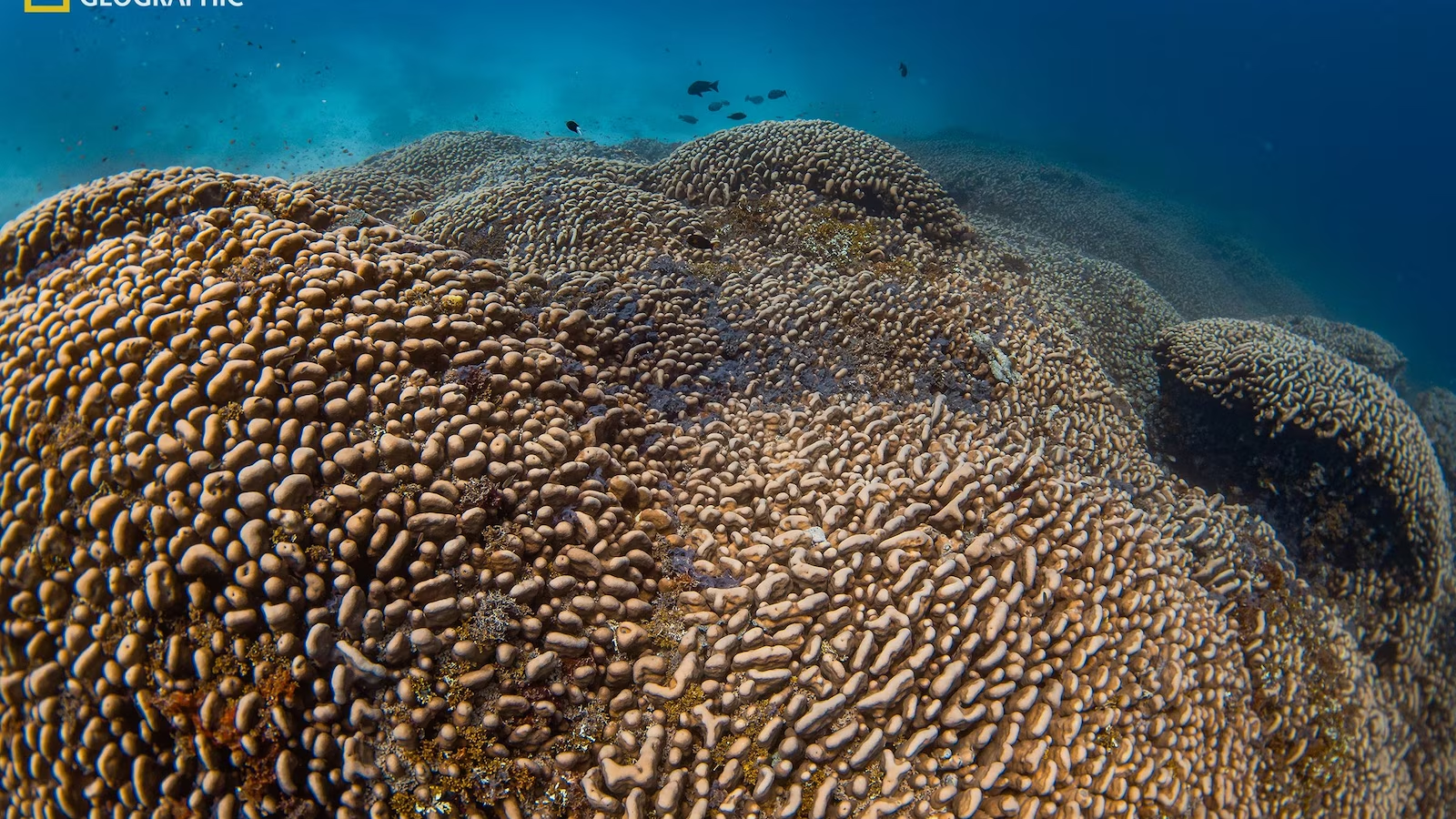
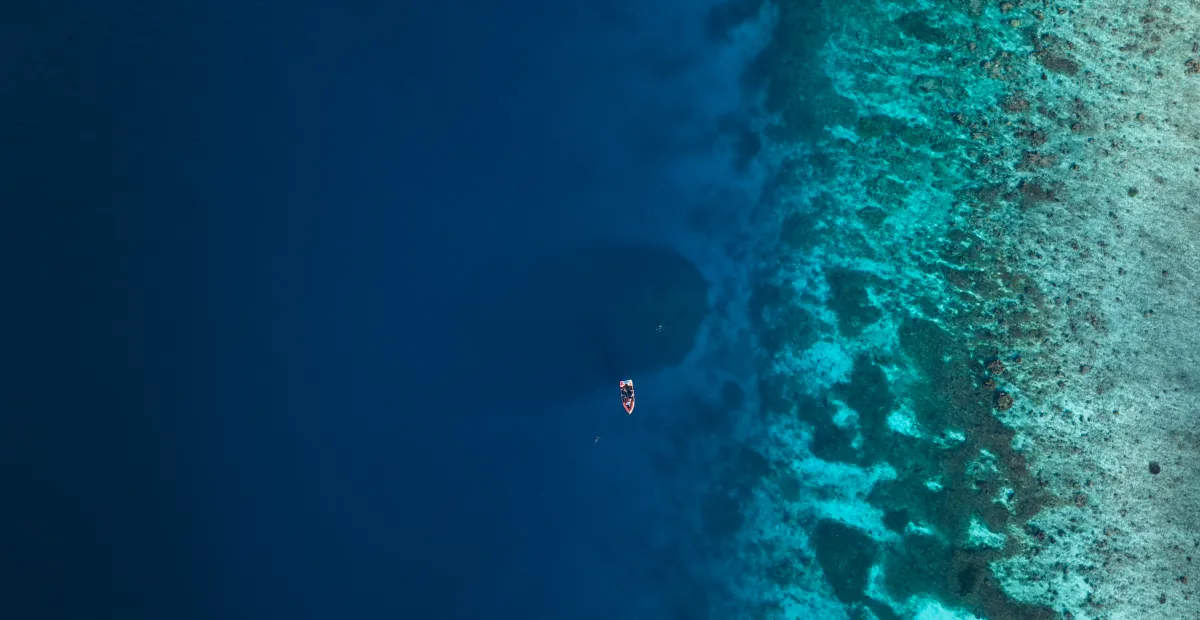
A National Geographic expedition has discovered the world's largest coral reef off the Solomon Islands, visible from space and estimated to be 300 years old. This massive coral, three times larger than the previous record holder, highlights the rich biodiversity of the region and serves as a crucial defense against climate change impacts. Despite its remote location, the coral is still vulnerable to global warming, but its discovery offers hope for marine conservation efforts.
Researchers have discovered the world's largest individual coral colony in the Solomon Islands, measuring 34 meters wide and 32 meters long. This massive coral, visible from space, is a species called Pavona clavus and is estimated to be 300-500 years old. The discovery is significant as coral reefs face threats from climate change, with many experiencing bleaching due to warming oceans. This resilient coral offers hope for marine conservation and could aid in the recovery of damaged reefs. The find may also bolster conservation efforts in the Solomon Islands.
Researchers have detailed the discovery of Bathydevius caudactylus, a bioluminescent nudibranch found in the ocean's 'midnight zone' off California's Monterey Bay. This unique sea slug, first observed in 2000, features a gelatinous hood, a paddle-like tail, and glowing appendages. It represents the first known deep-water column nudibranch and highlights the mysteries still present in Earth's largely unexplored oceans.
Scientists have discovered a new species of deep sea slug that had previously eluded identification due to its deceptive appearance. This discovery highlights the complexity and diversity of marine life, as well as the challenges researchers face in classifying new species in the deep ocean.
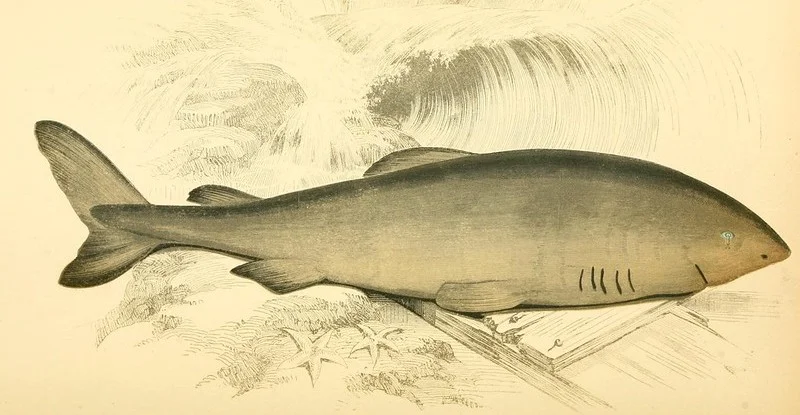
The Greenland shark, the planet's oldest vertebrate, can live for centuries, with some possibly over 500 years old. These slow-moving, deep-sea creatures are nearly blind and have a unique metabolism that allows them to survive on minimal food. Despite their longevity, little is known about their reproduction and population status, raising concerns about their conservation. Historically overfished for their oil, Greenland sharks are now considered "near threatened." Their enduring presence offers a hopeful perspective on the resilience of life amidst environmental changes.