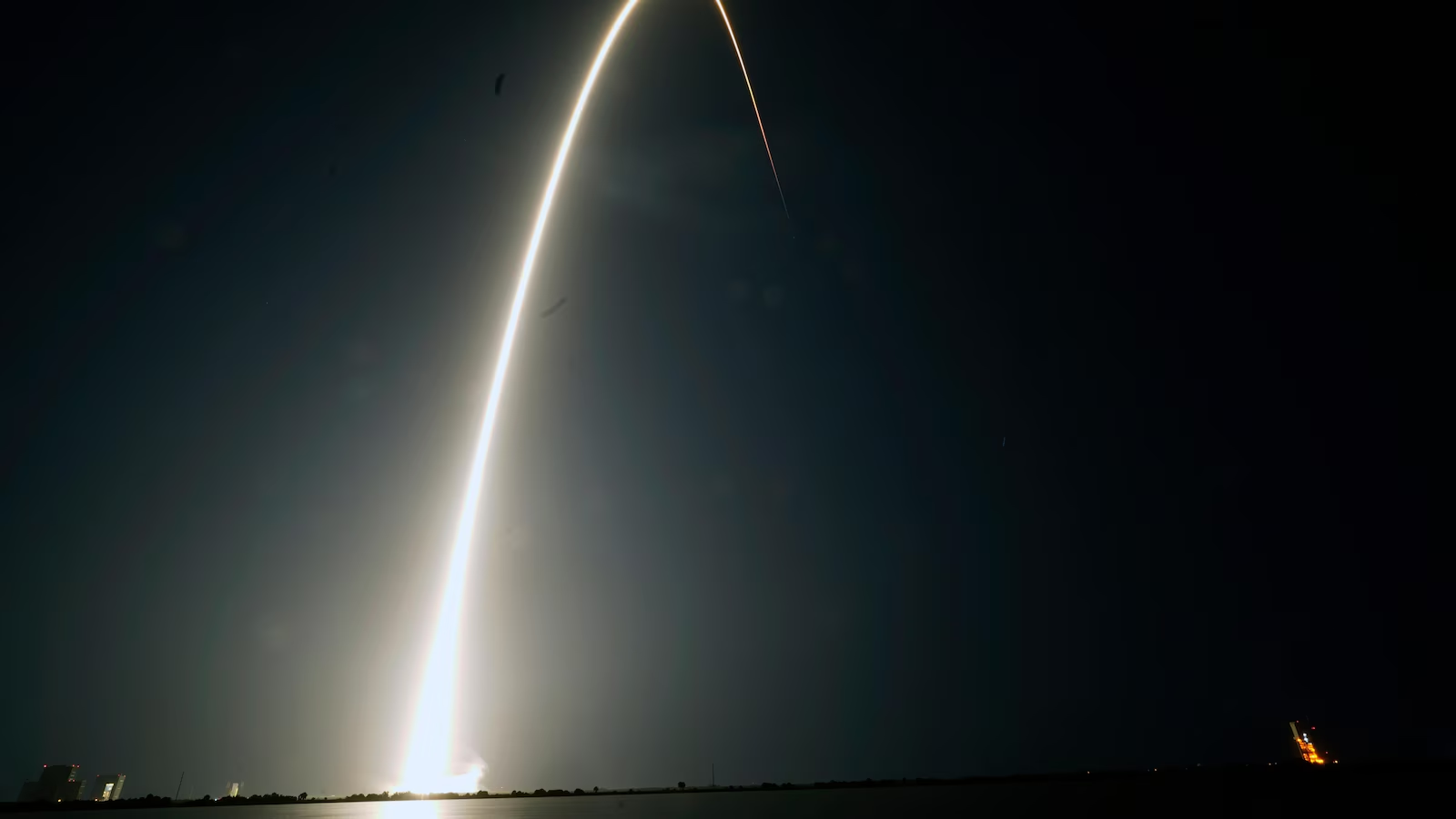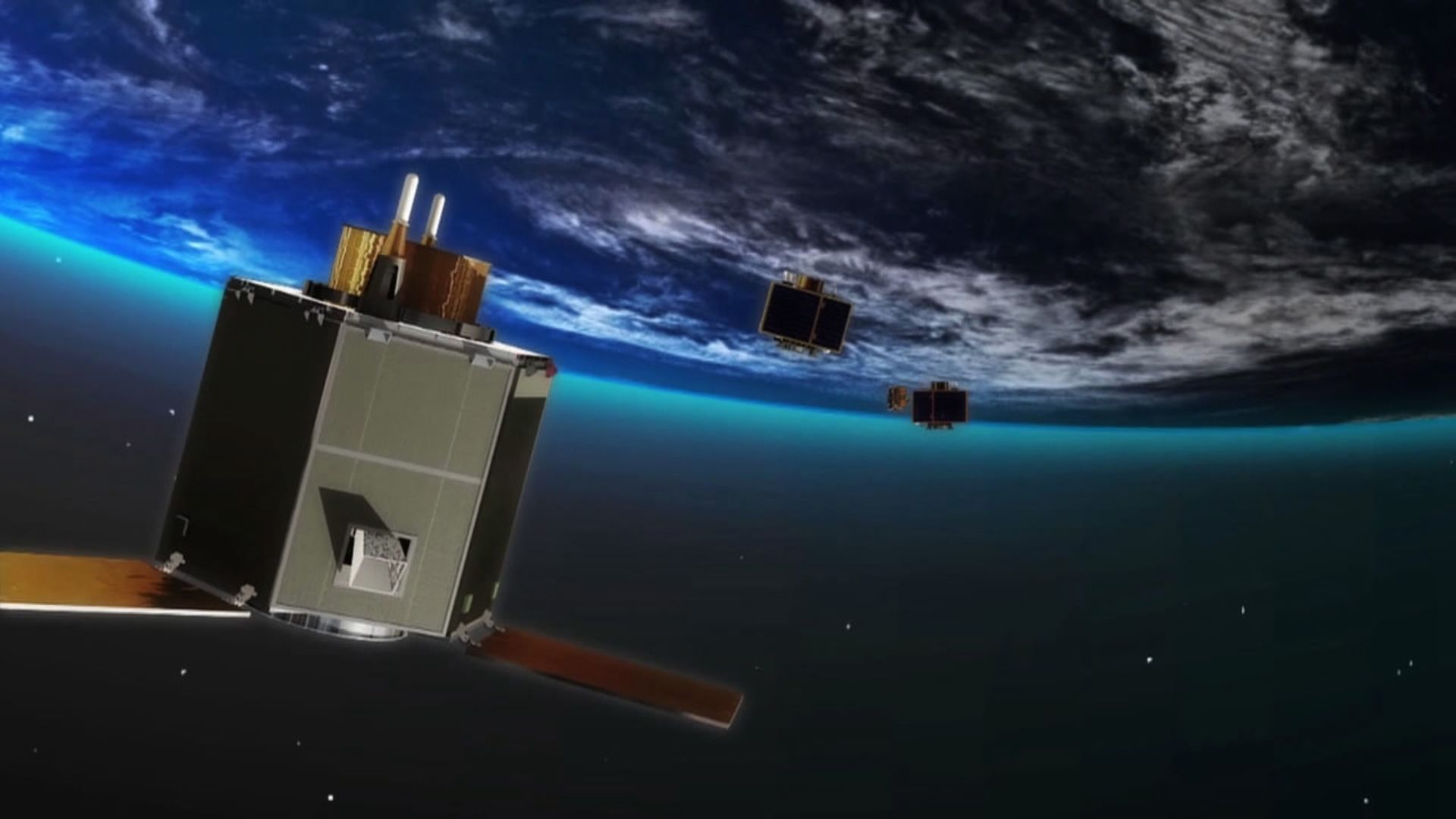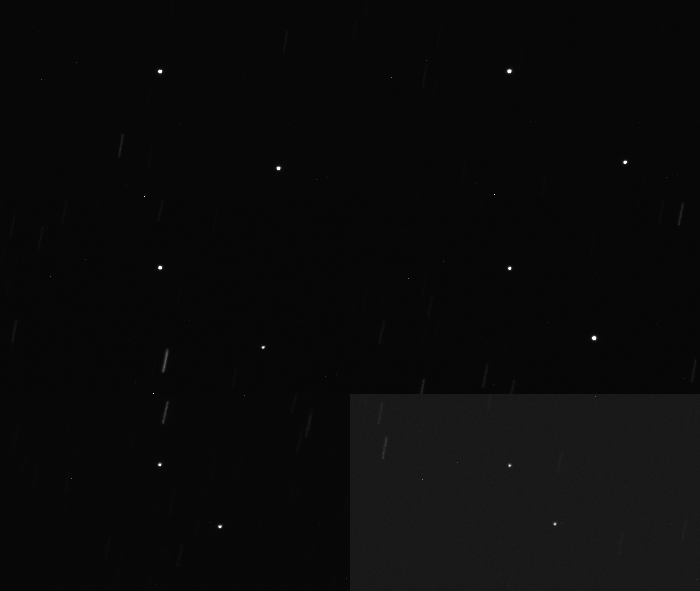
Intelligence agencies suspect Russia is developing an anti-satellite weapon aimed at disrupting Starlink services, which could cause space debris chaos and impact global satellite operations, though experts doubt its feasibility due to potential collateral damage and international repercussions.
Intelligence suggests Russia may be developing a new anti-satellite weapon aimed at disrupting Elon Musk's Starlink constellation by releasing high-density pellets to disable satellites, raising concerns about space chaos and collateral damage, though experts doubt its feasibility or strategic value.
President Donald Trump signed an executive order outlining a bold American space strategy, including returning to the Moon by 2028, establishing a lunar outpost by 2030, deploying nuclear reactors in space, and promoting private sector investment, all aimed at maintaining U.S. leadership in space exploration, security, and commerce.
The order outlines a comprehensive U.S. space policy focusing on leading space exploration with plans to return Americans to the Moon by 2028, establish a lunar outpost, enhance space security, grow the commercial space sector, and develop advanced space capabilities, all supported by coordinated agency reforms and international cooperation.
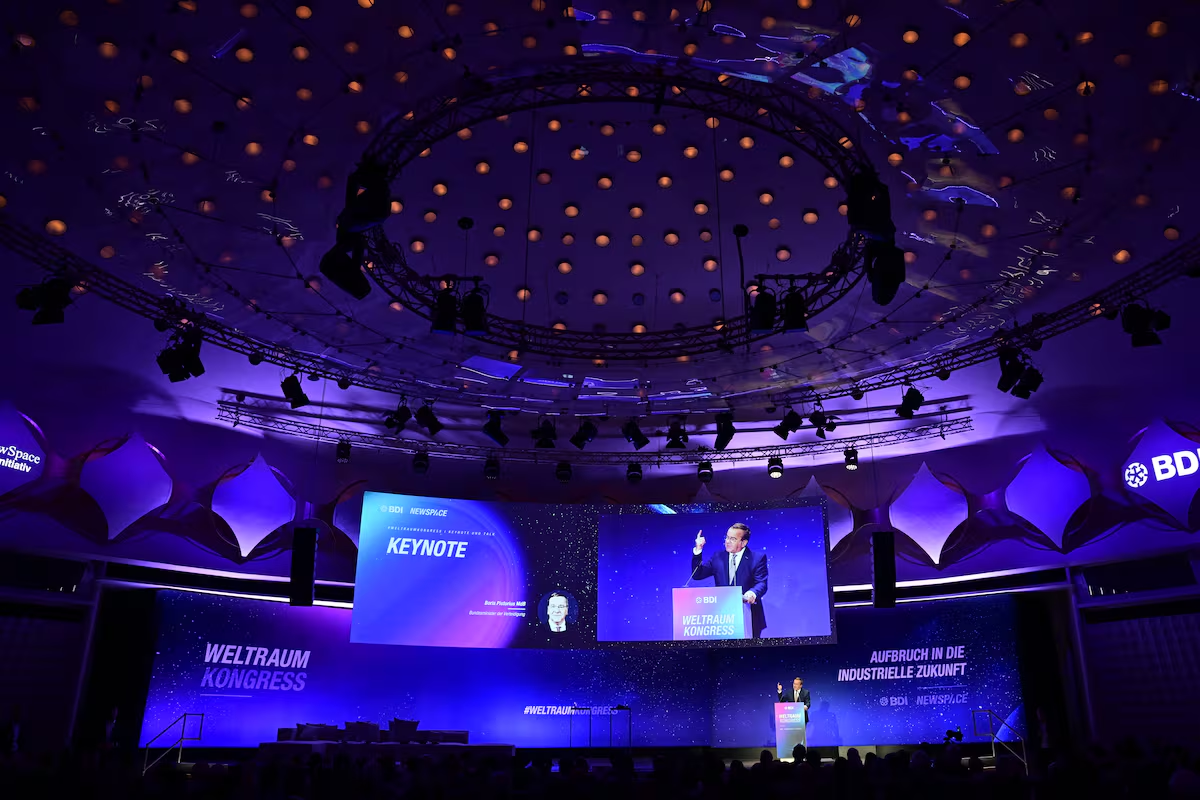
Germany plans to invest €35 billion ($41 billion) over five years to enhance its space security capabilities, including new satellite constellations, cybersecurity, and industry collaboration, motivated by threats from Russia and China.
Germany announced a €35 billion ($41 billion) investment in space-related defense projects by 2030 to enhance technological independence and counter increasing threats from Russia and China, including developing offensive capabilities and a comprehensive space security architecture.
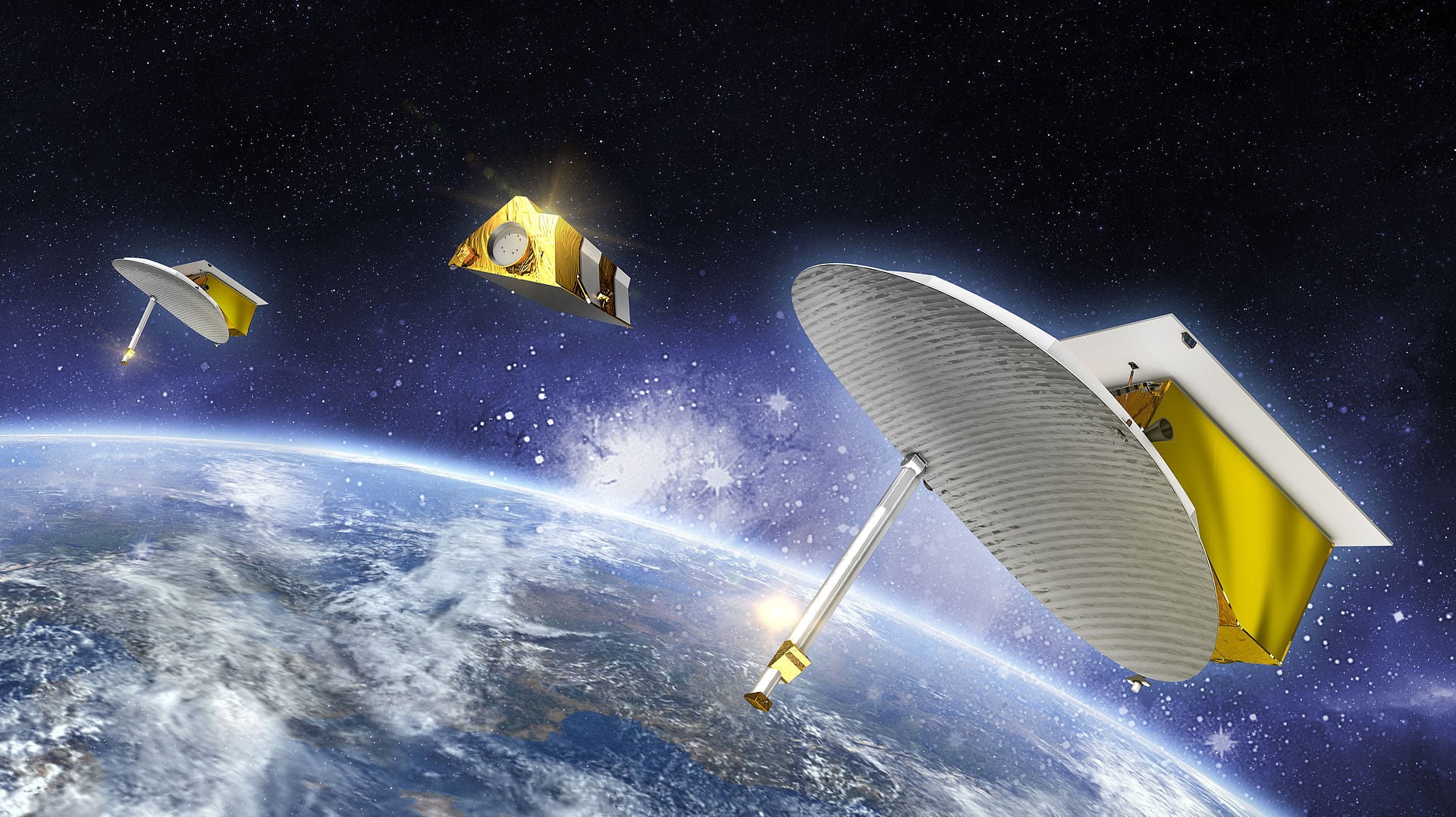
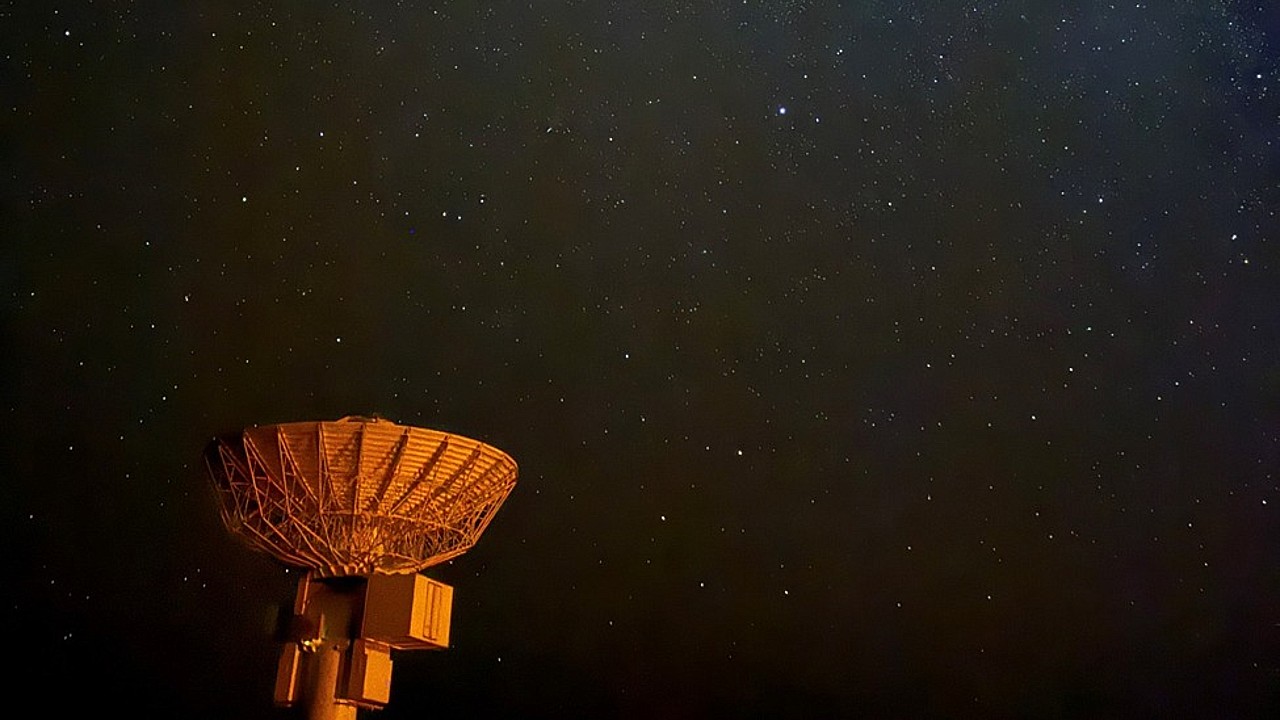
The US Space Force, in collaboration with the UK and Australia, has successfully tested the Deep Space Advanced Radar Capability (DARC) in Australia, a powerful radar system designed to track small objects in geosynchronous orbit over 22,000 miles above Earth, enhancing space domain awareness and security amidst increasing militarization of space.
Rocket Lab USA's stock surged over 100% following its $275 million acquisition of Geost, a company specializing in electro-optical and infrared payloads for national security, with analysts raising their target prices and highlighting the company's strategic positioning in space security solutions.
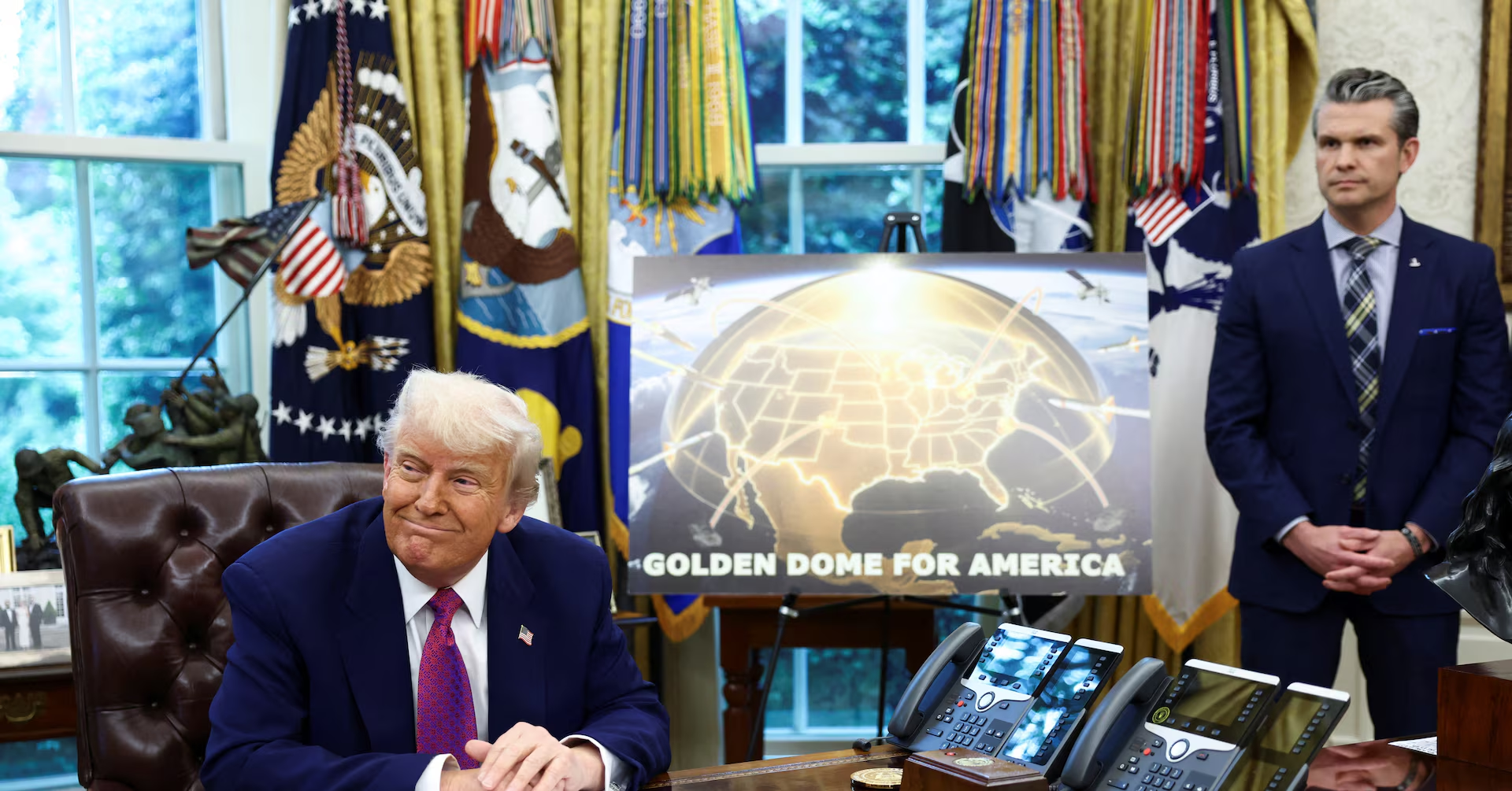
North Korea has criticized the US's Golden Dome missile defense project as a dangerous and aggressive initiative, describing it as a 'nuclear war scenario' due to its potential to leverage satellite networks for missile interception, amid concerns from China and ongoing tensions over space and missile security.
American space security scholars advocate for a U.S.-China accord to ensure peaceful coexistence in lunar exploration, as both nations plan extensive Moon missions. The proposed agreement would involve sharing data to prevent spacecraft collisions and reaffirm commitments to the Outer Space Treaty, which prohibits militarization of celestial bodies. This collaboration could also address gaps in lunar resource governance, with the potential to set international standards. The scholars emphasize the importance of this cooperation, especially in light of Russia's potential space militarization efforts.
China successfully used its Jilin-1 satellite to track asteroid 1994 PC1 from 2 million kilometers away, demonstrating advanced space capabilities and raising concerns in the US about potential military applications.
The Russian military satellite Luch-2 was detected closely approaching a geostationary satellite in April 2024, raising concerns about potential espionage. This follows a pattern of similar maneuvers by its predecessor, Luch-1, which had previously sparked international alarm. The incident was tracked by Aldoria, a French startup, and comes amid broader accusations from the U.S. that Russia is militarizing space.
A Chinese spaceplane has released an unknown object into orbit, attracting international attention due to the mission's secrecy and the ambiguity surrounding the object's purpose. The spaceplane, launched in December 2023, has performed several maneuvers and raised its orbit before releasing the object, which has been cataloged by the U.S. Space Force. The mission's objectives remain unclear, leading to speculations about potential military applications. The development of China's reusable spaceplane technology is seen as a significant advancement with strategic implications in the context of global space competition.
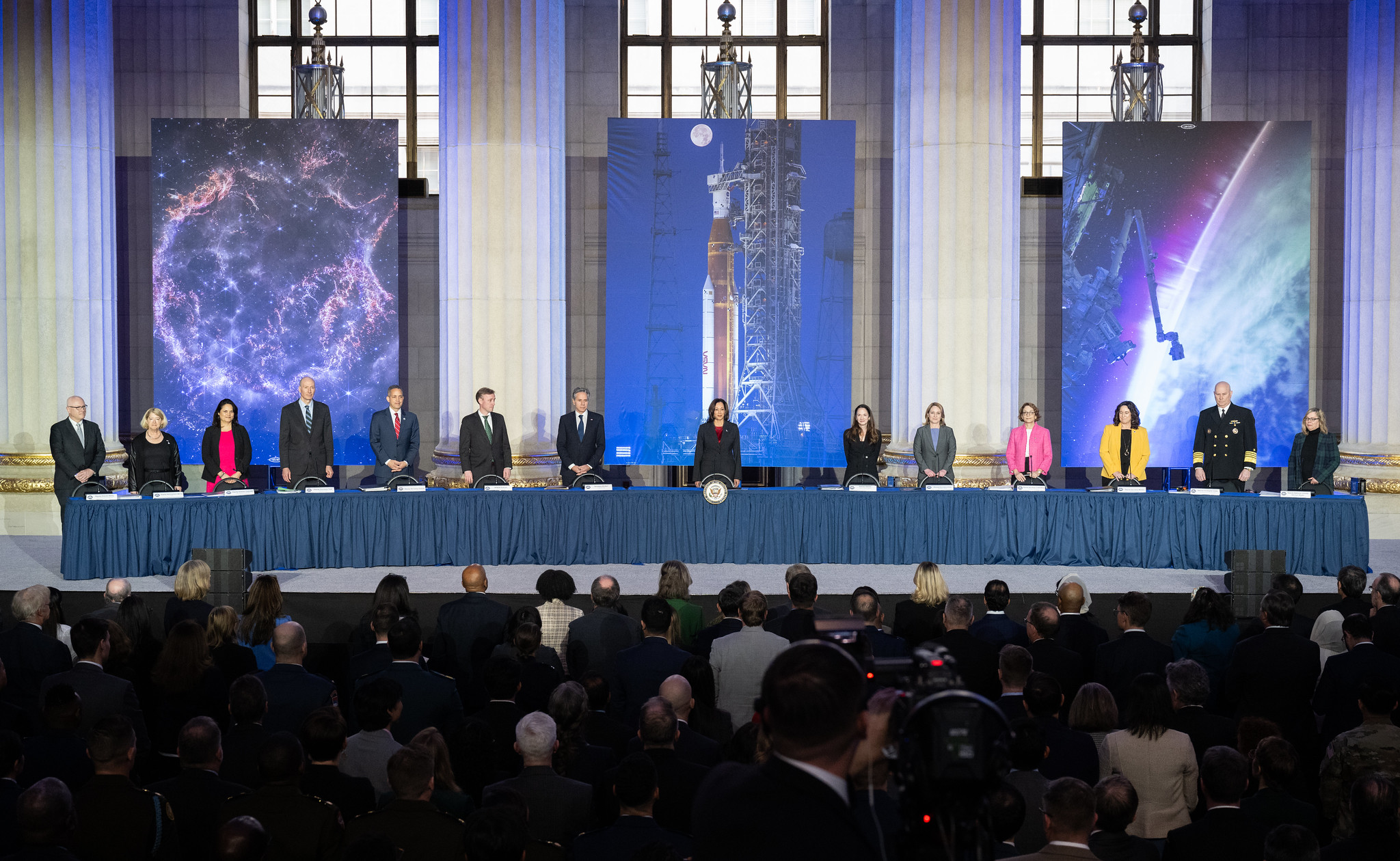
The National Space Council meeting emphasized the importance of international cooperation in space, highlighting ongoing initiatives such as the Artemis Accords and efforts to ban destructive testing of antisatellite weapons. Vice President Kamala Harris announced that astronauts from other countries will be included on future NASA Artemis lunar landing missions. The meeting also discussed American competitiveness in space, addressing military threats from China and Russia. The government announced a new policy framework for mission authorization and directed the development of minimum cybersecurity standards for space systems.
As the U.S. Space Force celebrates its fourth anniversary, glimpses of the service's mission are emerging. The Space Force, with around 8,600 service members, is tasked with securing the nation's interests in, from, and to space. While the specifics of their operations remain classified, the service is responsible for monitoring satellites, protecting them from attacks, detecting missile launches, and operating the global positioning system. The Space Force faces growing threats from countries like China and Russia, which are developing space capabilities that could jeopardize U.S. forces. Guardians of the Space Force are training in various tactics, including satellite hacking and cyberattacks, to defend against these threats.