The U.S. Defense Department has halted Anthropic's AI collaboration amid a dispute over whether the company’s models can be used for military purposes, underscoring growing tensions between private AI developers and government defense policy.
The Pentagon, led by Defense Secretary Pete Hegseth, says active-duty personnel will be barred from attending certain elite universities for graduate programs starting next academic year, citing woke indoctrination concerns. Harvard is explicitly noted as off limits, and a broader DoD review of senior service schools and war colleges is planned, though specifics and which institutions are affected have not been disclosed.
The Pentagon reportedly approved OpenAI's safety rules for deploying AI in classified settings, though no contract has been signed, signaling a shift away from Anthropic in military use debates. OpenAI wants cloud-only confinement, ongoing security monitoring, and researchers with security clearances to advise on risks, while opposing mass surveillance and autonomous weapons; the move could boost OpenAI politically even as Anthropic faces criticism from defense officials.
A standoff between AI startup Anthropic and the Pentagon centers on how AI could be used in defense, including a hypothetical nuclear-strike discussion, exposing sharp disagreements over lethal autonomy, safety controls, and how the government should regulate AI-powered weapons.
Anthropic says it will not comply with Pentagon demands on AI safeguards as a looming deadline approaches, signaling a confrontation over how the company’s AI tech should be regulated for military use.
ISW’s February 23 update flags Moscow's use of Defender of the Fatherland Day to frame and enable limited rolling involuntary mobilization, with Putin and Medvedev pushing a responsibility narrative and Kremlin safeguards to blunt domestic backlash, including tighter internet controls and limited social protections if mobilization expands. On the battlefield, Ukraine continues to liberate southern areas with movements near Kupyansk, Oleksandrivka, and Verbove, though ISW notes contested Russian gains and a fluid front line. Russia aims to bolster intelligence and disrupt satellite communications, while Belarus increases military cooperation and drone activity. Ukrainian strikes hit oil infrastructure in Russia (Tatarstan) and Belgorod, and the war remains marked by heavy attrition and shifting control across Donetsk and Zaporizhzhia directions. ISW will continue monitoring frontline changes and refine its terrain maps as new evidence emerges.
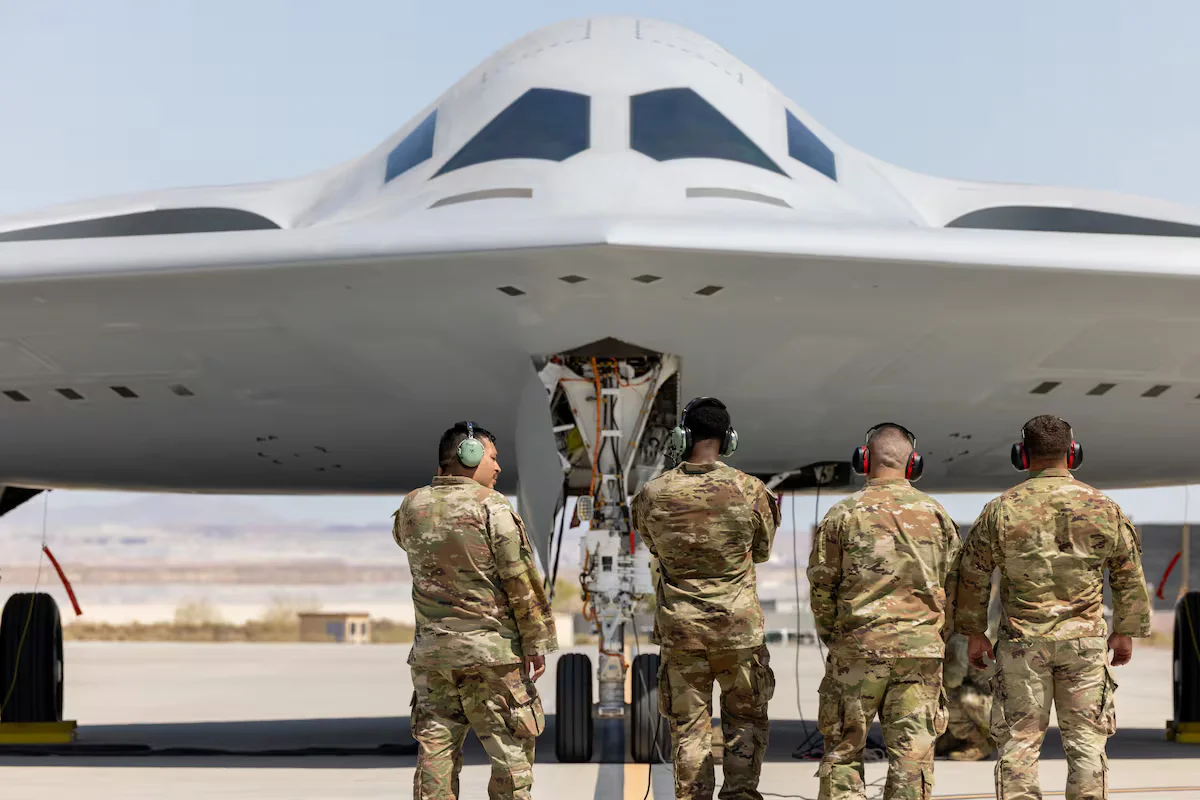
A Mitchell Institute policy paper argues the U.S. Air Force must field at least 500 sixth-generation fighters and bombers—300 F-47 fighters and 200 B-21 bombers—beyond the current plan of 185 F-47s and 100 B-21s. The analysis warns China could establish a western Pacific sanctuary, risking attritional warfare unless the U.S. can project long-range air power in force. It calls for interim steps: keep legacy B-1/B-2 until at least 100 B-21s are available, accelerate B-21 funding, boost F-35A and F-15EX purchases, and expand autonomous drone wingmen. To reach 300 bombers, the Air Force would need about 224 B-21s, given its 76 B-52s, alongside a one-for-one fighter recapitalization strategy.
The 2026 National Defense Strategy shifts U.S. priorities away from defending European allies and other overseas commitments, directing forces to focus on defending the American homeland and Western Hemisphere amid rising tensions with Russia and China.
A senior LDP official suggests Japan should revisit its long-standing three non-nuclear principles amid ongoing reliance on the U.S. nuclear umbrella, indicating potential discussions on nuclear policy revisions.
The Senate will not vote on a crypto bill this week as discussions focus on a contentious provision in the defense policy bill related to military helicopters and safety technology, with lawmakers considering attaching the ROTOR Act to other legislation instead.
The Pentagon has implemented new restrictions on media and outside engagement, including limiting press access and requiring approvals for interactions with think tanks and other groups, amid concerns over sensitive information leaks and internal criticism of leadership.
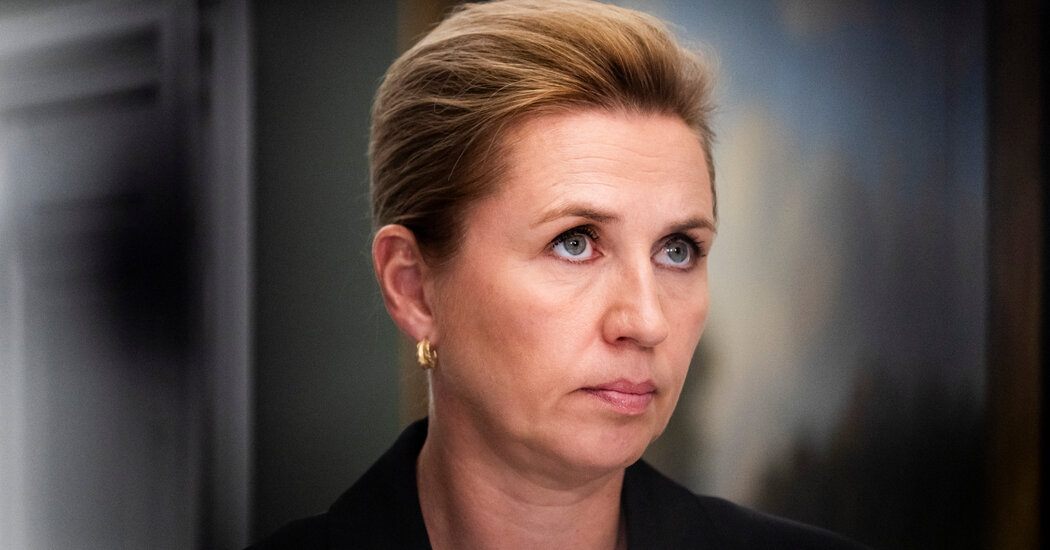
Denmark plans to acquire long-range, high-precision weapons to deter Russia, marking a significant shift in its defense policy amid increased tensions and recent large arms purchases, while also addressing geopolitical issues involving Greenland and Ukraine.
Denmark is set to purchase long-range precision weapons for the first time, citing Russia as a threat and framing the move as a significant shift in its defense policy in response to Russia's war in Ukraine.
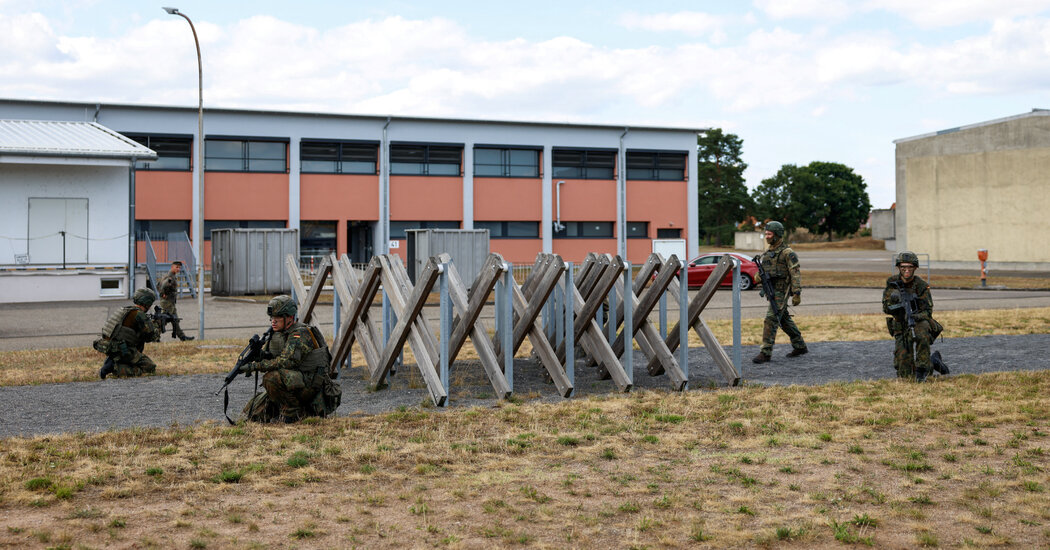
Germany's cabinet approved a plan for voluntary military service for 18-year-olds, aiming to recruit up to 40,000 annually by 2031 to bolster national defense amid tensions with Russia, with the legislation still needing Bundestag approval and facing political debates over potential return to conscription.
Germany has proposed a major overhaul of its military recruitment system, aiming to increase volunteer enlistment through salary raises and expanded training, while also considering reintroducing conscription if volunteer numbers remain insufficient, sparking debate over the effectiveness and necessity of such measures.