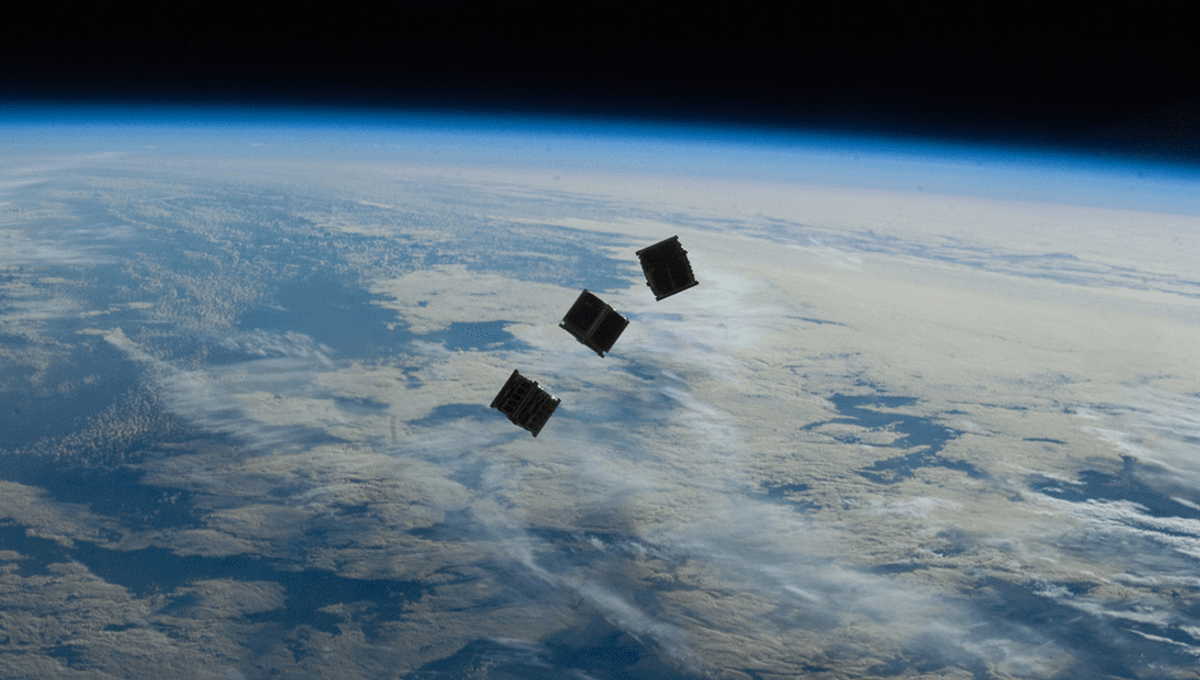
China's reusable space plane, Shenlong, has released another unknown object into Earth's orbit during its third mission. The object, cataloged by the U.S. Space Force, could be a subsatellite or hardware ejected before deorbiting. This follows previous similar activities by Shenlong, which has been in orbit for 168 days. The mission aims to verify reusable technology and conduct space science experiments.
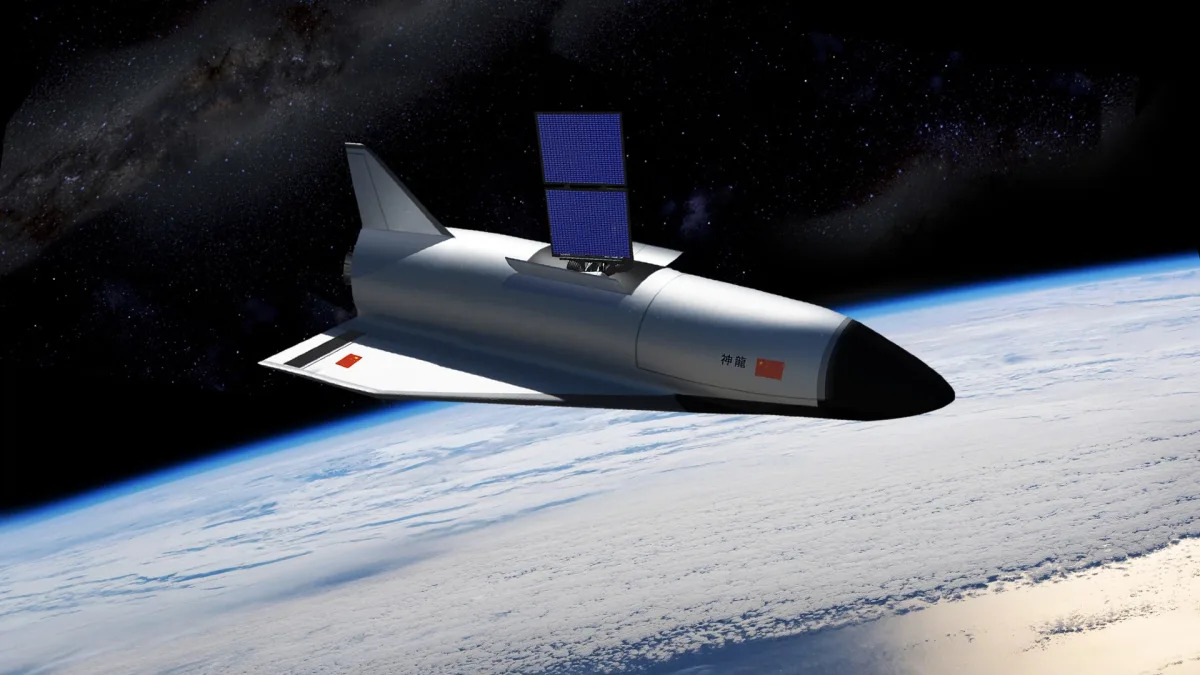
China's reusable space plane, Shenlong, has released another unknown object into Earth's orbit after 168 days in space. The object, cataloged by the U.S. Space Force, could be a subsatellite or hardware ejected before the mission's end. This follows similar activities from previous missions, with the space plane conducting reusable technology verification and space science experiments.
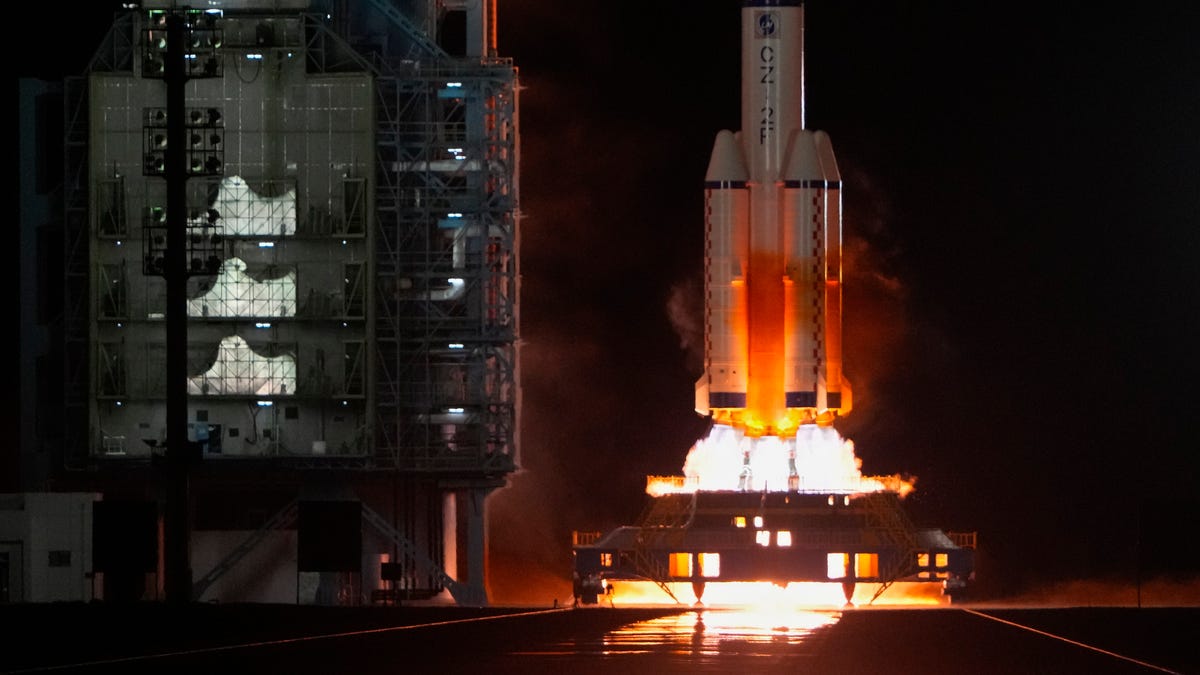
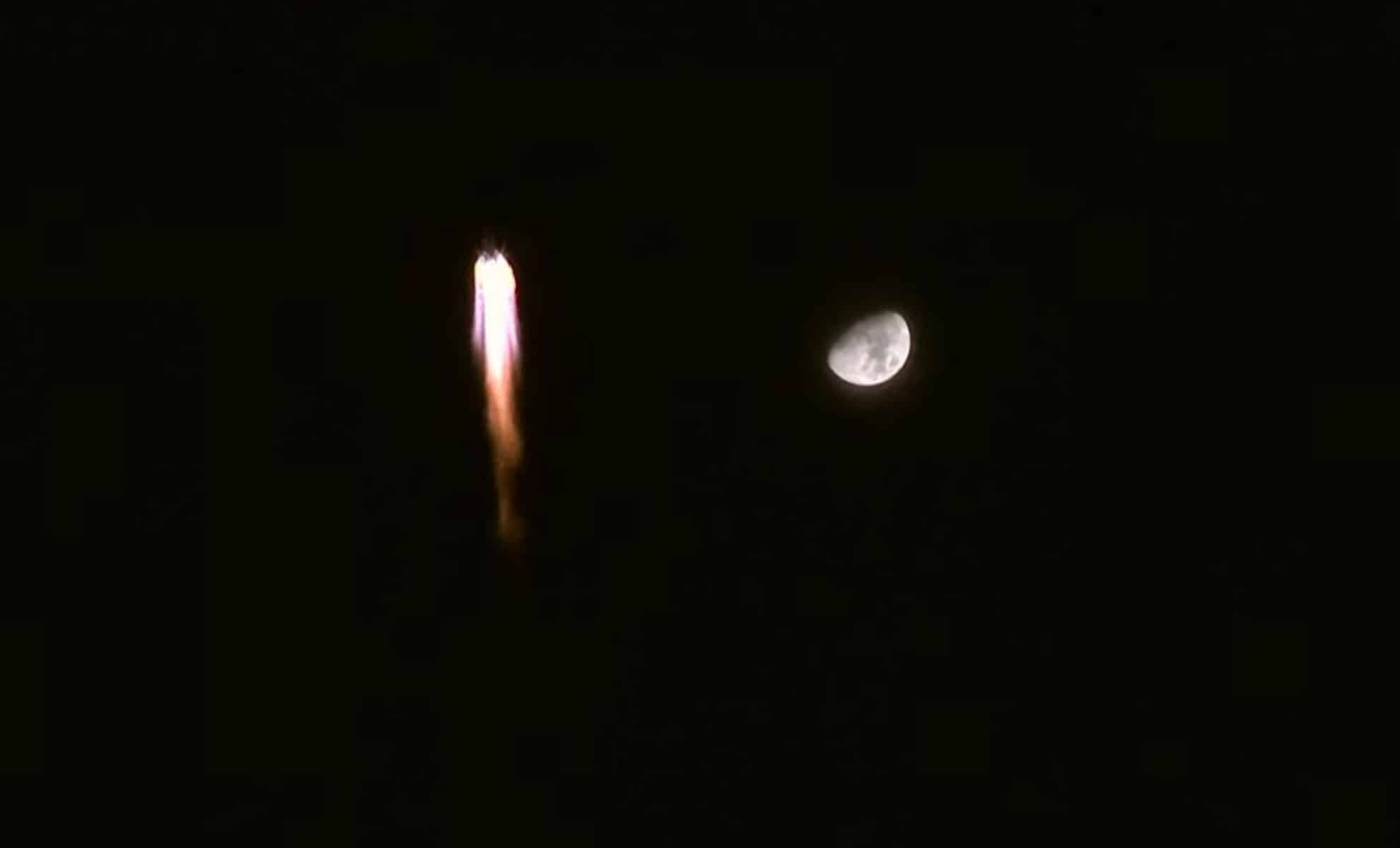
The US is tracking a mysterious object in orbit linked to China's Shenlong spaceplane, which launched in December. This object, noted by astronomer Jonathan McDowell, could be a subsatellite or ejected hardware. The Shenlong spaceplane is testing reusable technology, and similar unidentified objects were released during its previous missions. The US Space Force is monitoring the situation, with little information available from China.
China's reusable test spacecraft has released a seventh unidentified object nearly six months after its launch, following six other objects that emitted repeating signals. The purpose of these objects remains unclear, with speculation ranging from subsatellite deployment to hardware ejection. The Chinese government states the spaceplane is testing reusable technology and conducting space science experiments.
China's reusable spaceplane has released a mysterious object into orbit, potentially signaling the end of its 164-day mission. The U.S. Space Force is tracking the object, which could be a subsatellite or ejected hardware. The spaceplane, developed by the China Academy of Launch Vehicle Technology, has previously released unidentified objects and is expected to land soon.
A Chinese spaceplane has released an unknown object into orbit, attracting international attention due to the mission's secrecy and the ambiguity surrounding the object's purpose. The spaceplane, launched in December 2023, has performed several maneuvers and raised its orbit before releasing the object, which has been cataloged by the U.S. Space Force. The mission's objectives remain unclear, leading to speculations about potential military applications. The development of China's reusable spaceplane technology is seen as a significant advancement with strategic implications in the context of global space competition.
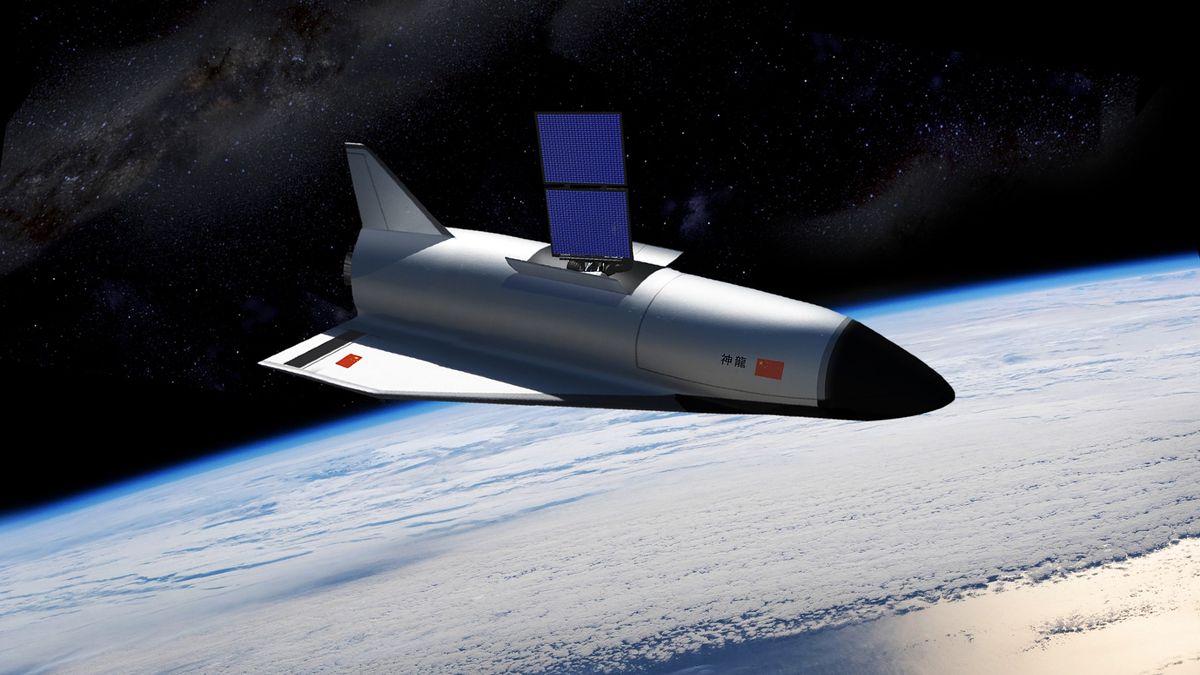
An experimental Chinese spacecraft, whose details have not been disclosed, returned to Earth after 276 days in orbit, marking an "important" breakthrough in China's research into reusable spacecraft technology that will provide a more convenient and inexpensive way to mount future space missions. The spacecraft's technologies, altitude, and orbits have not been revealed, and no images of the craft have been released to the public. Chinese social media commentators have speculated that Beijing has been developing a spacecraft like the U.S. Air Force's X-37B, an autonomous spaceplane that can remain in orbit for years.
An experimental Chinese spacecraft, the details of which have not been disclosed, returned to Earth after 276 days in orbit, marking an "important" breakthrough in China's research into reusable spacecraft technology. The spacecraft's mission was to test China's reusable space technologies, which will provide a more convenient and inexpensive way to mount future space missions. The spacecraft's design has led to speculation that it is similar to the US Air Force's X-37B, an autonomous spaceplane that can remain in orbit for years.