Tag

Outer Space Treaty

All articles tagged with #outer space treaty

space-exploration2 months ago

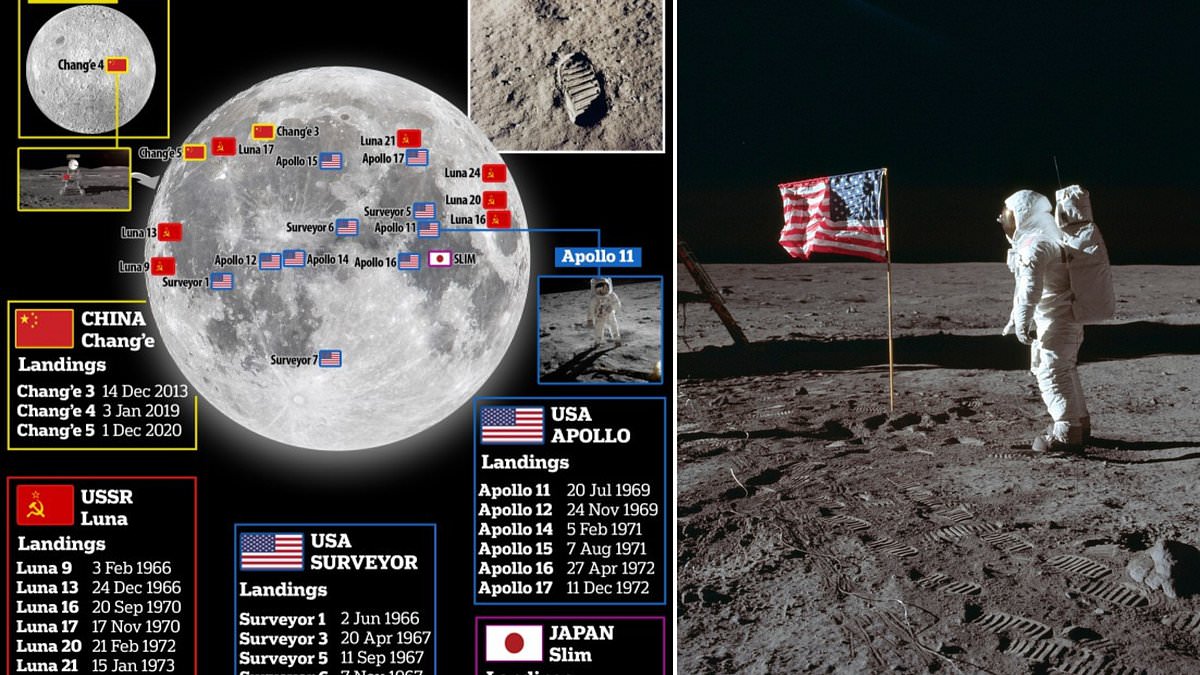
The New Space Race: Lunar Resources and Global Power Shifts

The article argues that comparing the moon to the South China Sea is flawed because the moon is governed by international law that prohibits sovereignty claims, and the current lunar efforts are more collaborative than competitive. It emphasizes that the real challenge is managing shared access and resources, and advocates for a race towards restraint and shared stewardship rather than dominance, highlighting the importance of viewing Earth as one from the lunar surface.

space-exploration1 year ago

Experts Urge US-China Collaboration in Lunar Exploration

American space security scholars advocate for a U.S.-China accord to ensure peaceful coexistence in lunar exploration, as both nations plan extensive Moon missions. The proposed agreement would involve sharing data to prevent spacecraft collisions and reaffirm commitments to the Outer Space Treaty, which prohibits militarization of celestial bodies. This collaboration could also address gaps in lunar resource governance, with the potential to set international standards. The scholars emphasize the importance of this cooperation, especially in light of Russia's potential space militarization efforts.

space-exploration1 year ago

"Escalating Space Race Threatens Global Conflict"

AC Grayling warns that the commercial space race for lunar resources could lead to conflict and war, as private companies like SpaceX and Blue Origin invest in lunar missions. The 1967 Outer Space Treaty, which prohibits military use of the Moon, is outdated and inadequate for regulating commercial activities. Grayling draws parallels to the Scramble for Africa, highlighting the potential for destabilization and conflict. He calls for a new, robust treaty to prevent exploitation and manage competition in space, emphasizing the need for cooperation and restraint in the pursuit of lunar resources.

world1 year ago

"US Raises Alarm Over Russian Space-Based Nuclear Weapon Threat"

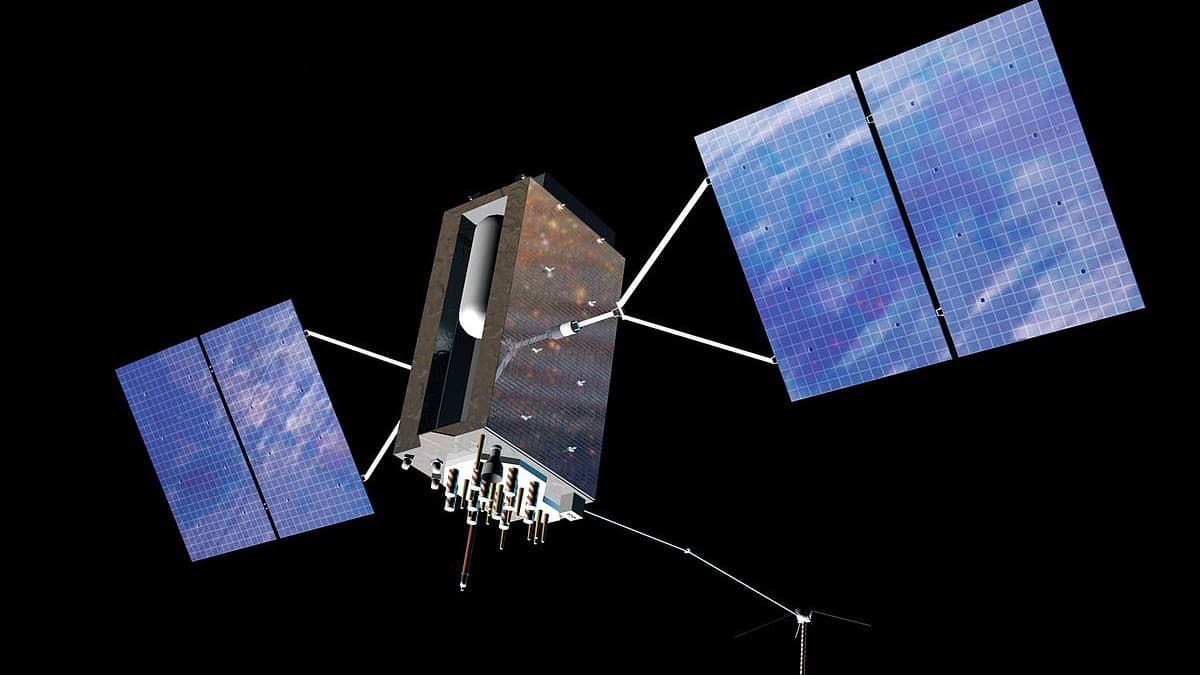
The United States has informed Congress and its European allies about Russian advances on a new space-based nuclear weapon designed to threaten America's satellite network. The weapon, if deployed, could potentially destroy civilian communications, surveillance, and military operations. Concerns have been raised about Russia potentially abandoning the Outer Space Treaty of 1967, which bans orbital nuclear weapons. While the launch of the antisatellite weapon does not appear imminent, there is a limited window of time to prevent its deployment.

space-exploration1 year ago

"The Lunar Ownership Debate: Who Will Claim Rights to the Moon?"

The Outer Space Treaty, signed in 1967, prohibits any country from claiming ownership of the moon or other celestial bodies. While individuals cannot own the moon, states retain ownership of objects they send into space. The treaty's open-ended approach to the definition of "use" may lead to future activities that resemble ownership. The debate over mining moon resources under the treaty continues, with some advocating for usage rights and others opposing any form of appropriation. As the race to establish lunar settlements heats up, the legal framework for space activities is being tested, raising concerns about potential conflicts and the need for updated regulations.

science-and-technology2 years ago

The Looming Threat: Space Junk Endangers All Satellites

The destruction of a single satellite in space could trigger a catastrophic chain reaction, destroying hundreds of other satellites and rendering low Earth orbit unusable. The risk of this happening has increased due to Russia's anti-satellite missile test in 2019, which created hazardous debris. The Kessler syndrome, proposed by NASA scientist Donald Kessler, suggests that ongoing collisions and space debris could lead to the destruction of all satellites within 40 years. This would have severe consequences for communication, GPS systems, power grids, and banking systems. The United States has banned the testing of anti-satellite weapons, but the risk remains.