The article highlights the top 10 must-visit barbecue spots across the United States, showcasing a variety of regional styles from Texas brisket to Carolina whole hog, emphasizing the diversity and tradition of American barbecue craftsmanship.
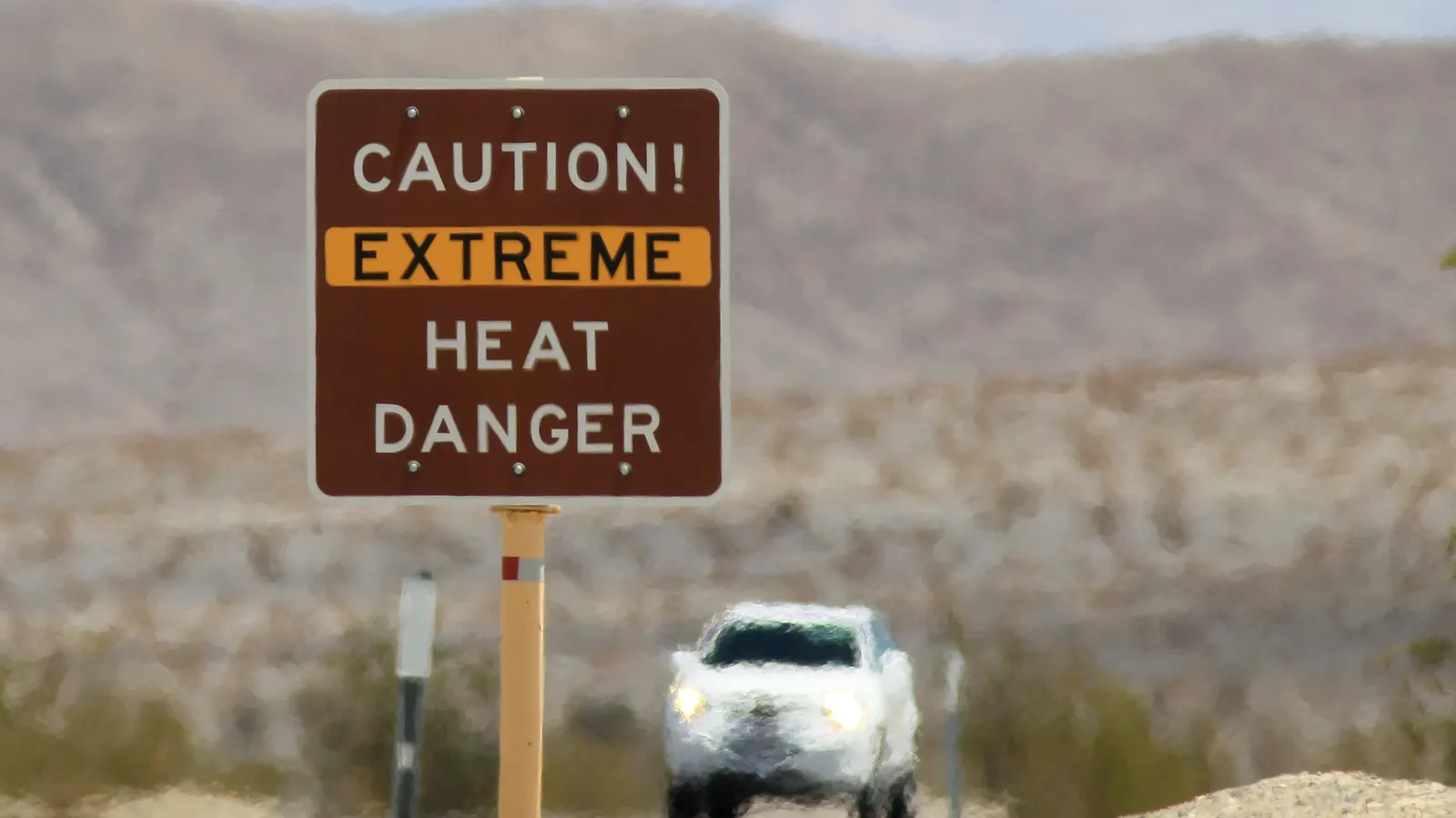
A late spring heat wave set new daily temperature records across Texas, Florida, and Louisiana over Memorial Day weekend, with forecasters warning of continued high temperatures and urging residents to seek air-conditioned spaces and avoid strenuous activities. The heat wave is expected to contribute to an active Atlantic hurricane season, with predictions of up to 25 named storms. Meanwhile, severe storms and tornadoes caused significant damage and fatalities in other parts of the country.
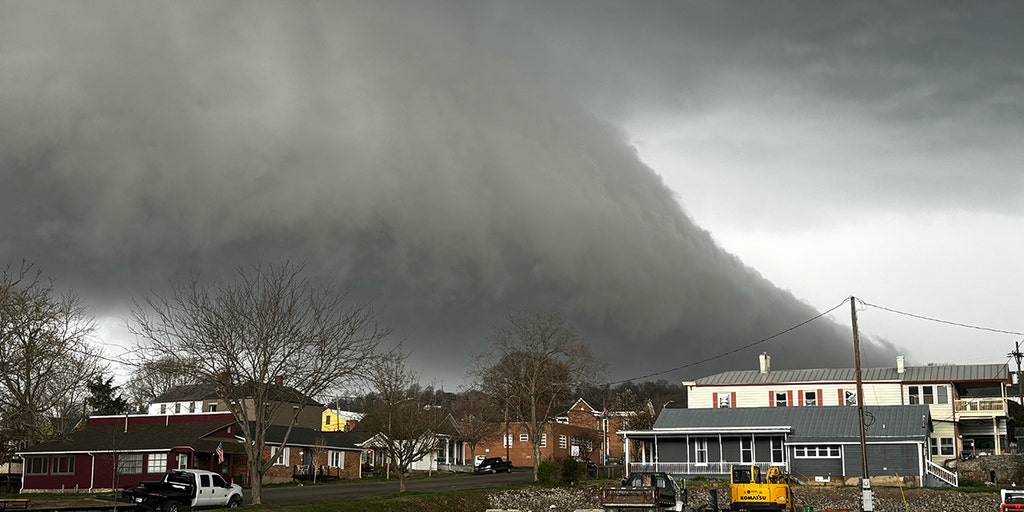
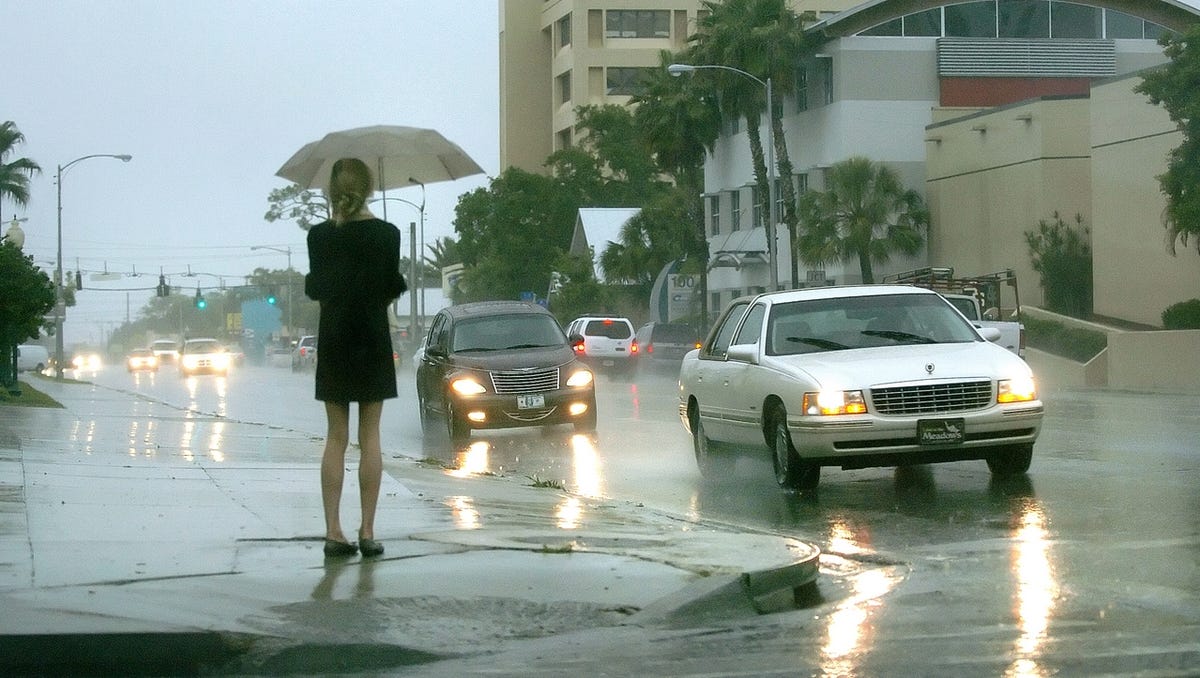
A powerful storm system is expected to bring heavy rain, large hail, and possible tornadoes to the southern US, affecting over 30 million Americans from eastern Texas to Mississippi. The storm disrupted air travel, caused power outages, and led to the early end of the Texas Eclipse Festival. The risk of severe weather is forecast to extend to central Georgia, the Florida Panhandle, and other areas, prompting Texas Governor Greg Abbott to mobilize state resources in preparation for potential flood, tornado, and storm damage.
Following a deadly tornado outbreak in the Ohio Valley, the southern US is bracing for another round of severe weather on Friday, with Mississippi and Alabama expected to be the morning hot spots and Texas facing a threat after dinner time. The severe storm threat includes potential hail, tornadoes, and damaging wind gusts, while persistent rains raise the risk of flooding through the weekend. Thursday's severe weather outbreak resulted in over 300 reports of severe weather, including eight tornadoes and left at least two people dead, with dozens injured and significant damage across multiple states.
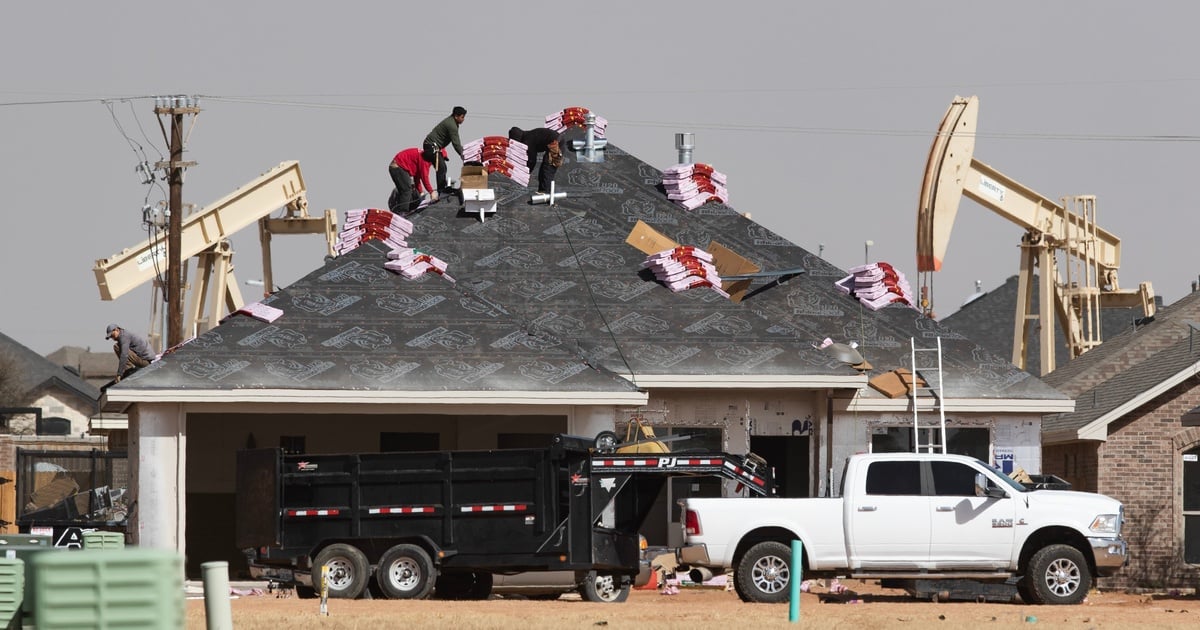
Texas leads the U.S. in population growth, with six out of the 10 fastest-growing counties and eight out of the top 10 counties adding the most residents. The state's major counties, including Harris, Collin, and Montgomery, saw significant population increases, contributing to Texas' overall growth of nearly half a million people in 2023. Additionally, Texas' four most populous metro areas experienced substantial population increases, with the greater Dallas area leading the pack. The Midland metro area, driven by job growth in the energy sector, also saw rapid population growth, reflecting the overall trend of faster growth in the southern U.S.
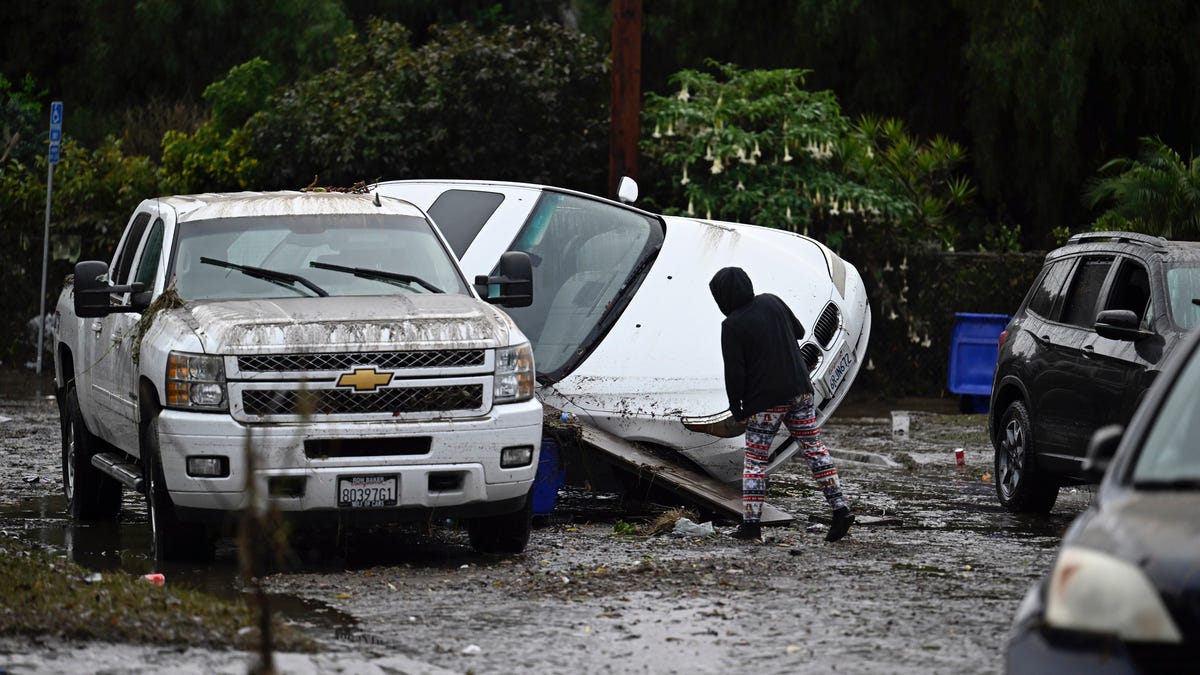
Severe weather conditions, including flash floods in San Diego, freezing rain in the Midwest and Northeast, and heavy rainfall in the southern U.S., have caused havoc across the country. Southern California, the Southeast, and Texas are responding to flash flood warnings amidst heavy rainfall, with San Diego declaring a state of emergency. The warmer temperatures and melting snow are expected to lead to oversaturated soil, increasing the risk of flash floods. Additionally, Memphis residents are asked to boil water after freezing temperatures broke water pipes, and freezing rain and snowfall are forecasted for the Midwest and Northeast.
Heavy rain from the Gulf of Mexico is causing flash floods and rising waterways in the southern US, with flood warnings issued in Texas. Northern California is also experiencing heavy rain, leading to coastal and flash flood warnings. The arctic blast that brought single-digit temperatures to the Plains, Midwest, and Northeast is now moving east, with freezing rain and sleet expected in the Midwest as temperatures rise.
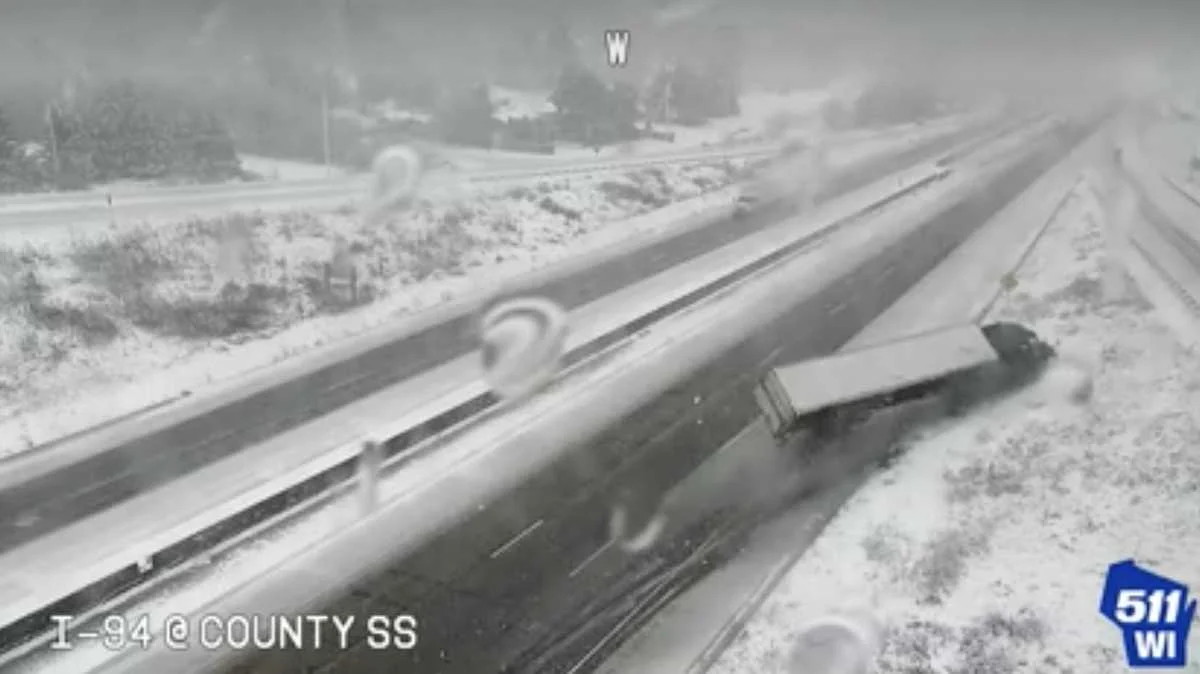
Winter storms and tornadoes have caused widespread damage and disruption across the southern and central US, with high winds, hail, and tornado warnings affecting Florida, Alabama, Georgia, and the Midwest. Multiple fatalities have been reported, and severe weather has led to road closures, stranded drivers, and collapsed buildings. Dramatic footage shows hail in Louisiana, a fatal crash in New Mexico, tornado warnings in Florida, stranded drivers in Nebraska, and an abandoned home collapsing in New Orleans. Dozens of people have been provided food and shelter after being stranded in New Mexico.
The CDC has issued an alert about the surge of respiratory viruses, including COVID-19, RSV, and the flu, in the southern US, with Alabama and Mississippi being heavily impacted. Urging increased immunization, the CDC emphasizes the need to combat these illnesses.
The Centers for Disease Control and Prevention (CDC) has found that leishmaniasis, a skin disease spread by sand flies, is spreading at low levels in the southern U.S., challenging the previous belief that it could only be acquired abroad. Recent research confirms that the parasite causing leishmaniasis, known as Leishmania mexicana, has been present in the U.S. since at least 2005. The disease has been circulating in south and central Texas for decades, but its range has been expanding northward in the past 10 years. Climate models suggest that over 12 million people in the U.S. could be exposed to leishmaniasis locally, and this number could double in the next 60 years. Researchers are urging doctors and patients to be aware of the disease and for textbooks to reflect its presence in the U.S.
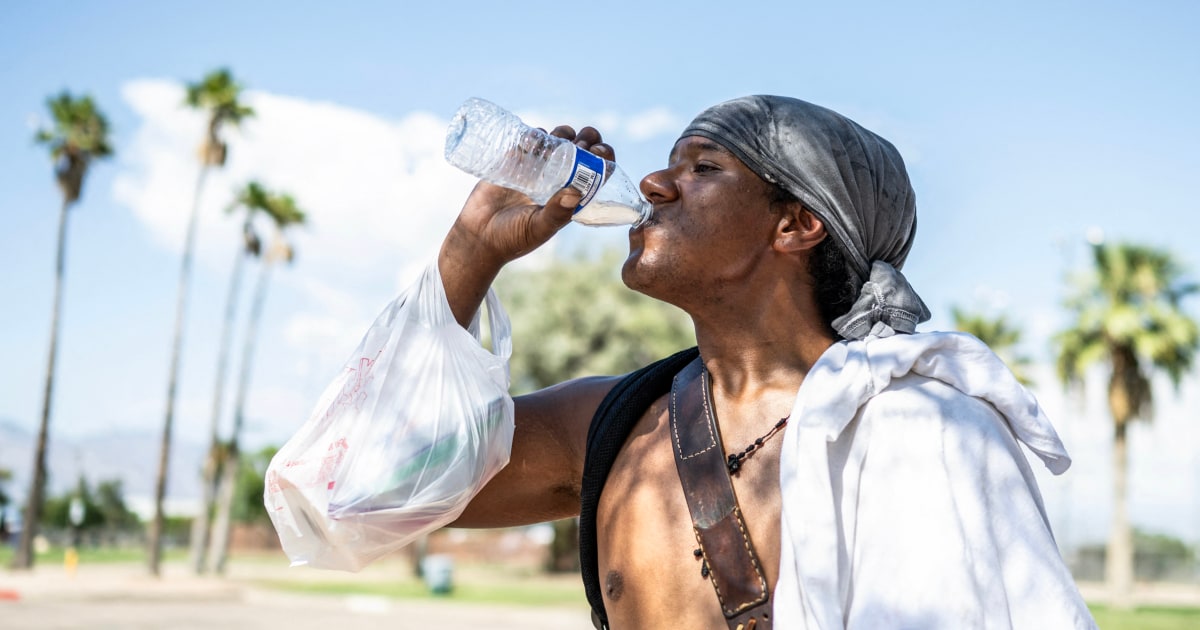
About 70 million people in the US are under heat alerts as record-breaking temperatures continue to scorch the South, with dangerously hot conditions expected to expand from the desert Southwest into Texas and along the Gulf Coast. Cities like Phoenix, New Orleans, Miami, Houston, and El Paso will experience temperatures 5 to 15 degrees Fahrenheit above average, with highs reaching into the 90s and 100s. Relief from the heat is forecasted in parts of the Southwest and Southeast, but extreme heat is expected to persist in New Mexico, Texas, and Louisiana. Meanwhile, the Northeast is at risk of severe storms, with damaging winds, heavy rain, and potential tornadoes forecasted for the region.
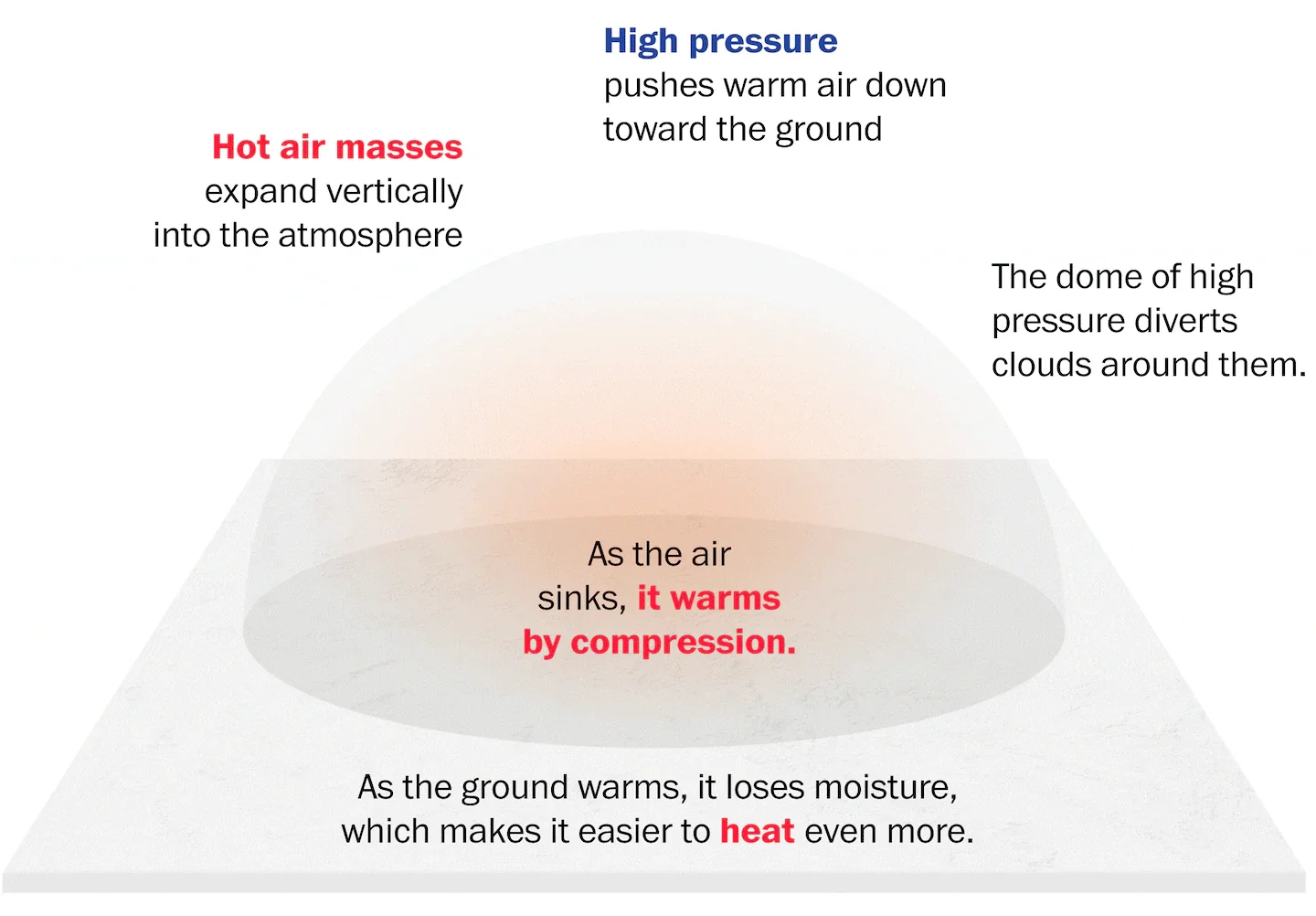
The Southern U.S. is currently experiencing an extreme and prolonged heat wave, with record-breaking temperatures and little sign of relief. A heat dome, a concentrated sphere of heat, is responsible for the excessively high temperatures, which have been exacerbated by human-caused climate change. This heat wave is part of a global trend, with heat domes also affecting Europe, China, and the Atlantic. The intensity and duration of these heat waves are unprecedented, and scientists warn that as global warming continues, such extreme events will become more frequent and severe.
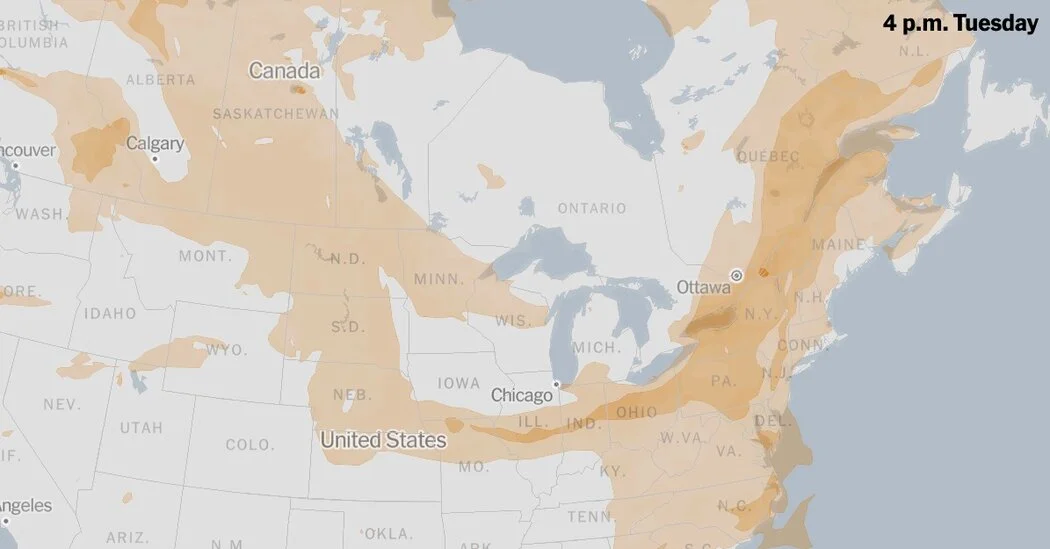
Smoke from wildfires in Canada has reached new areas in the southern United States, including North Carolina and Georgia, causing poor air quality and health concerns. The smoke, which had previously affected the East Coast in June, is now coming from fires in Canada's Northwest. A high-pressure system is trapping the smoke at ground level, leading to unhealthy air quality in several states. Residents have been advised to limit outdoor activities and wear masks, as the smoke continues to impact visibility and health in the affected regions.
The southern US is experiencing an extraordinary heat wave that is straining infrastructure and human survival. Unusual atmospheric patterns, global temperature cycles, and a northward bulge in the jet stream are contributing to the extreme heat. The high humidity, fueled by record-high temperatures in the Atlantic Ocean and warming Gulf of Mexico, is making the heat wave even more dangerous. Climate change is also increasing the likelihood and severity of heat waves. The current heat wave may break soon, but it is setting the stage for even hotter temperatures in the future.