General Motors reported a $6 billion impairment charge due to unprofitable EV investments, citing reduced consumer demand following the removal of federal tax incentives and relaxed emissions regulations, leading GM to scale back EV capacity and shift production focus.
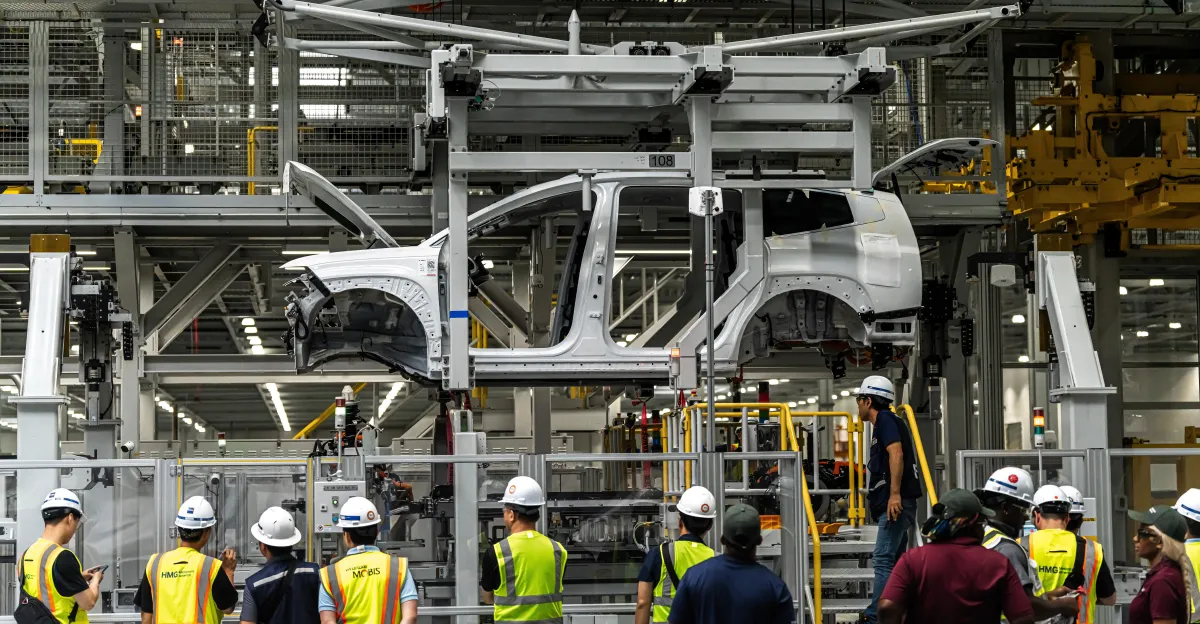
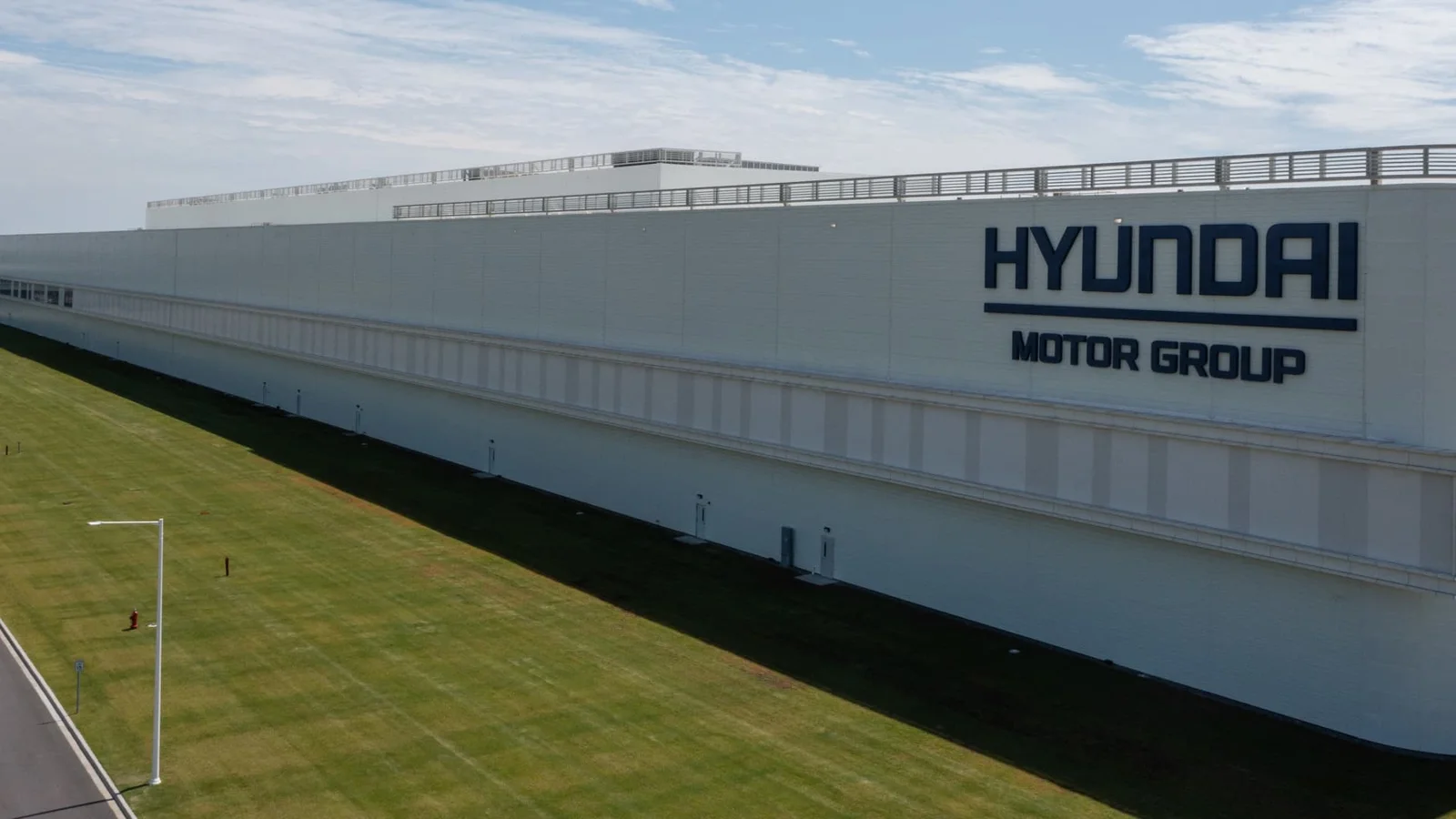
Hyundai announced a $2.7 billion investment in its Georgia EV battery plant despite an ICE raid that detained hundreds of workers, reaffirming its commitment to US manufacturing and electric vehicle expansion, including new models and increased local production by 2030.
U.S. Treasury Secretary Janet Yellen praised President Biden's investment in electric vehicles during a visit to a new EV battery factory in Kentucky, highlighting a "boom" in EV-related investments. However, major automakers like Ford and General Motors are toning down their all-electric car transition timelines, shifting to a more cautious approach. While Biden's policies and federal funds have fueled private sector investments, challenges such as slower EV charging infrastructure development and lower-than-expected consumer demand have led to adjustments in EV goals and emissions reduction timelines. Additionally, Biden's aggressive EV push has become a political liability, with tensions arising between his EV goals and labor concerns, particularly with the United Auto Workers union.
Ford's push into electric vehicles (EVs) is impacting its profit margins, with its EV division, Model e, reporting a net loss of $4.7 billion last year and projecting a loss of $5 billion to $5.5 billion this year. The company aims to strike a balance between current profitable vehicles and future EVs, with CEO Jim Farley emphasizing a shift towards smaller, more efficient EVs and a focus on cost and efficiency to compete with affordable Tesla and Chinese OEMs.
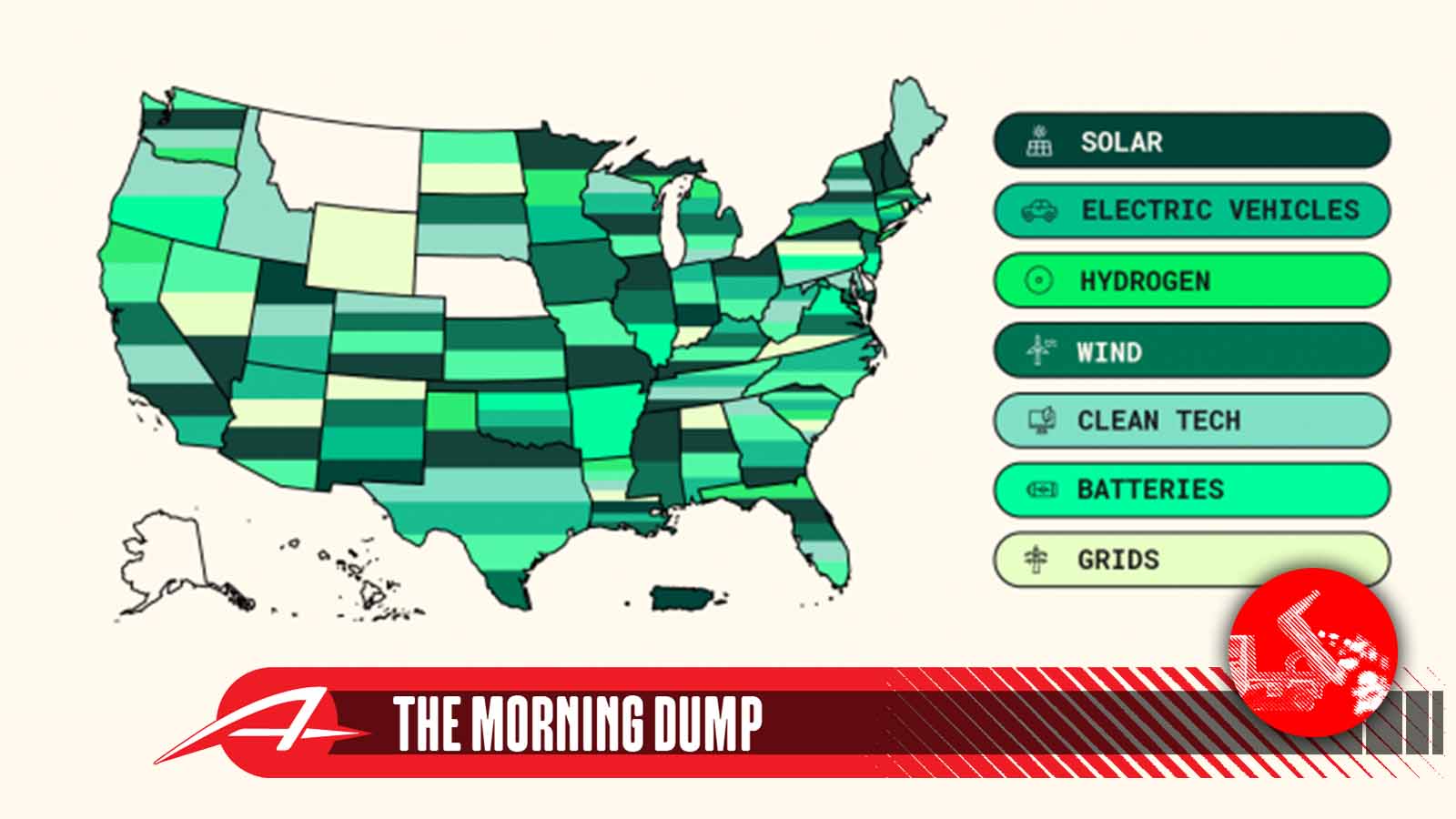
The massive investments in electric vehicles (EVs) from the EV-spending bill in key swing states like Arizona, Georgia, Nevada, and Michigan could potentially influence the outcome of the 2024 Presidential election. Democrats are focusing on job creation as a key strategy, which resonates in these states with significant EV-related investments. Despite some Republican skepticism towards EVs, the promise of jobs and economic growth has led even staunch opponents to support EV-related projects in their communities. Additionally, Stellantis CEO Carlos Tavares expressed concerns that political and public opinion shifts could impact the company's EV production plans. Meanwhile, Ford is offering discounts on its Mustang Mach-E, and lithium-ion battery prices are falling, making EVs more affordable.
The auto industry has invested over $100 billion in electric vehicles (EVs), creating thousands of jobs, but a second Donald Trump presidency could hinder their progress. Despite Trump's claims that EVs are too expensive and lack range, consumer demand for EVs is increasing due to falling costs and government investments. However, EV adoption remains slow, and automakers are relying on incentives from the Biden administration to boost demand. Without these incentives, automakers' plans could be jeopardized. Legacy automakers are pivoting to EVs to meet consumer demand, environmental regulations, and compete with Tesla. Trump's opposition to EVs could undermine US automakers' investments and give foreign manufacturers an advantage.