An intense heat dome and high humidity in the eastern U.S. are causing dangerous wet-bulb temperatures, nearing levels that threaten human survival, with climate change likely to make such conditions more common and severe in the future.

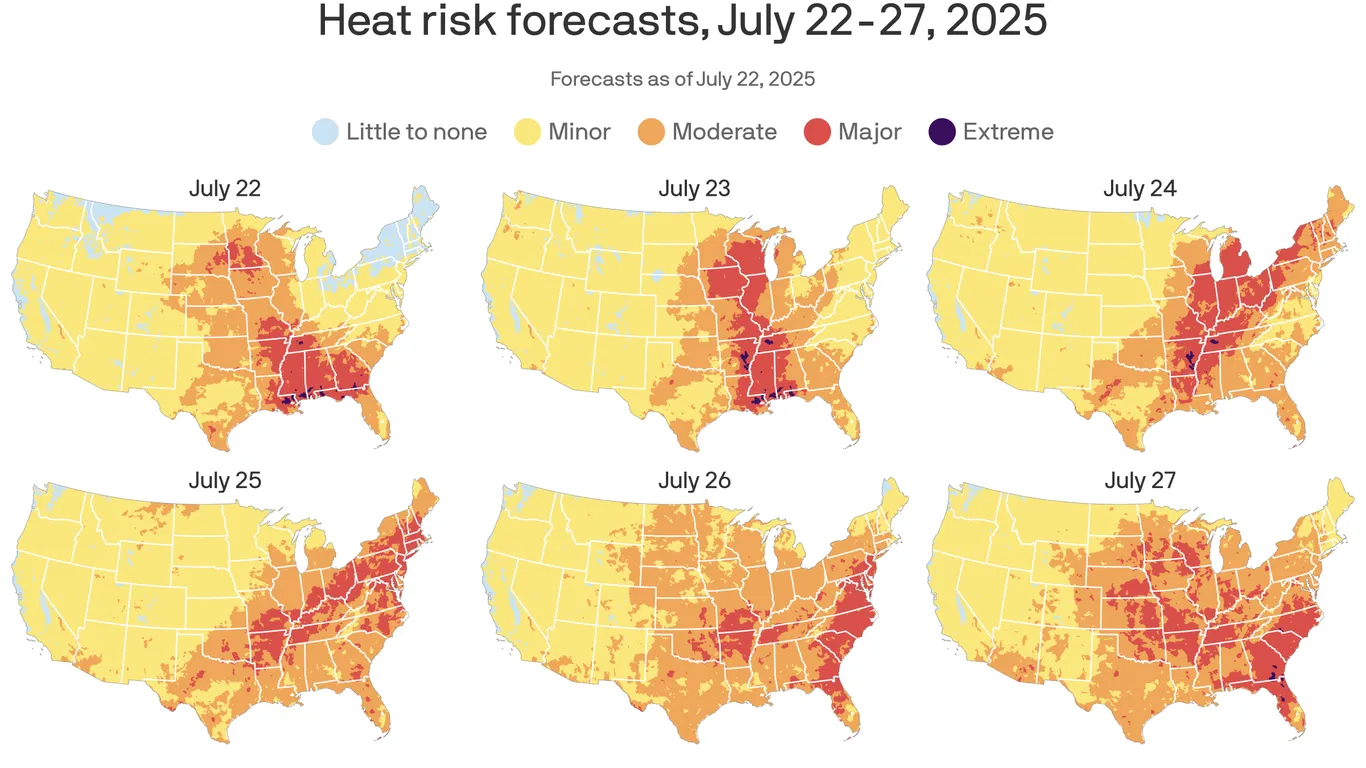
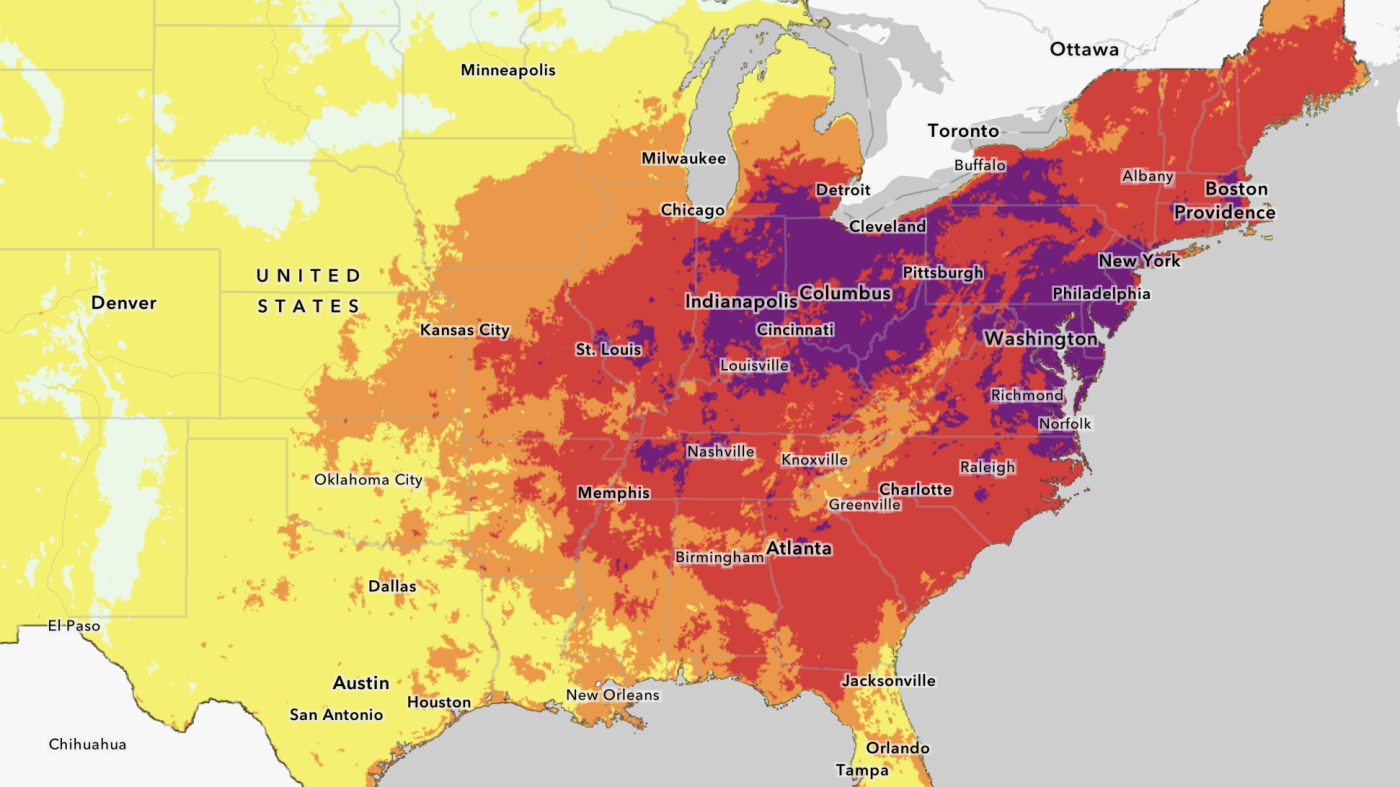
Nearly half of the U.S. population is under heat alerts due to a heat dome causing extreme temperatures across many major cities, including Orlando, New Orleans, and St. Louis, with others under lower-tier advisories.
A severe heat dome is causing dangerous heat conditions for over 100 million people across the US, with high temperatures, humidity, and risk of heat-related illnesses, especially in the southeast and Tennessee Valley, while thunderstorms and wildfires also pose additional hazards.
A heat dome combined with the 'corn sweat' phenomenon is causing a dangerous heat wave across much of the eastern U.S., with high humidity and temperatures over 105°F in some areas, exacerbated by climate change, posing serious health risks and emphasizing the need for safety precautions.
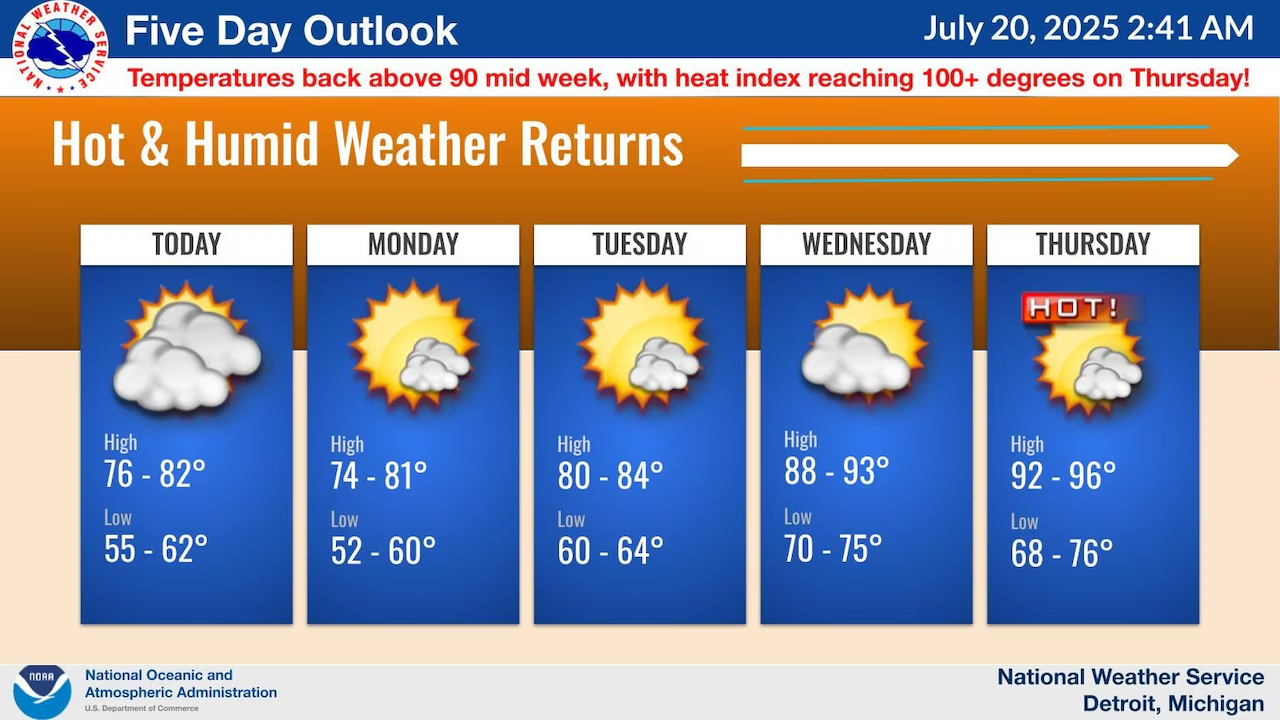
A heat dome is expected to bring a significant heat wave to Michigan midweek, with temperatures rising into the 90s and potentially reaching 100 degrees by Thursday, accompanied by increased humidity and heat index values, with some relief possible by Friday due to thunderstorms.
Europe is experiencing an unprecedented heat wave with record temperatures in Spain, Portugal, Germany, and France, driven by a persistent heat dome. The UN Secretary-General warns that extreme heat has become the new normal, as authorities issue red alerts and deal with heat-related emergencies, including wildfires and health risks. The heat is also affecting events like Wimbledon, with the hottest opening day on record.
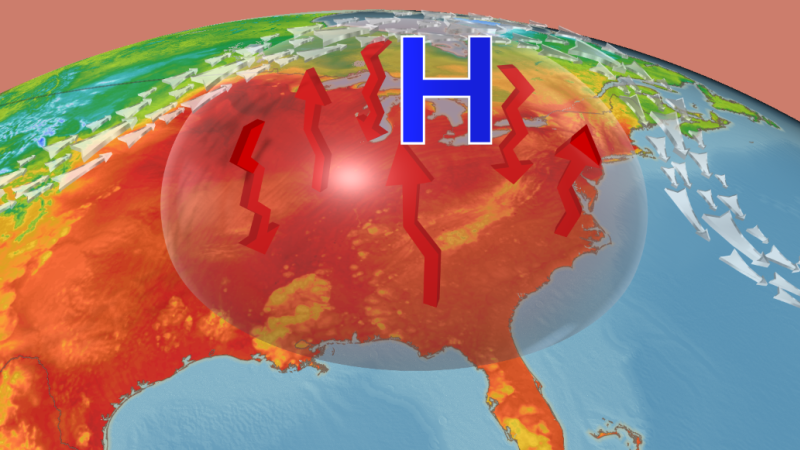
A heat dome, caused by a high-pressure system trapping warm air, is causing extreme temperatures across the eastern U.S., with warnings for health risks and record-breaking heat linked to climate change. The phenomenon acts like a lid on a pot, leading to prolonged heat and dry conditions, and is influenced by jet stream patterns. Similar events have occurred across the U.S. in recent years, with increasing severity due to global warming.
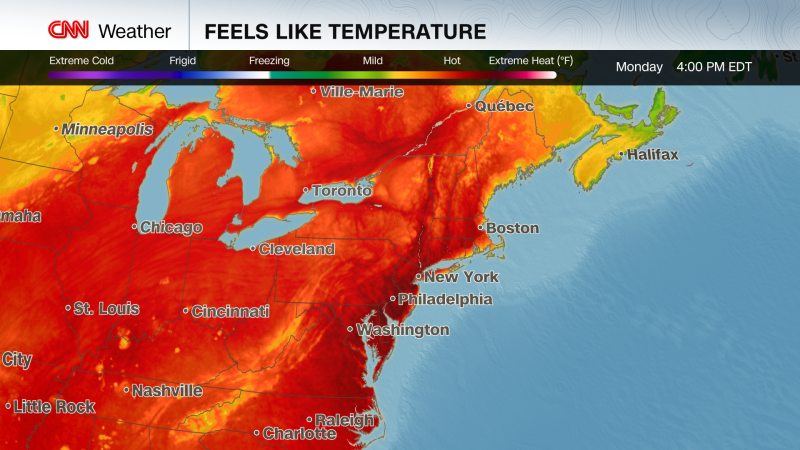
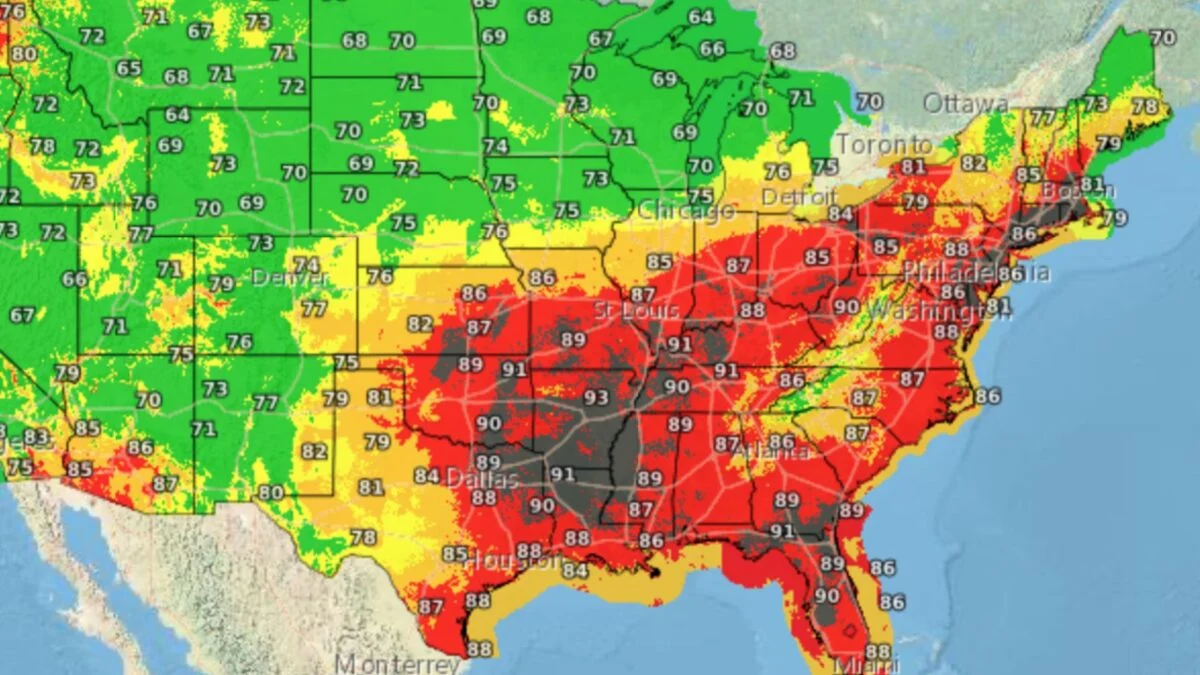
A dangerous heat dome has caused a major heat wave across the Midwest to Northeast, breaking numerous temperature records, causing road buckling, travel disruptions, and health emergencies, with over 228 million people experiencing temperatures above 90°F and many cities approaching or exceeding 100°F.
A historic heat dome is causing an early and intense heat wave across the Eastern U.S., with record-breaking temperatures and high humidity, posing health risks and highlighting the impact of climate change.
Experts warn that Americans taking Ozempic and similar weight-loss drugs may face increased risks of dehydration and heat stroke during the current heat dome, as these medications can suppress thirst and reduce water intake, especially in high temperatures, leading to serious health risks without proper hydration and precautions.
A dangerous heat dome is causing record-breaking temperatures across the eastern US, with over 150 million people under heat alerts, risking health and infrastructure impacts, and indicating a potentially hotter summer due to climate change.
A rare June heat wave caused by a heat dome is affecting the eastern half of the U.S., with dangerous temperatures and heat advisories across the Midwest and East Coast, leading to health warnings, cancellations of outdoor activities, and record-breaking heat indices.
Experts warn that rising temperatures and high UV levels across the US this summer increase the risk of deadly heat stroke, sunburns, and skin cancer, especially in areas with UV indices of 11 or higher, due to climate change and ozone depletion.
A dangerous heat dome is building over the eastern US, bringing record-breaking temperatures into the 90s and potentially as hot as 110°F with high humidity, affecting millions and increasing health risks, especially during the upcoming week.
Millions across the central and eastern US are experiencing their first major heat dome of the summer, with temperatures soaring above 100°F and little relief expected until next weekend, raising health concerns and highlighting the increasing frequency of extreme heat events linked to climate change.