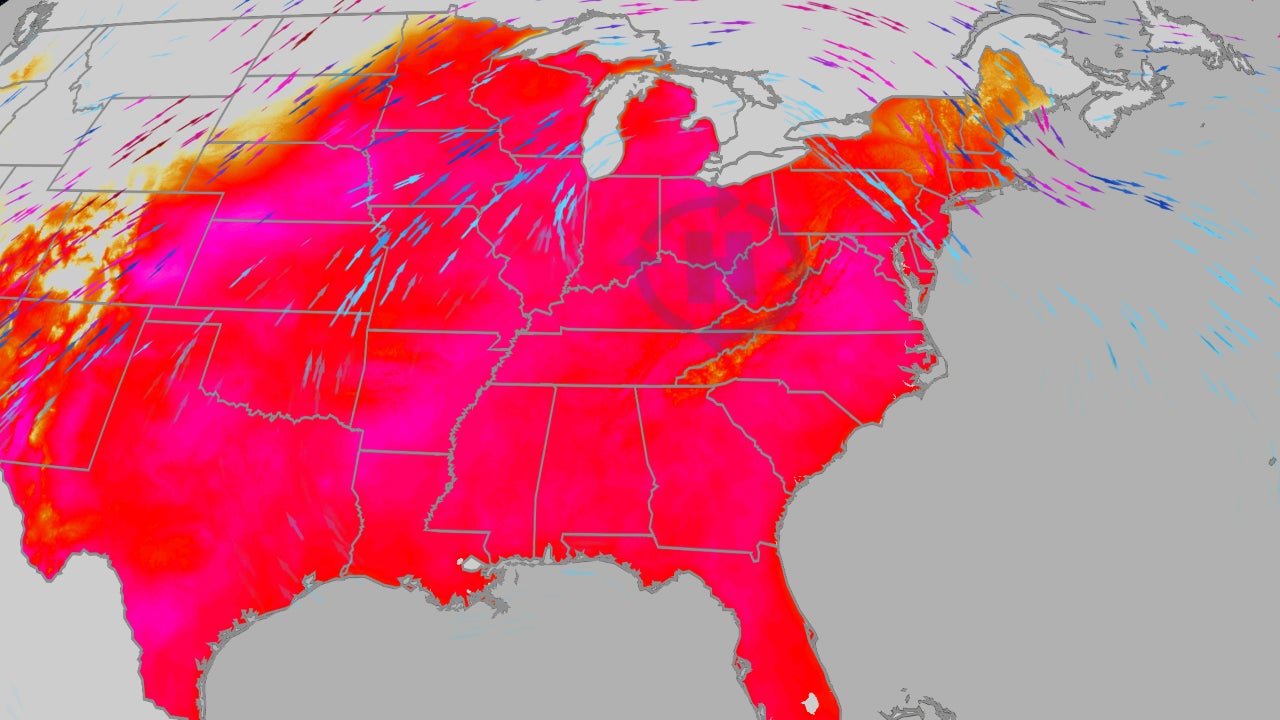
A severe heat wave is affecting over 100 million people across the US, with record-breaking temperatures and heat indices expected from the Midwest to the Northeast, prompting health warnings and safety tips.
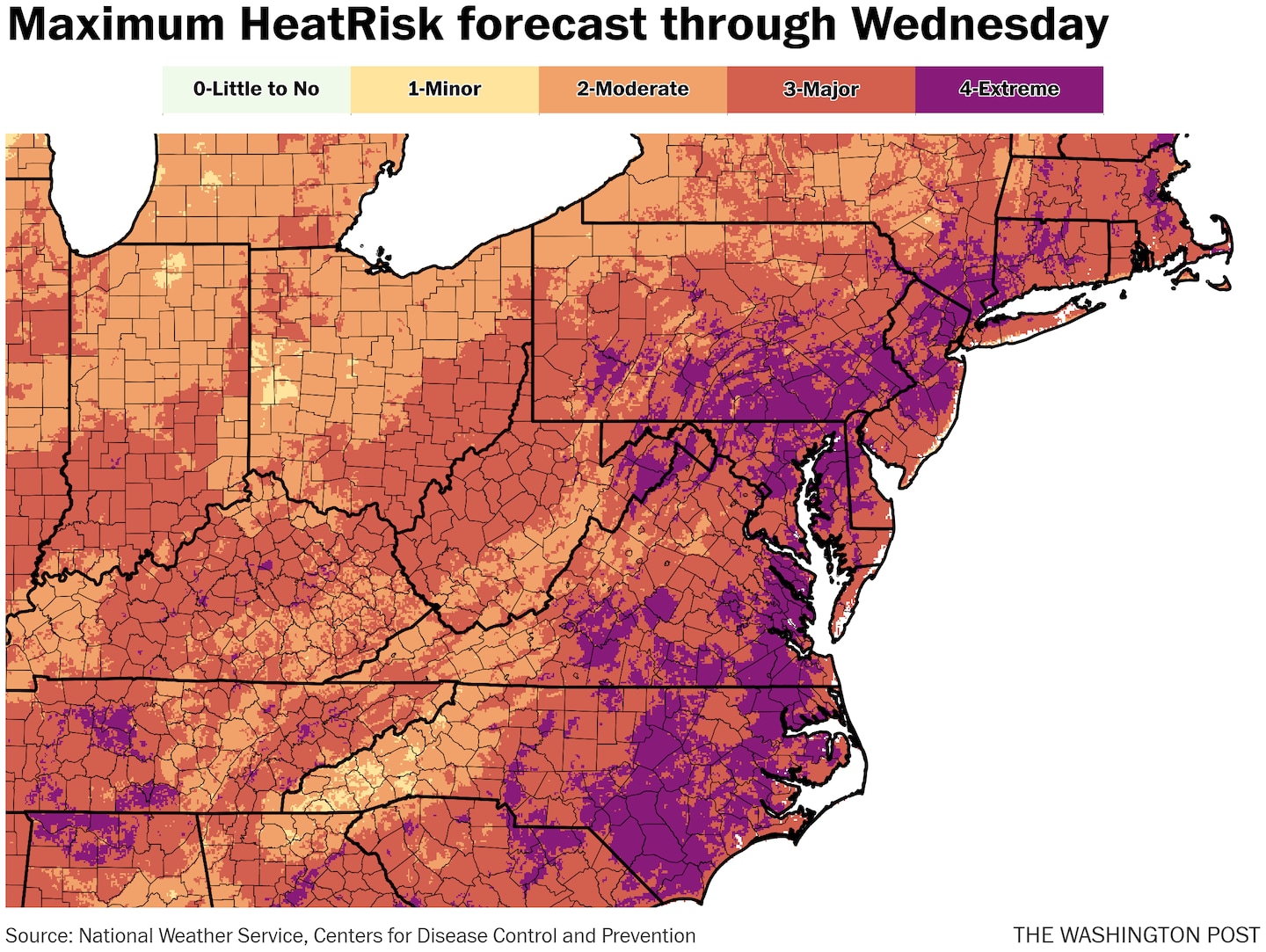
A severe heat wave is impacting the central and eastern U.S., with record-breaking temperatures expected in the Midwest and Northeast, including potential highs near or above 100°F in major cities like New York and Philadelphia, accompanied by high humidity and prolonged overnight heat, posing health risks especially for vulnerable populations.
A brutal heatwave has shifted to the East Coast, placing about 100 million people under heat alerts from Florida to Maine. Cities like Washington, Baltimore, and Philadelphia are under excessive-heat warnings with temperatures expected to reach near 100 degrees and heat indexes up to 110. The National Weather Service warns of "extremely dangerous and potentially deadly heat," with relief not expected until a cold front arrives midweek.
The National Weather Service has issued heat alerts for about one-third of Americans as extreme heat continues to impact a large portion of the US. More than 115 million Americans across 16 states are under heat alerts, with temperatures reaching dangerous triple digits. Daily temperature records are being broken in several cities, and the scorching heat is expected to continue for the coming days. Relief may come as a cold front sweeps through the South, but temperatures are still expected to remain high in other parts of the country.
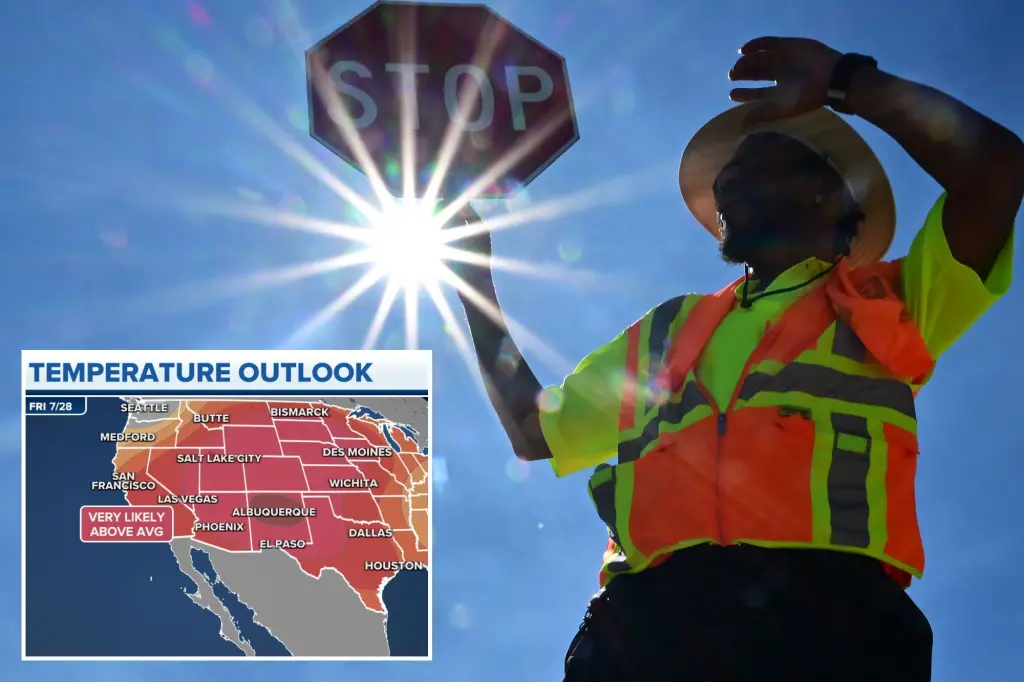
About 70 million people in the US are under heat alerts as record-breaking temperatures continue to scorch the South, with dangerously hot conditions expected to expand from the desert Southwest into Texas and along the Gulf Coast. Cities like Phoenix, New Orleans, Miami, Houston, and El Paso will experience temperatures 5 to 15 degrees Fahrenheit above average, with highs reaching into the 90s and 100s. Relief from the heat is forecasted in parts of the Southwest and Southeast, but extreme heat is expected to persist in New Mexico, Texas, and Louisiana. Meanwhile, the Northeast is at risk of severe storms, with damaging winds, heavy rain, and potential tornadoes forecasted for the region.
Sweltering heat has left 70 million people in the US under heat alerts, with record-setting temperatures reaching as high as 115 degrees in the southern plains and Southeast. Heat advisories and excessive heat warnings are widespread across more than 10 states, while the Southwest is experiencing some relief. The recent heat wave has resulted in deaths, hospitalizations, and impacts on wildlife. Scientists attribute the extreme temperatures to human-induced climate change. The US Centers for Disease Control and Prevention advises taking precautions to prevent heat-related illnesses.
Over 170 million Americans are under heat alerts as a heatwave expands across the US, affecting parts of the Great Plains, Midwest, and Northeast. The largest electric grid operator in the US issued an emergency alert due to increased electricity demands. Several cities, including Phoenix and El Paso, have experienced record-breaking temperatures, and oppressive heat is expected in New York City, Washington DC, and the Twin Cities area. The heatwave has resulted in a significant number of heat-associated deaths, with Phoenix reporting 25 confirmed deaths and 249 more under investigation. New York City has issued an excessive heat warning and warned of severe thunderstorms.
The United States is bracing for the hottest week of the summer, with over 250 million Americans experiencing above-average temperatures. The heat, which has already claimed lives and prompted heat alerts for millions, is expected to spread from the South and West to the East Coast. While records may not be broken, temperatures in the 90s will be felt across the Southwest, southern Plains, Midwest, Southeast, mid-Atlantic, and Northeast. It is crucial for people to take precautions to stay safe during this heatwave, as heat-related deaths have already occurred.
Nearly 40 million Americans are expected to experience triple-digit temperatures on Sunday as a dangerous and record-breaking heatwave continues to grip the Southwest. Over 50 million Americans are currently under heat alerts, with nearly 10 million of them facing temperatures of 110 degrees or higher. Heat advisories have been in effect for 19 consecutive days in some parts of South and Southwest Florida. Relief is expected by Sunday as a cold front approaches the northern Gulf Coast, but temperatures will remain hot and closer to average next week. People are advised to take the heat seriously and avoid prolonged outdoor exposure due to the health risks posed by the extreme temperatures.
More than 85 million people in the Southwest are under heat alerts as a weeks-long heat wave intensifies, with dangerously high temperatures expected to continue throughout the weekend. The Western United States will experience temperatures 10-20 degrees above normal, with some areas reaching record-breaking temperatures. Wildfires have also been reported in Southern California. Heat advisories are in place in Texas and Alabama, while sultry conditions persist in the south-central US and South Florida. Concerns about power outages and health risks have arisen, as heat-related illnesses can be fatal. Scientists warn that 2023 could be the Earth's hottest year on record.
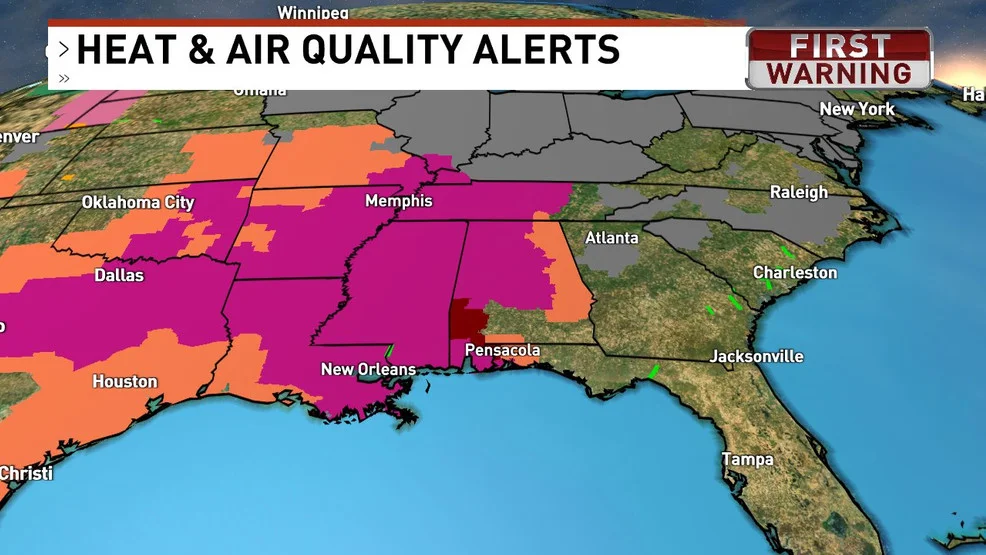
The Gulf Coast is experiencing excessive heat, with heat alerts in effect across the South. Smoke from Canadian wildfires is affecting air quality in some areas.
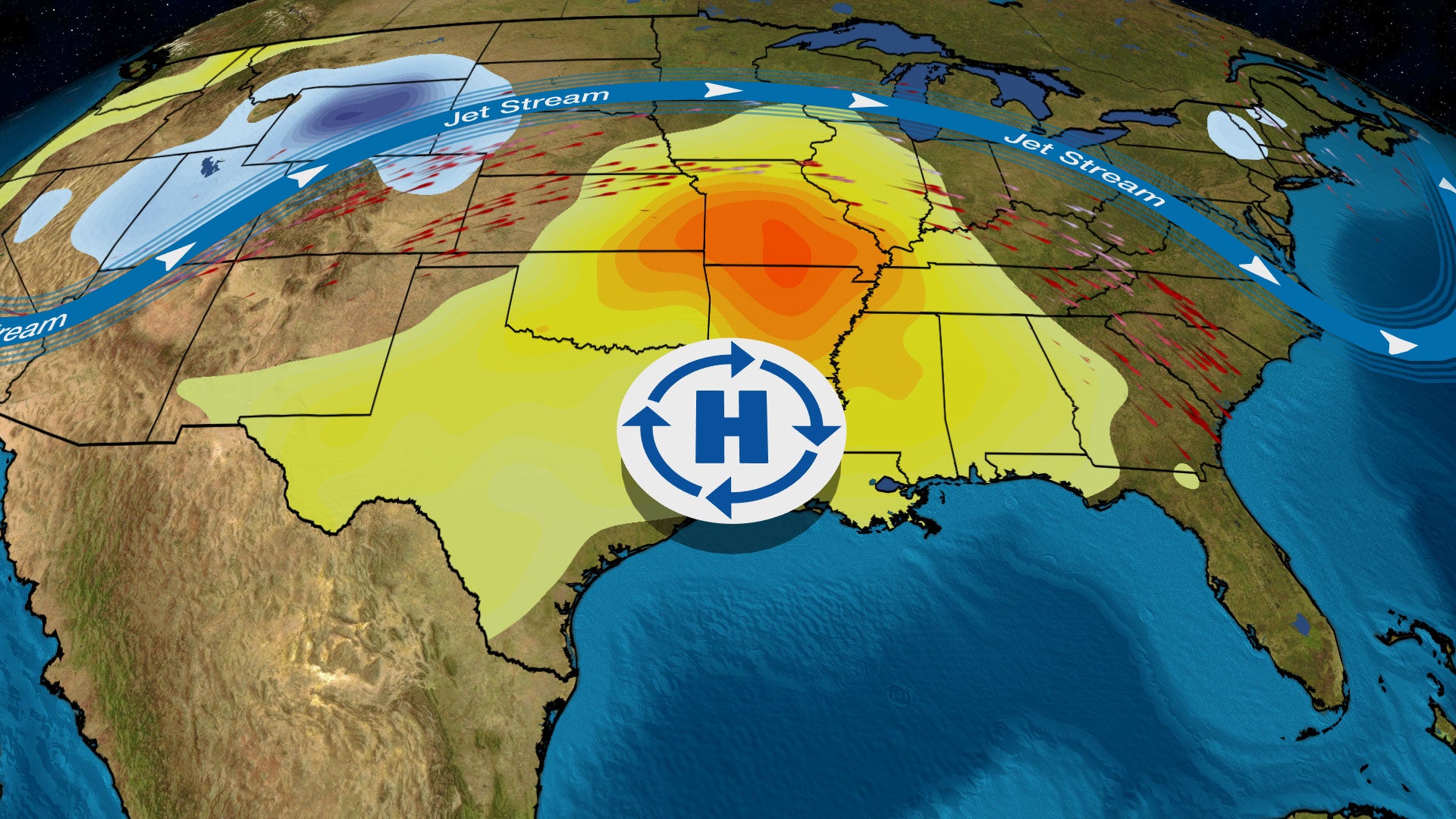
A heat wave has been persisting across Texas for over a week, and is expected to expand across much of the South and parts of the Midwest this week, with hotter than average temperatures lasting into the beginning of July. Excessive heat watches, warnings, and advisories have been issued by the National Weather Service, and daily record highs may be broken in several states. The extreme heat is caused by a dome of high pressure aloft that has shifted northward into the Southern Plains. Climate change has made record heat in this Mexico-Texas heat wave at least five times more likely.
Google plans to introduce new alerts in search for extreme heat events, providing information on when a heatwave is forecast to start and end in an area, local news on the event, and recommended actions to stay safe. The feature is expected to be available in the US and parts of Europe in the second half of the year. The plan builds on the company's previous attempts to help people stay informed about wildfires and floods in their area. Google also announced updates on other work it's doing to equip local governments and nonprofit organizations with tools to cope with extreme weather.