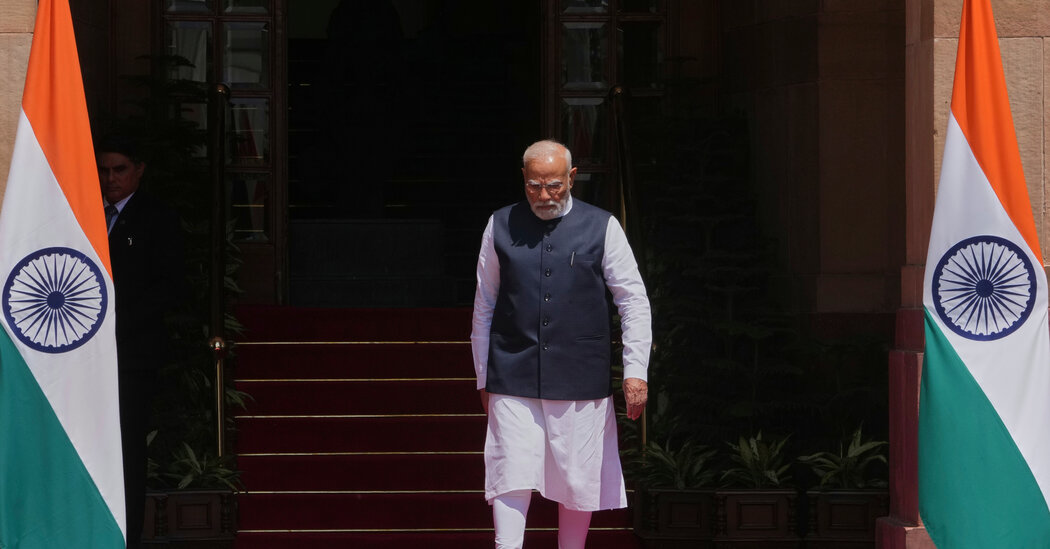
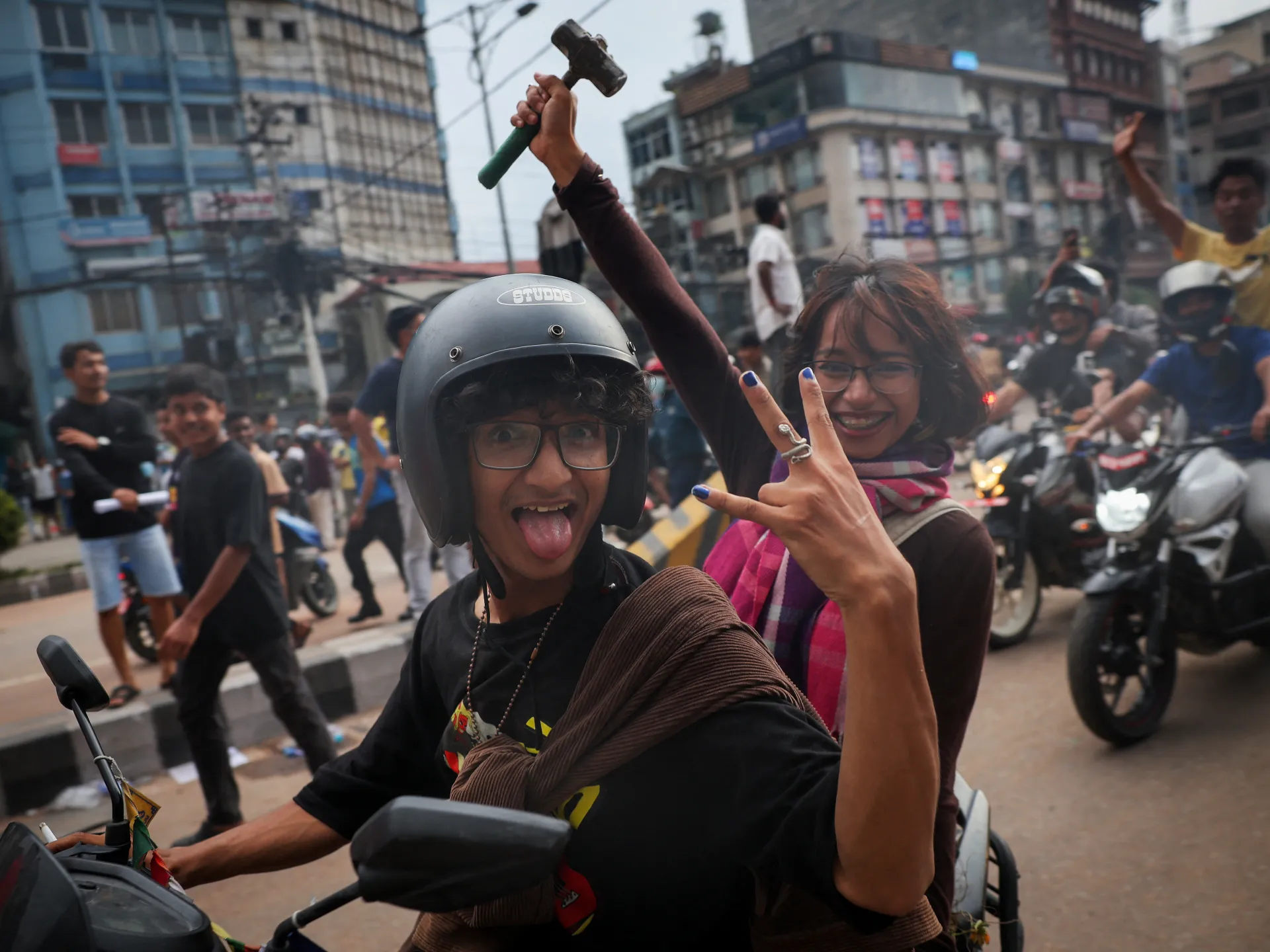
The recent overthrow of Nepal's government amid widespread protests highlights regional instability in South Asia, challenging India's diplomatic efforts and its influence in the region, as neighboring countries experience political upheaval and shifting alliances that also embolden China.
Youth-led protests across Nepal, Sri Lanka, and Bangladesh reflect a new wave of political instability driven by frustration over corruption, inequality, and disillusionment with traditional political elites, with digital platforms playing a key role in organizing and inspiring these movements, raising questions about the potential for further regional upheavals.
Internet disruptions in the Middle East and South Asia are occurring due to undersea cable cuts in the Red Sea, affecting Microsoft’s Azure services and causing increased latency and slow internet speeds in countries like Saudi Arabia, Pakistan, the UAE, and India. The cuts, possibly linked to attacks or damage, have raised concerns about the vulnerability of undersea cables, which are crucial for global connectivity. Microsoft is working to resolve the issues, and the situation highlights ongoing geopolitical tensions and security concerns in the region.
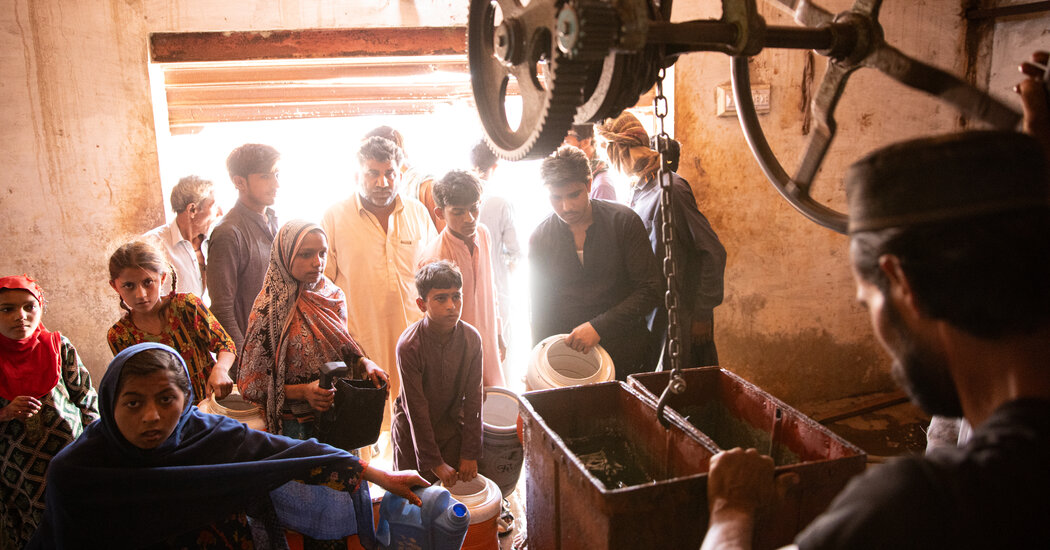
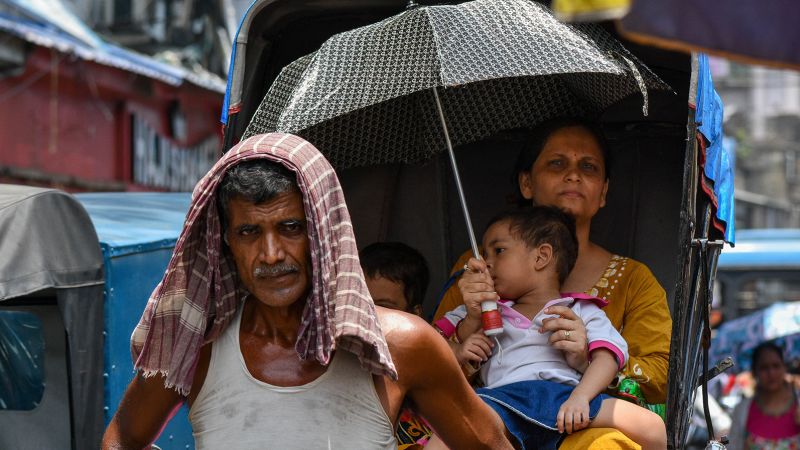
A severe heat wave in South Asia, with temperatures reaching up to 127 degrees Fahrenheit, is forcing laborers in Pakistan and India to make life-or-death decisions. Many, like Abideen Khan and his son, must stop working early to avoid the extreme heat, cutting their daily earnings in half. The heat has already claimed lives and caused numerous heatstroke cases, with the situation expected to persist for days or weeks.
Cybersecurity researchers have uncovered a renewed cyber espionage campaign targeting South Asian iPhone users with the LightSpy iOS spyware implant, featuring extensive spying capabilities and modular framework. The spyware, attributed to the Chinese nation-state group APT41, is distributed through compromised news sites and can harvest sensitive information, steal files, and hijack control of infected devices. The implant's source code suggests state-sponsored activity, and Apple has sent out threat notifications to users in 92 countries, including India. This escalation in mobile espionage threats poses a severe risk to targeted individuals and organizations in Southern Asia.
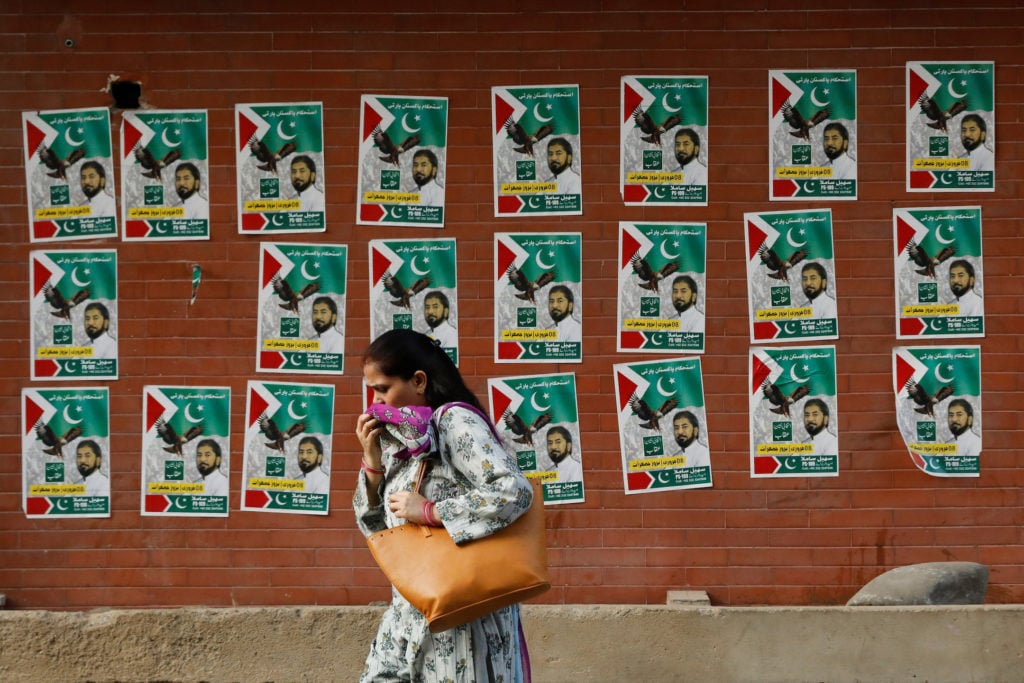
More than 1 billion people in South Asia will be voting in upcoming elections in Bangladesh, Bhutan, Sri Lanka, India, and Pakistan, testing democratic values and human rights in the region. The elections will determine new leaders and serve as a crucial test for democracy in South Asia.
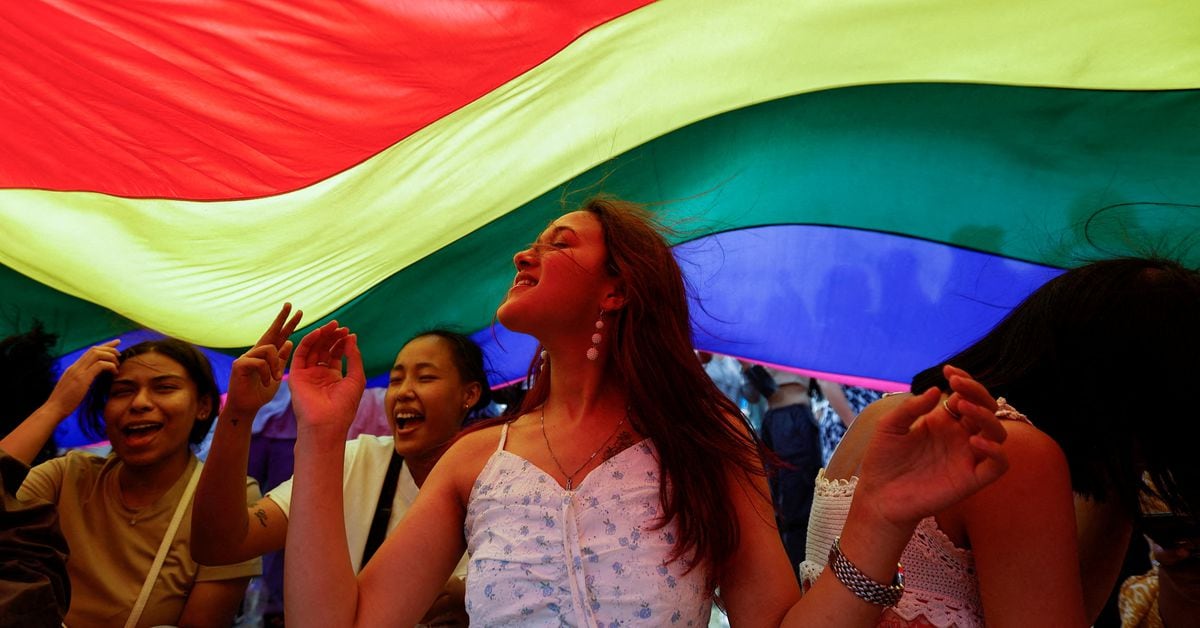
An LGBTQ+ couple in Nepal, Maya Gurung and Surendra Pandey, have become the first in South Asia to have their marriage legally recognized. After facing legal and social difficulties, their marriage was registered under a new order issued by the supreme court. Nepal has been a regional leader in LGBTQ+ rights, being the first South Asian country to pass laws against discrimination based on sexual orientation and recognizing transgender individuals as a "third gender." However, same-sex couples in Nepal still face challenges of social acceptance, discrimination, and violence.
Nepal has registered its first same-sex marriage, marking a historic moment for LGBTQ+ rights in the country. The marriage between a transgender woman and a cisgender man was formally registered in a village in the Lumjung district. The Supreme Court had issued an interim order earlier this year allowing same-sex couples to register their marriages. Activists have hailed this development as a victory for sexual and gender minorities, as it paves the way for equal rights and recognition of their marriages. Nepal joins Taiwan as the only Asian countries to legalize same-sex marriage.
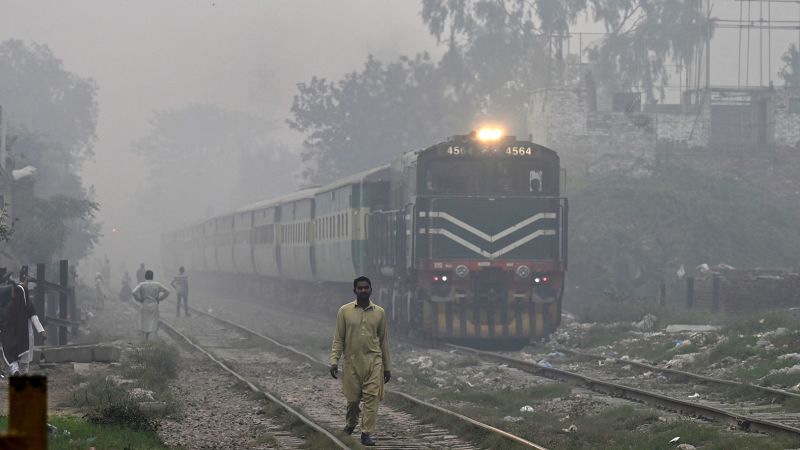
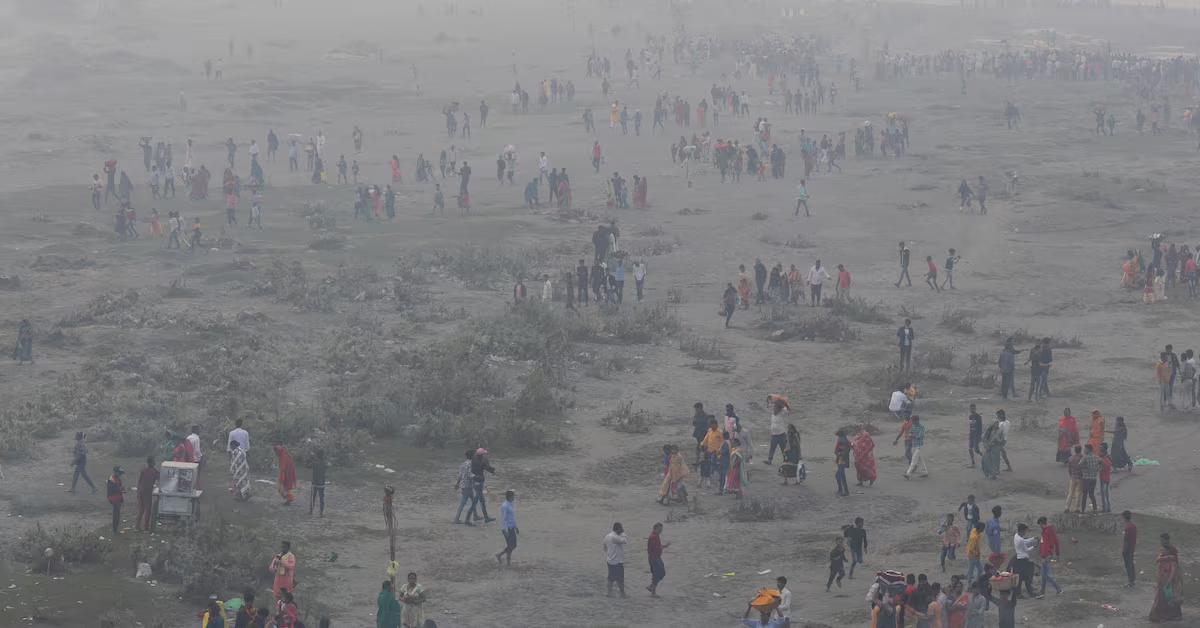
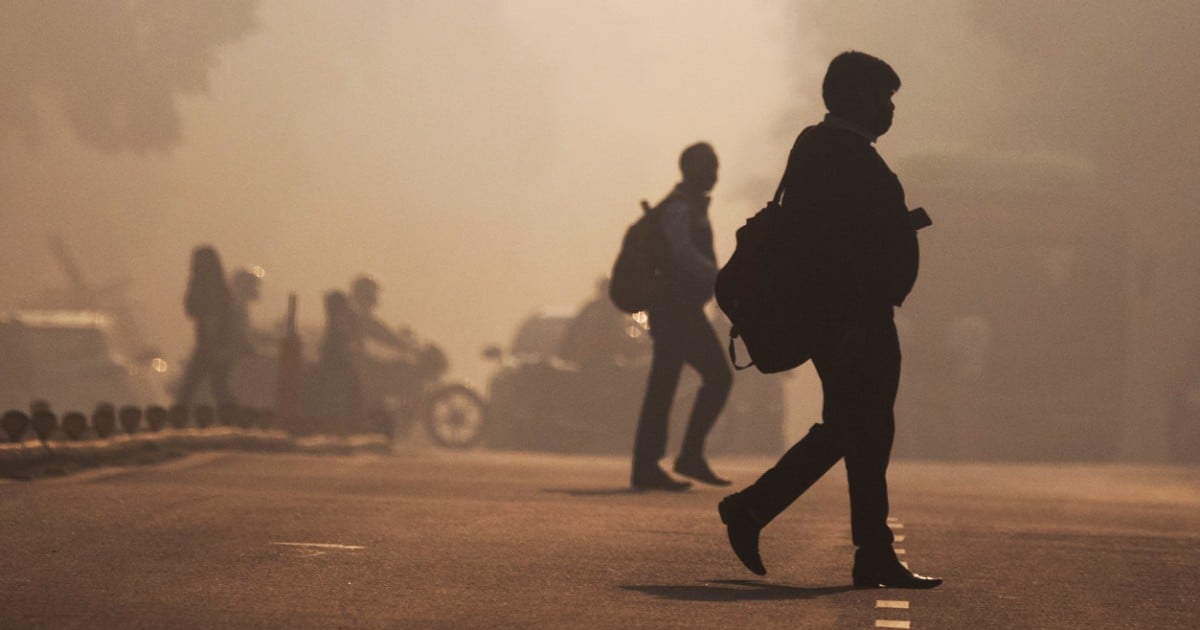
Lahore, Pakistan's second most populous city, has shut down schools, public parks, malls, and offices as pollution levels reach hazardous levels, with an air quality index (AQI) exceeding 400. The Punjab province has declared an environmental and health emergency in three cities, including Lahore, affecting over 15 million people. This comes after New Delhi, India, experienced severe smog due to crop burning and industrial pollution. Other major Indian cities, including Kolkata and Mumbai, also ranked among the world's most polluted cities. Dhaka, the capital of Bangladesh, also faces high pollution levels. The PM2.5 levels in these cities far exceed WHO limits, posing significant health risks. Efforts to address the issue, such as restricting transport and construction, have had limited long-term impact.
Rising air pollution in South Asia, one of the world's most polluted regions, can reduce life expectancy by over five years per person, according to a report by the University of Chicago's Energy Policy Institute. The region, including Bangladesh, India, Nepal, and Pakistan, accounts for more than half of the global life years lost to pollution. Rapid industrialization and population growth have contributed to declining air quality, with particulate pollution levels now over 50% higher than at the start of the century. Meeting World Health Organization guidelines for reducing airborne particles could increase average life expectancy by 2.3 years globally. China's efforts to reduce pollution highlight the need for accessible air quality data to combat pollution.
UNICEF warns that nearly half a billion children in South Asia are exposed to extreme high temperatures, with 83 or more days in a year exceeding 35 degrees Celsius. This makes South Asia the hardest-hit region for children under 18. The analysis showed that 76% of children in South Asia were exposed to extreme high temperatures compared to 32% globally. The risks for children include heat strokes, poor mental development, neurological dysfunction, seizures, cardiovascular diseases, and preterm births. Experts predict that the climate crisis will lead to more frequent and longer heat waves, putting further strain on the region's ability to adapt. Additionally, extreme weather events like flooding have already had deadly impacts in the region, with children, adolescents, and women being among the most affected.
Rooh Afza, a popular summer beverage in South Asia, has been enjoyed for over a century. Originally created as a medicinal preparation to beat the heat, the red syrup made from a secret recipe of herbs and fruit juices is diluted with water or milk and known for its cool and refreshing taste. It is a staple during the Muslim holy month of Ramadan and is often used in desserts. Hamdard Laboratories, the company behind Rooh Afza, continues to thrive with its star product, selling millions of bottles each year and donating a significant portion of its profits to charity. New variants and recipes incorporating Rooh Afza have been introduced to appeal to younger customers.
As air pollution in the US worsens, residents in heavily polluted cities in South Asia and Southeast Asia offer advice on how to cope. Strategies include staying indoors, using air purifiers and masks, and practicing breathing exercises and yoga. Making earth-conscious choices, such as using public transport and air-purifying plants, is also recommended. The Asia-Pacific region accounts for 70% of the world's air pollution-related deaths, with most of the world's most polluted cities located in India and Pakistan.
Child marriages are declining but at a rate that would not eliminate the practice for another 300 years, as a series of crises, including climate change, threatens to reverse the trend, the United Nations Children’s Fund (UNICEF) has said in a report. UNICEF also fears that the convergence of the COVID-19 pandemic, global conflicts and the growing effects of climate change could reverse the hard-won gains. The coronavirus alone could be responsible for an additional 10 million underage marriages between 2020 and 2030, the report said.
The US NATO envoy, Julianne Smith, has said that the NATO alliance is open to more engagement with India if the country is interested, but there are no plans to expand this to a broader global military alliance. Smith also highlighted India's role in the Russia-Ukraine war and appreciated India's humanitarian assistance to Ukraine. She further mentioned that NATO has started to mention the Asia-Pacific and the Indo-Pacific in some of its strategic documents and is bringing its friends from the Indo-Pacific to NATO HQ into ministerial to learn from their experiences and challenges to security.