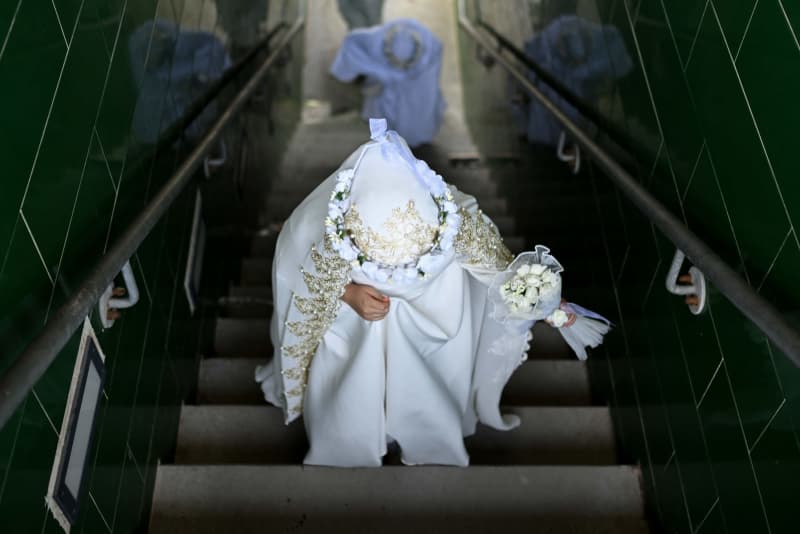
Iraq has legalized child marriage under the Ja'fari law, leading to a surge in bridal markets and black market sales of young girls, with human rights organizations warning of exploitation and abuse, including underage girls being sold and married without consent.
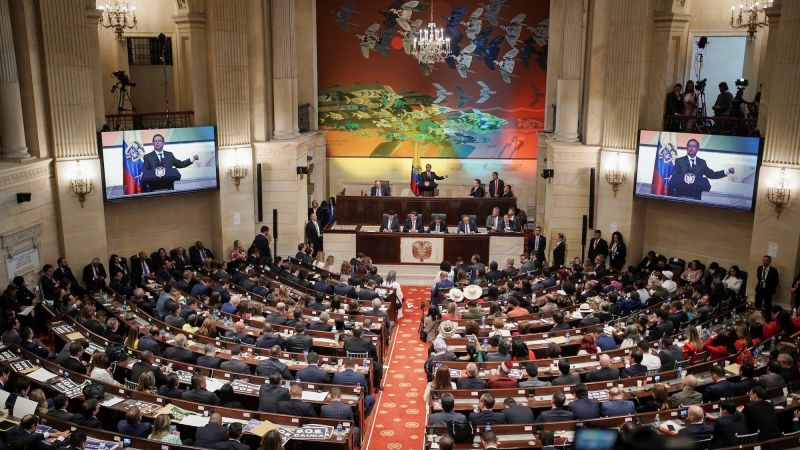
Colombia's congress has voted to raise the minimum marriage age to 18, eliminating the current law that allows minors as young as 14 to marry with parental consent. This legislative change, which awaits President Gustavo Petro's approval, aims to protect minors from forced marriages and ensure their rights and development opportunities. The initiative, under the slogan "they're girls, not wives," addresses the global issue of child marriage, which affects 12 million girls annually, though rates have been declining according to UNICEF.
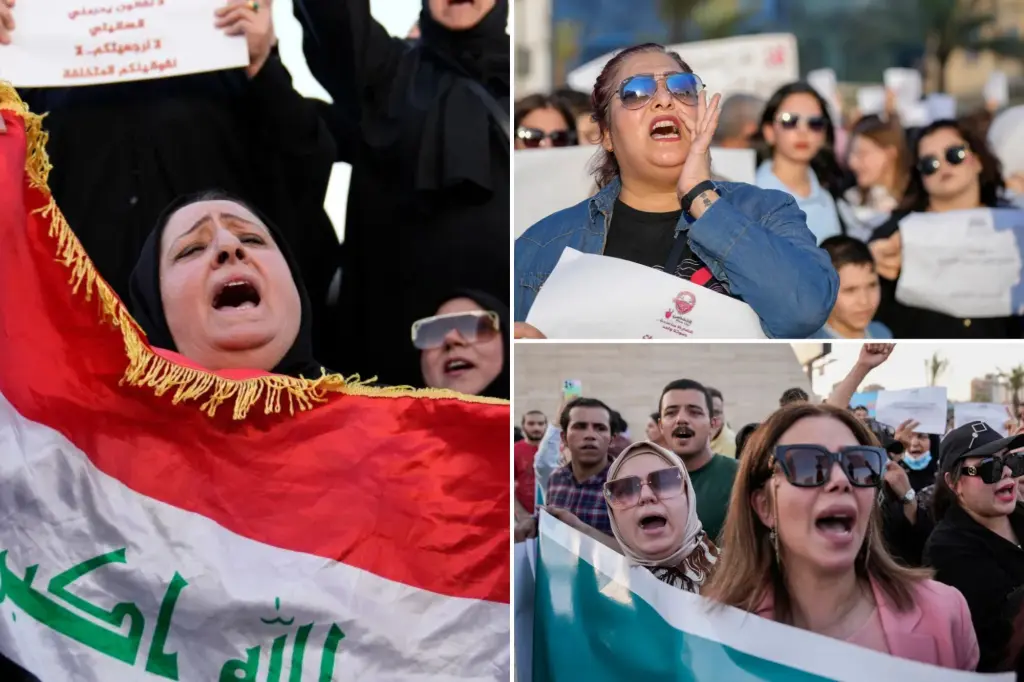
A proposed law in Iraq, backed by Shia groups, seeks to lower the age of consent for girls from 18 to 9, effectively legalizing child marriage and sparking widespread protests. The law, which allows religious authorities to conduct marriages, has faced strong opposition from women's rights activists and some female MPs, who argue it would severely undermine women's rights and legalize child rape. Despite protests and efforts to block the law, male-dominated political support has pushed it closer to approval, raising concerns about the future of women's rights in Iraq.
Iraq's parliament, dominated by Shia conservative groups, is considering a controversial amendment to lower the legal age of consent to nine, allowing men to marry young girls. This proposed change to the personal status law has sparked protests and criticism from women's rights activists, who argue it would legalize child rape and strip women of rights to divorce, child custody, and inheritance. Despite previous failed attempts to pass similar laws, the current Shia majority in parliament poses a significant challenge to opponents of the bill.
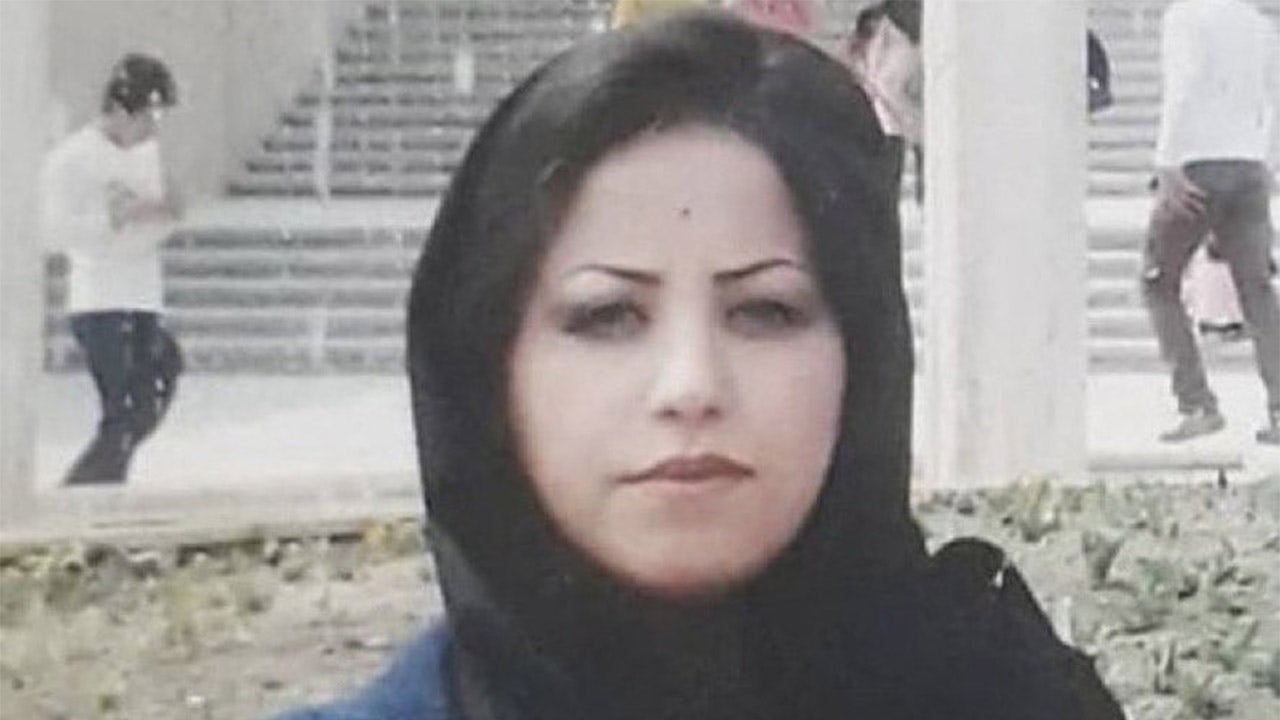
Samira Sabzian, an Iranian woman who had been convicted of murdering her husband, whom she had married as a child, was executed in Iran. Sabzian, who had spent the last decade in prison, was hanged at dawn in Ghezel Hesar prison. She had entered into marriage at the age of 15 and had suffered from domestic violence.
Samira Sabzian, a child bride who was married off at the age of 15, was executed in Iran for murdering her abusive husband. She had been a victim of domestic violence and was sentenced to death in 2013. Amnesty International and the UN High Commissioner on Human Rights expressed shock and alarm over her execution, highlighting the oppressive treatment of women in Iran. The UN has raised concerns about the high rate of executions in the country, with at least 419 people put to death in the first seven months of the year.
Samira Sabzian, an Iranian woman who was forced into marriage as a child and imprisoned for murdering her husband, was executed despite international calls for leniency. She had been in prison for a decade and was a victim of domestic violence. Iran Human Rights reported that Iran is one of the world's leading executioners of women, with nearly 200 executed since 2010. Human rights groups are urging Iran to establish a moratorium on all executions and abolish the death penalty.
Iran has executed Samira Sabzian, a woman convicted of murdering her husband, whom she married as a child, despite international appeals for clemency. Sabzian, who had been in prison for a decade, was hanged in Ghezel Hesar prison. She was a victim of domestic violence and had married her husband at the age of 15. Concerns have been raised over the increasing number of executions in Iran this year, with hundreds of people hanged mainly on drugs and murder charges. Amnesty International and the UN High Commissioner on Human Rights have condemned the execution and called for a moratorium on all executions in Iran.
Iran has executed Samira Sabzian, a woman convicted of murdering her husband, whom she married as a child, despite international calls for clemency. Sabzian, who had been in prison for a decade, was hanged in Ghezel Hesar prison. Concerns have been raised over the increasing number of executions in Iran this year, with hundreds of people hanged mainly on drugs and murder charges, including more than a dozen women. Sabzian's execution has drawn condemnation from human rights groups, who highlight her status as a "child bride" and victim of domestic violence. The UN High Commissioner on Human Rights has called on Iran to establish a moratorium on all executions.
Iran has executed Samira Sabzian, a woman convicted of murdering her husband, whom she married as a child. Sabzian had been in prison for the past decade and was hanged at Ghezel Hesar prison in Karaj. She was a victim of domestic violence and had two children whom she had not seen since her arrest. Human rights groups have criticized Iran for a surge in executions, with at least 115 people put to death in November alone. Amnesty International and the British government had called on Iran to spare Sabzian's life.
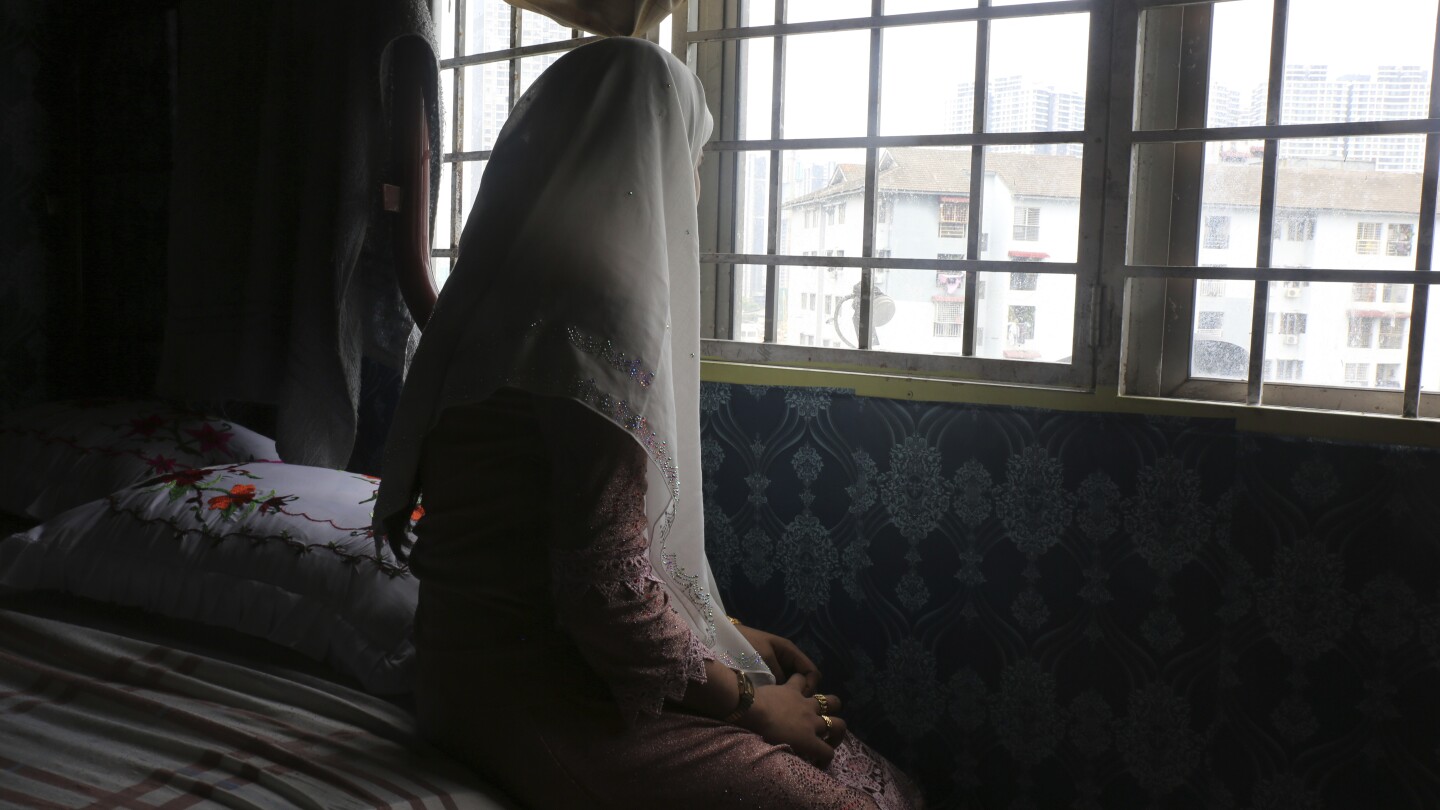
Scores of underage Rohingya girls are being forced into abusive marriages in Malaysia, driven by deteriorating conditions in Myanmar and neighboring Bangladesh's refugee camps. The girls, as young as 13, are often held hostage by controlling husbands who rarely let them outside. Many of them were beaten and raped by traffickers and other men during their journey to Malaysia, and some are now being abused by their husbands. The girls face limited options due to global apathy towards the Rohingya crisis and strict migration policies. They are considered illegal immigrants in Malaysia, which is not a signatory to the UN's refugee convention.
Amal Clooney, Michelle Obama, and Melinda Gates have joined forces in Malawi to reaffirm their commitment to ending child marriage. Through the Clooney Foundation For Justice, they are funding the Women Lawyers Association of Malawi to provide free legal advice and aid clinics in remote areas. Despite progress, the UN warns that child marriage will persist for another 300 years. Amal also met with the president of Malawi, Lazarus Chakwera, who pledged to end child marriage in the country by 2030. The CFJ's work extends to other countries, investigating war crimes and supporting relief efforts during the pandemic.
The Michigan Senate has voted to ban child marriage after a 10-bill package was approved. The package would remove a provision that allows someone who is 16 or 17 years old to enter into a marriage contract as long as they have the written consent of one of their parents. The minimum age of consent for sexual contact in Michigan is 16. Republican state Sen. Jim Runestad criticized the proposal and alleged he was being censored by Democratic leadership. The Michigan House approved a similar package on Wednesday.
The Michigan legislature has passed bills that would ban child marriage in the state. If passed, no one under the age of 18 would be able to get married. Under current Michigan law, children under the age of 16 can get married with written consent from a parent or guardian and permission from a judge, and 16- and 17-year-olds can get married with written consent of a parent or legal guardian. The bills had wide support in the House and Senate, and now await final approval before heading to the governor's desk.
The Michigan House has passed a 10-bill package that sets the legal age of marriage at no younger than 18, eliminating an exemption that allowed individuals between the ages of 16 and 18 to marry with parental consent. The bills will move next to the state Senate, which is expected to take up their own versions of the legislation Thursday. Michigan is one of about 42 states where child marriage is legal, and had roughly 5,000 children married between 2000 and 2021. The legislation does not apply retroactively to existing marriages in which individuals were under the age of 18 at the time.