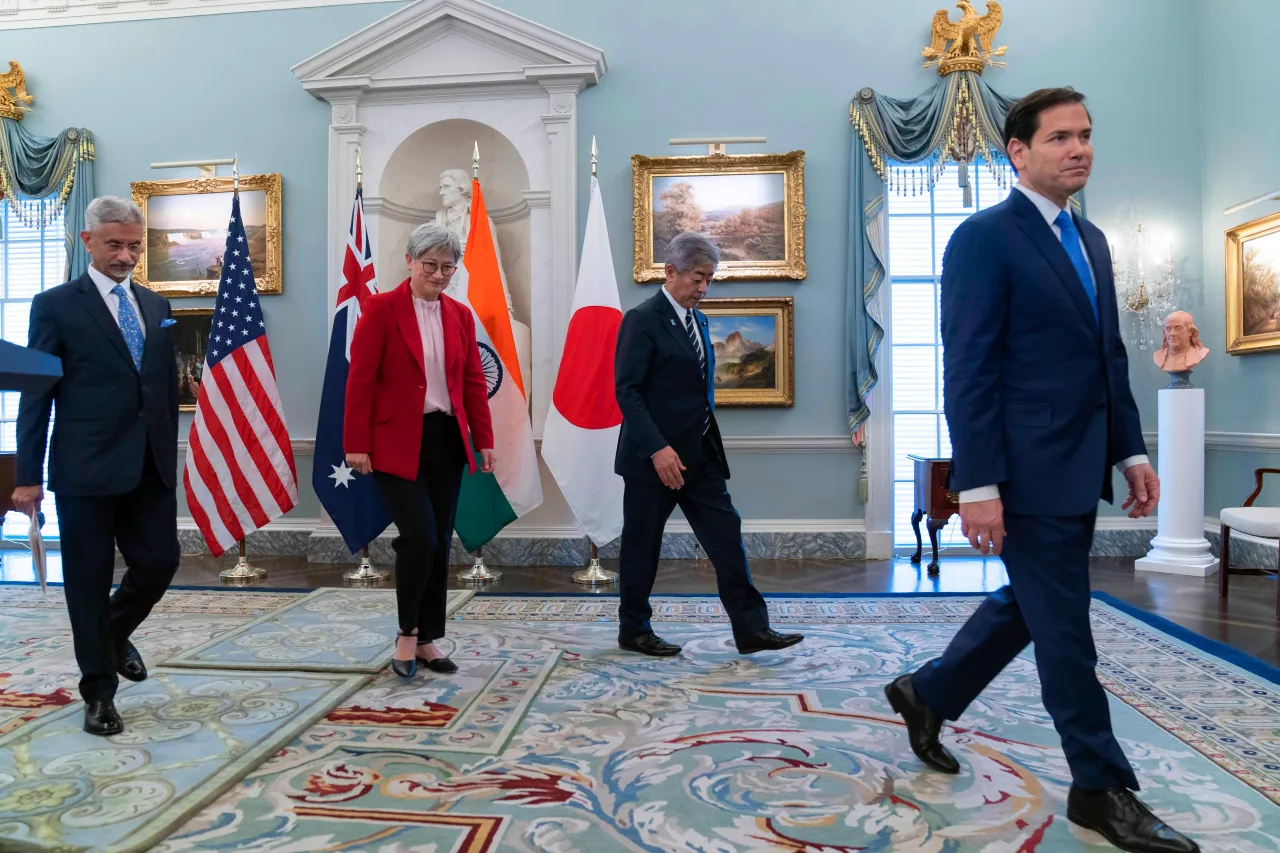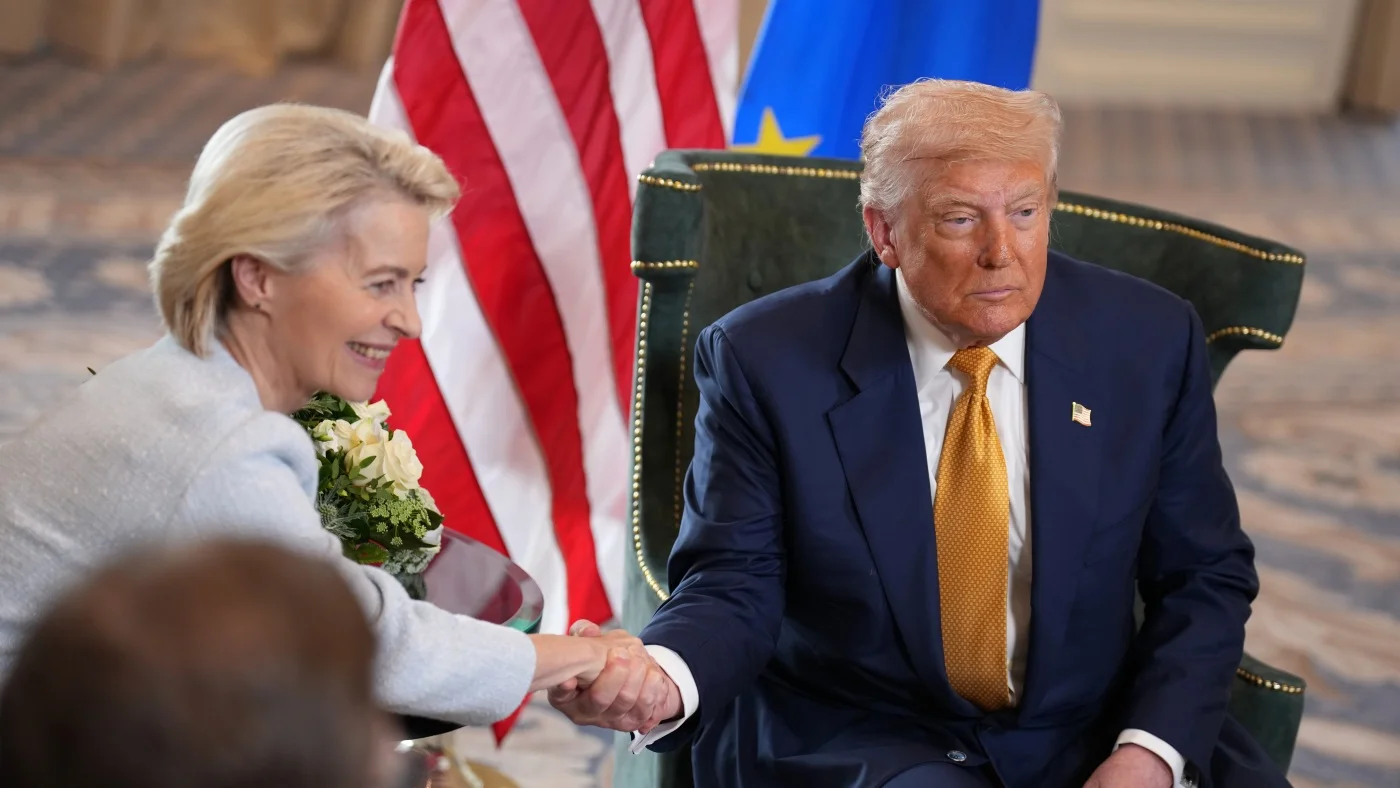
The Quad alliance, originally formed to counter China's influence in the Indo-Pacific, is now weakening due to US policy shifts under Trump and Biden, including strained relations with India and Japan, and a focus on short-term economic gains over strategic unity, risking its effectiveness against China's expanding power.
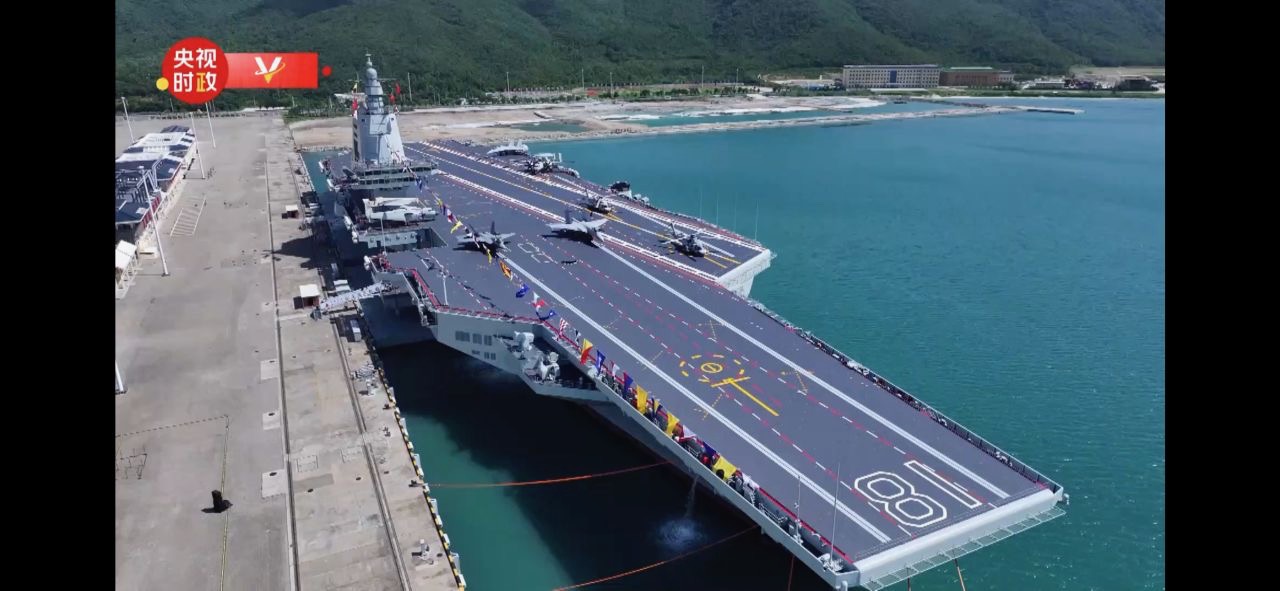
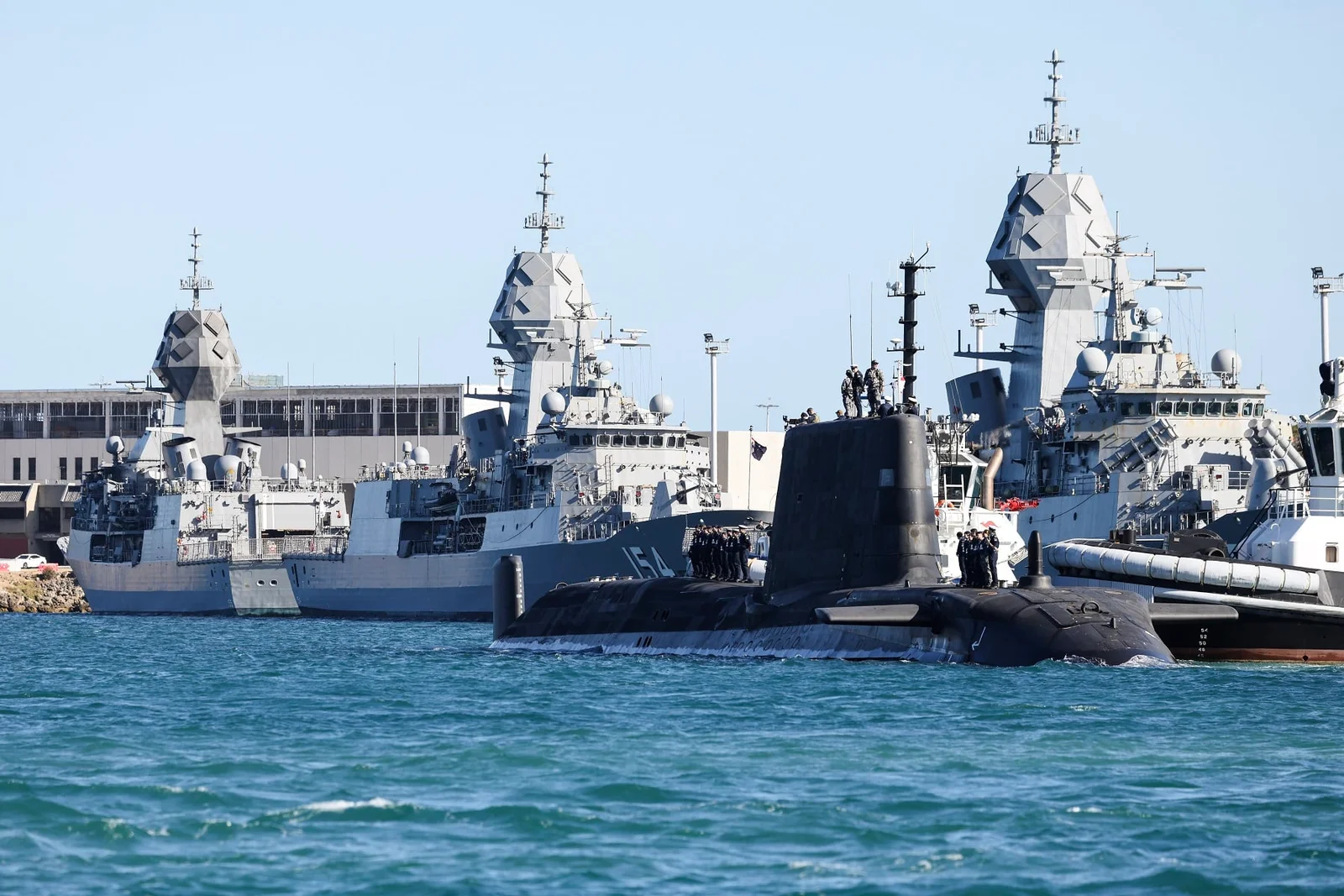
China has commissioned its third and largest aircraft carrier, Fujian, equipped with electromagnetic catapults, marking a significant step in its naval expansion and modernization, amidst regional tensions and a broader Indo-Pacific naval buildup.
The US defense chief emphasized strong support for Indo-Pacific interests during talks with China and India, including a new defense framework with India and discussions on regional security concerns, amidst ongoing tensions over Taiwan and South China Sea issues.
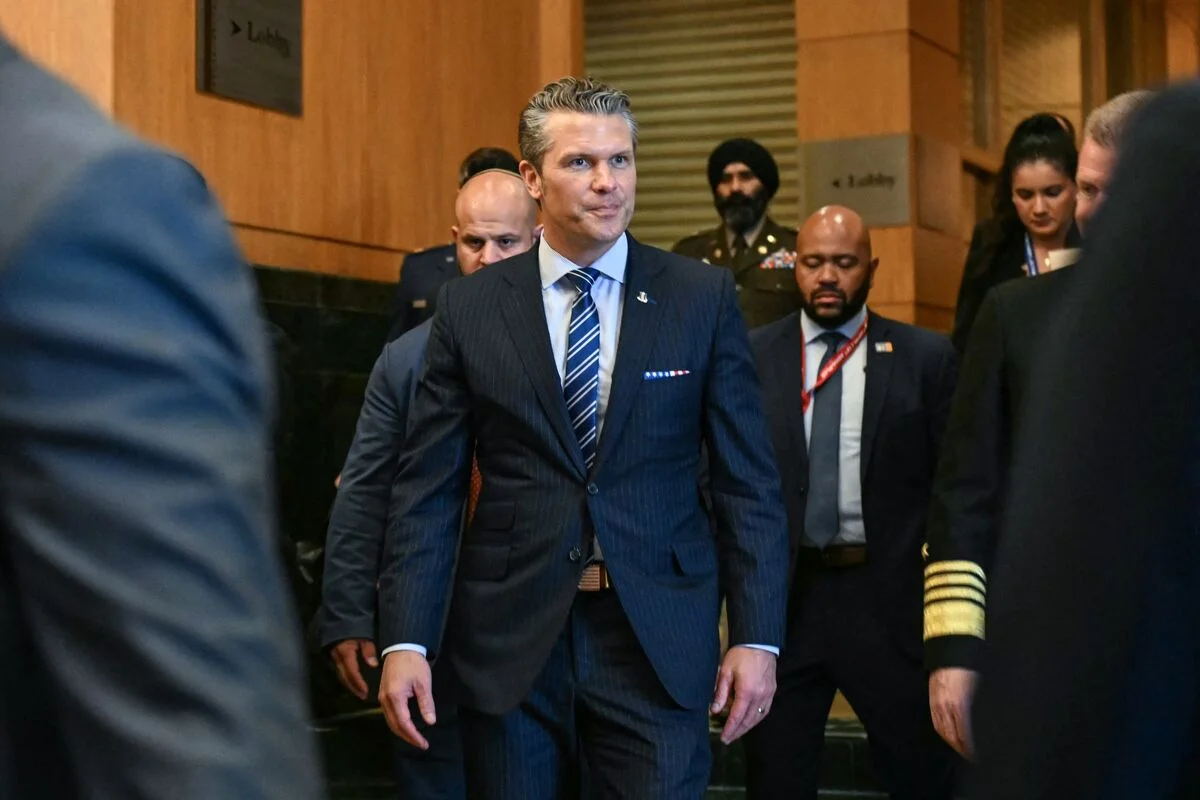
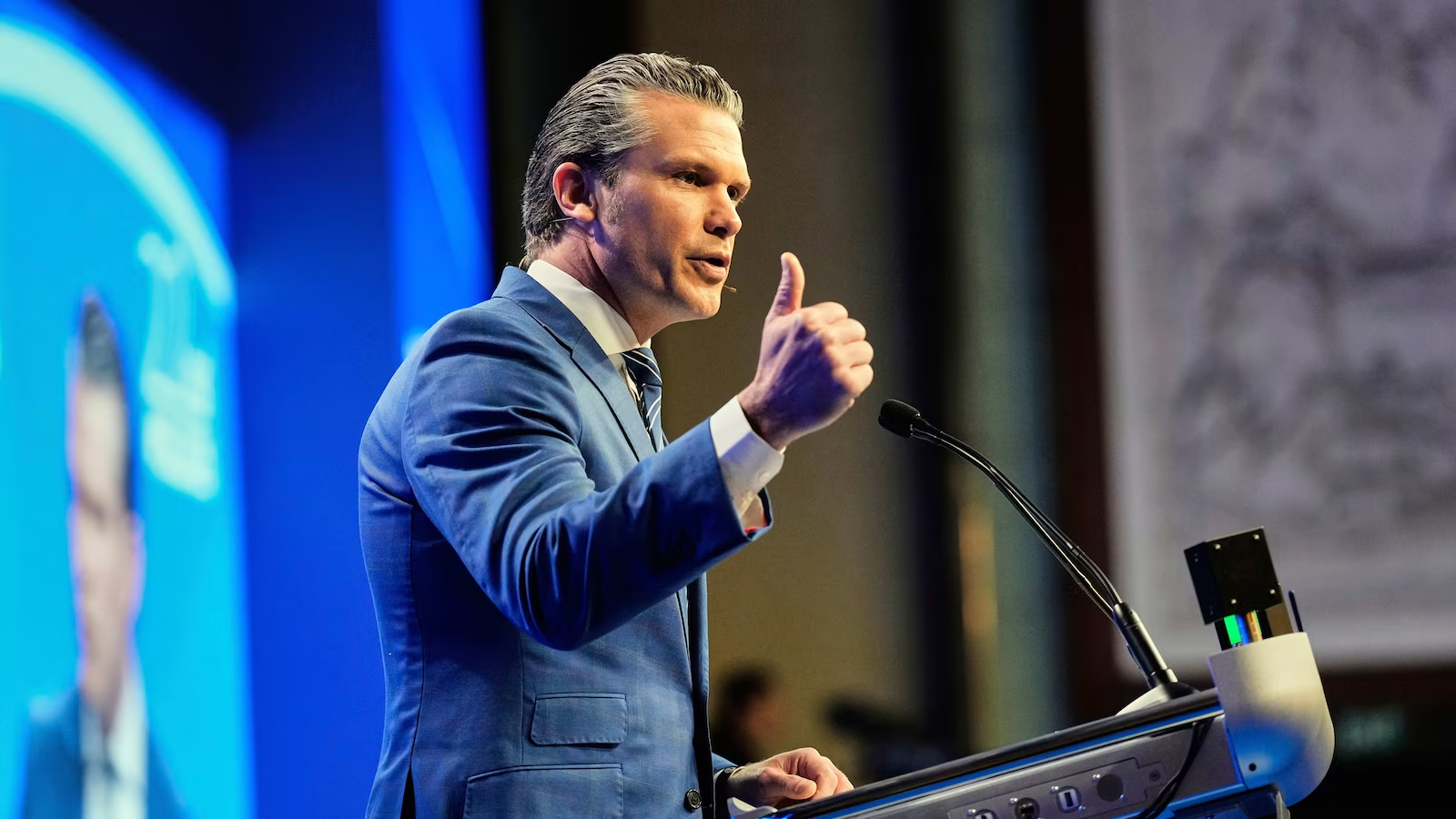
US Defense Secretary Pete Hegseth met with Chinese Defense Minister Dong Jun to discuss regional security concerns, particularly China's naval activities around Taiwan and the South China Sea, amid ongoing US efforts to bolster regional defense and stability following a recent US-China trade truce and high-level diplomatic engagements.
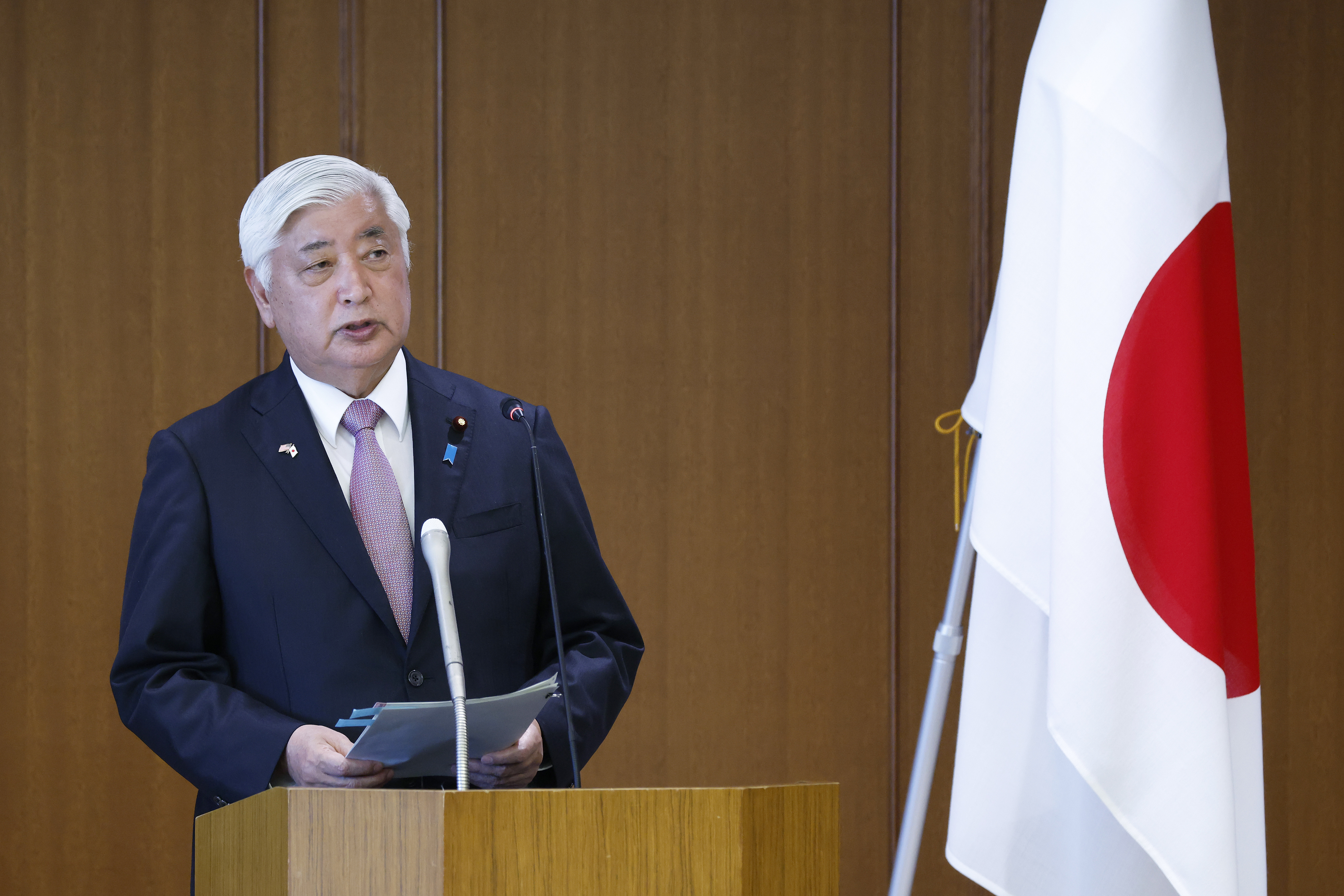
Japanese politician Takaichi is carefully balancing her approach to Trump, aiming to engage him on shared Indo-Pacific security goals while avoiding contentious issues like trade and defense, amidst strengthening US-Japan relations and economic cooperation.
Amid doubts about U.S. leadership, European and Indo-Pacific allies are increasingly cooperating on trade, security, and technology to adapt to a more uncertain global order, emphasizing the need for stronger regional coalitions without relying solely on U.S. dominance.
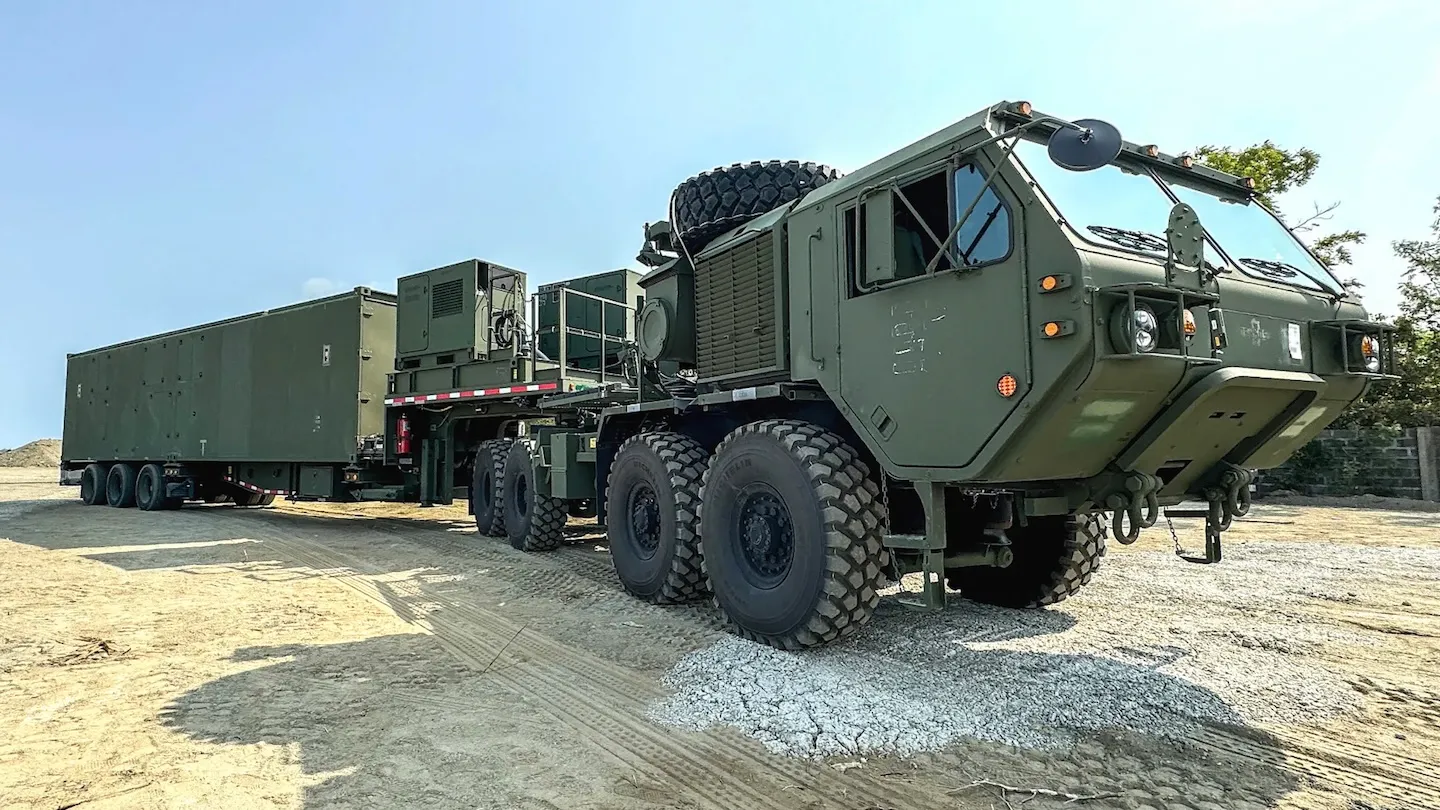
The U.S. Army has deployed the Typhon missile system to Japan for the first time during the Resolute Dragon exercise, signaling a strategic move to enhance military capabilities in the Indo-Pacific region and counter China, with the system capable of launching Tomahawk cruise missiles and SM-6 missiles for land and sea targets.
Japan warns of escalating Chinese military activities in the Indo-Pacific, including increased Chinese warship presence, aircraft carrier operations, and close encounters, prompting Japan to bolster its defenses on southwestern islands amid concerns over Taiwan and regional stability.
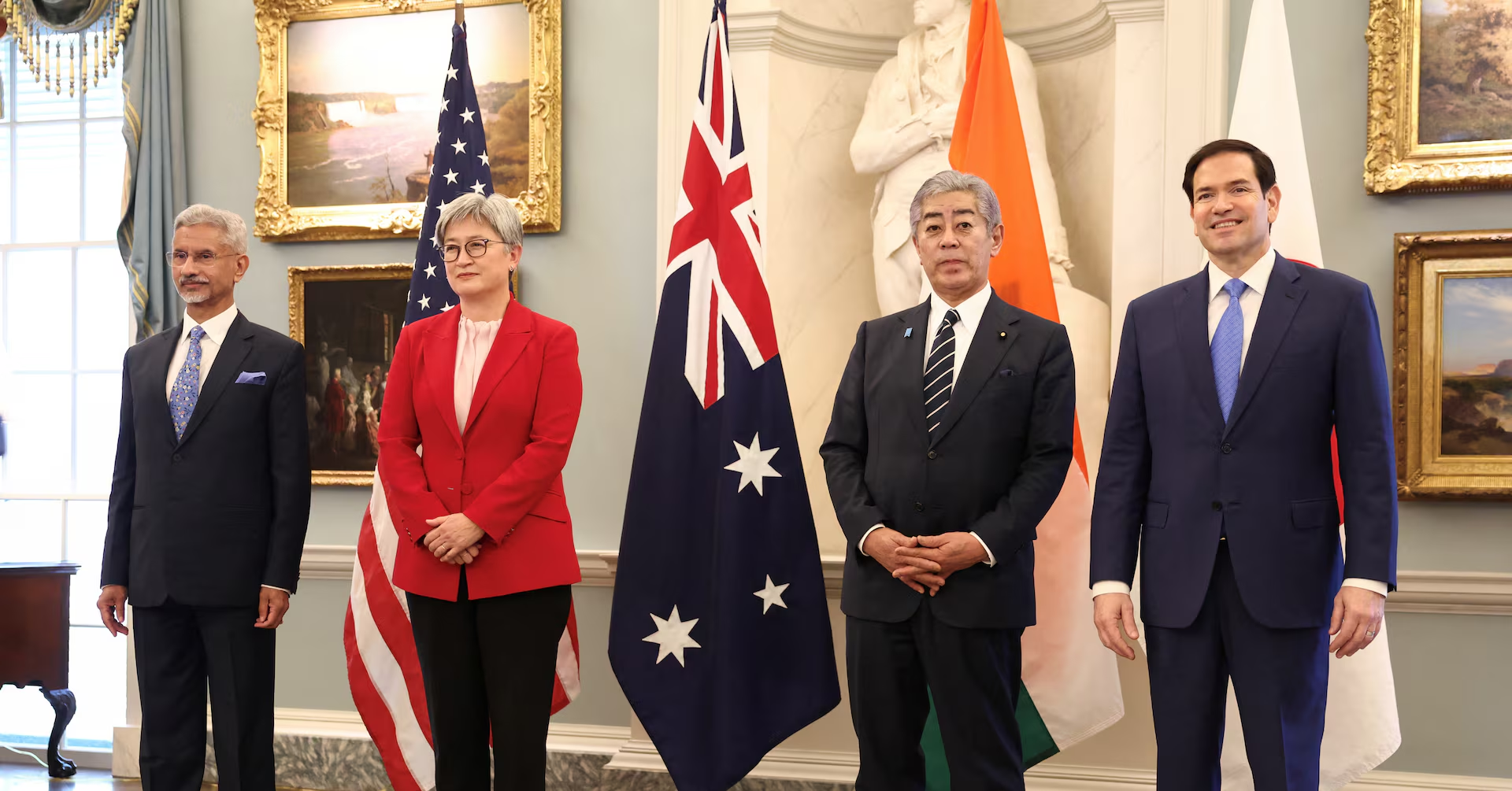
The US, Australia, India, and Japan launched the Quad Critical Minerals Initiative to diversify supply chains and counter China's dominance in critical minerals, amid strained relations due to trade frictions and geopolitical tensions in the Indo-Pacific region.
The Quad foreign ministers reaffirm their commitment to a free, open, and stable Indo-Pacific, emphasizing cooperation on maritime security, economic resilience, technology, and humanitarian aid, while addressing regional challenges such as China's assertiveness, North Korea's missile tests, Myanmar's crisis, and supply chain vulnerabilities.
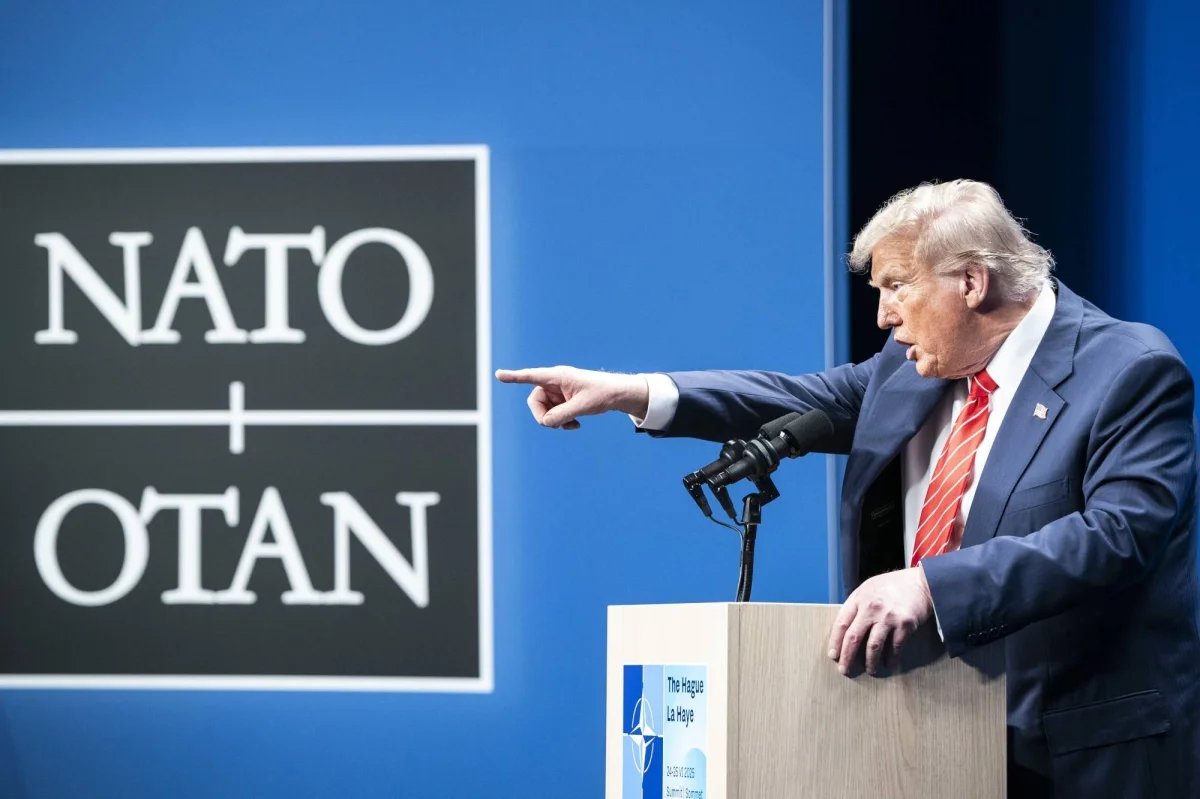
NATO countries have committed to increasing defense spending to 5% of GDP by 2035, a move that could influence US strategic focus and military resources towards the Indo-Pacific region, particularly in containing China, although the US pivot may be gradual due to European political and logistical challenges.
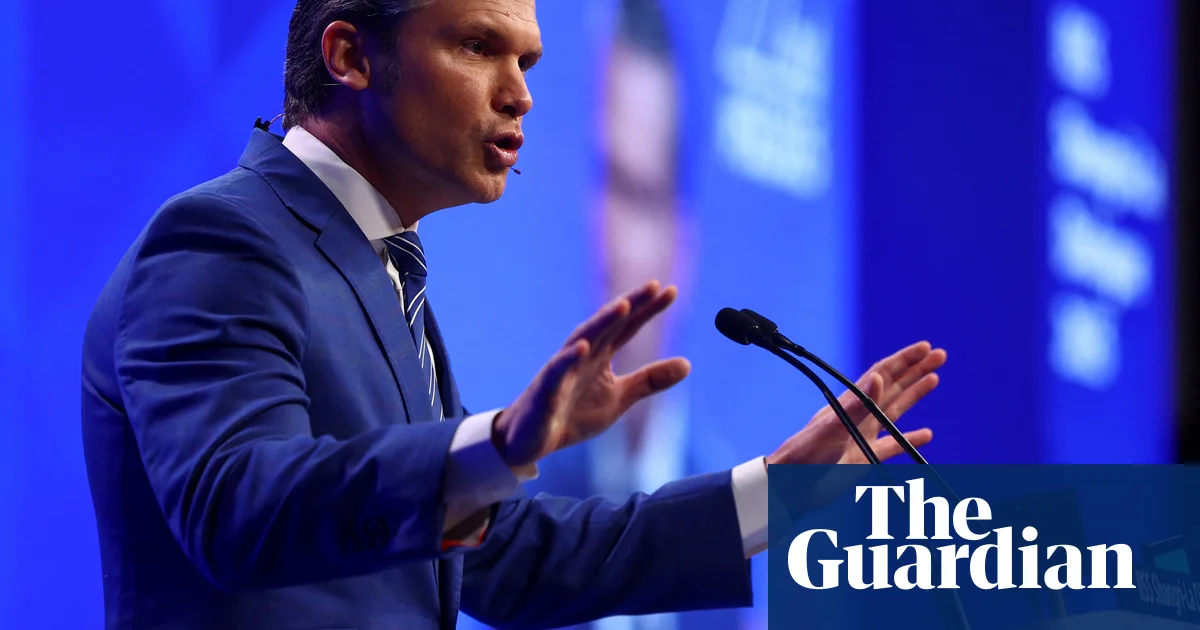
US defense officials, including Pete Hegseth, urged Asian countries to increase military spending to counter China's growing threat, emphasizing regional deterrence and cooperation, while highlighting US commitments and joint projects in the Indo-Pacific region.
Defense Secretary Pete Hegseth assured allies at the Shangri-La Dialogue that the US will support them against Chinese aggression, warning of an imminent threat to Taiwan and emphasizing the need for increased military readiness and alliances in the Indo-Pacific region.
US Defense Secretary Pete Hegseth warned that a Chinese military attack on Taiwan could be imminent, urging regional allies to increase defense spending and strengthen deterrence, amid concerns over China's military rise and Xi Jinping's orders to prepare for an invasion by 2027.
French President Emmanuel Macron called for a coalition between European and Asian countries to safeguard the international order amid US-China rivalry, emphasizing the importance of cooperation without being forced to choose sides, and warning against the division of the world by superpowers.