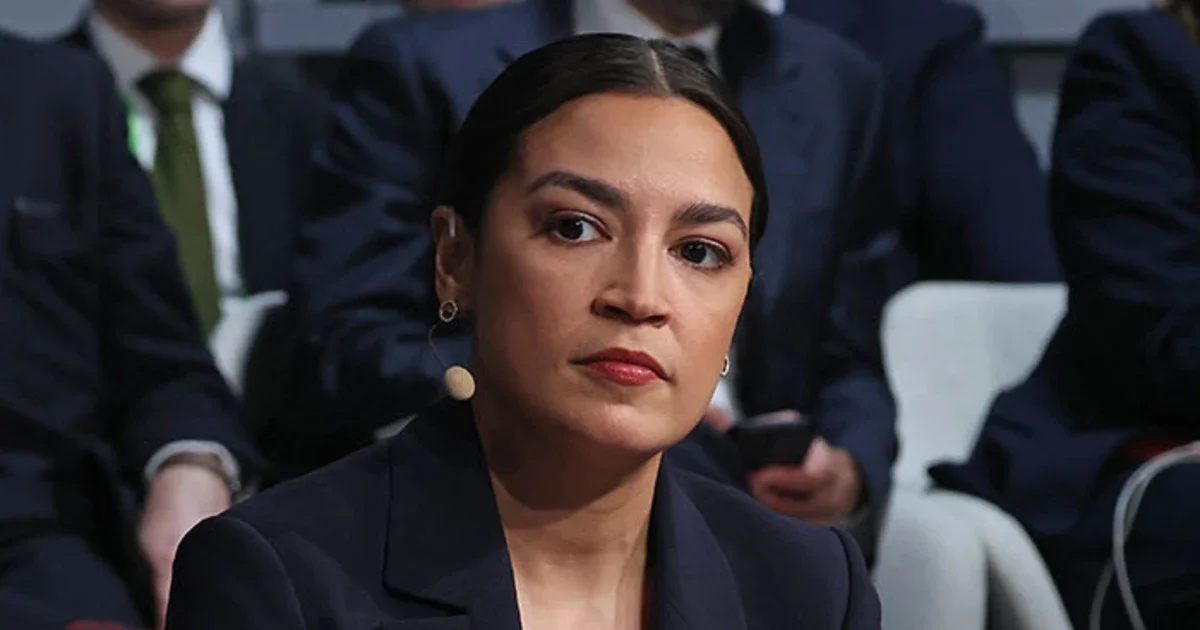
Myanmar's military-led election, criticized as a sham and lacking credible opposition, is underway amid ongoing conflict and low voter turnout, with the military-backed USDP leading and concerns about legitimacy and future stability.
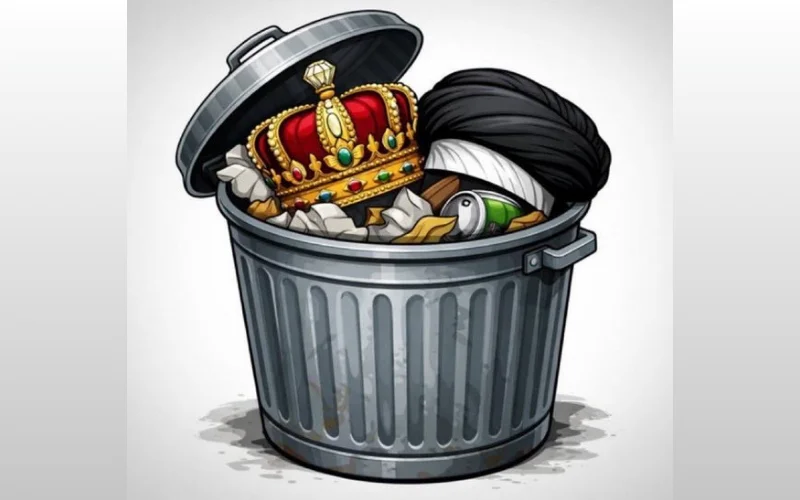
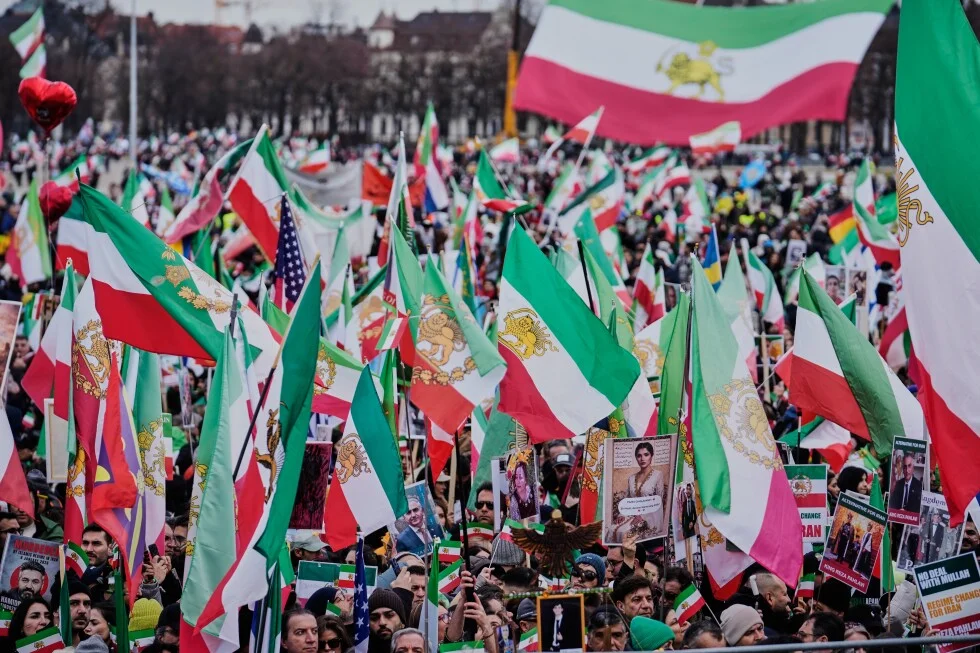
Iran is experiencing widespread protests across major cities like Tehran, Mashhad, and Yazd, with large crowds demanding an end to the Islamic Republic and praising the monarchy, amid government threats and a communications blackout.
The closure of the historic Pittsburgh Post-Gazette highlights the ongoing decline of local newspapers, driven by structural financial challenges and labor disputes, which poses a significant threat to local democracy by reducing civic engagement and increasing misinformation, despite the rise of social media.
Fake social media posts claiming to be from City of York Council, likely AI-generated, highlight the growing threat of misinformation to democracy, as they can be convincing and widely shared, making it difficult for the public to discern truth from falsehood.
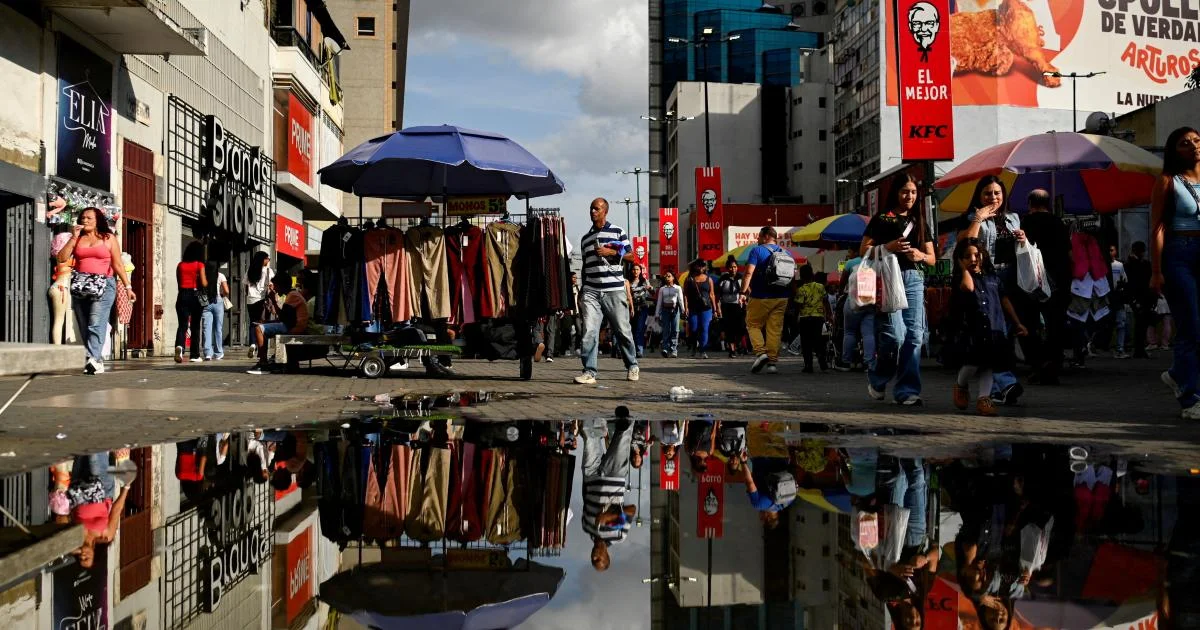
Ricardo Hausmann argues that peace and prosperity in Venezuela will be achieved through democracy rather than reliance on oil, emphasizing the importance of political change over resource dependence.
Guinea's Supreme Court confirmed the election victory of junta leader Mamadi Doumbouya, marking his transition to a democratically elected president after a 2021 coup, amidst concerns over political repression and ongoing economic challenges despite rich mineral resources.
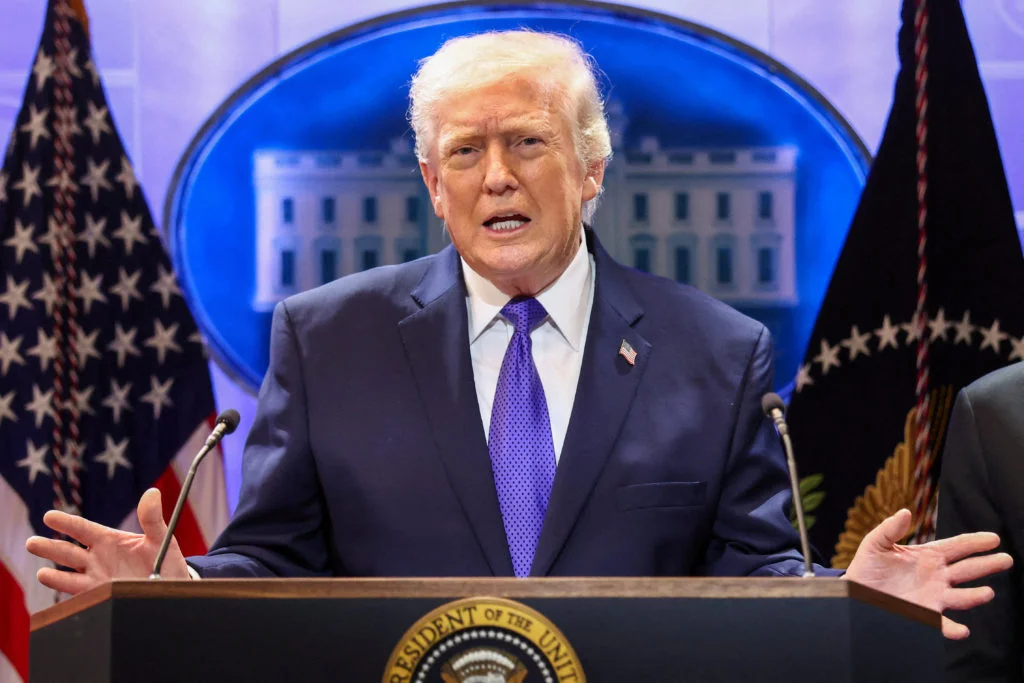
Senator Rubio remains vague about a specific transition plan for Venezuela following the recent political upheaval, emphasizing the importance of stability and U.S. interests, particularly regarding oil reserves, while acknowledging the complexities of Venezuela's political system and the need for a process to establish a new government.
The article discusses the U.S. intervention to remove Nicolás Maduro in Venezuela, emphasizing the complexities of nation-building, the country's democratic history, and the potential outcomes of the regime change, while criticizing past U.S. foreign interventions and highlighting the unique context of Venezuela.
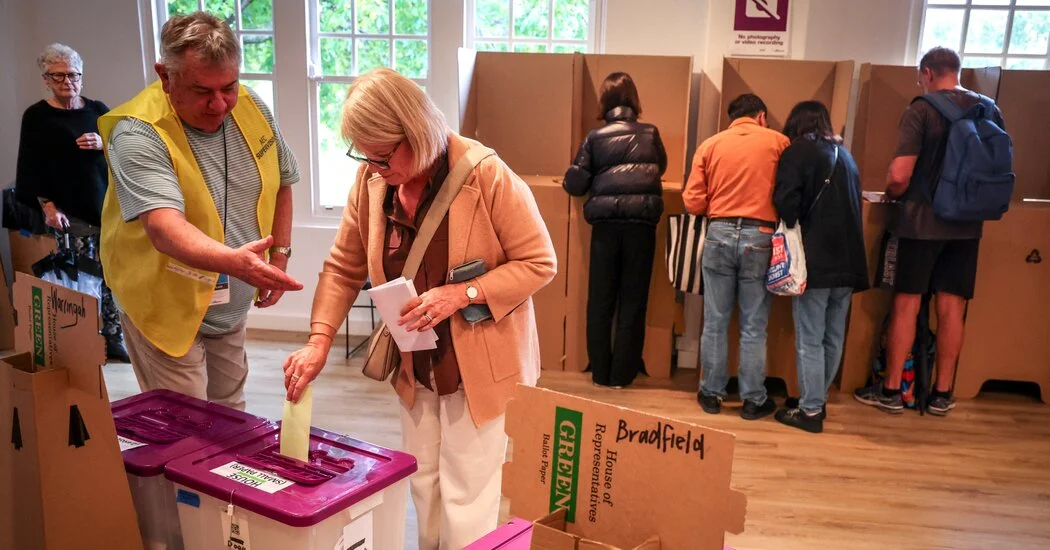
In 2026, over 40 countries will hold significant elections, including presidential, parliamentary, and general votes, which will impact global politics, domestic policies, and international alliances, with key elections in countries like the US, Brazil, Hungary, and Bangladesh.
Hundreds of thousands of people in Bangladesh attended the state funeral of Khaleda Zia, the country's first female prime minister and a prominent political figure, marking her significant impact on Bangladesh's democracy and her enduring popularity despite health issues and political setbacks.
Khaleda Zia, Bangladesh's first female prime minister and a key political figure for over three decades, passed away at 79, leaving a complex legacy of democracy, controversy, and resilience amid Bangladesh's turbulent political landscape, with her son Tarique Rahman poised to lead the BNP in the upcoming elections.
2025 has been a tumultuous year for African politics, marked by coups, contested elections, protests, and a perceived decline in governance and democratic space, driven by economic dissatisfaction and youth demands, with regional and global influences shaping the continent's uncertain political future.
Myanmar's first general election in five years is underway under military supervision amid ongoing civil war and repression, with the military-backed Union Solidarity and Development Party expected to win, raising questions about the election's legitimacy and democratic credibility.
Myanmar's first general election in five years is underway under military supervision amid ongoing civil war and repression, with critics arguing it lacks legitimacy and serves to reinforce military rule, while opposition and international observers express concerns over fairness and human rights violations.
Myanmar's first election in five years is underway under military supervision amid ongoing civil war and repression, with critics questioning its legitimacy and opposition boycotting, while the military-backed party is expected to maintain power.