Tag

Sound Waves

All articles tagged with #sound waves

science-and-technology1 year ago

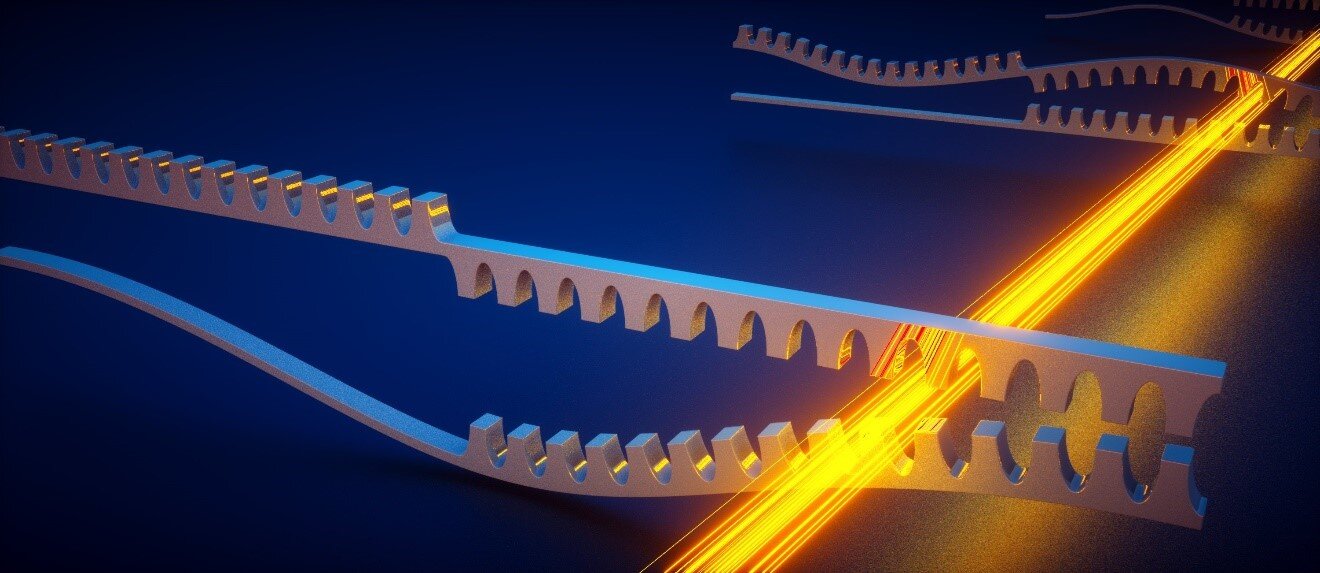
"Exponential Sound Wave Amplification with Topological Metamaterial"

Researchers have created a new topological metamaterial, the bosonic Kitaev chain, which amplifies sound waves exponentially through the use of nanomechanical resonators and laser light. This synthetic material exhibits unique directional amplification properties and is a new topological phase of matter, potentially offering applications in sensor technology and quantum technology. The discovery, published in Nature, could lead to improved sensor performance and signal manipulation capabilities.

science-and-technology2 years ago

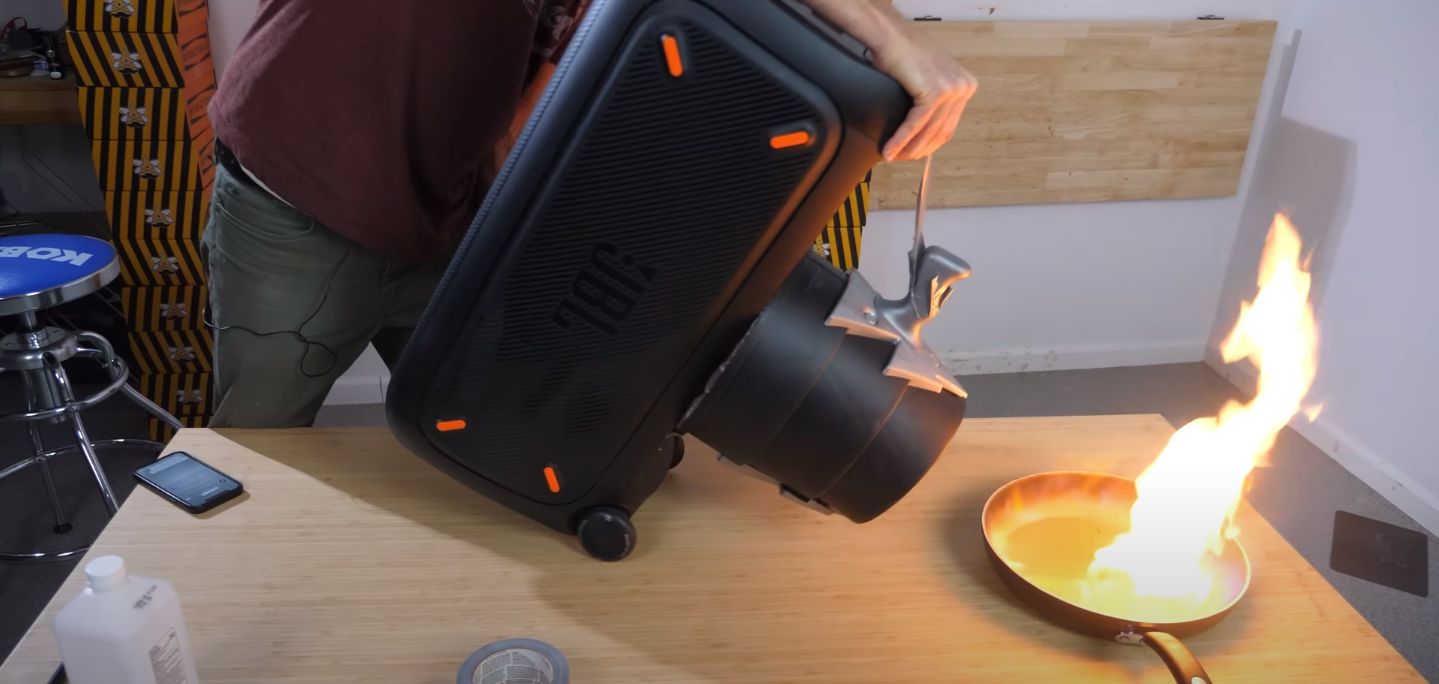
"Sound Waves: The Future of Fire Extinguishing"

A recent video by The Action Lab explores the use of sound waves as a fire extinguisher, demonstrating how a combination of a bass reflex port and an air vortex cannon can effectively extinguish flames by oscillating and diffusing the air, cooling it, and alternatingly pushing oxygenated air and carbon dioxide-heavy combustion fumes into the flame. This approach could be practical in low- and zero-gravity situations, such as space stations, where traditional fire extinguishers are less effective.

science-and-technology2 years ago

"Breakthrough Discovery: Diamond's Rapid Defect Spread Defies Sound Barrier"

Researchers have discovered that linear defects, known as dislocations, can propagate through materials faster than sound waves. Using X-ray radiography, scientists measured the speed of dislocations spreading through diamond and found that they travel faster than the transverse speed of sound. This finding has implications for understanding material failure and damage in extreme conditions. The study provides new insights into the behavior of dislocations and challenges previous assumptions about the fastest possible materials failure.

science2 years ago

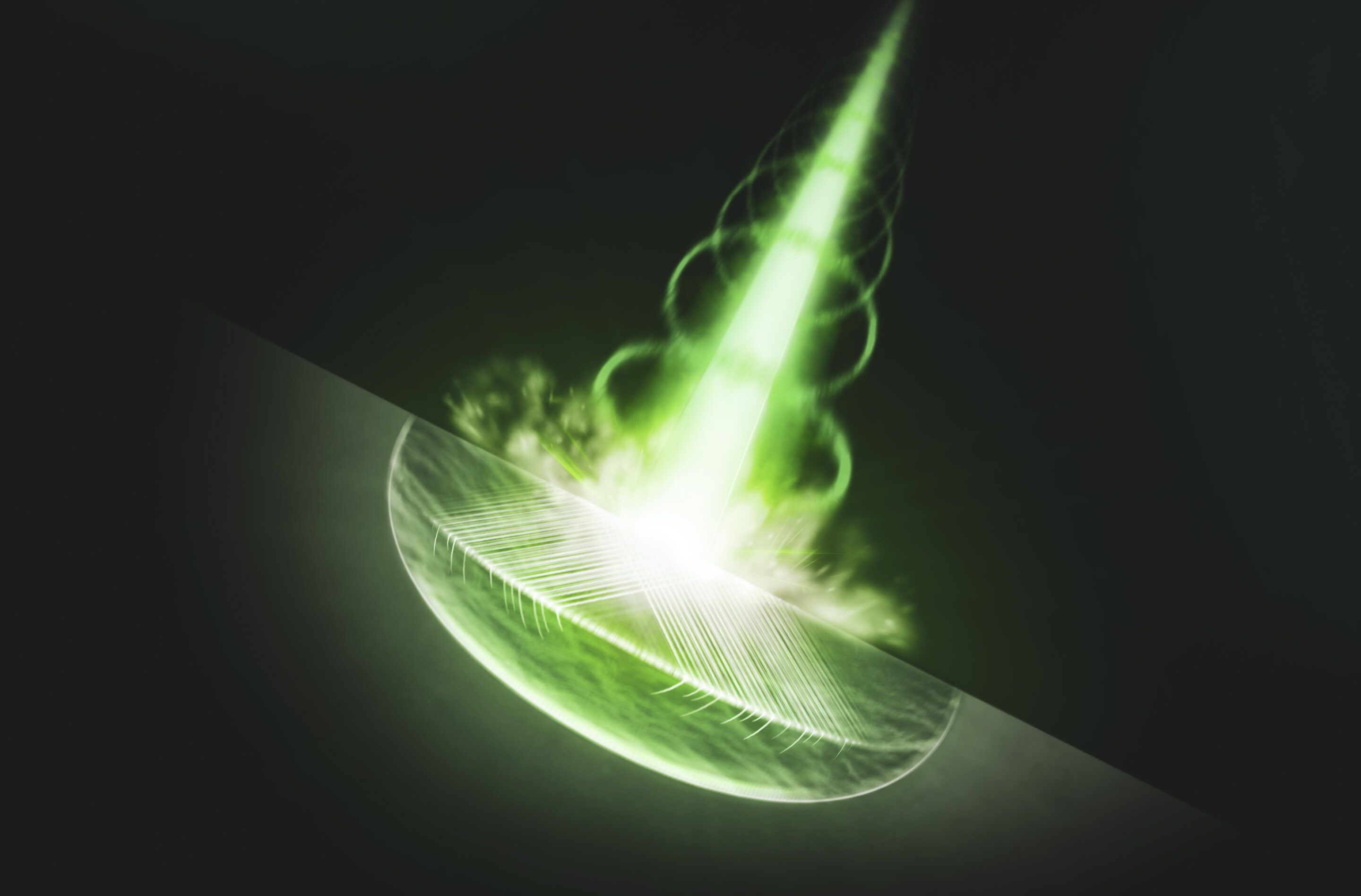
"Breakthrough: Capturing Sound Waves Inside Diamond Crystal"

Scientists have successfully observed sound waves moving through a diamond crystal using a novel X-ray method. By employing an X-ray microscope, the researchers were able to visualize acoustic waves within mm-sized crystals with subpicosecond precision, allowing them to study the creation, propagation, branching, and energy dissipation of longitudinal and transverse acoustic waves in a diamond. This breakthrough could lead to rapid imaging of various solid objects, such as metals, ceramics, rocks, and bones.

physics2 years ago

"Unveiling Negative Pressure through Light and Sound Waves"

Researchers at the Max Planck Institute for the Science of Light have developed a new method to measure negative pressure using liquid-filled optical fibers and sound waves. By encapsulating nanoliters of liquid in a closed optical fiber, the scientists were able to explore the unique thermodynamic states of the liquid. The combination of optical and acoustic waves allowed for precise pressure measurements and spatially resolved imaging inside the fiber. This new measurement technique provides insights into thermodynamic dependencies and opens up possibilities for monitoring chemical reactions in toxic liquids and investigating hard-to-access areas of thermodynamics.

astronomy2 years ago

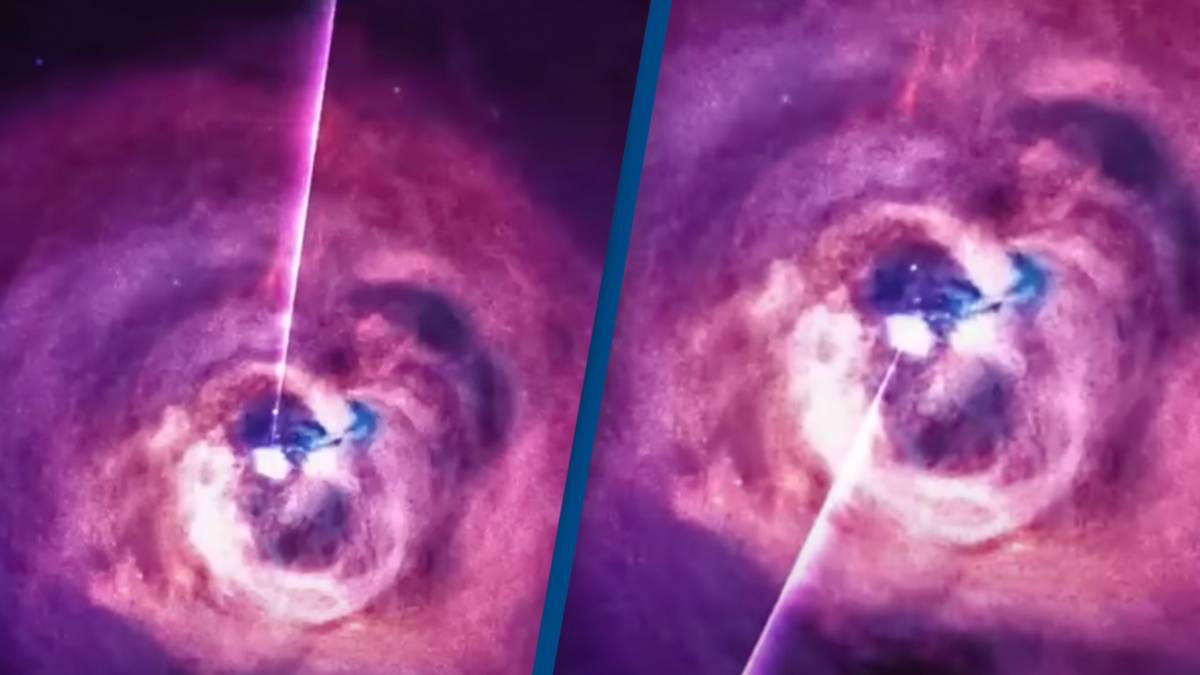
"NASA Captures Sound of Black Hole Amidst Galaxy Cluster"

NASA has recorded the sound of a black hole at the center of a galaxy cluster in the constellation Perseus by using sound waves that can travel through the gas enveloping the cluster. The sound waves were transformed into audible frequencies through a process called sonification. The resulting sound allows us to hear noises from 250 million light years away. While black holes can be as massive as 60 billion times the mass of the sun, even a small one close to Earth could cause catastrophic destruction. Fortunately, there are no black holes in our solar system.

science-and-technology2 years ago

Sound Transmission Breakthrough: Sending Sound Waves Through Vacuum

Scientists have demonstrated that sound can travel through a vacuum under specific circumstances and over extremely small distances. By transmitting sound waves between two zinc oxide crystals and converting them into ripples within an electric field, the researchers were able to transmit disruptions that mirror the frequency of the sound waves. However, the transmission is limited to distances no greater than the wavelength of a single sound wave, and the method is not always reliable. The findings could have implications for the development of microelectromechanical components in technology.

science-and-technology2 years ago

"Sound Waves as Information Storage: The Quantum Echoes Breakthrough"

Researchers at the California Institute of Technology have developed a method to store quantum information by translating electrical quantum states into sound waves using phonons. This innovative technique avoids energy loss and allows for longer storage durations, representing a significant advancement in the field of quantum computing. The method utilizes a tiny device consisting of flexible plates that vibrate at high frequencies, enabling the interaction between electrical signals carrying quantum information. The research team's approach is compatible with established quantum devices based on microwaves and offers a solution for effective storage of quantum information from electrical circuits.

science2 years ago

"Researchers Unravel Decades-Old Physics Enigma, Reviving Discarded Theory"

Physicists at the University of Konstanz have solved a 50-year-old mystery regarding how glass conducts sound waves and vibrations differently than other solids at low temperatures. By revisiting and revising an old, discarded model known as the "Euclidean random matrix approach," the researchers were able to accurately explain the unique behavior of glass. The model, which had been previously rejected, provides a framework for understanding the damping of vibrations in glass and has implications for thermal properties and future calculations of sound propagation in glass. The discovery opens the door for further research into quantum mechanical effects in glass.

science-and-astronomy2 years ago

"Stellar Symphony: Unveiling the Mesmerizing Twinkling of Giant Stars"

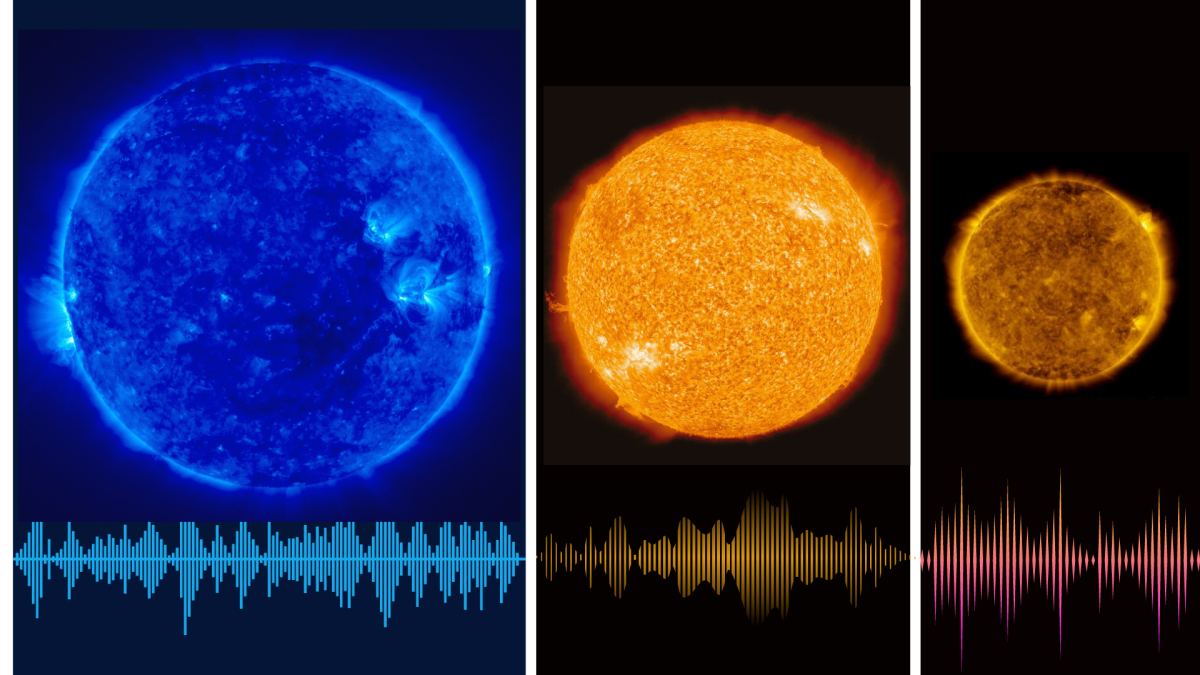
Scientists have created a 3D simulation of energy waves rippling through three stars and converted them into sound waves, resulting in a rendition of "Twinkle Twinkle Little Star." This research allows scientists to study the interiors of stars in greater detail and may help future space telescopes observe the twinkle caused by waves in stars. The simulations revealed the different sounds produced by small, medium, and large stars, transforming familiar music into something haunting.

quantum-computing2 years ago

Storing Quantum Information as Sound Waves with New Device.

Mohammad Mirhosseini, assistant professor of electrical engineering and applied physics, has developed a new method for efficiently translating electrical quantum states into sound and vice versa, which may allow for storing quantum information prepared by future quantum computers. This method uses phonons, the sound equivalent of a photon, for storing quantum information because it's relatively easy to build small devices that can store these mechanical waves. The new method is independent of the properties of specific materials, making it compatible with established quantum devices, which are based on microwaves.

science-and-technology2 years ago

"Splitting Sound Waves for Quantum Computing Advancements"

Scientists have successfully split phonons, which are packets of energy for sound waves, paving the way for a new type of quantum computer called linear mechanical quantum computers. Phonons have proven challenging to study due to their susceptibility to noise and issues with scalability and detection. This breakthrough study could help overcome these challenges and advance quantum computing research.

science-and-technology2 years ago

The Evolution of Tractor Beams: From Fiction to Fact.

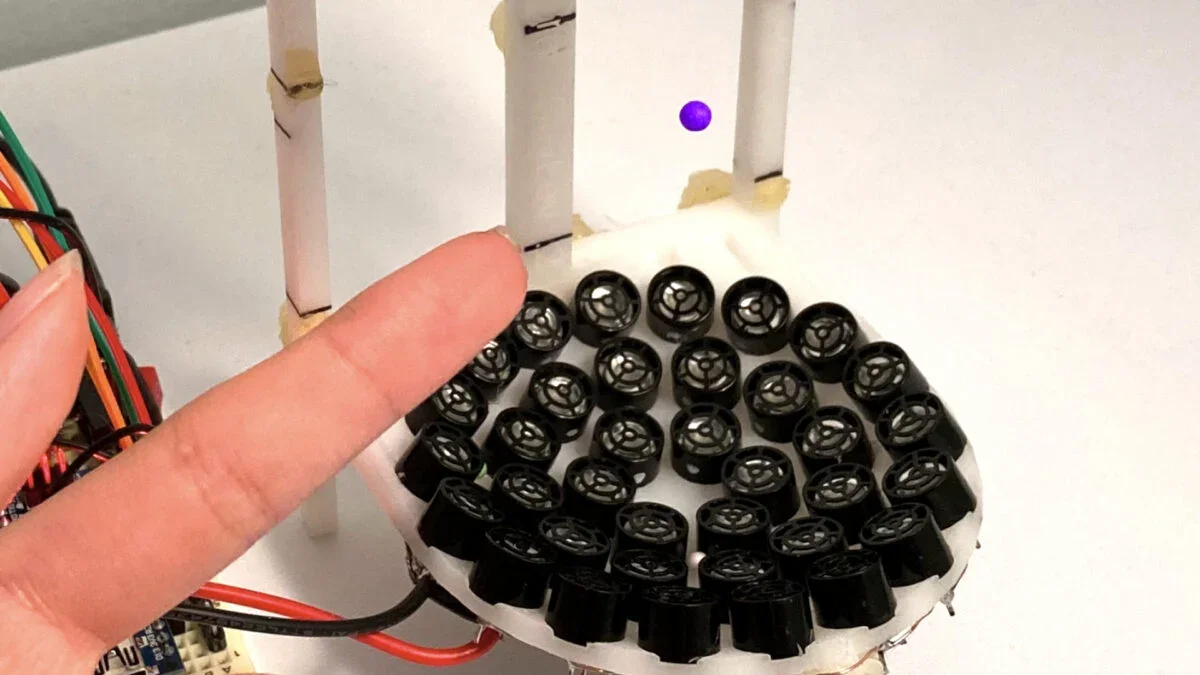
Tractor beams, once a staple of science fiction, have become a reality using laser or sound waves to manipulate particles, molecules, or larger objects from a distance. Although not yet ready for space battles, they have potential applications in drug discovery and precision manufacturing. As research continues, tractor beams could have significant implications for the future of physics and technology.

science2 years ago

"Sound Wave Black Hole May Pave the Way for Warp Drive"

Researchers at Applied Physics have created an artificial black hole using sound waves and a dielectric medium in a laboratory environment. The team says their discovery is significantly more cost-effective and efficient than current methods in use by researchers who want to simulate the effects of a black hole. The black hole could help enable the development of a physical warp drive, which could be humanity's first real warp-drive spacecraft. The researchers caution that the first flight of a working warp drive spacecraft could still be decades away, but their solution provides a new tool to like-minded researchers who are banking on the possibility that making warp drive a reality can be achieved.