Tag

Levitation

All articles tagged with #levitation

science-and-technology1 year ago

"Unpowered Levitation: Japan's Innovative Graphite Breakthrough"

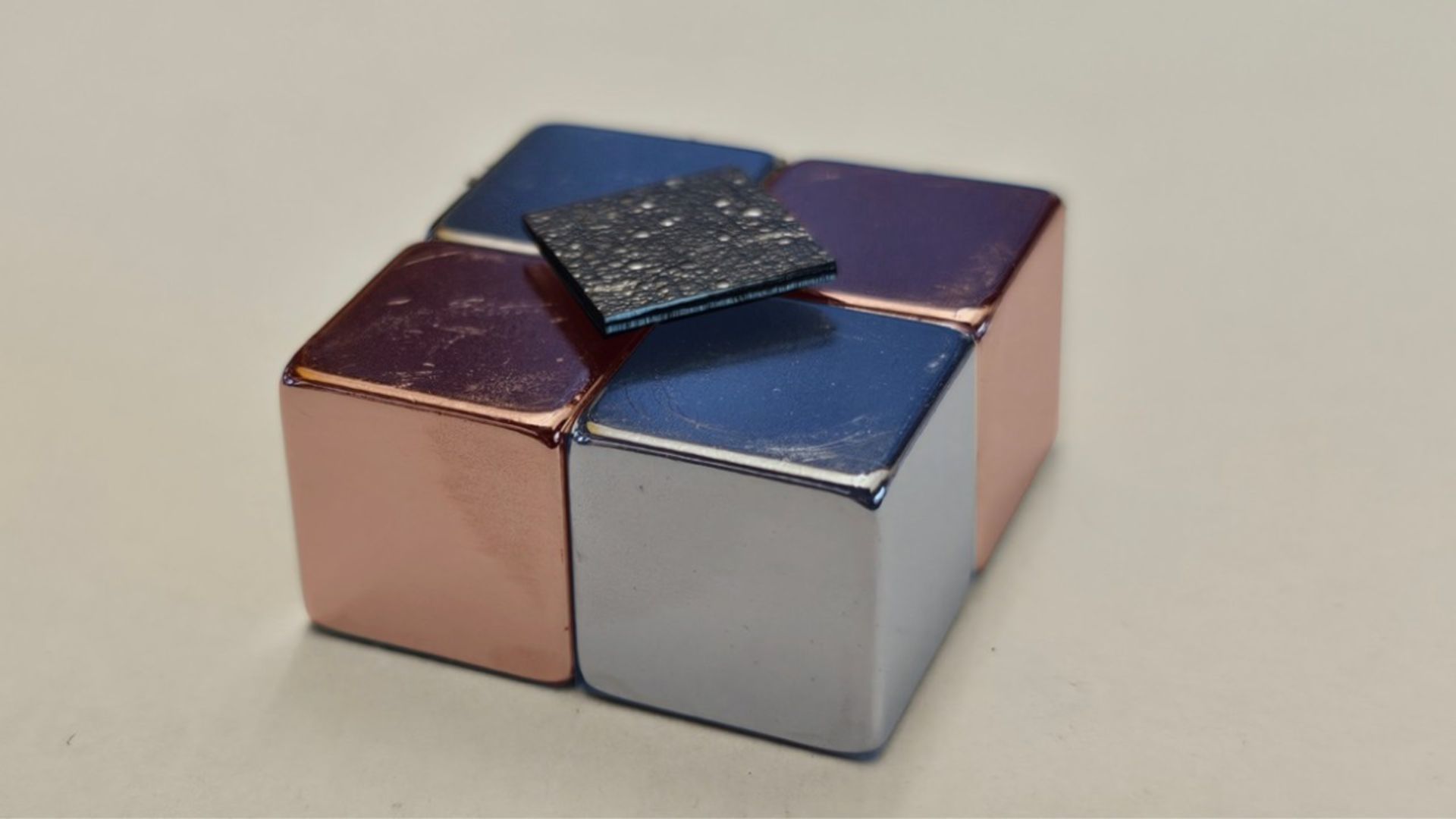
A research team in Japan has achieved levitation without using any external energy source by developing a new material, opening possibilities for gravity-free technology in the future. This breakthrough utilizes the principle of magnetic levitation, where superconducting magnets create a strong magnetic field and diamagnetic materials levitate, enabling objects to float and travel at high speeds.

physics2 years ago

Gravity's Quantum Nature: Physicists Levitate Micro Diamonds in Search for Answers

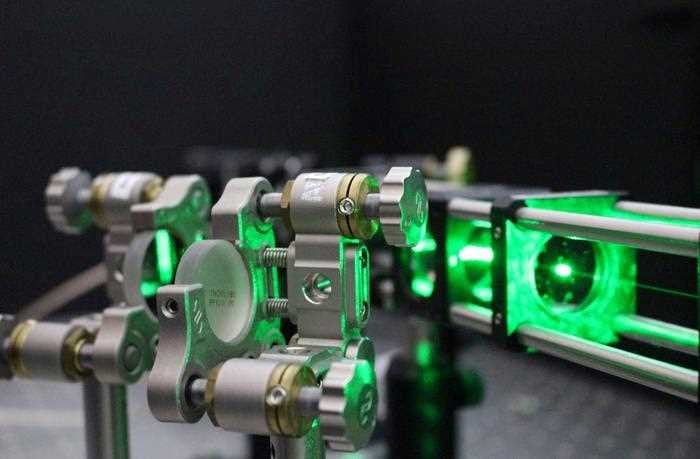
An international team of physicists plans to levitate micro diamonds in a vacuum to determine if gravity is quantum in nature. By entangling microdiamonds made up of one billion atoms or more, the researchers aim to measure the effects of gravity on each entangled diamond and observe if these effects are transferred via superposition. If successful, the experiments could provide evidence for the quantum nature of gravity and potentially unify general relativity with quantum mechanics.

physics2 years ago

"Magnetic Levitation: The Fascinating Phenomenon of Spinning Magnets"

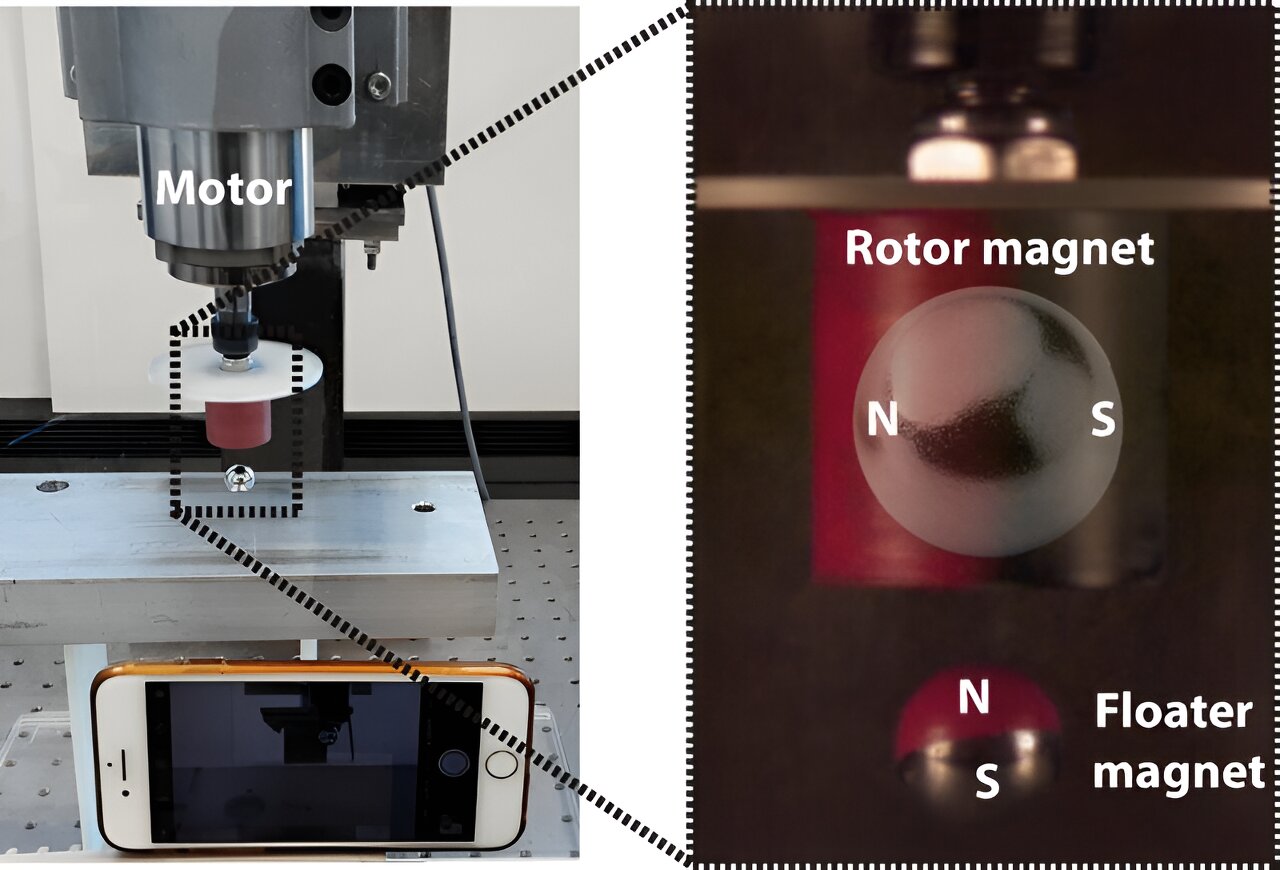
Physicists at the Technical University of Denmark have discovered why a spinning magnet can cause a second magnet to levitate without stabilization. Through experiments and simulations, they found that the secondary magnet rotates in sync with the spinning magnet due to a gyroscopic effect. The slight misalignment of the polar axis of the spinning magnet's magnetic field creates balanced attractive and repulsive forces, allowing the levitation to occur. This research provides insights into the phenomenon of magnetic levitation and its potential applications.

physics2 years ago

Superconducting microsphere levitated with magnetic trap.

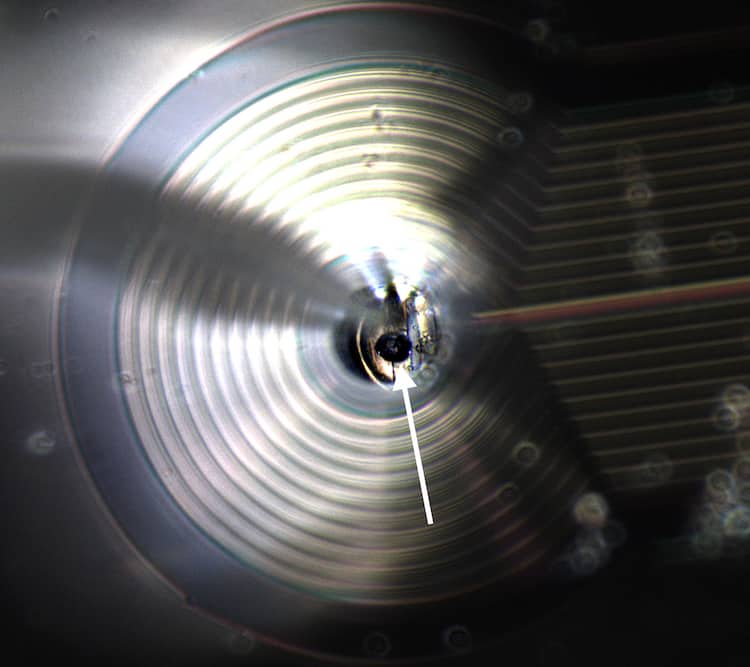
Physicists in Sweden and Austria have used a magnetic trap to levitate a 48-μm-diameter sphere of superconducting material and keep it stable enough to characterise its motion, which could lead to a new generation of quantum sensors. The team constructed a chip-based magnetic trap from wires made of niobium, which becomes a superconductor at low temperatures. The levitation remained stable over a period of days, and the team says their experiment could make it possible to develop better sensors for force and acceleration, with applications in dark matter searches.