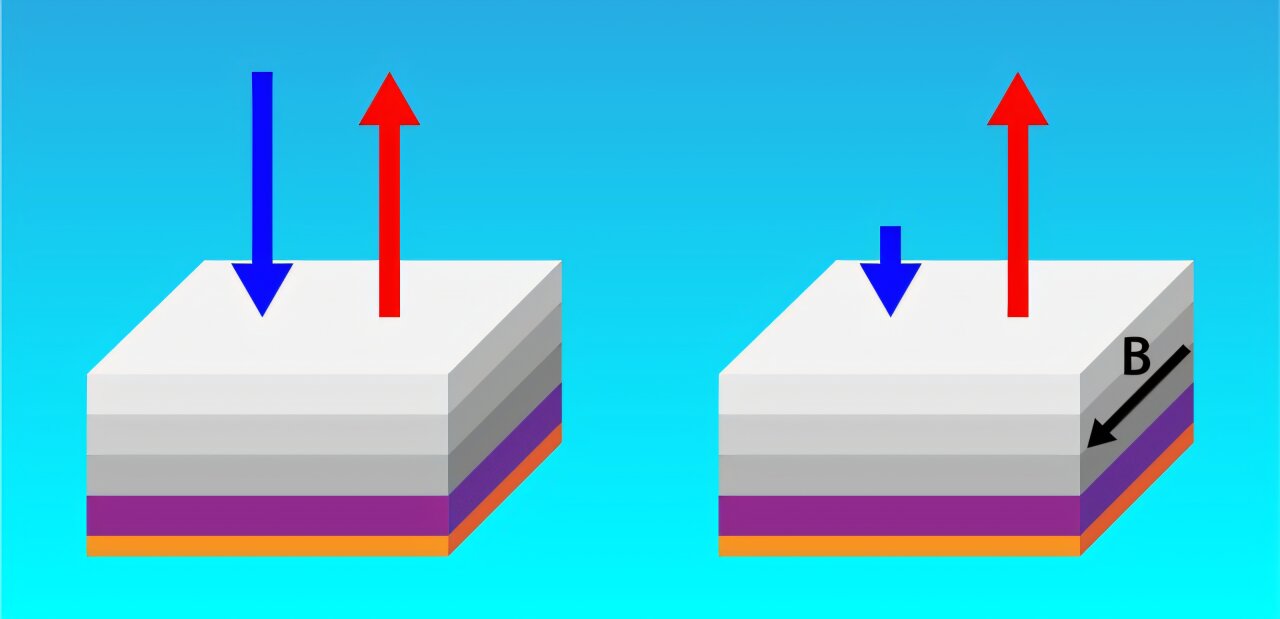
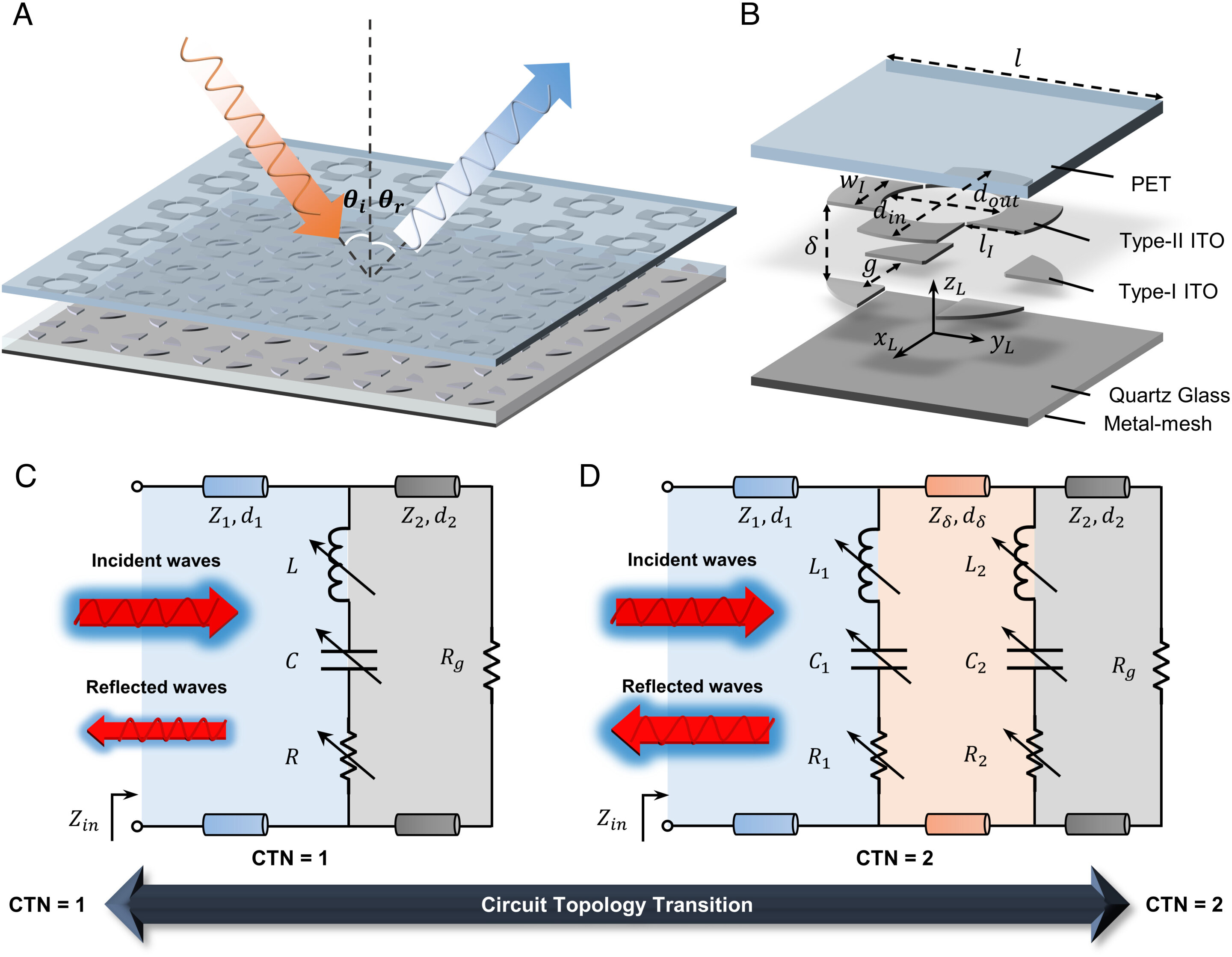
Researchers developed a multilayer metamaterial that exhibits stronger infrared emission than absorption under a magnetic field, breaking traditional reciprocity laws and opening new possibilities for heat management and energy technologies.
Researchers at the Karlsruhe Institute of Technology have developed a new glass-like material called Polymer-based Micro-photonic Multi-functional metamaterial (PMMM) that is more transparent, better at keeping out heat, and self-cleaning. This material can be used in windows, roofs, and walls to create bright, glare-free, and privacy-protected indoor spaces while keeping rooms cooler by up to six degrees through radiative cooling.
Harvard scientists have developed a groundbreaking programmable metafluid, using a suspension of small elastomer spheres that can change its properties, including viscosity and optical transparency, in response to pressure. This versatile metafluid has potential applications in robotics, optical devices, and energy dissipation, showcasing a significant breakthrough in metamaterial technology. The research, published in Nature, demonstrates the fluid's ability to transition between Newtonian and non-Newtonian states, and the team aims to explore its acoustic and thermodynamic properties next.
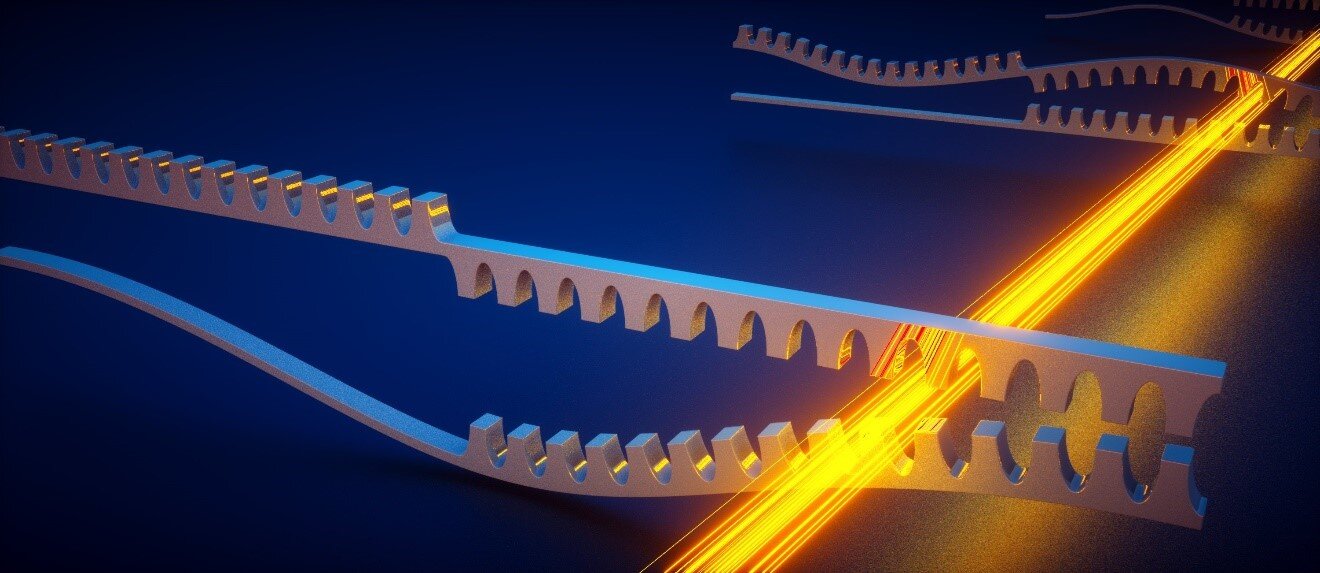
Researchers have created a new topological metamaterial, the bosonic Kitaev chain, which amplifies sound waves exponentially through the use of nanomechanical resonators and laser light. This synthetic material exhibits unique directional amplification properties and is a new topological phase of matter, potentially offering applications in sensor technology and quantum technology. The discovery, published in Nature, could lead to improved sensor performance and signal manipulation capabilities.
Researchers in South Korea have developed a shape-shifting metamaterial inspired by octopuses, which can change its shape and mechanical properties in real-time. This new material surpasses the limits of existing materials and has implications for various industries, especially in robotics. It features multiple mechanical capabilities, including shape-shifting, memory, stress-strain responses, and application-oriented functionalities like energy absorption and pressure delivery. The material can be digitally programmed to adjust its properties within minutes, without the need for additional hardware, and has potential applications in adaptive robots and smart interactive machines.
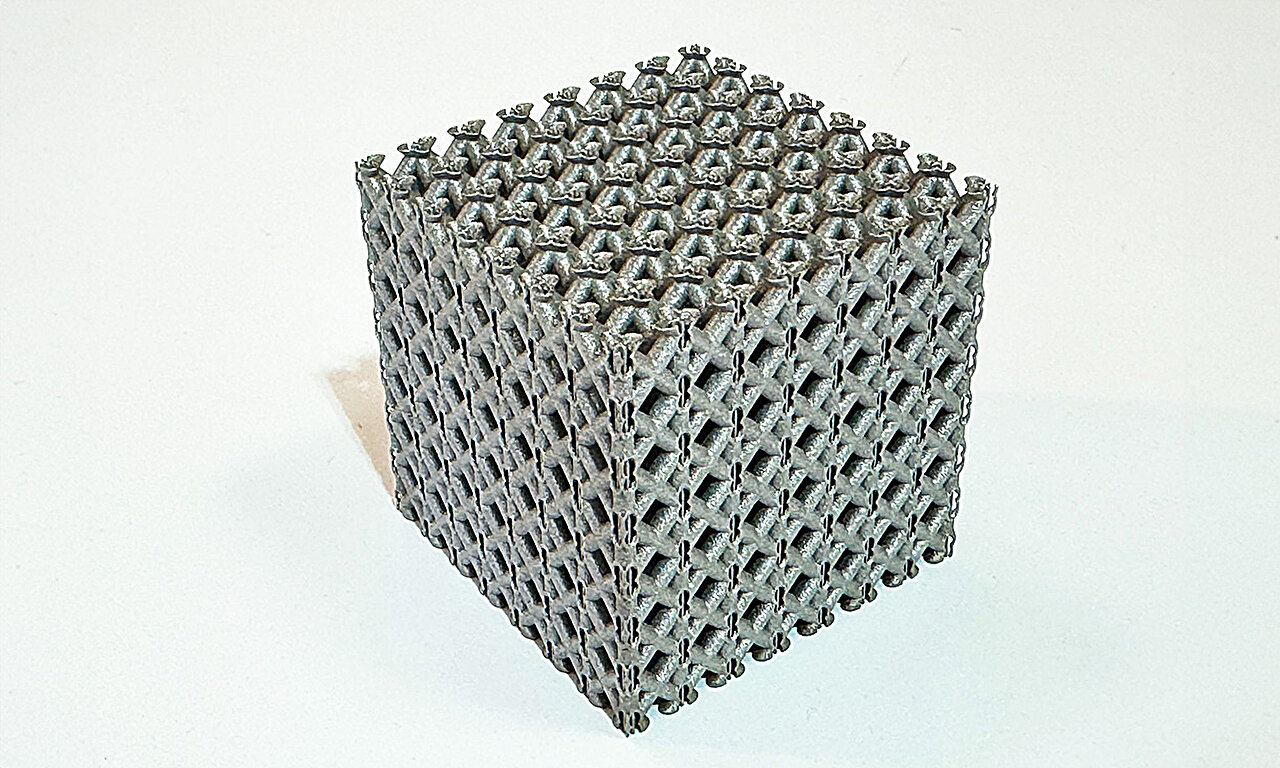
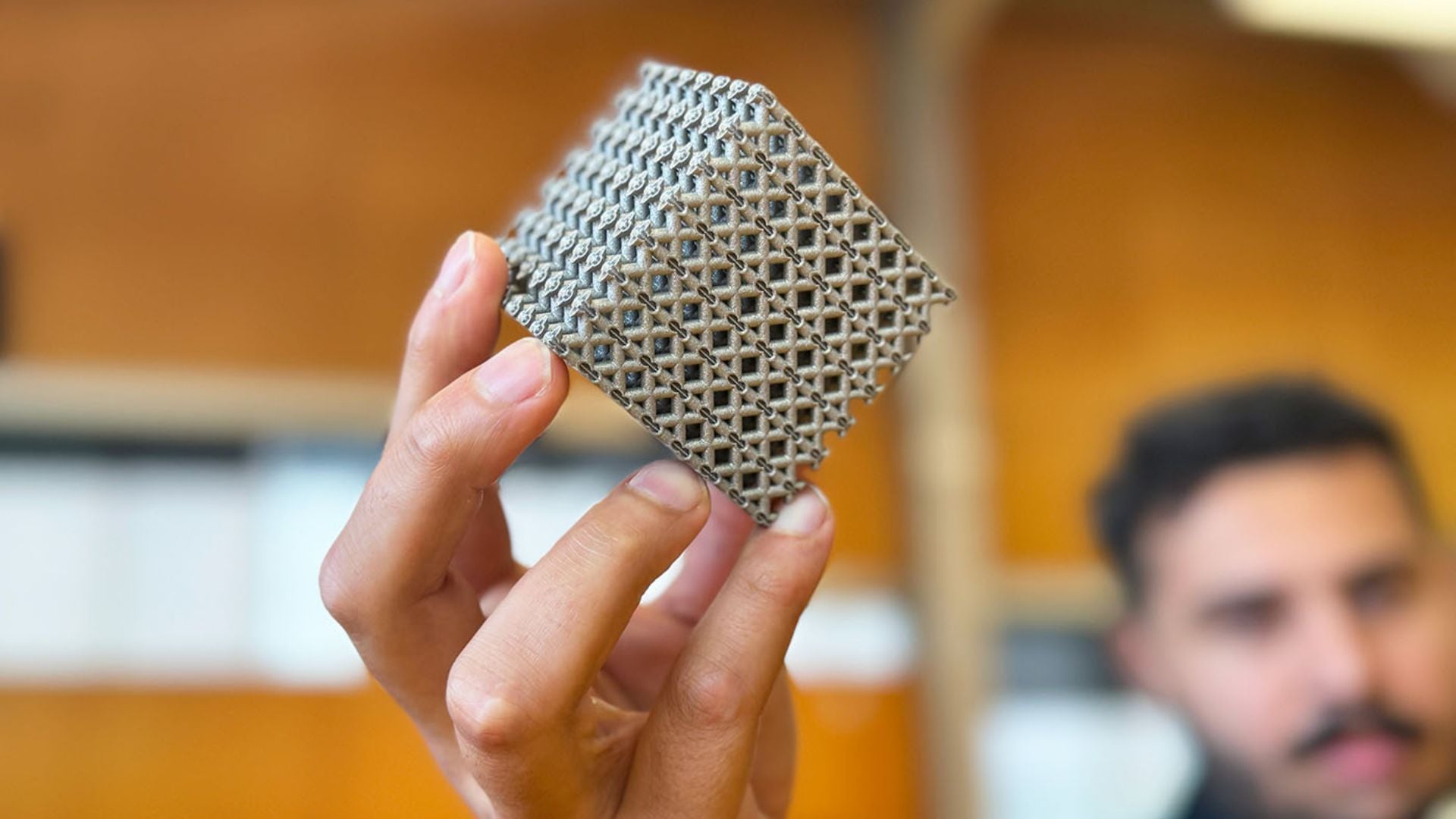
Researchers at RMIT University have developed a 3D printed titanium lattice structure with exceptional strength, surpassing the strength-to-weight ratio of natural or manufactured materials. The lattice structure, created using a common titanium alloy, distributes stress evenly, making it 50% stronger than the next strongest alloy of similar density used in aerospace applications. The design, produced using metal 3D printing, shows promise for applications in medical implants, aircraft, and rocket parts, and could potentially withstand temperatures up to 600°C. While the technology for producing this material is not yet widely available, the team is open to collaborations for exploring its various potential applications.
Australian scientists at RMIT University have successfully 3D printed a titanium structure that is at least 50 percent stronger than the strongest man-made alloy used in aerospace applications, creating a new 'metamaterial' with potential applications in aerospace and medicine. Metamaterials are engineered to deliver properties that surpass those of naturally occurring materials, and this breakthrough could lead to materials capable of withstanding extreme temperature and pressure demands.
Researchers at RMIT University have developed a new 3D printed titanium "metamaterial" with exceptional strength and lightness, inspired by natural structures like hollow-stemmed plants and corals. The material, created using metal 3D printing, is 50% stronger than the next strongest alloy of similar density and has potential applications in aerospace, medical implants, and more. While the technology for producing this material is not yet widely available, the team aims to refine it for higher-temperature environments and eventual widespread use.
A team of engineers in China has developed a metamaterial, called a metamaterial chimera, that is nearly undetectable across visible light, microwave, and infrared spectra. Inspired by the chameleon, glass frog, and bearded dragon, the material reflects electromagnetic waves in ways that mimic these animals' abilities to blend into their surroundings, hide from predators, and remain transparent. The researchers used a five-step process to layer the material, each with its own invisibility characteristics, and found that it worked well in tests, potentially offering applications in wildlife studies and military uses.
Researchers have developed a new type of mechanical sensor that harnesses vibrational energy from sound waves to power electronic devices, eliminating the need for batteries. The sensor, made of silicone and metamaterial, can distinguish between specific words or sounds and trigger electrical pulses to activate devices. Potential applications include infrastructure monitoring for earthquakes and building cracks, as well as detecting gas leaks in decommissioned oil wells, offering a sustainable and cost-effective alternative to battery-powered sensors.
Scientists have developed a new metamaterial that utilizes an "extra dimension" to better control mechanical surface waves. By creating a synthetic dimension beyond the conventional three, the material allows for precise manipulation of energy wave paths. This breakthrough has potential applications in various fields, including quantum computers and quake-proof materials for civil engineering.
Scientists at the University of Missouri have developed a new 4D metamaterial that can control energy waves on the surface of a solid substance, known as mechanical surface waves. This advancement could have implications for quantum computing and understanding how vibrations propagate through materials.
Scientists have developed a unique metamaterial based on fourth-dimensional concepts that allows for the control of energy waves on certain surfaces. The material, called "topological pumping," enables the manipulation of mechanical surface waves, potentially finding applications in quantum computing and industrial engineering. It could also be used to protect structures during earthquakes by placing it beneath buildings. The research team believes the metamaterial could have various defense technology applications and has published their findings in Science Advances.
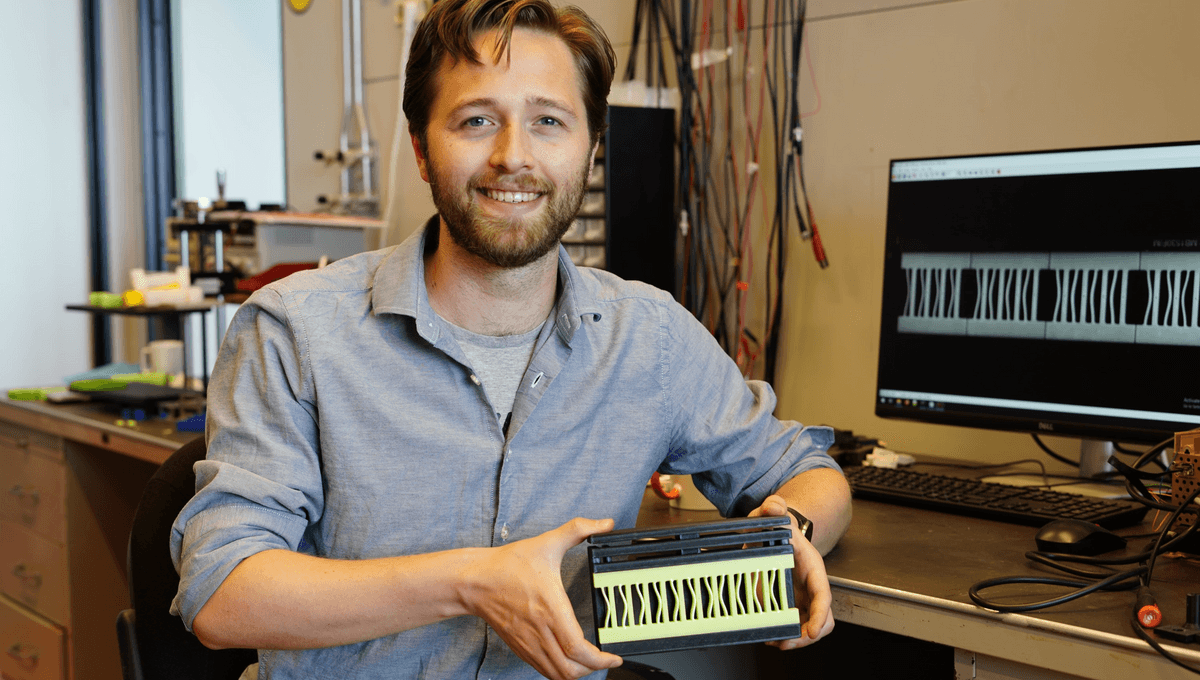
Physicists at Leiden University have created a block of rubber that can count simply by being carved into a ceiling, floor, and pairs of beams. The rubber block, called a "beam counter," can record the number of times it has been pushed by bending its beams in a specific sequence. This simple yet impressive feat demonstrates that inanimate objects can perform mathematical tasks without sophisticated circuit boards. The researchers believe this rubber counting mechanism could have applications in fields such as bridge engineering and could potentially be expanded to count larger numbers.
Physicists have recreated the classic double-slit experiment in particle physics by performing it in time instead of space, using a unique metamaterial that behaves a certain way. The experiment showcased the utility of the material for future experiments and revealed more about the fundamental nature of light. The researchers hope to turn their attention to the behavior of time crystals next.