Scientists at Florida State University have created a new crystalline material with complex swirling magnetic patterns called skyrmion-like spin textures, achieved by combining similar compounds with different crystal symmetries, which could advance data storage and quantum computing technologies.

Physicists have found a way to harness superradiance, a quantum phenomenon that usually causes instability, to generate powerful, long-lasting microwave signals, opening new possibilities for advancements in medicine, navigation, and quantum communication.
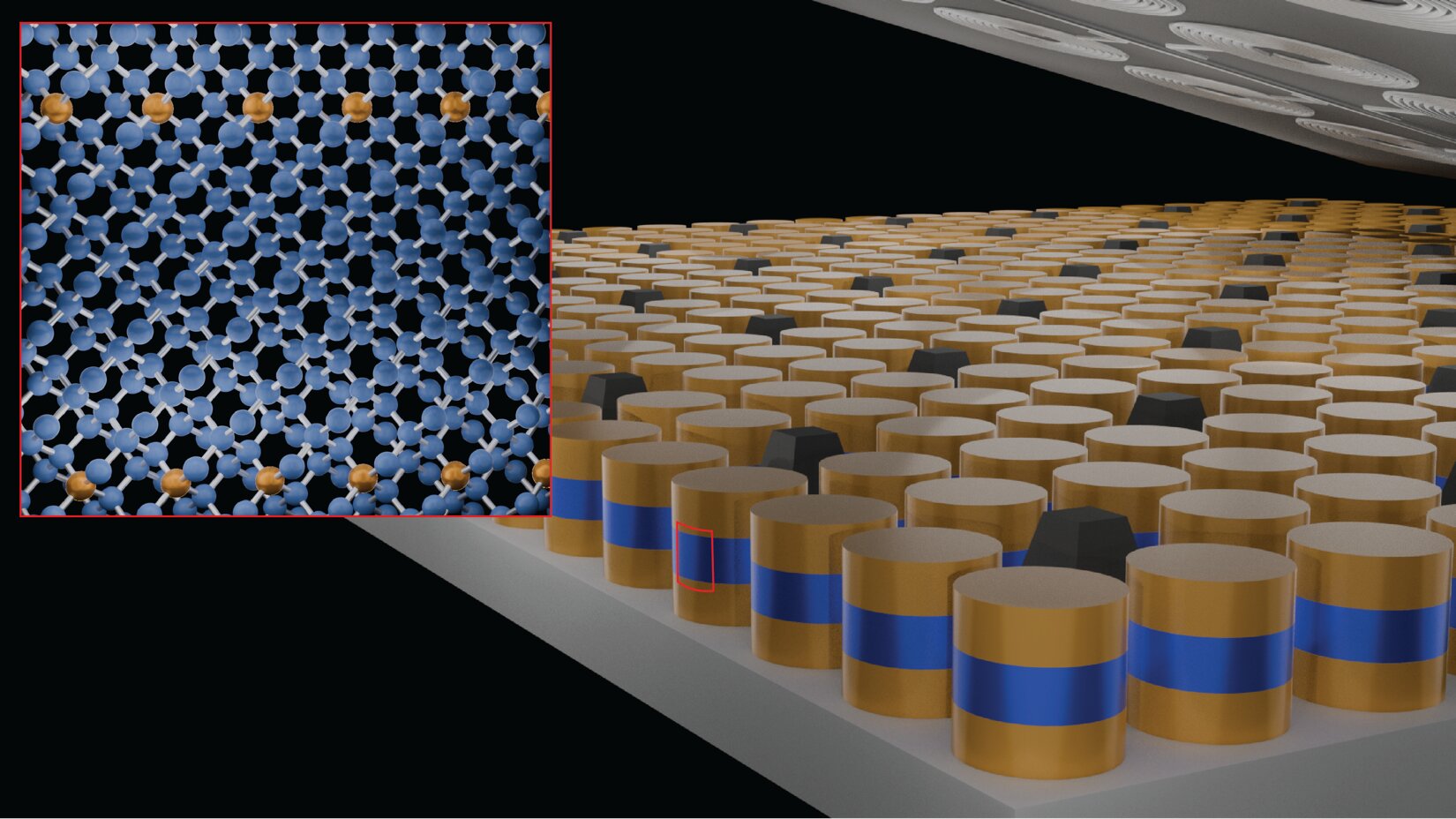
Scientists have developed a new form of germanium that is superconducting at very low temperatures, achieved by precise doping with gallium using molecular beam epitaxy, potentially revolutionizing quantum devices and energy-efficient electronics.
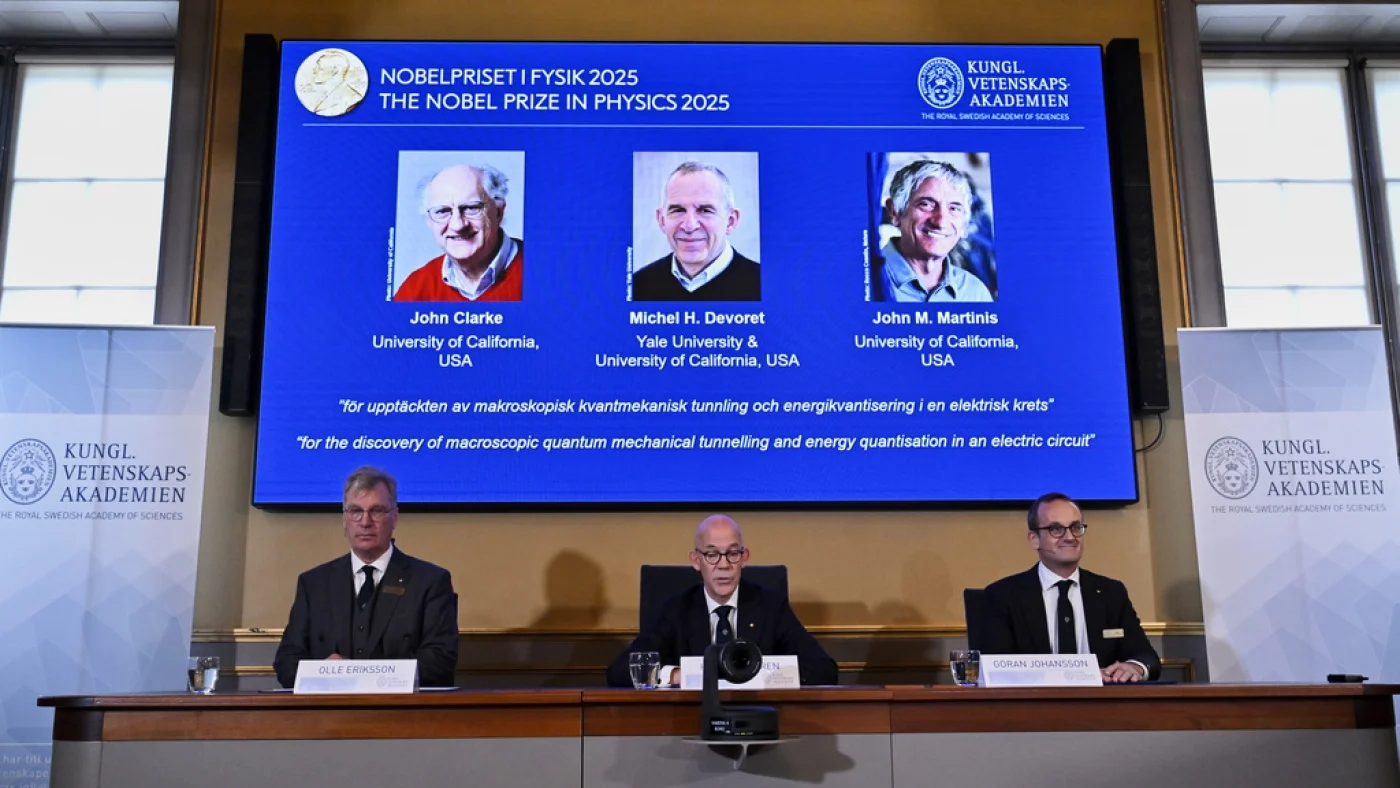
John Clarke, Michel H. Devoret, and John M. Martinis received the Nobel Prize in Physics for their research on quantum mechanical tunneling, which underpins advancements in quantum computing, cryptography, and sensors, highlighting the ongoing importance of quantum mechanics in modern technology.
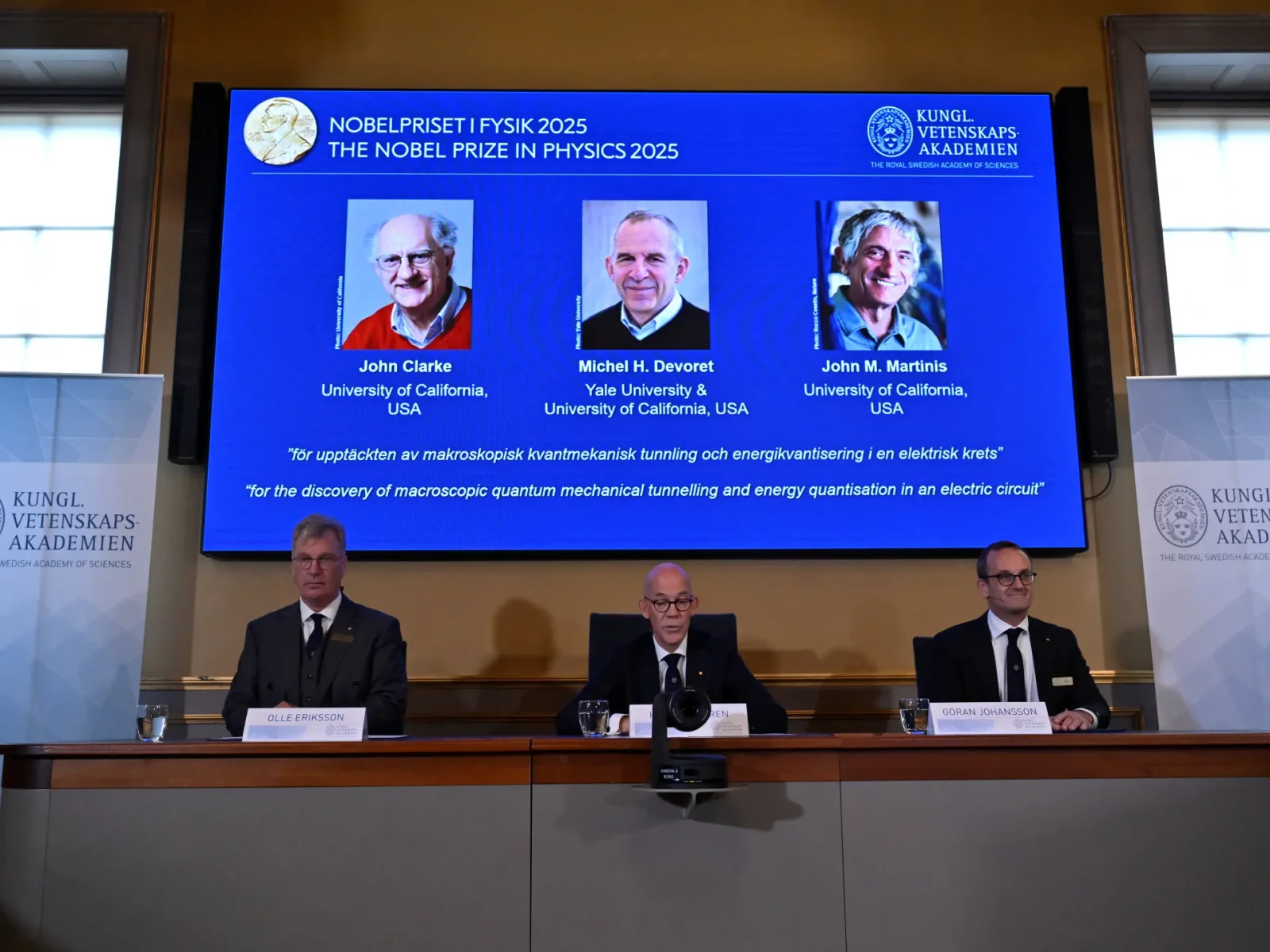
The 2025 Nobel Prize in Physics was awarded to John Clarke, Michel H. Devoret, and John M. Martinis for their groundbreaking work on macroscopic quantum tunnelling and energy quantisation in electric circuits, which advances quantum technology applications.
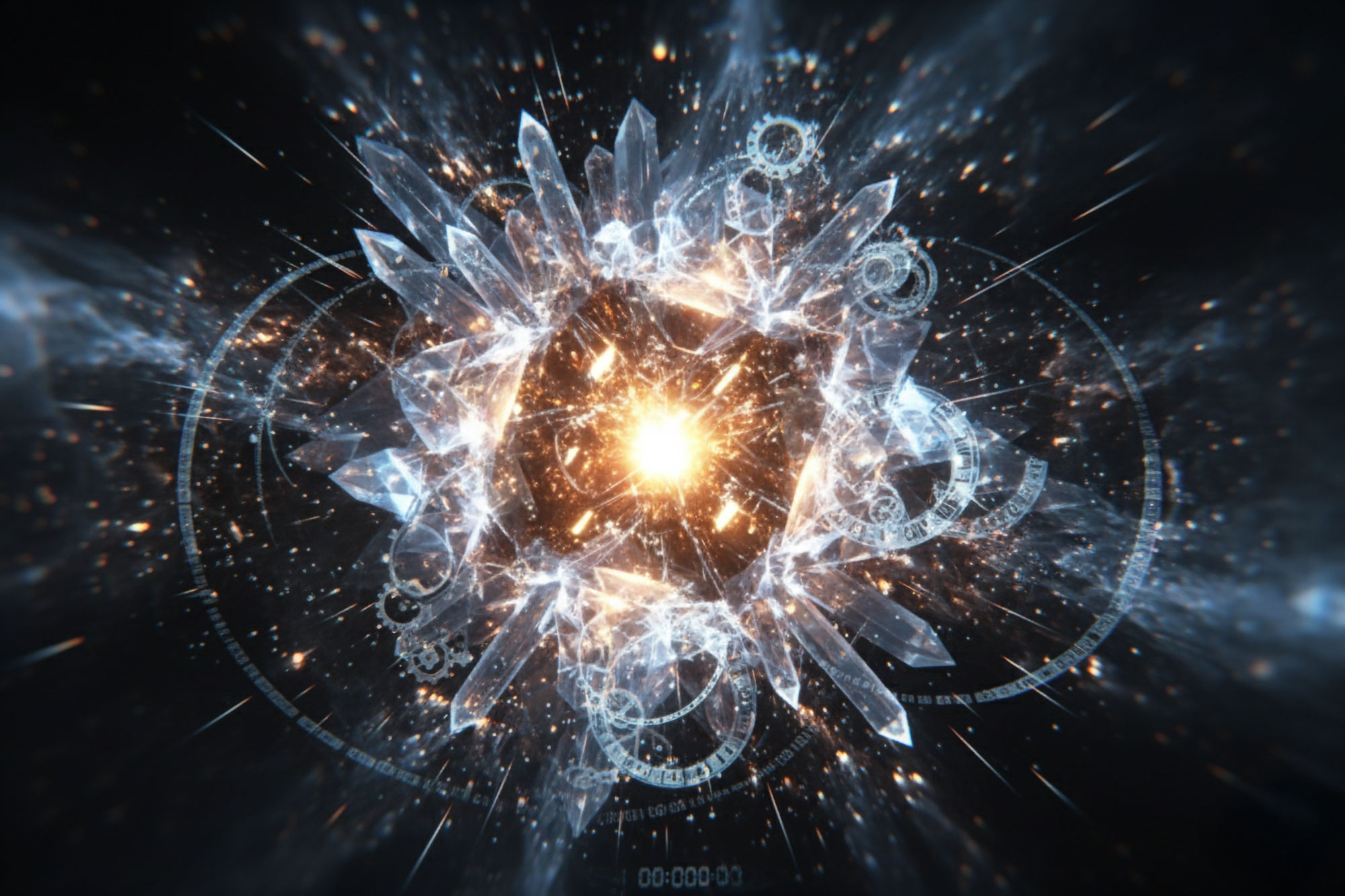
Scientists at TU Wien have discovered that quantum correlations between particles can stabilize the formation of time crystals, where a system spontaneously develops a repeating rhythm in time without external influence, challenging previous assumptions about their formation and opening new avenues in quantum research.
Billionaire investors are heavily investing in Rigetti Computing, a quantum computing company whose stock has surged over 3,700% in the past year, signaling strong market interest in the potential of quantum technology to revolutionize fields like medicine, finance, and cryptography.
Scientists have developed a novel polymer capable of maintaining quantum states at room temperature, potentially revolutionizing quantum devices by eliminating the need for ultra-cold environments, with applications in sensors, electronics, and quantum computing, though further optimization is needed.
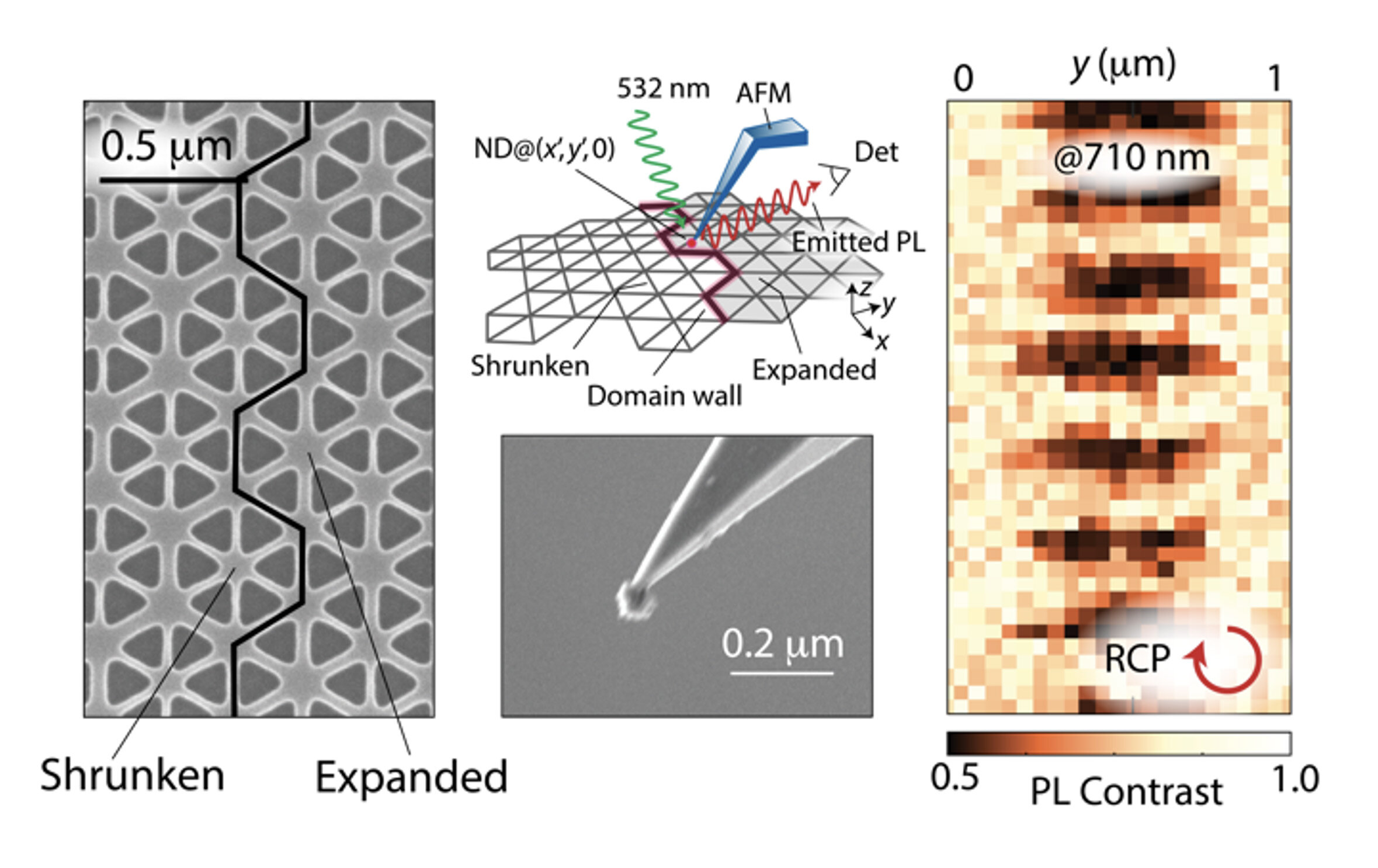
Researchers at The City College of New York discovered that nitrogen-vacancy (NV) centers in diamond can interact with engineered photonic structures in novel ways, enabling new coupling mechanisms that could advance quantum information technologies and sensing applications, including detecting chiral molecules.
Scientists from the University of Chicago have demonstrated that a protein called EYFP can act as a qubit inside living mammalian cells, paving the way for highly precise quantum sensing in biological systems, with potential applications in understanding protein dynamics, gene expression, and disease processes.
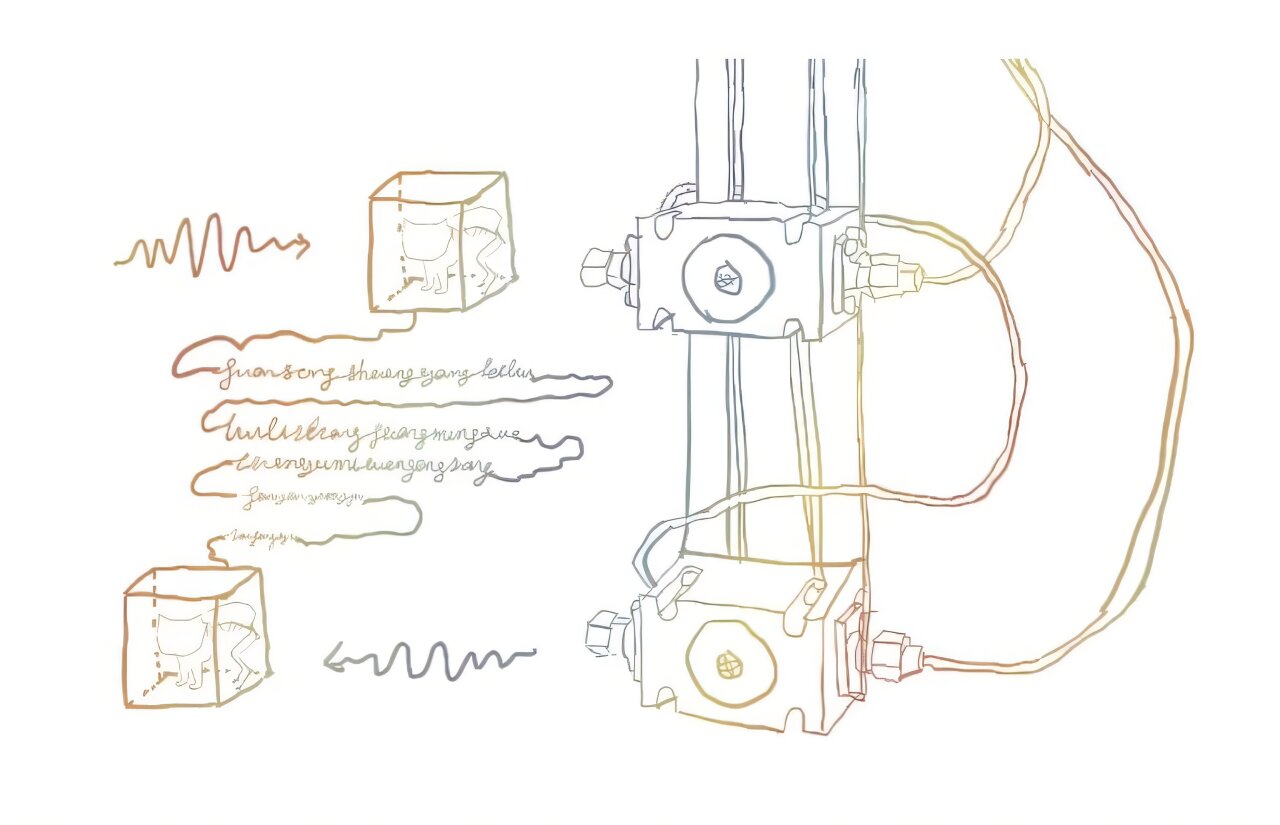
Researchers have successfully demonstrated high-fidelity entangling gates between two remote superconducting quantum processors 30 cm apart, using a microwave cable and the cross-resonance effect, paving the way for distributed quantum computing and more scalable quantum systems.
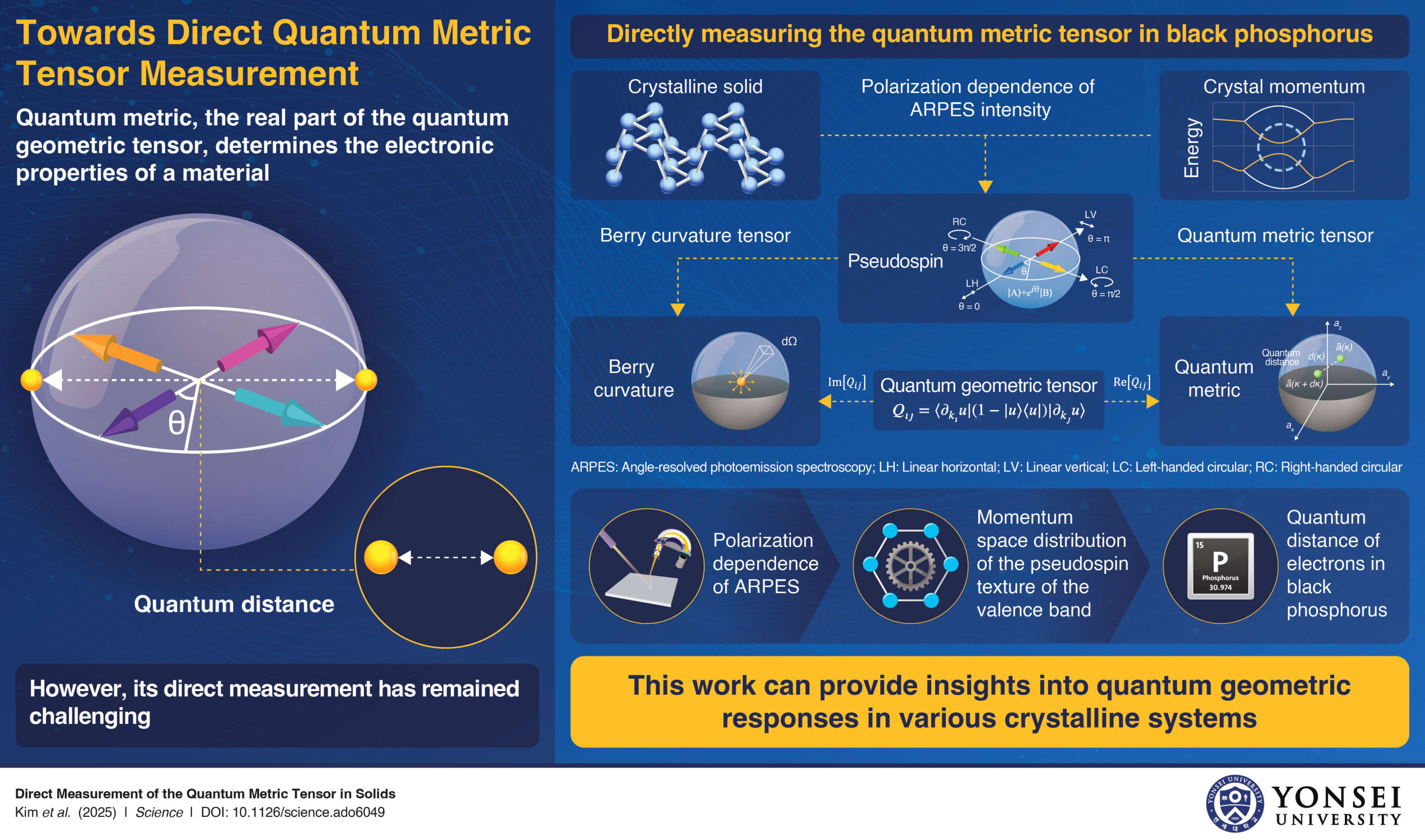
Researchers have achieved the first direct measurement of the quantum metric tensor in black phosphorus, a breakthrough that enhances understanding of quantum phenomena in solids and could advance quantum computing and materials science.
A CU Denver engineer has developed a groundbreaking silicon-based chip that can generate extreme electromagnetic fields, potentially enabling gamma-ray lasers for medical and scientific applications, and offering new ways to explore the universe's fundamental nature, including the multiverse theory.
Researchers at Aalto University in Finland achieved a groundbreaking record in quantum computing by measuring a transmon qubit coherence time in the millisecond range, significantly surpassing previous benchmarks and advancing the development of fault-tolerant quantum computers.
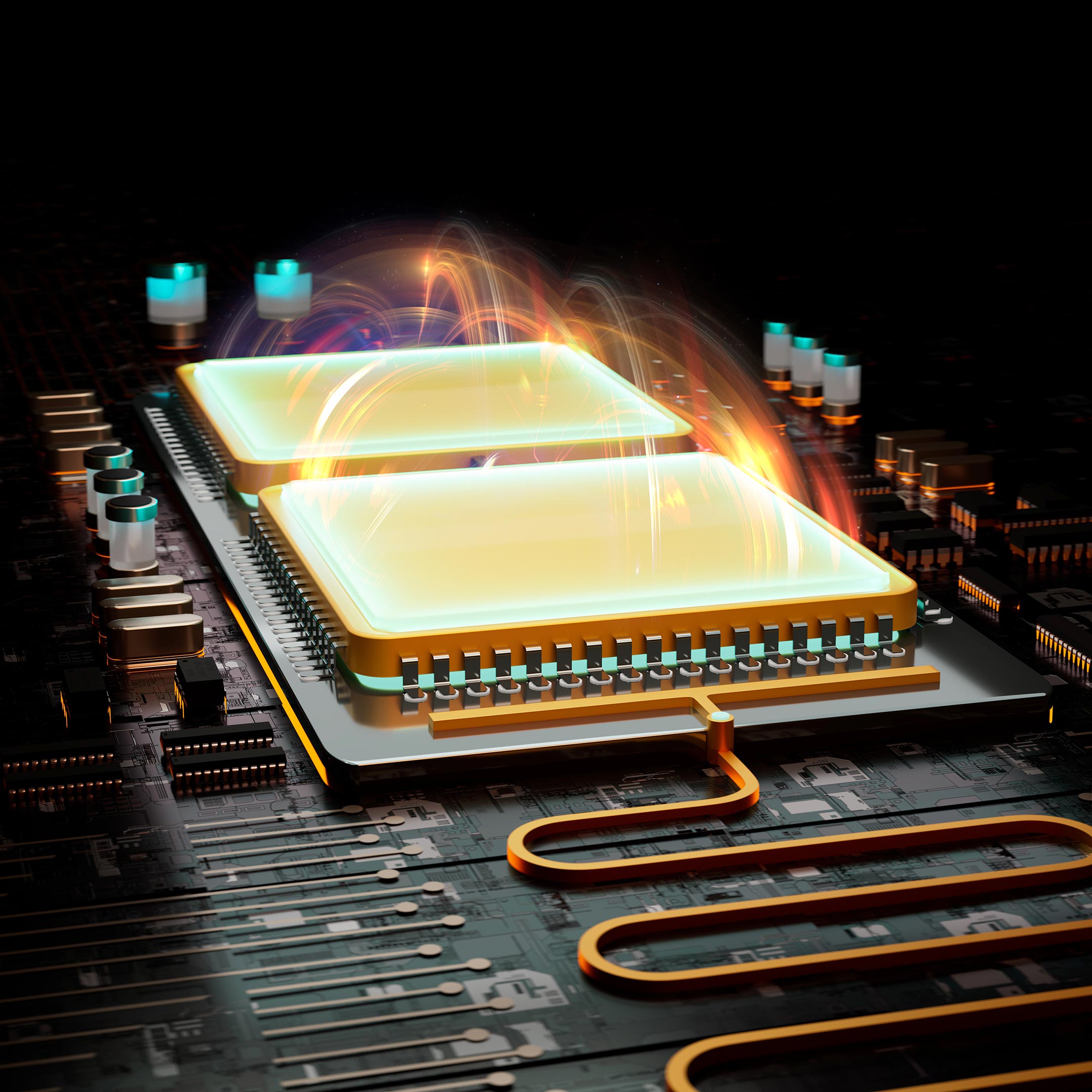
Rigetti Computing announced a significant milestone in quantum computing by demonstrating the industry's largest multi-chip quantum computer with a 36-qubit system achieving 99.5% two-qubit gate fidelity, and plans to release a 100+ qubit system by the end of 2025, leveraging proprietary modular chip technology to enhance scalability and performance.