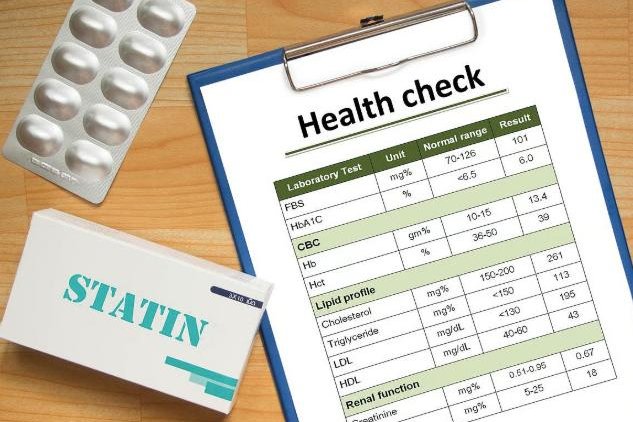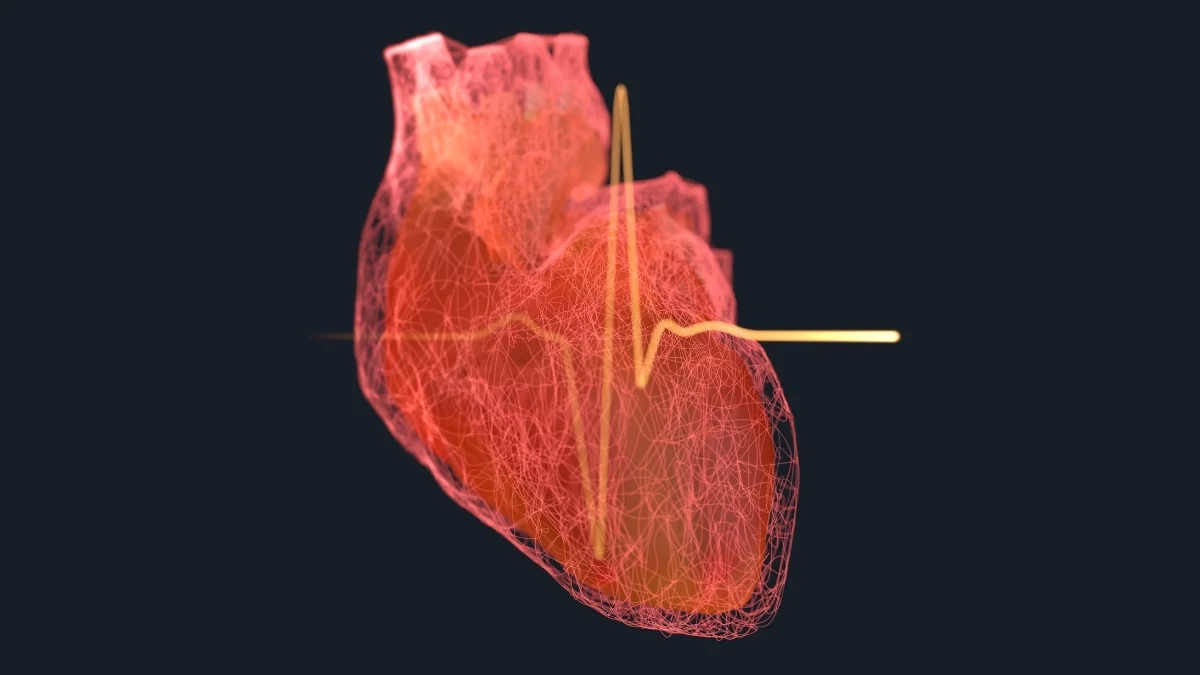
A large study involving over 9 million adults from South Korea and the US found that 99% of heart attacks and strokes are linked to four modifiable risk factors: high blood pressure, high cholesterol, high blood sugar, and tobacco use, emphasizing the importance of managing these risks to prevent serious cardiovascular events.
Research from the Mayo Clinic reveals that over 50% of heart attacks in women under 65 are caused by non-atherothrombotic factors like stress-related conditions and artery tears, highlighting the need for improved diagnosis and personalized treatment approaches.
A study finds a 46% increase in heart attack symptoms and significant health issues, including pulmonary illnesses and blood test abnormalities, in Los Angeles residents following the devastating Palisades and Eaton wildfires, highlighting the short-term health impacts of such disasters.
During the holidays, heart attack risk increases due to stress, overeating, alcohol consumption, and cold weather, with Christmas Eve being the highest-risk day. Experts recommend moderation, staying active, managing stress, and maintaining medication schedules to prevent holiday heart syndrome and related complications.
Changing clocks for daylight saving time can negatively affect health, increasing risks of heart attacks, strokes, mood disorders, and traffic accidents, especially when clocks are moved forward in spring, due to disruption of circadian rhythms and sleep patterns. The autumn shift appears less harmful, but still has some risks. Overall, the health benefits of DST are questionable, and some experts suggest eliminating it altogether.
A large study involving over 9 million adults from South Korea and the US found that 99% of heart attacks and strokes are linked to four modifiable risk factors: high blood pressure, high cholesterol, high blood sugar, and smoking, emphasizing the importance of managing these risks to prevent serious cardiovascular events.

A study published in the Journal of the American College of Cardiology found that over 99% of heart attacks and strokes are preceded by identifiable warning signs and risk factors, emphasizing the importance of early detection and lifestyle changes for prevention.
A study finds a correlation between increased geomagnetic activity during solar storms and higher rates of heart attacks, especially among women aged 31-60, suggesting space weather may influence cardiovascular events. The research highlights the need for further investigation to understand causality and potential preventive measures.
New research from the Mayo Clinic reveals that nearly half of heart attacks in women under 65 are caused by factors other than clogged arteries, such as spontaneous coronary artery dissections and embolisms, highlighting the need for better diagnosis and awareness of alternative causes, especially in women.
A Mayo Clinic study reveals that heart attacks in women under 65 often have nontraditional causes like embolisms and SCAD, which are frequently overlooked or misdiagnosed, highlighting the need for tailored diagnosis and treatment approaches.
A Mayo Clinic study reveals that in women under 65, heart attacks are often caused by factors other than clogged arteries, such as spontaneous coronary artery dissection (SCAD) and stress-related triggers, highlighting the importance of accurate diagnosis for effective treatment.
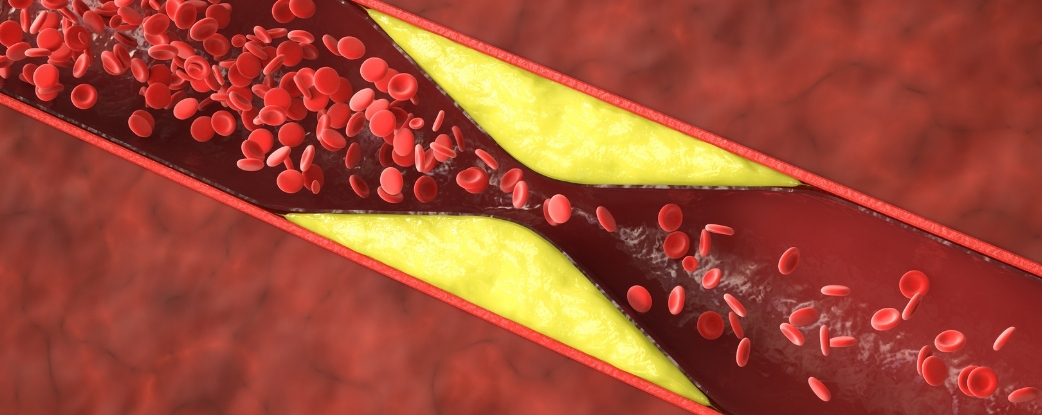
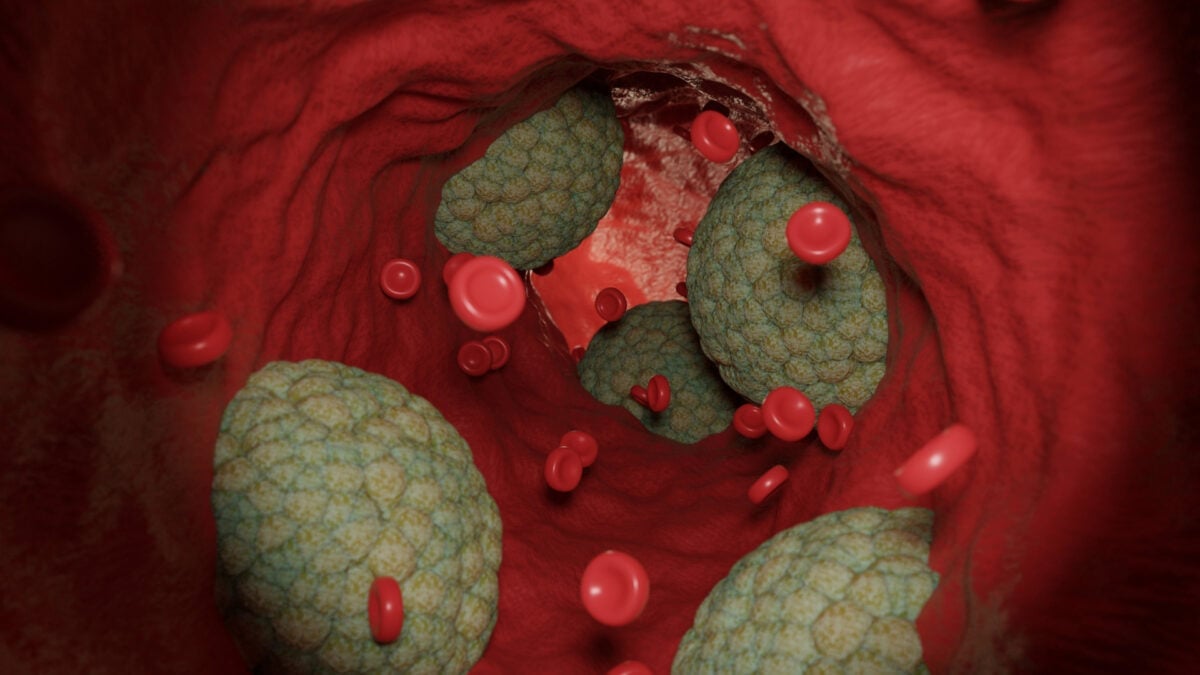
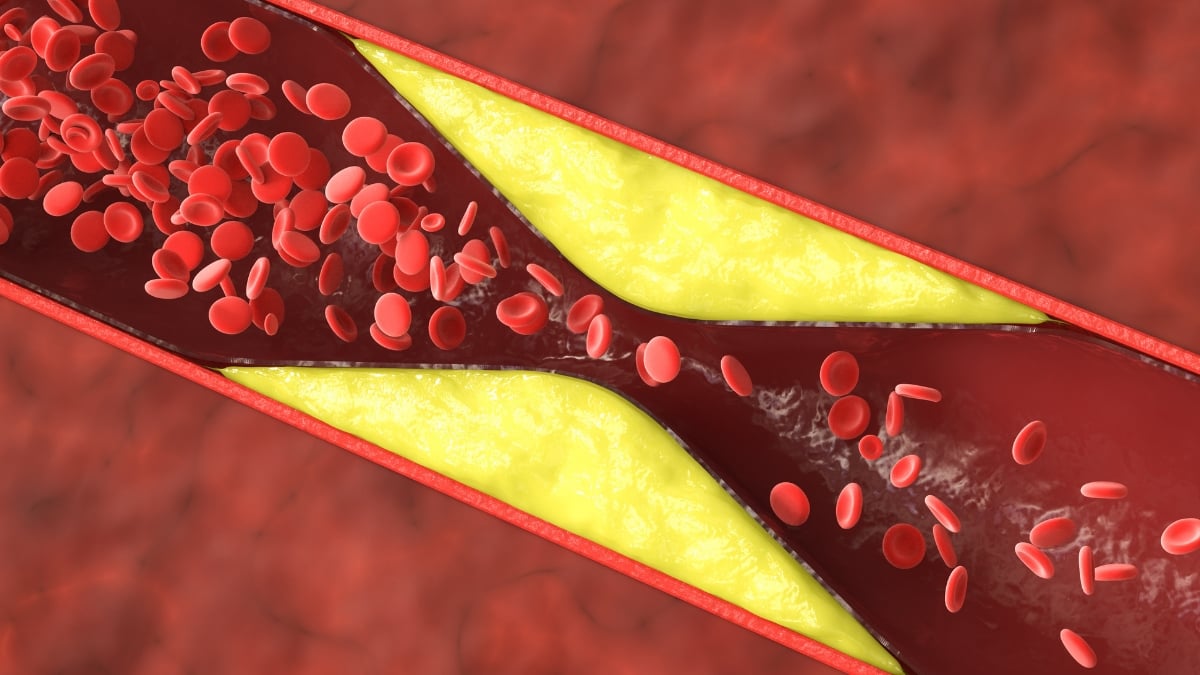
New research indicates that bacterial biofilms within arterial plaques may contribute to heart attacks by releasing bacteria that trigger immune responses and inflammation, potentially opening new avenues for prevention and treatment such as antibiotics or vaccines.
Mornings are a high-risk period for heart attacks and sudden cardiac deaths due to increased stress hormones, blood pressure, and platelet stickiness. Cardiologists advise taking precautions like hydration, timely medication, a protein-rich breakfast, and light activity to reduce morning heart risks.
While heart attack deaths have decreased by nearly 90% since 1970, chronic heart conditions like heart failure and arrhythmias are now the leading causes of death in the US, often progressing silently and requiring increased awareness and early detection.
A study suggests that if more Americans eligible for statins took them, over 139,000 heart attacks, strokes, and related deaths could be prevented annually, highlighting gaps in healthcare and the potential for significant public health improvements.