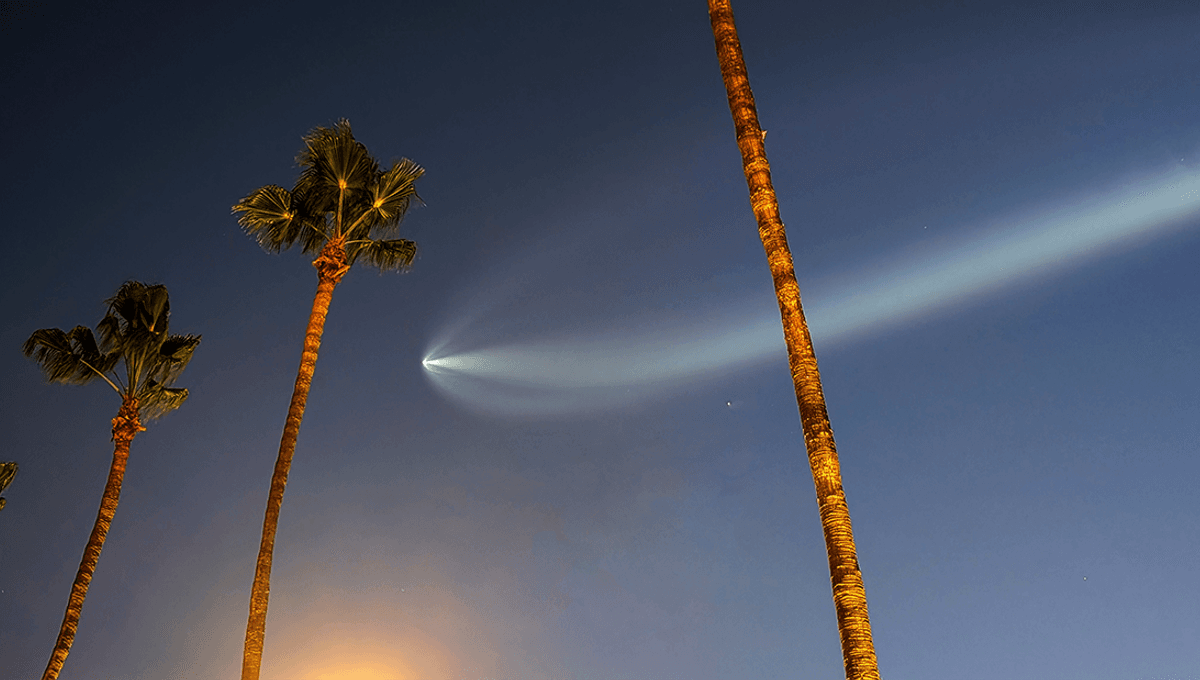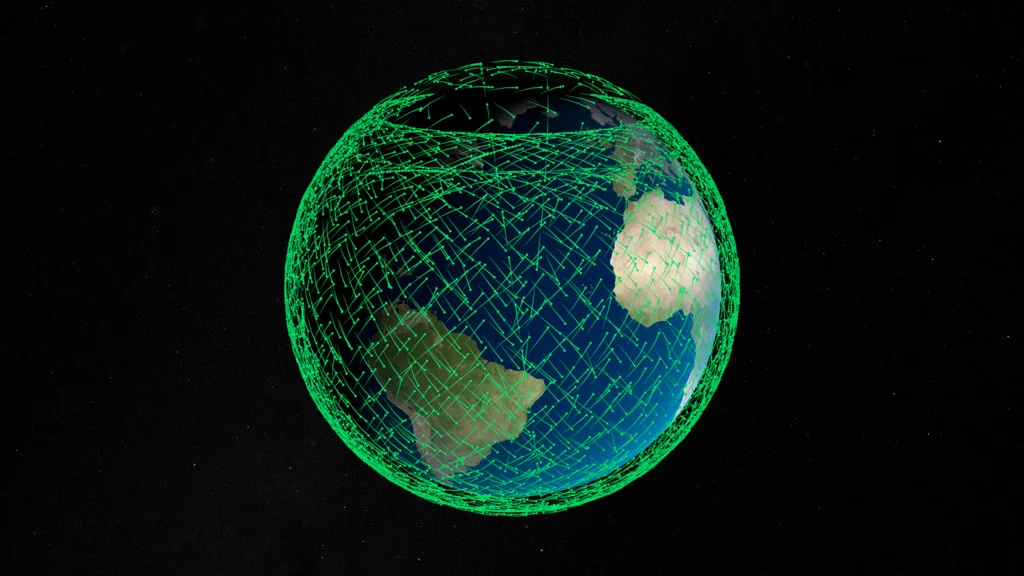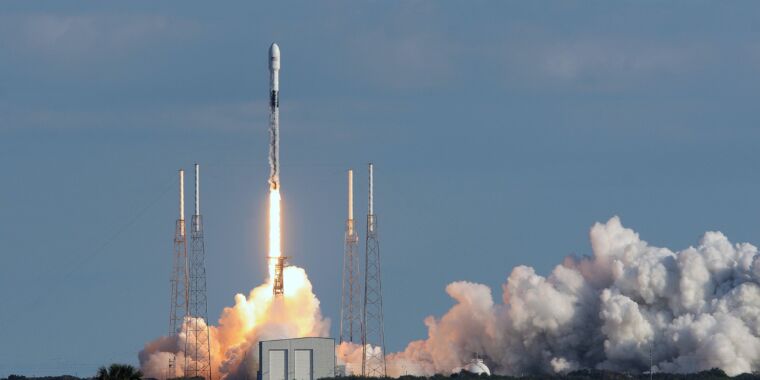
SpaceX plans to lower the orbits of about 4,400 Starlink satellites from 550 km to 480 km by 2026 to enhance space safety, reduce collision risks, and improve performance, amid recent satellite anomalies and international concerns over space debris and security.
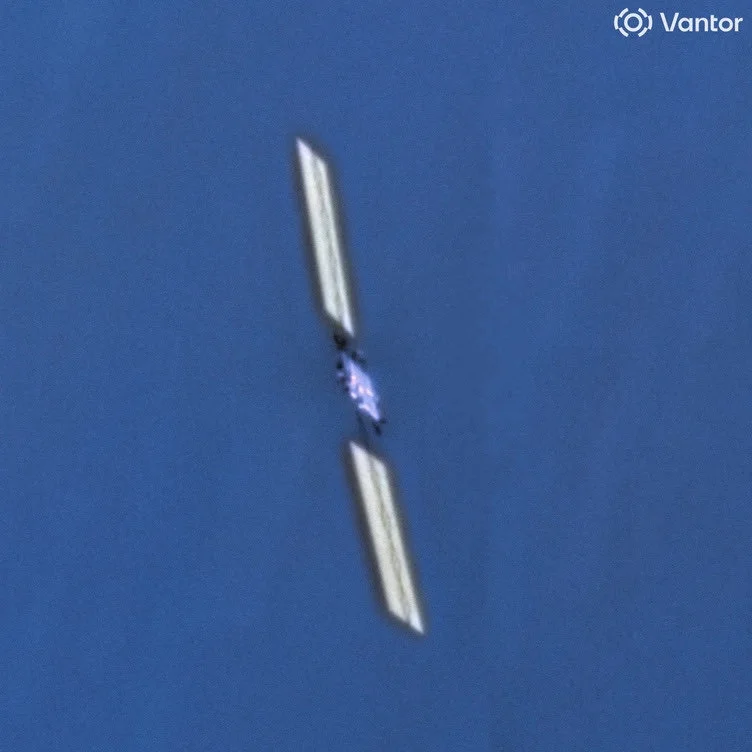
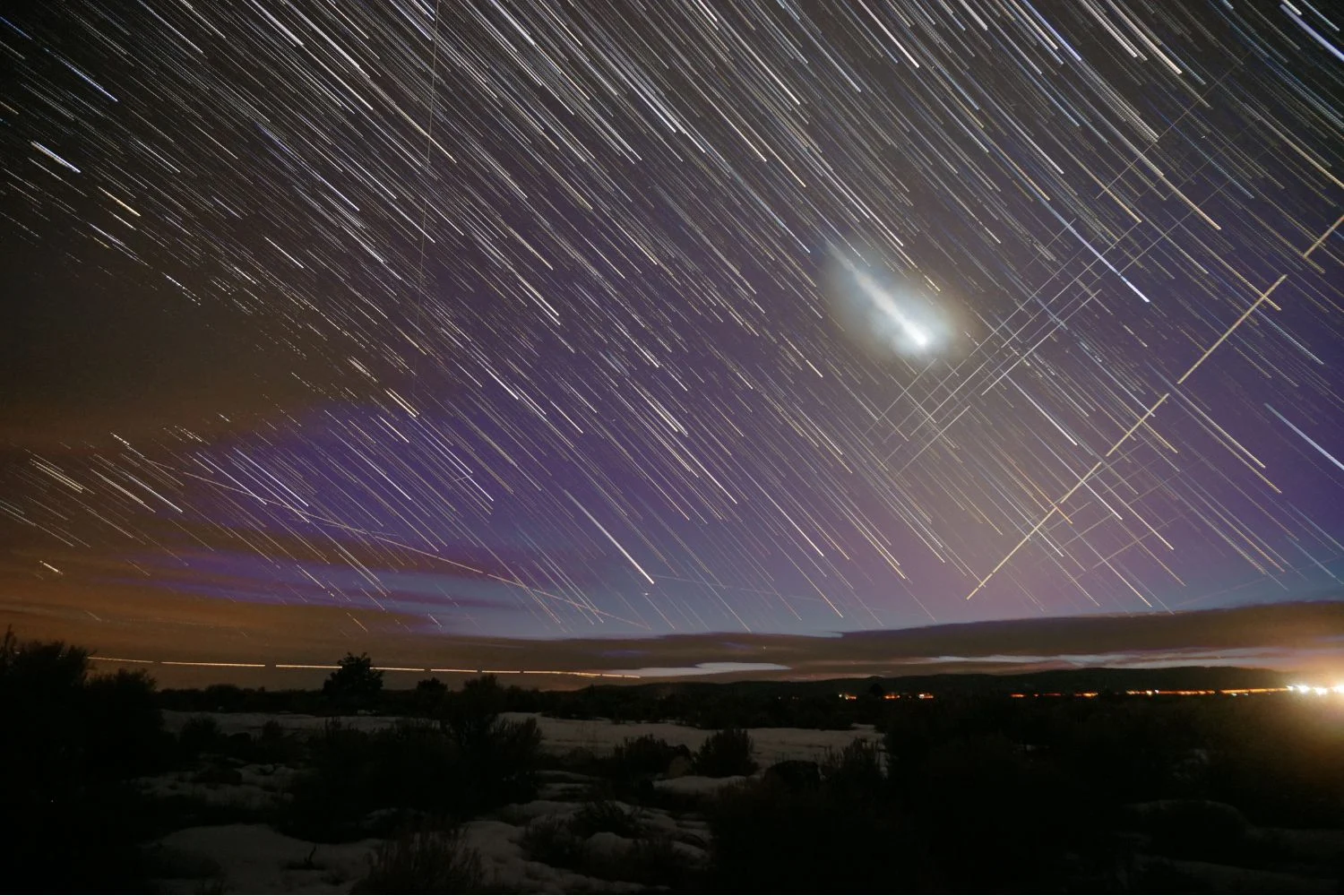
A Starlink satellite experienced an anomaly, vented propellant, and released debris into orbit, raising concerns about space debris and the risk of Kessler Syndrome, as the satellite is expected to reenter Earth's atmosphere within weeks.
A new study warns that the risk of catastrophic satellite collisions in Earth's orbit has increased significantly, with the 'CRASH Clock' now at just 2.8 days, indicating little time to prevent disaster from solar storms or satellite debris chain reactions, potentially leading to severe space and Earth-based consequences.
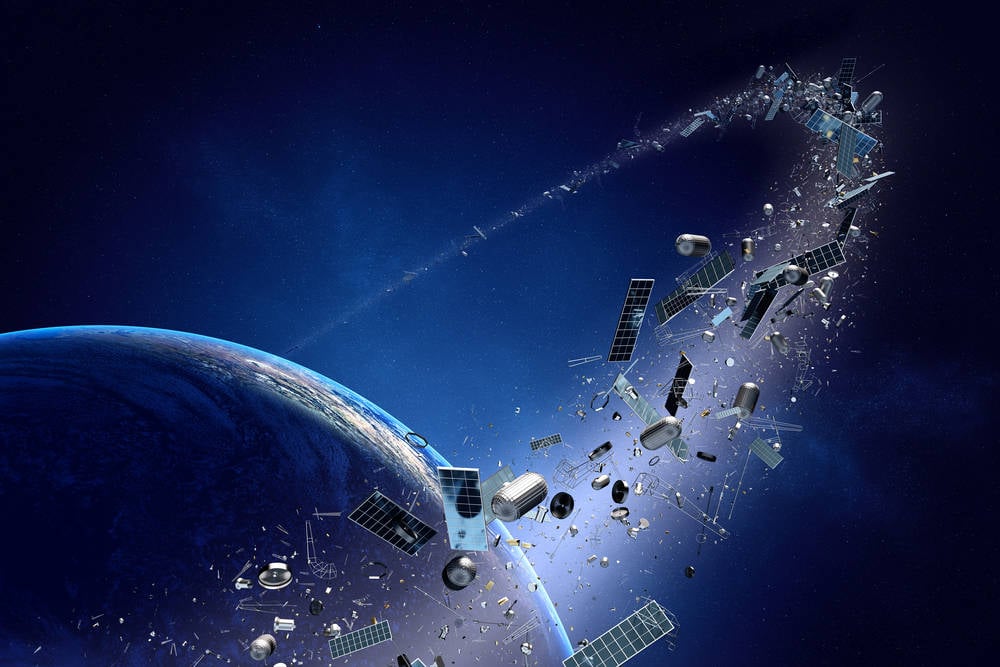
A new study warns that the increasing density of satellite mega-constellations in Low Earth Orbit creates a fragile system at risk of catastrophic collision, especially during solar storms, with potential for a rapid cascade of debris and loss of space access within days if control is lost. The paper emphasizes the urgent need for better management and risk assessment to prevent a future space debris catastrophe.
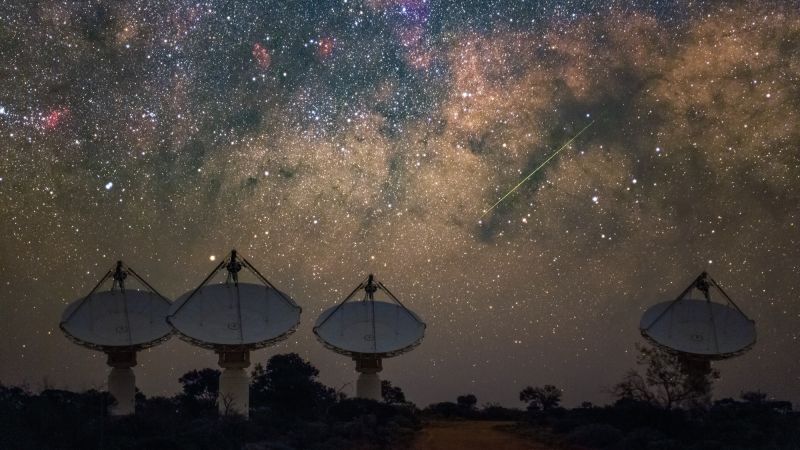
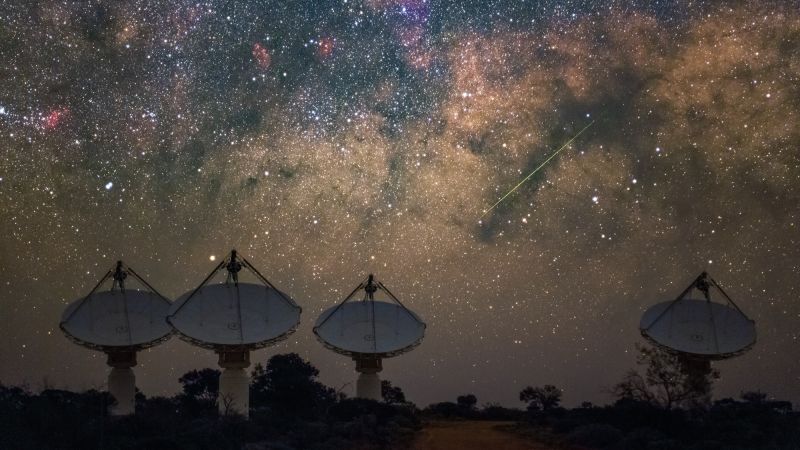
Astronomers in Australia detected a powerful radio signal near Earth, initially thought to be from an astronomical source, but later identified as a static electricity discharge from the long-dead satellite Relay 2, highlighting issues with space debris and the challenges it poses to astronomical observations.
Astronomers in Australia detected a powerful radio signal near Earth, initially thought to be from an astronomical source, but later identified as likely originating from static electricity buildup and discharge on an old, dead satellite (Relay 2) launched in 1964, highlighting challenges posed by space debris and the need for careful analysis to distinguish man-made signals from cosmic phenomena.
Astronomers in Australia detected a powerful radio signal near Earth, initially thought to be from an astronomical source, but later identified as a static electricity discharge from the old satellite Relay 2, highlighting issues with space debris and the challenges it poses to astronomical observations.
Elon Musk's Starlink satellites are increasingly being affected by solar storms caused by the Sun's activity, leading to faster-than-expected satellite re-entries and debris, especially during the solar maximum, highlighting the challenges of operating large satellite constellations in Earth's orbit.
Research indicates that increased solar activity shortens the lifespan of SpaceX's Starlink satellites and may cause them to reenter Earth's atmosphere at higher velocities, potentially increasing debris risks. The study highlights the impact of geomagnetic storms on satellite orbit and reentry, emphasizing the growing challenges of managing the increasing number of satellites in Earth's orbit.
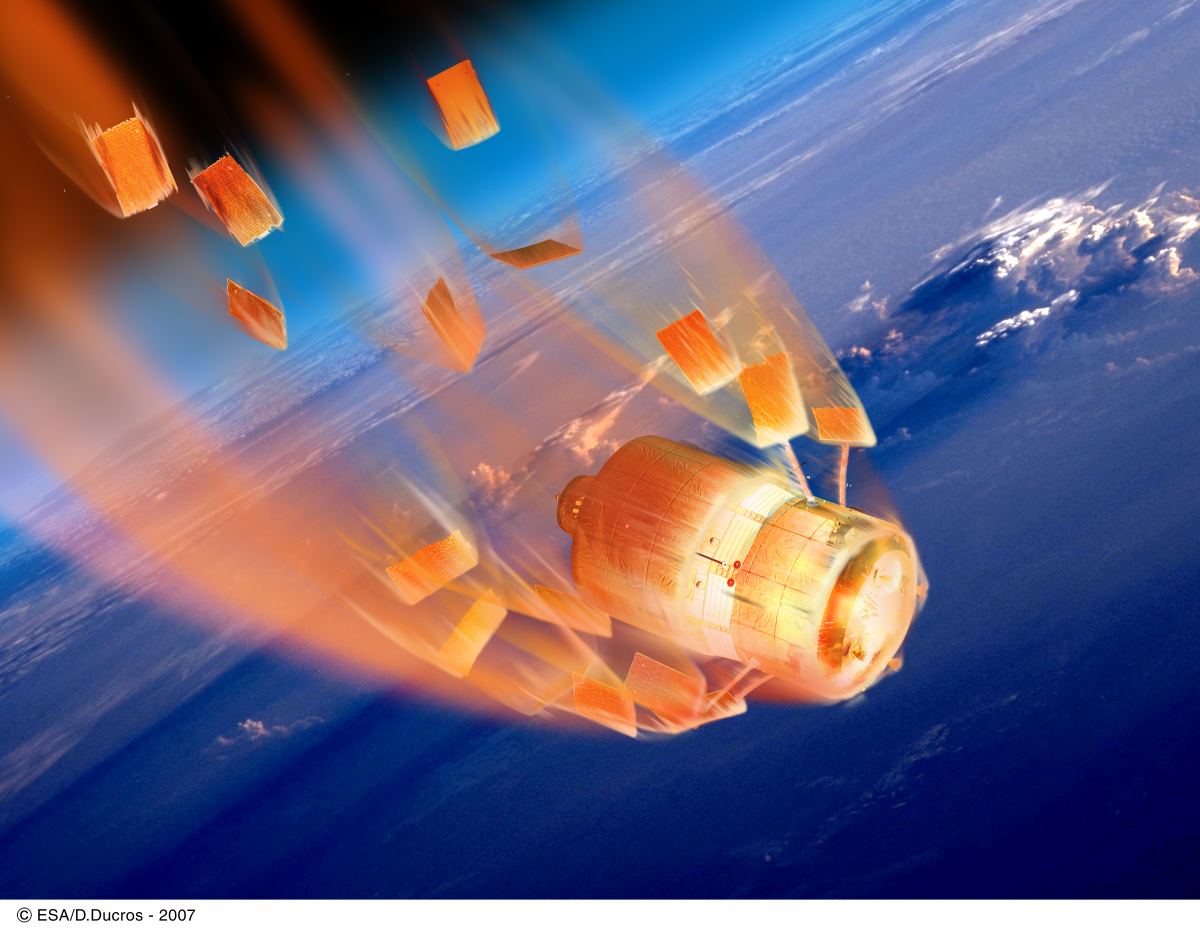
Satellites re-entering Earth's atmosphere pose a potential hazard due to heavy components like reaction wheels surviving the descent. The ESA is working on designing reaction wheels that will break up during re-entry to reduce the risk of striking Earth. Efforts also include the Design for Demise program to comply with Space Debris Mitigation requirements, as well as plans for active debris removal to clear congested Low Earth Orbit.
SpaceX has disputed a report by the Federal Aviation Administration (FAA) that claimed there is a risk of debris from its Starlink satellites falling to Earth. SpaceX alleges that the FAA's analysis is flawed and based on outdated information, arguing that its satellites are designed to burn up completely upon reentry. The FAA report, which commissioned an analysis from Aerospace Corporation, suggested a risk of falling debris from Starlink and potential harm to aircraft. SpaceX has requested that the FAA correct its report to Congress.
Japan's defense chief has ordered troops to activate missile interceptors and prepare to shoot down fragments from a North Korean military spy satellite that may fall on Japanese territory. North Korea has test-fired about 100 missiles since early last year, and last week, it test-launched a solid-fueled intercontinental ballistic missile for the first time. Japan is making necessary preparations because of the possibility of issuing an order to destroy ballistic missiles and other objects.