This weekend, sky-gazers can view August's sturgeon moon at its peak, along with planets Venus and Jupiter, and upcoming meteor showers. Additionally, 2025 will feature four more full moons, including supermoons, and notable lunar and solar eclipses in September.
Fred Espenak, renowned astrophysicist known as Mr. Eclipse for his lifelong dedication to studying and documenting solar eclipses, passed away at 73. Over five decades, he witnessed 52 eclipses, authored key books, and worked with NASA to make eclipse data accessible to the public. His passion for eclipses shaped his career, personal life, and community, inspiring many to appreciate the cosmos.
Solar eclipses occur more frequently than commonly thought, with about two to five happening per year, but their rarity for a specific location makes them seem infrequent. Scientists use orbital mechanics and Newton's laws of motion to predict the occurrence of eclipses, with the next visible one in parts of the U.S. set for 2044. NASA provides a helpful website for tracking future solar eclipses.
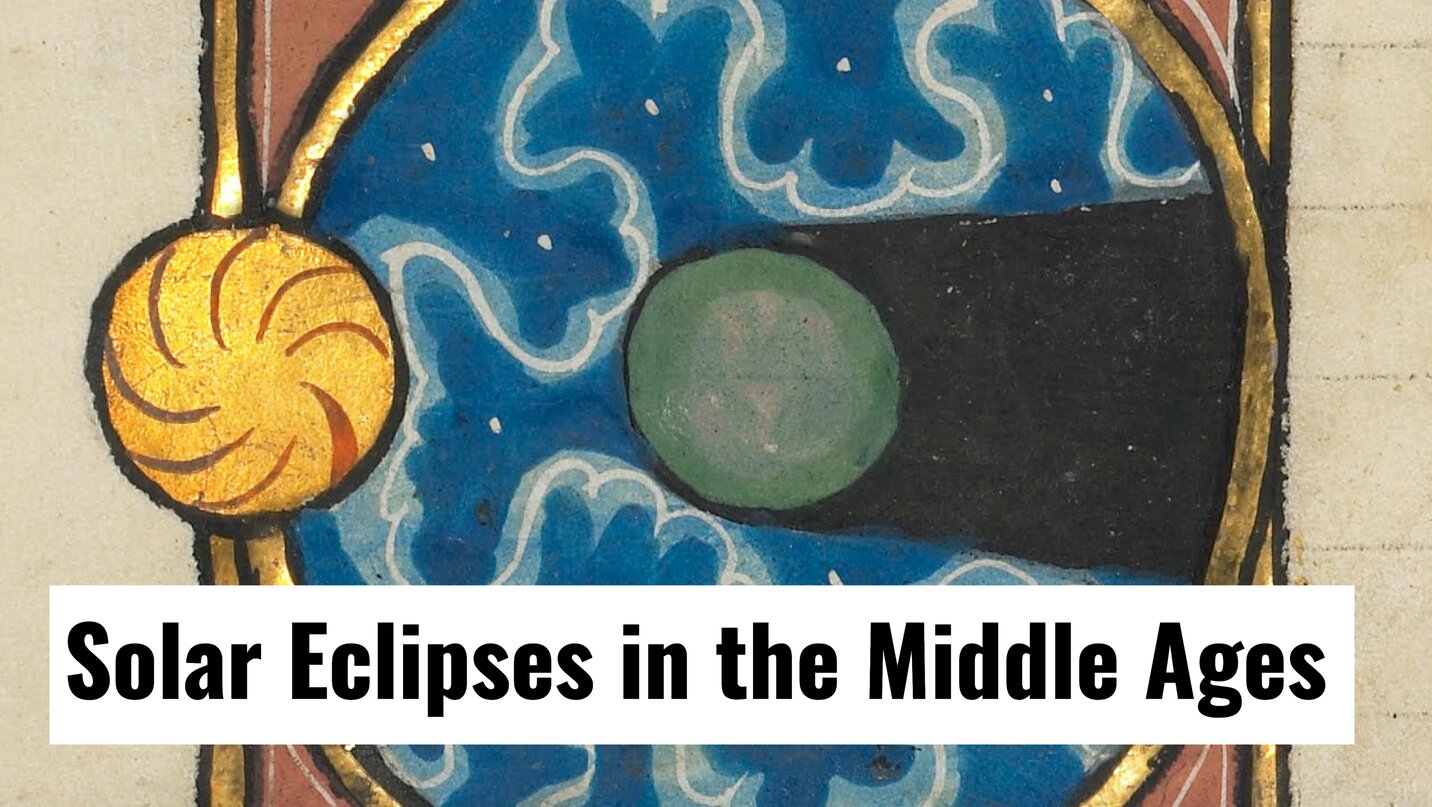
Solar eclipses were significant natural phenomena in the Middle Ages, with ten accounts from around the medieval world providing insights into how people described and reacted to them. These accounts range from scientific observations to interpretations of the eclipses as omens foretelling great events. They offer details such as the color and duration of the eclipses, as well as the reactions of people and animals. These historical records provide valuable information about medieval perceptions of celestial events and their impact on society.
The ancient Maya were skilled astronomers who meticulously recorded celestial observations and developed a sophisticated calendar system. Solar eclipses were seen as a sign of heavenly battles, with the Sun god associated with prosperity and the morning star linked to war and discord. The Maya believed that eclipses signaled possible cataclysmic destruction and performed renewal rituals, including bloodletting sacrifices, to restore balance. The upcoming solar eclipse on April 8, 2024, will be visible from ancient Maya lands, continuing a tradition of sky-watching that has connected people across time and cultures.
January's full "wolf moon" will be visible through Friday evening, with various Native American tribes having different names for it. Other celestial events to look forward to in 2024 include supermoons, lunar and solar eclipses, and meteor showers. Notably, a total solar eclipse on April 8 will be visible in Mexico, the United States, and Canada, while a penumbral lunar eclipse will be visible across several continents between March 24 and 25. Additionally, several meteor showers are expected to peak throughout the year.
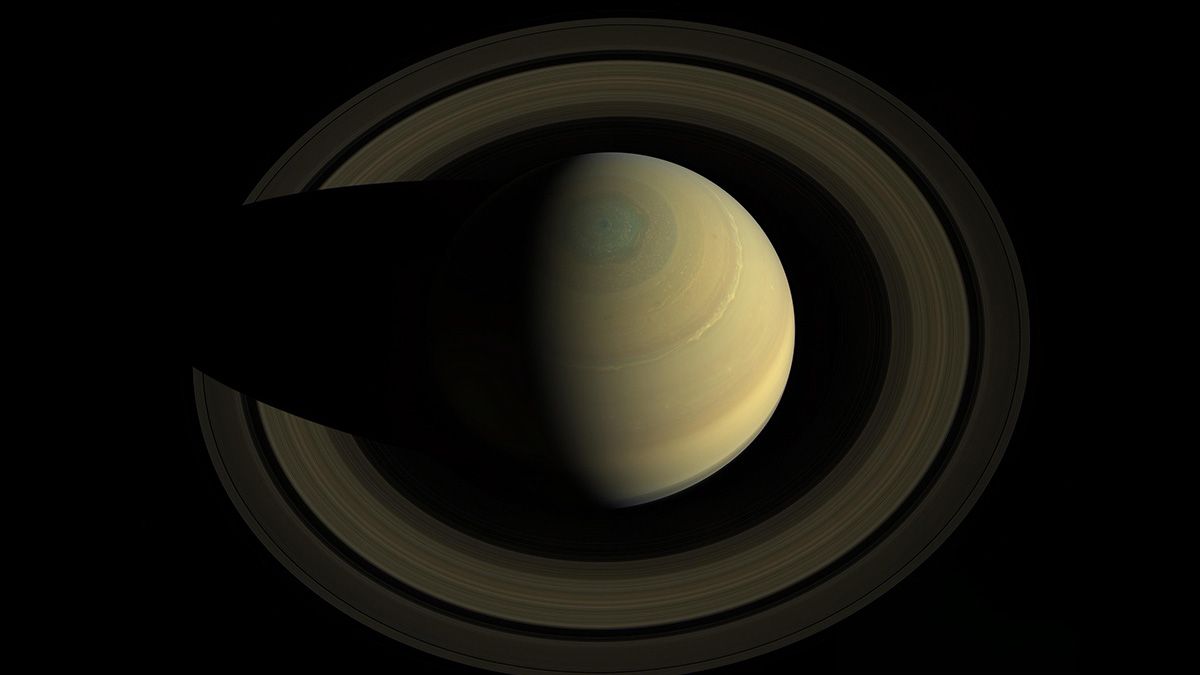
The long-dead Cassini spacecraft, which conducted an extensive survey of Saturn and its rings before plunging into the planet's atmosphere in 2017, has shed new light on the optical depth of Saturn's rings. By analyzing data captured during solar eclipses observed by Cassini, scientists were able to measure the transparency of the rings. The study found that the maximum thickness of the rings is only one kilometer, despite extending out to 140,000 kilometers from the planet. The iconic rings are set to disappear from view from Earth by 2025 but will only be absent for a few months.
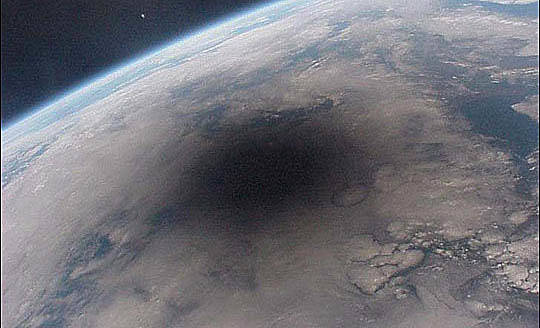
Saturday's annular solar eclipse will cause changes in temperature, wind speed, and humidity on Earth's surface as the moon passes in front of the sun, casting a shadow. The extent of these changes depends on the amount of sunlight blocked, with annular eclipses allowing slightly more solar radiation to reach the Earth's surface compared to total eclipses. Factors such as the time of year and cloud cover also influence the magnitude of temperature drops. Additionally, an eclipse can affect wind speed, humidity, and cloud cover, as the quick cooldown during the event reduces heat stored in the atmosphere, leading to calmer winds and potentially altering cloud formation.
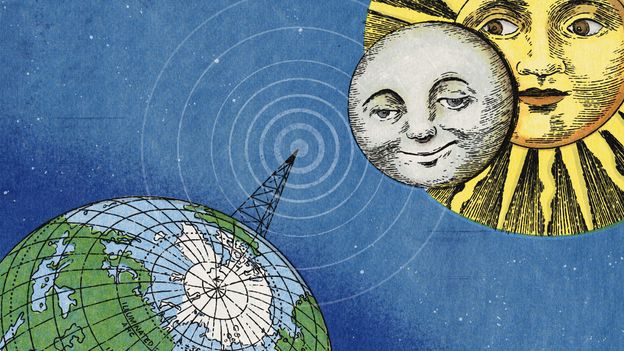
Solar eclipses can have a temporary impact on Earth's upper atmosphere, specifically the ionosphere. The decrease in solar radiation during an eclipse leads to changes in ionization, temperature, electron density, and the formation of ionospheric anomalies. These changes can affect radio communications and navigation systems, causing disruptions in the region where the eclipse is passing. However, these effects are temporary and localized, and the ionosphere returns to its normal state after the eclipse. Solar eclipses provide an opportunity for researchers to study the ionosphere and improve our understanding of its dynamics.
Amateur radio enthusiasts are teaming up with scientists to investigate the effects of solar eclipses on radio transmissions. Solar eclipses have been known to impact radio signals, and the amateur radio community is planning to conduct a large-scale experiment during the upcoming American eclipses in October 2023 and April 2024. By monitoring their experiences and sharing data with scientists, these volunteers aim to contribute to our understanding of the ionosphere and how it fluctuates during cosmic events. The experiment will provide valuable insights for improving radio communications during emergencies and satellite operations.
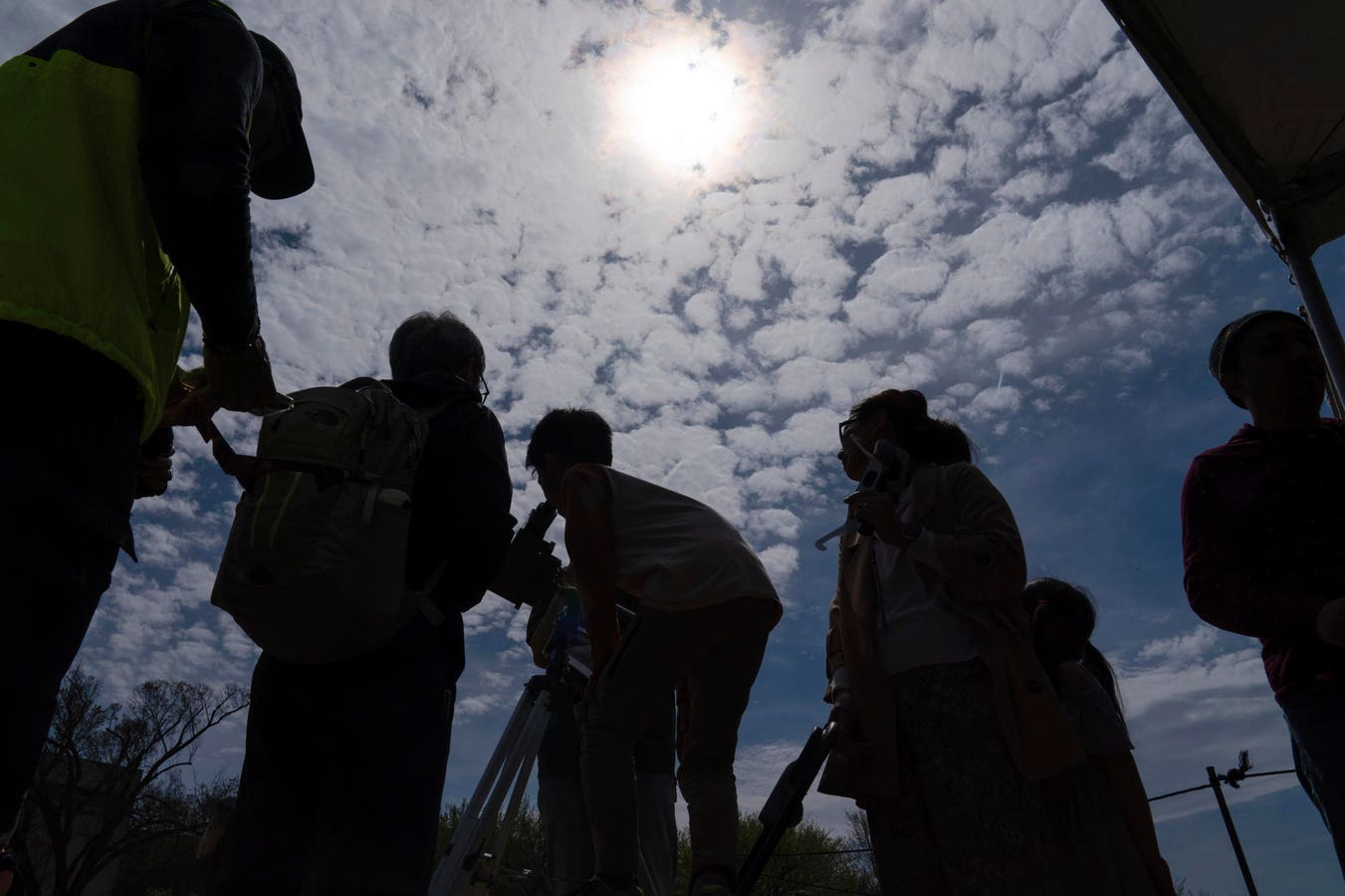
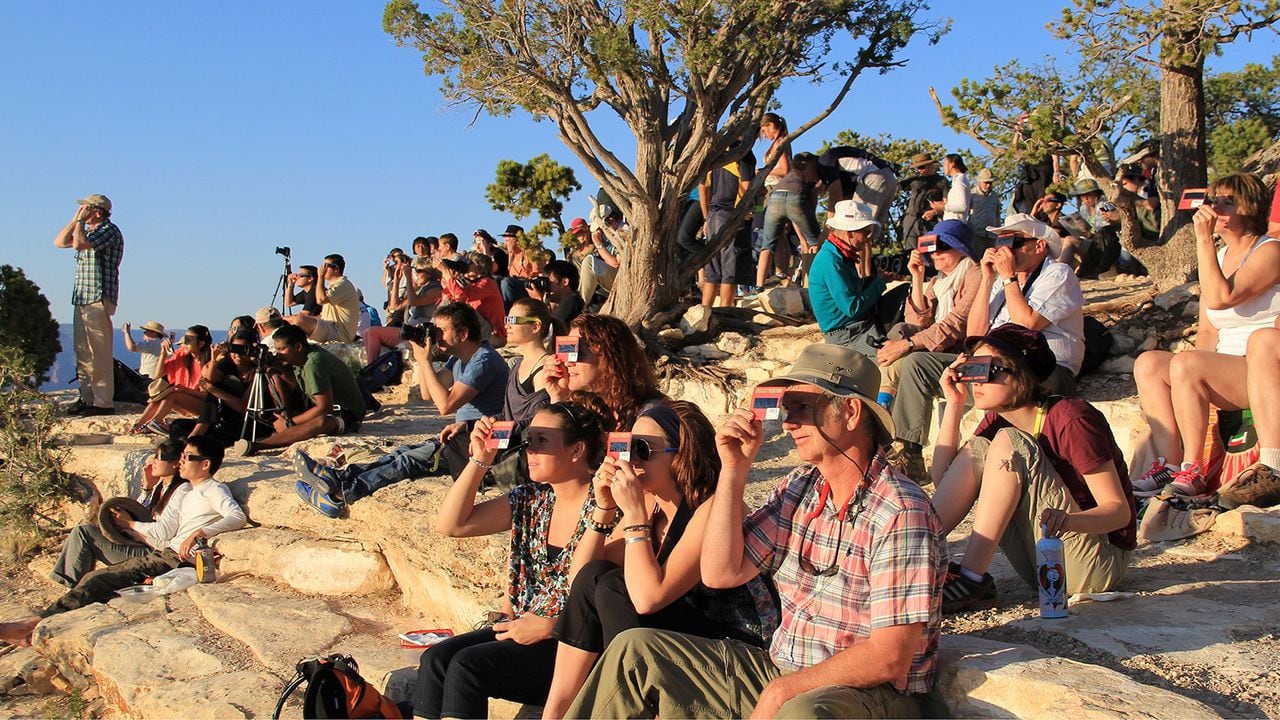
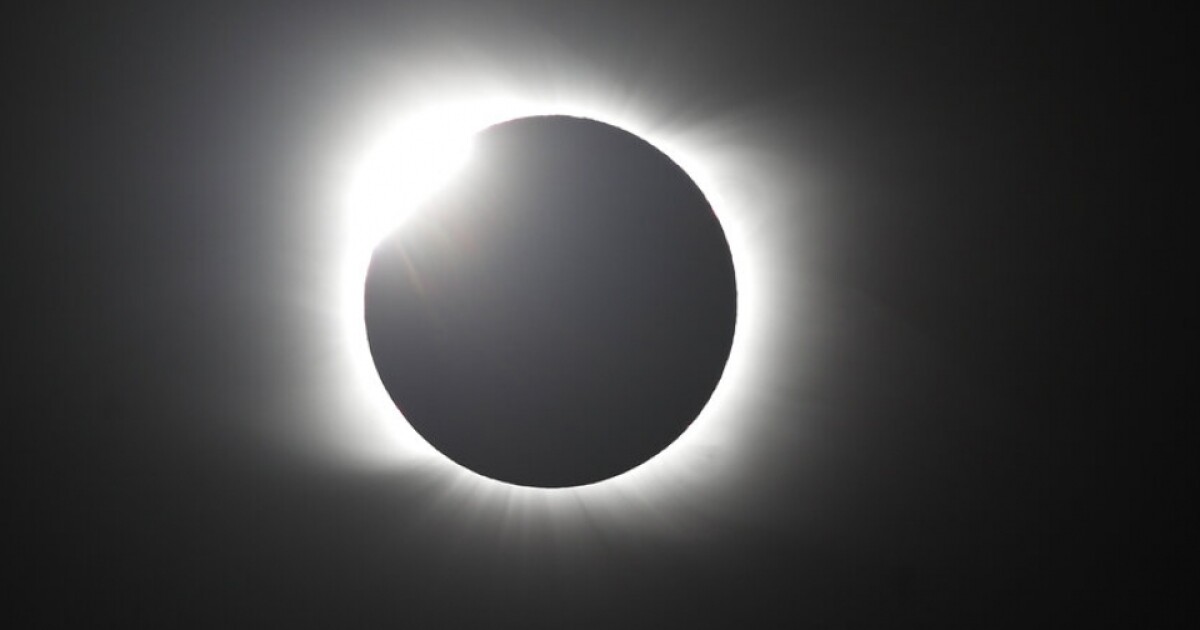
Two significant solar eclipses are set to occur between now and next spring. On October 14, 2023, an annular solar eclipse will cross North, Central, and South America, producing a "ring of fire" effect. Although Michigan is not directly in the path of this eclipse, it will still experience a "crescent sun" effect. Then, on April 8, 2024, a total solar eclipse will pass over Mexico, the United States, and Canada, with southeastern Michigan just outside the path of totality. Skywatchers in that area will still witness the sun 99% obscured by the moon. It is important to use specialized eye protection when viewing these eclipses.
Southern Texas will experience two solar eclipses within six months, with an annular solar eclipse on October 14, 2023, followed by a total solar eclipse on April 8, 2024. This rare occurrence is considered celestial good luck, as there are typically hundreds of years between total solar eclipses in a given location. The Texan 'Two Eclipse' square, measuring 120 miles on each side, will witness both the 'ring of fire' and totality. Prime locations to view both eclipses include Rocksprings, Junction, Fredericksburg, and Uvalde. The Texas Hill Country offers beautiful scenery and activities for eclipse-chasers, with Garner State Park and South Llano River State Park hosting events. The next annular solar eclipse in this region will occur in 217 years, while the next total solar eclipse is set for May 26, 2617.
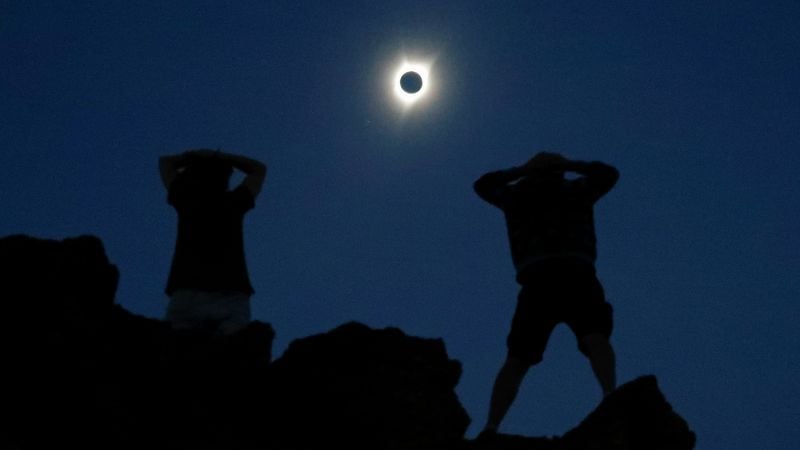
NASA has released maps showing the paths of two upcoming solar eclipses. On Oct. 14, an annular solar eclipse will be seen from the Texas Gulf Coast to the Oregon Pacific Coast. A total solar eclipse will occur on April 8, 2024, and residents along a 100-mile-wide swath from the Texas/Mexico border all the way up to Maine can see it. Dallas, Indianapolis, Cleveland, and Buffalo will be among the areas to experience a total solar eclipse. San Antonio's western suburbs will be among the fortunate few to see both eclipses at their peaks.