The article explains the origins and significance of full moon names, many of which date back to Native American and European traditions, and provides a detailed calendar of full moon dates for 2026 with their cultural meanings and associated natural events.
In 2026, there will be 13 full moons, including three supermoons and two lunar eclipses, with notable events like a Blue Moon in May and a Blood Moon total lunar eclipse in March. The article provides dates and details for each full moon and eclipse, along with information on lunar phases and celestial viewing tips.
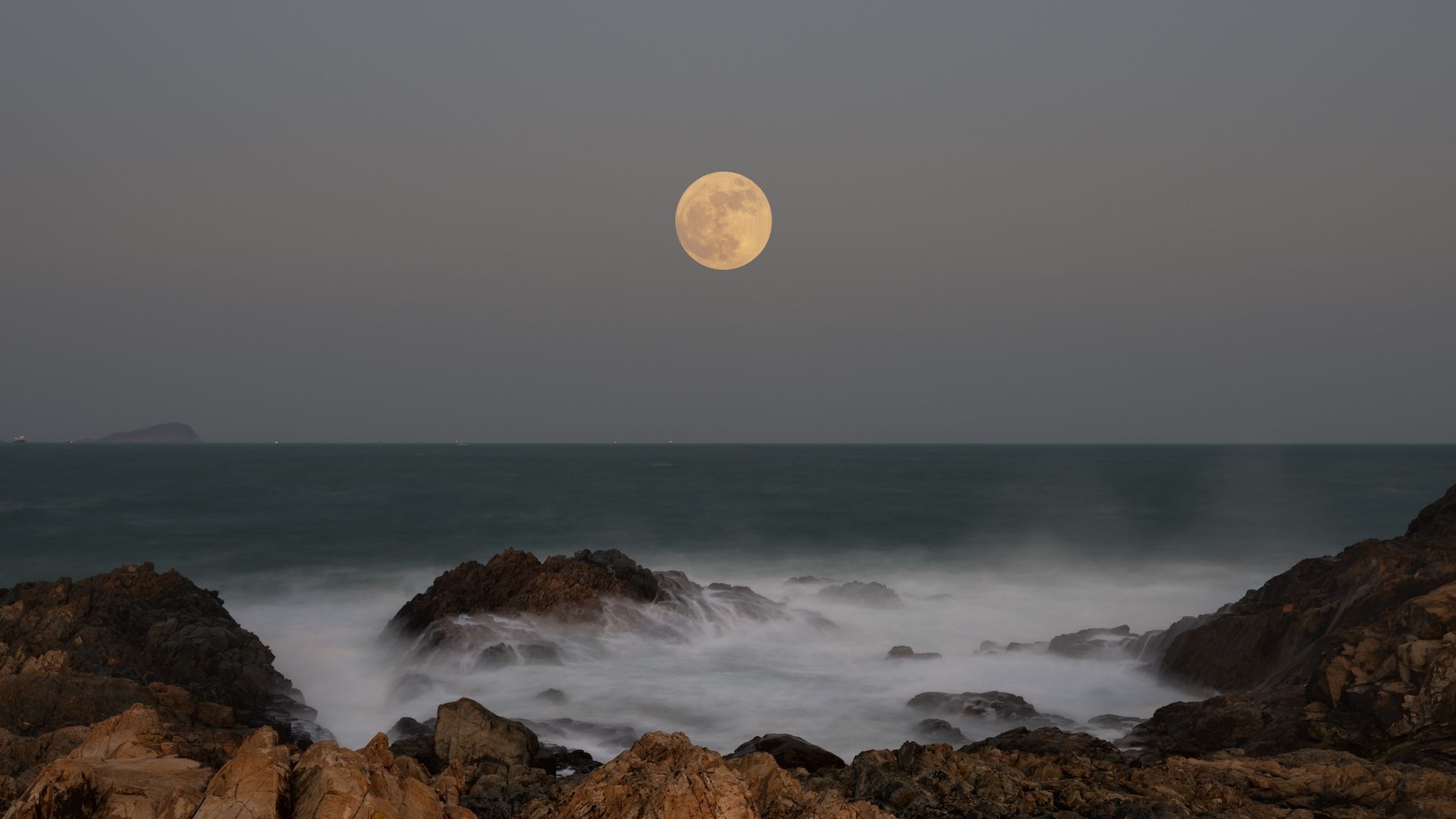
This weekend, sky-gazers can view August's sturgeon moon at its peak, along with planets Venus and Jupiter, and upcoming meteor showers. Additionally, 2025 will feature four more full moons, including supermoons, and notable lunar and solar eclipses in September.
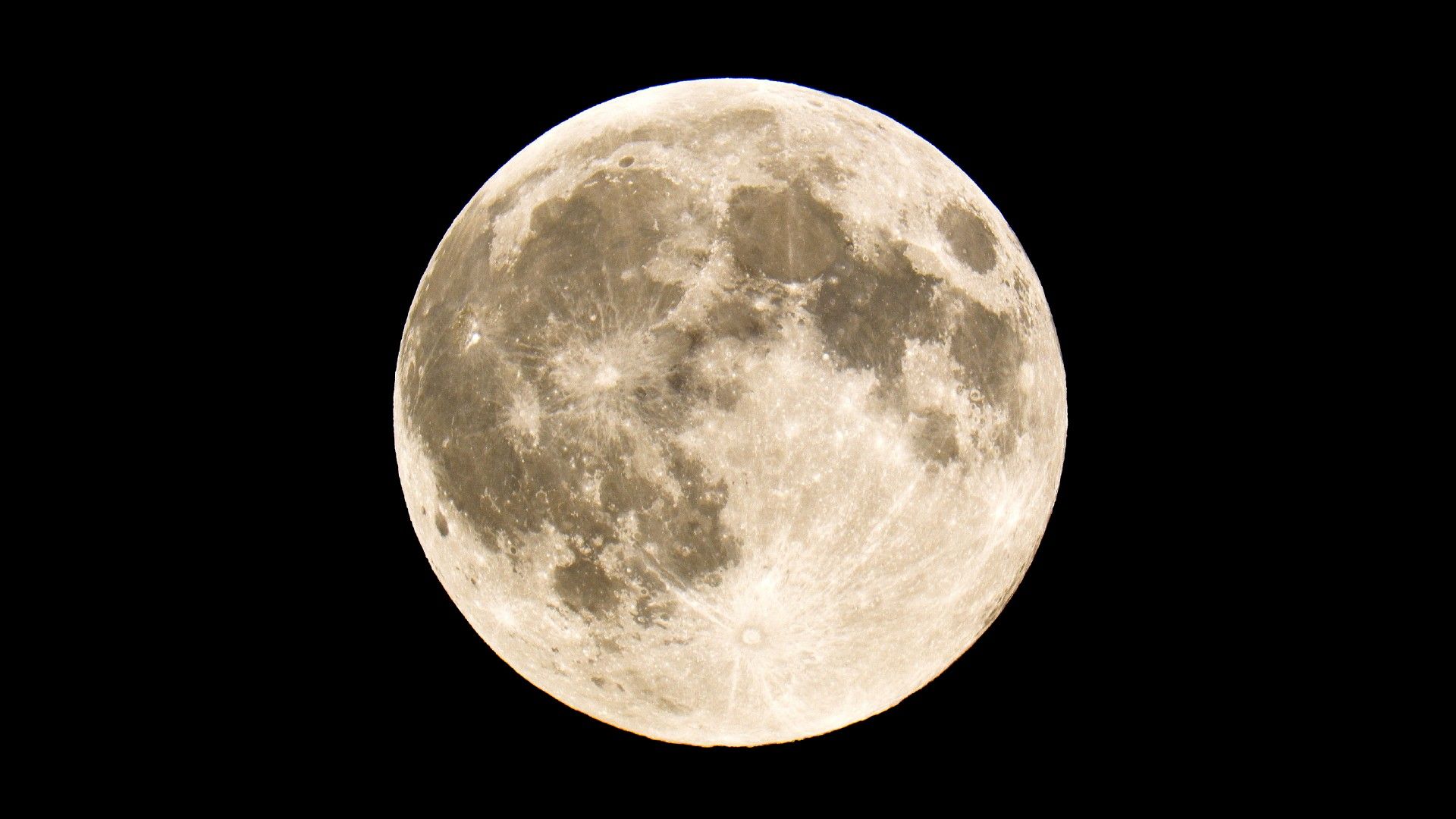
Watching the Moon reveals key scientific facts: Earth is round, not flat; its shadow during lunar eclipses is spheroidal; the Moon's orbit is elliptical, causing variations in its apparent size; Earth’s reflectivity can be gauged through Earthshine on the Moon; and the Moon's surface features, like mountains and craters, are visible during eclipses. These observations have helped us understand Earth's shape, the Moon's orbit, and Earth's reflectivity.
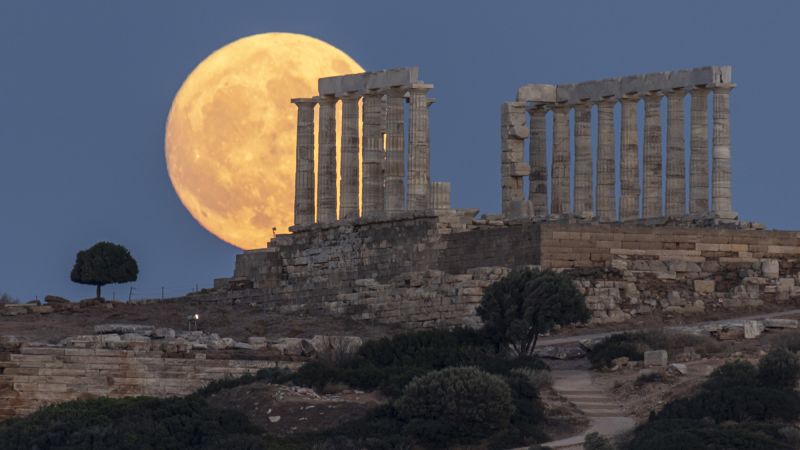
The July full moon, known as the buck moon, will reach peak illumination on Thursday, with the best viewing times a few hours after sunset, especially in areas with clear eastern horizons. The moon's name reflects the antler growth of male deer during this period, and other indigenous names highlight seasonal changes. Additionally, upcoming celestial events include visible planets Venus, Jupiter, and Mars, as well as significant lunar and solar eclipses in September, marking notable moments in space observation for 2025.
This video guide from CNN Business explains the different versions of lunar eclipses and offers insights into the varied perspectives they provide, providing viewers with a better understanding of the moon in shadow.
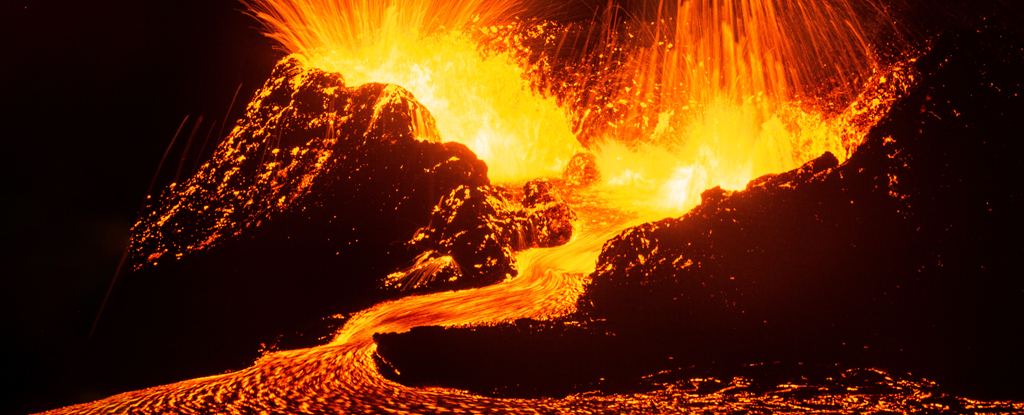
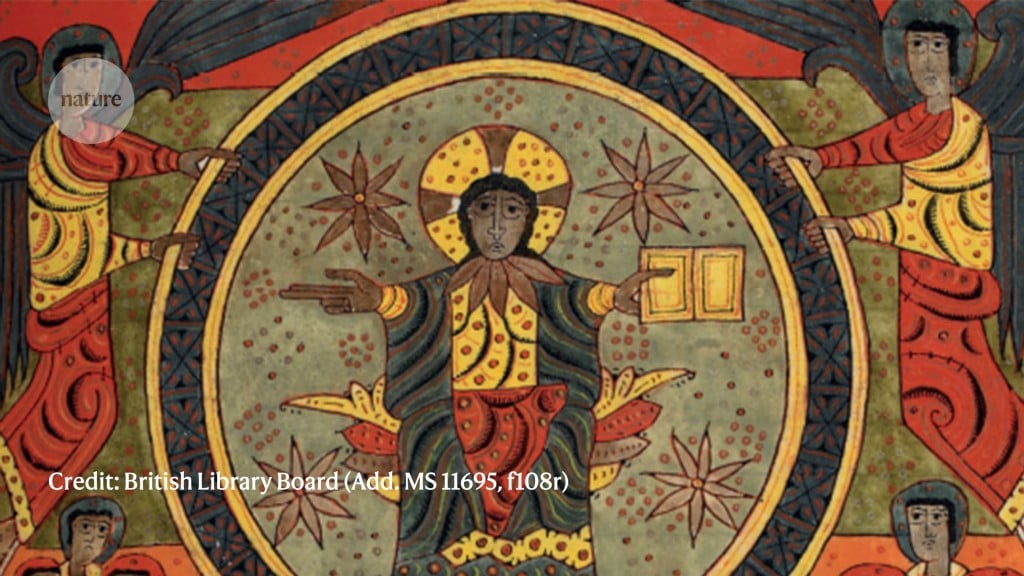
Researchers have found a new way to learn about historical volcanic eruptions by studying descriptions of lunar eclipses in medieval manuscripts. By compiling hundreds of records of lunar eclipses from across Europe, the Middle East, and Asia, the researchers were able to estimate the timing of the eruptions more precisely than from previous ice core records. The study also sheds light on the potential impact of volcanic eruptions on the climate during the European Middle Ages and their role in the transition to the Little Ice Age.
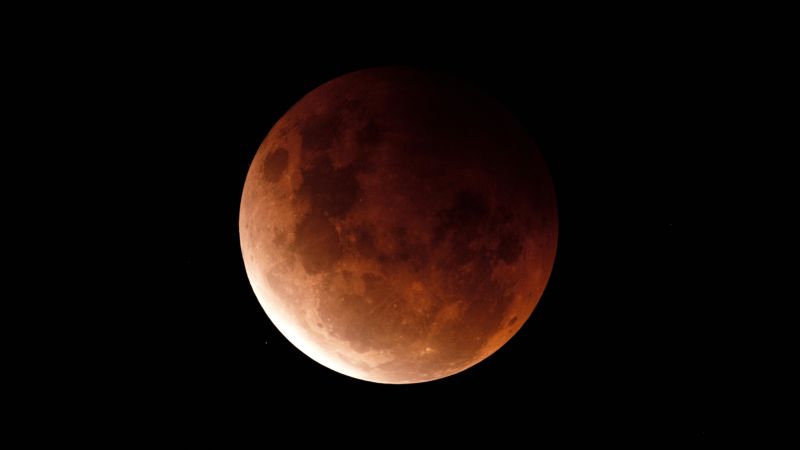
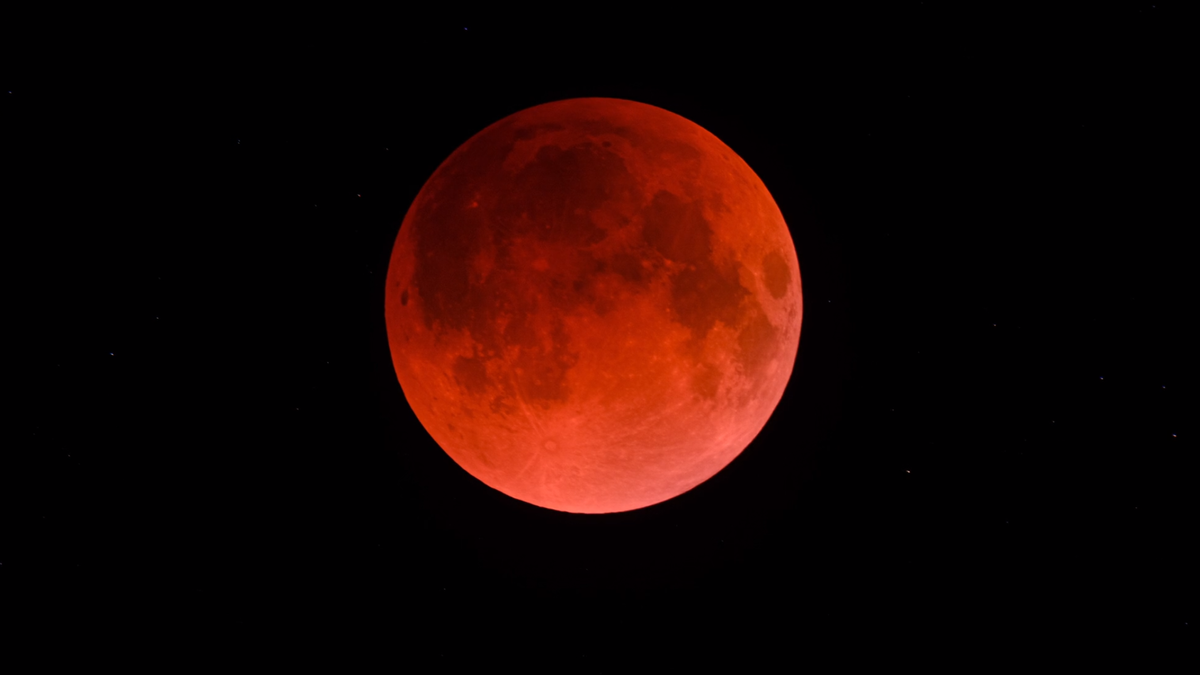
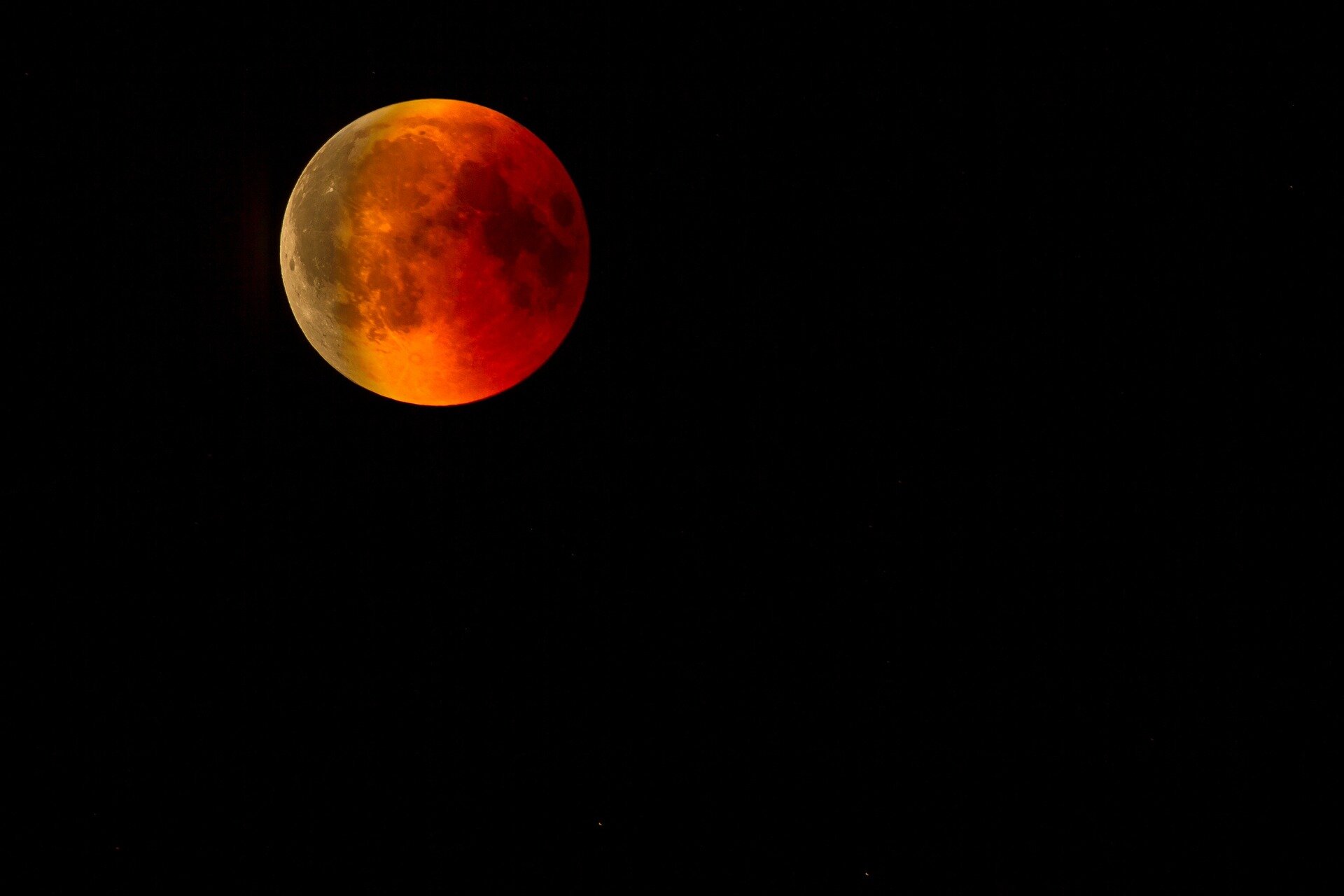
Medieval records of lunar eclipses may help reveal vital clues about the volcanic eruptions that may have triggered the Little Ice Age in Europe, according to a new study. The researchers suggest that these records can help estimate the strength of the effect volcanic eruptions had on the stratosphere and therefore global climate. By examining the color and brightness of total lunar eclipses in ancient texts, the researchers could estimate the year and, in some cases, even the month of volcanic eruptions. This improved dating of major volcanic eruptions is "crucial for accurately quantifying the impact of these eruptions on climate," the researchers said.
Medieval accounts of lunar eclipses, including descriptions of Moon coloration and darkness, have helped scientists pinpoint the timing and impact of volcanic eruptions from 1100 to 1300. The research corroborates data from ice cores and could aid in understanding the Little Ice Age and the potential impacts of solar geoengineering. The study highlights the value of combining historical records with other methods to understand past climate events.
Medieval monks recorded the brightness and color of lunar eclipses, which helped researchers accurately date some of the biggest volcanic eruptions in history. The eruptions, which occurred between 1100 and 1300, were responsible for the vanishing moon and cooling summer temperatures, which could bring ruin to agricultural crops. The collective effect of the medieval eruptions on Earth's climate may have led to the Little Ice Age. The findings are significant as the interval from 1100 to 1300 is known to be one of the most volcanically active periods in history.