Tag

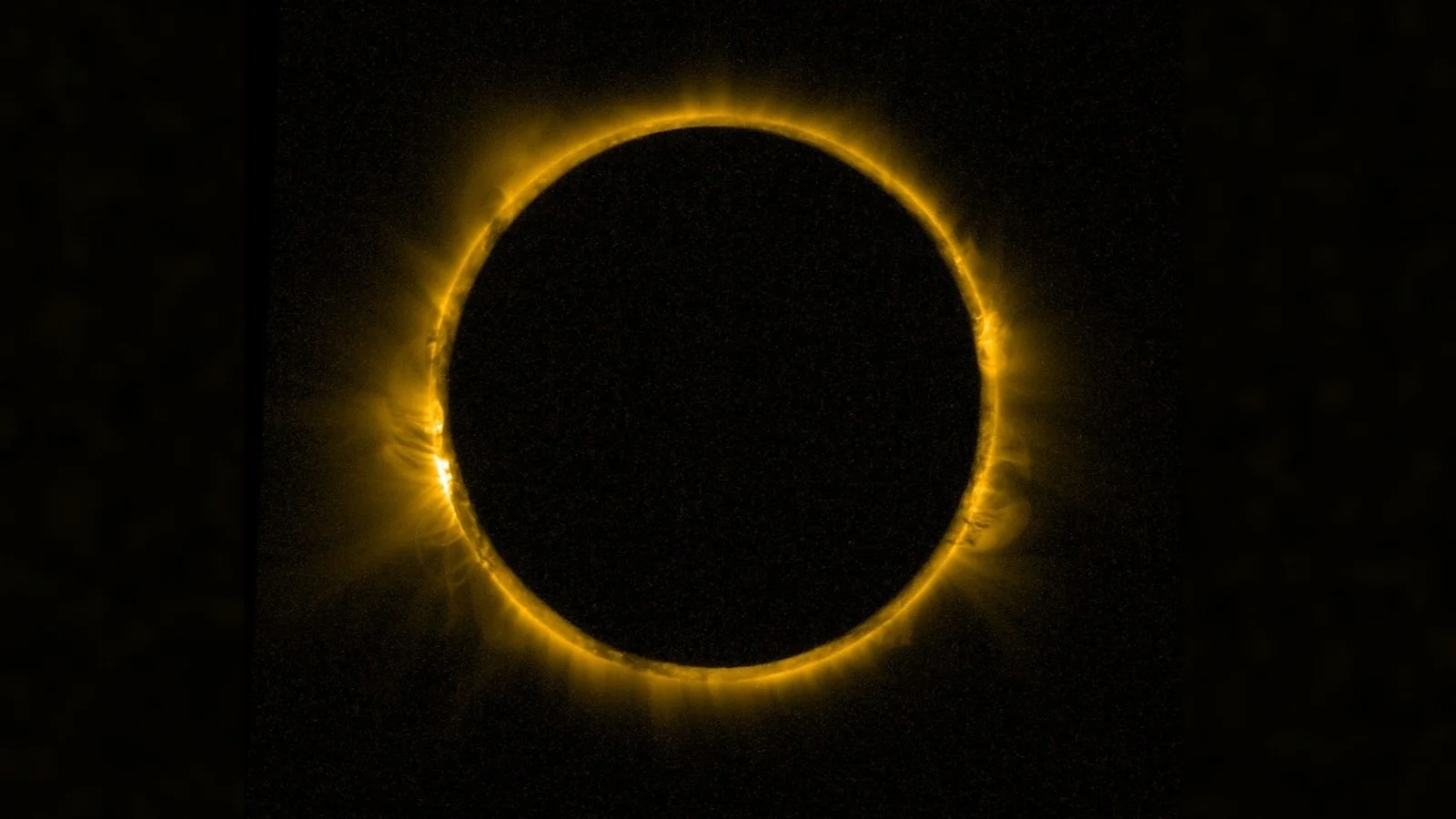
Annular Solar Eclipse

All articles tagged with #annular solar eclipse

"NASA's Breathtaking View: Annular Solar Eclipse Captured from Space"

Originally Published 2 years ago — by Fox News

Featured image for "NASA's Breathtaking View: Annular Solar Eclipse Captured from Space"
Source: Fox News

NASA has released a stunning image of Earth taken from space during an annular solar eclipse that occurred on October 14. The image, captured by NASA's EPIC imager aboard the Deep Space Climate Observatory, shows North America completely covered in darkness as the moon passes in front of the sun. The annular eclipse, also known as the "ring of fire," was visible in several states in the U.S. and hasn't happened since 2012. The next scheduled occurrence in the U.S. is on June 21, 2039.

"Satellites Capture Stunning Annular Solar Eclipse Sweeping Across the U.S."

Originally Published 2 years ago — by Space.com

Featured image for "Satellites Capture Stunning Annular Solar Eclipse Sweeping Across the U.S."
Source: Space.com

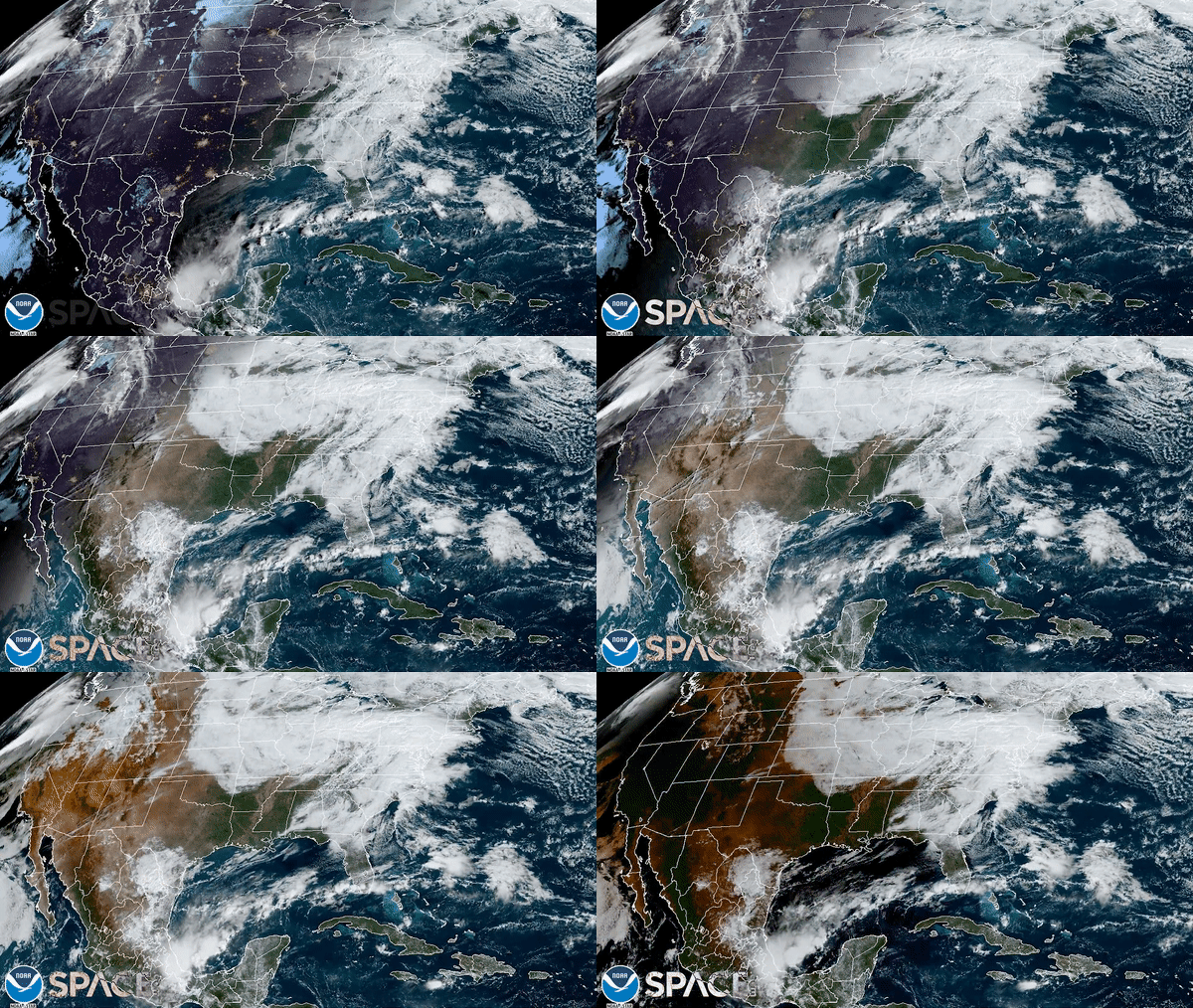
Earth-observation satellites, including NOAA's GOES-East and GOES-West, captured the annular solar eclipse that occurred on October 14, 2023. The satellites observed the moon passing in front of the sun, creating a dark shadow that swept over the Earth's surface. The eclipse started in Oregon and moved across several states before disappearing over the Atlantic Ocean. The event served as a warm-up for the total solar eclipse that will be visible from the U.S. on April 8, 2024.

"Massive Crowds Gather for Spectacular Solar Eclipses in Bryce Canyon and Oxford"

Originally Published 2 years ago — by KUTV 2News

Featured image for "Massive Crowds Gather for Spectacular Solar Eclipses in Bryce Canyon and Oxford"
Source: KUTV 2News

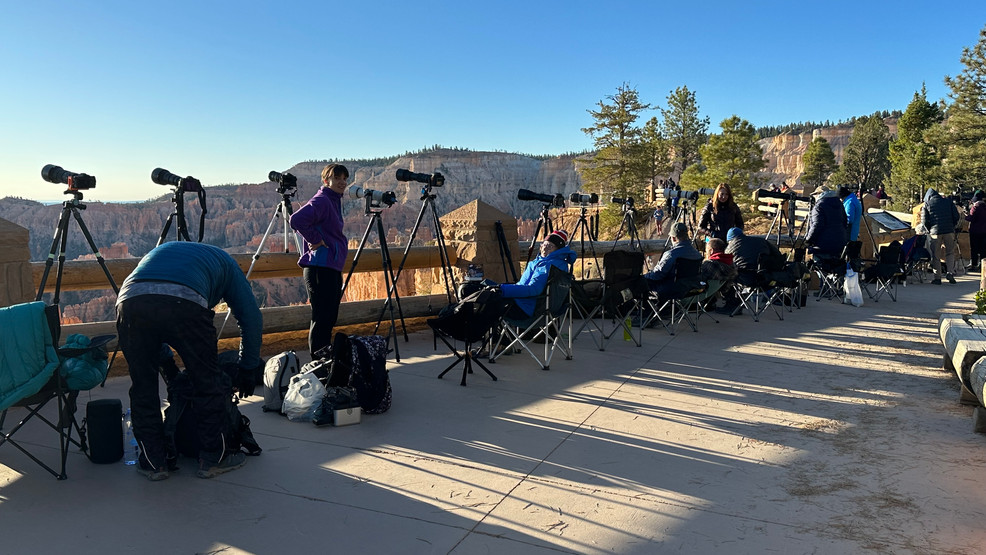
Thousands of people flocked to Bryce Canyon National Park in Utah to witness the annular solar eclipse, which was not dead-center or symmetrical but still considered a full annular eclipse. Visitors were awestruck by the beauty of the park and the eclipse, describing it as emotionally moving and unlike anything they had seen before. Officials expected the number of visitors to exceed the 10,000 who came for a previous annular eclipse in 2012. The next solar eclipse visible from Utah will be a total eclipse in August 2046.

"Rare 'Ring of Fire' Solar Eclipse: Watch, Feel, and Capture the Spectacle"

Originally Published 2 years ago — by WESH 2 Orlando

Featured image for "Rare 'Ring of Fire' Solar Eclipse: Watch, Feel, and Capture the Spectacle"
Source: WESH 2 Orlando

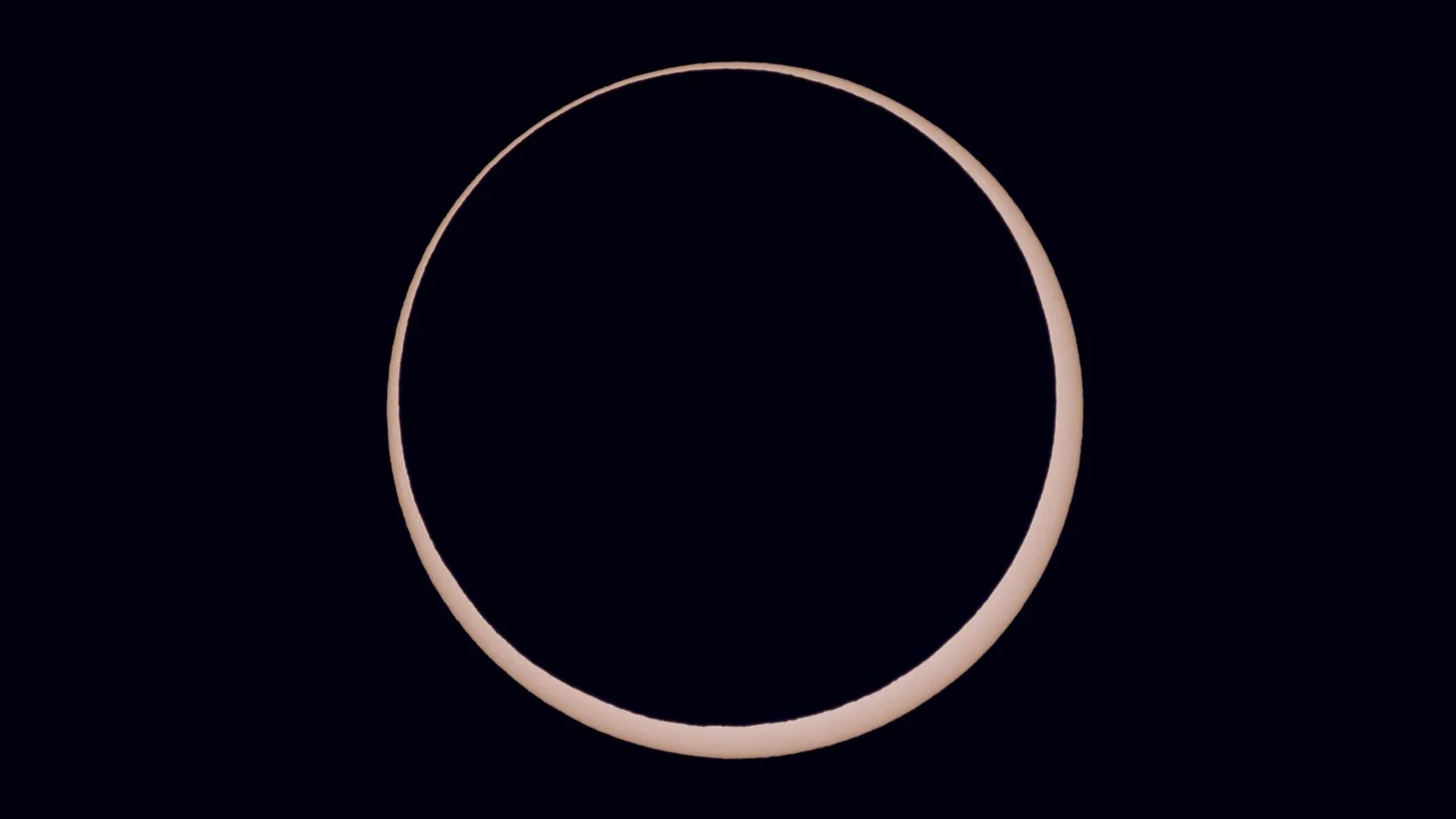
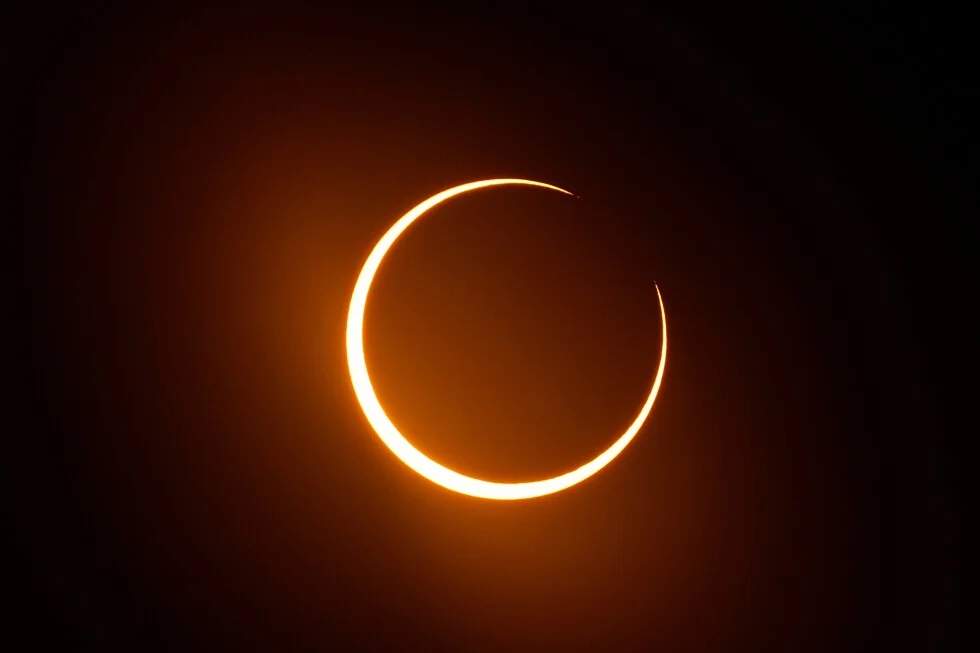
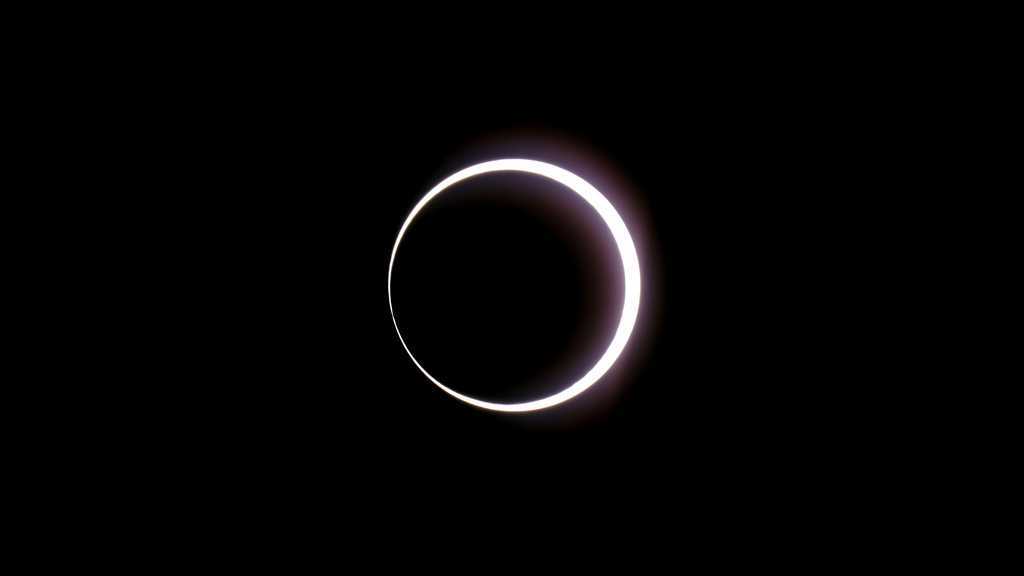
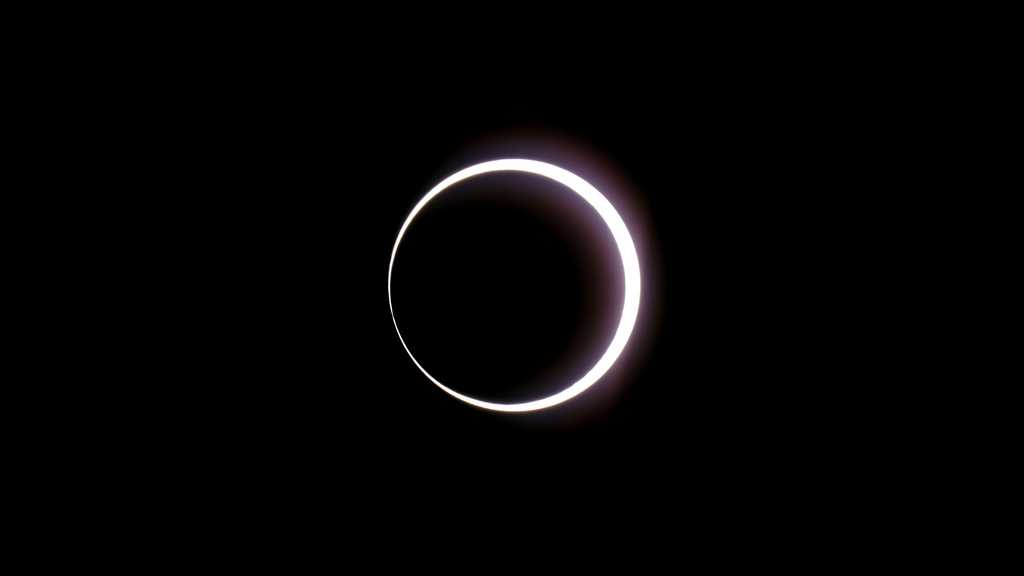
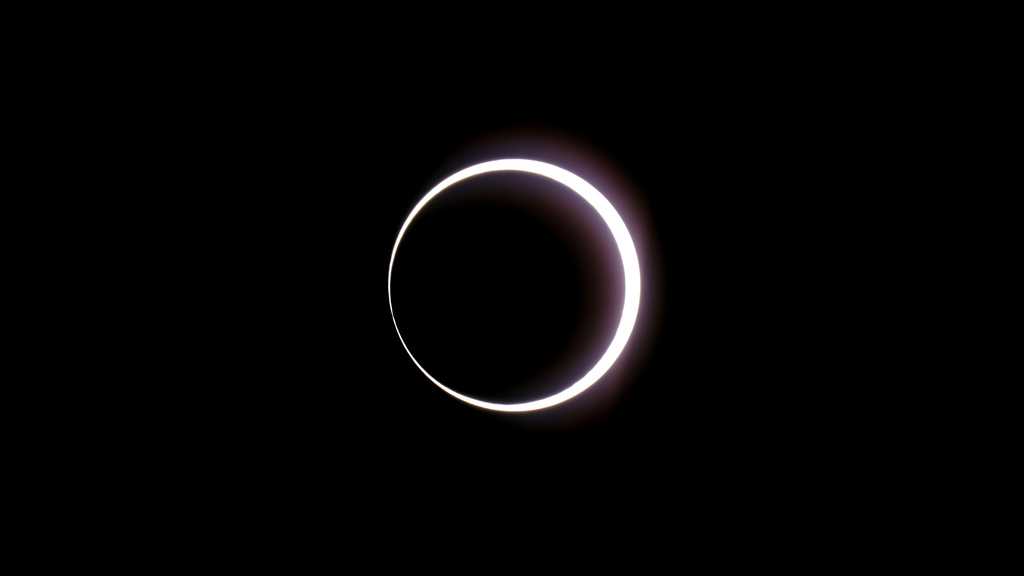
A rare annular solar eclipse, also known as a "ring of fire" eclipse, was visible across the Americas on Saturday, drawing huge crowds of eclipse watchers to various locations. Unlike a total solar eclipse, the moon does not completely cover the sun during an annular eclipse, leaving a bright, blazing border. The event brought excitement and concerns about weather and visitor influx to small towns along its path. Next year, a total solar eclipse will cross the U.S. in the opposite direction, while the next ring of fire eclipse will occur in October 2022 in South America.

"Rare 'Ring of Fire' Solar Eclipse Captivates Skywatchers"

Originally Published 2 years ago — by 4029tv

Featured image for "Rare 'Ring of Fire' Solar Eclipse Captivates Skywatchers"
Source: 4029tv

A rare annular solar eclipse, also known as a "ring of fire" eclipse, was visible across the Americas on Saturday, drawing huge crowds of eclipse watchers to various locations. Unlike a total solar eclipse, the moon does not completely cover the sun during an annular eclipse, leaving a bright, blazing border. The event brought excitement and concerns about weather and visitor influx to small towns along its path. Next year, a total solar eclipse will cross the U.S. in the opposite direction, while the next ring of fire eclipse will occur in October 2022 in South America.

"Captivating Moments: Rare 'Ring of Fire' Solar Eclipse Stuns Viewers"

Originally Published 2 years ago — by WLKY Louisville

Featured image for "Captivating Moments: Rare 'Ring of Fire' Solar Eclipse Stuns Viewers"
Source: WLKY Louisville

A rare annular solar eclipse, also known as a "ring of fire" eclipse, was visible across the Americas on Saturday, drawing huge crowds of eclipse watchers to various locations. Unlike a total solar eclipse, the moon does not completely cover the sun during an annular eclipse, leaving a bright, blazing border. The event brought excitement and concerns about weather and visitor influx to small towns along its path. Next year, a total solar eclipse will cross the U.S. in the opposite direction, while the next ring of fire eclipse will occur in October 2022 in South America.

"Unforgettable Intersection: Solar Eclipse and Balloon Fiesta Draw Thousands to Albuquerque"

Originally Published 2 years ago — by KRQE News 13

Featured image for "Unforgettable Intersection: Solar Eclipse and Balloon Fiesta Draw Thousands to Albuquerque"
Source: KRQE News 13

Thousands of people gathered at Balloon Fiesta Park in Albuquerque, New Mexico, to witness a rare annular solar eclipse during day 8 of the Albuquerque International Balloon Fiesta. The event included a drone show, Mass Ascension of balloons, and a special candle burn by balloon pilots to commemorate the eclipse.

"Everything you need to know about the 'ring of fire' solar eclipse this weekend"

Originally Published 2 years ago — by Space.com

Featured image for "Everything you need to know about the 'ring of fire' solar eclipse this weekend"
Source: Space.com

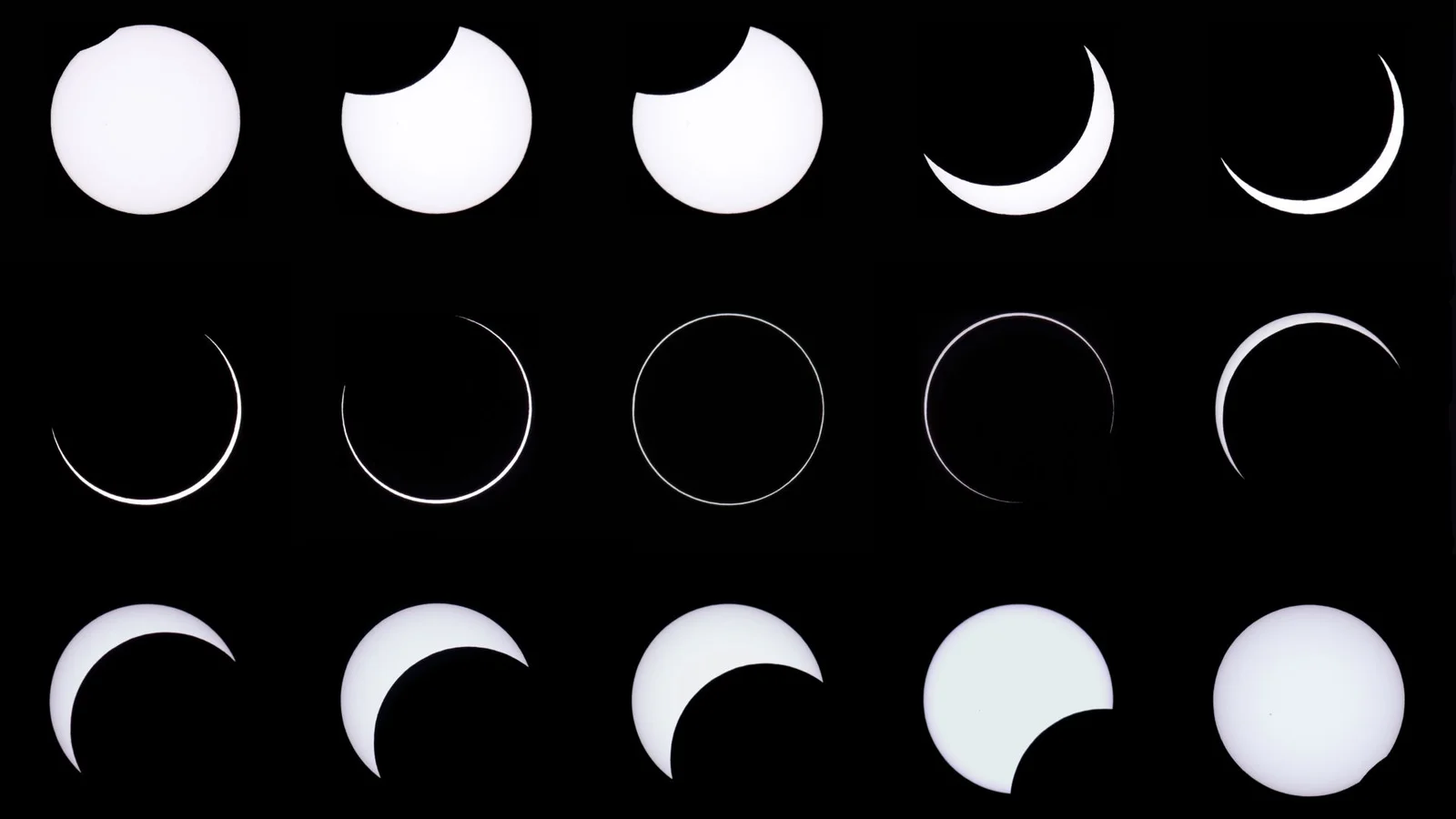
An annular solar eclipse will occur today, starting from Oregon and sweeping across the U.S. before heading over Mexico, Central America, and South America. During the eclipse, the moon will cast a shadow on Earth, creating a "ring of fire" effect as it doesn't entirely cover the sun's disk. Observers within the path of annularity will experience the ring of fire, while those outside will see a partial solar eclipse. It is important to use solar filters and never look directly at the sun. This is the last solar eclipse of 2023 and will serve as a warm-up for the upcoming total solar eclipse in 2024, which coincides with a period of increased solar activity.

"Your Complete Guide to Viewing the 'Ring of Fire' Solar Eclipse in Central Florida and Wichita"

Originally Published 2 years ago — by WESH 2 Orlando

Featured image for "Your Complete Guide to Viewing the 'Ring of Fire' Solar Eclipse in Central Florida and Wichita"
Source: WESH 2 Orlando

Central Florida residents will have the opportunity to view a solar eclipse on October 14. The annular solar eclipse, also known as "the ring of fire," will begin around 11:52 a.m. in Orlando, reaching its peak at 1:26 p.m. and ending around 3:02 p.m. The Orlando Science Center is hosting a viewing party, estimating that residents will be able to see up to 60% of the eclipse. It is important to know how to safely view the event to protect your eyes. The next total solar eclipse for parts of the U.S. will occur on April 8, 2024.

"Saturday's Rare 'Ring of Fire' Solar Eclipse: How to Watch and Make a Viewer at Home"

Originally Published 2 years ago — by USA TODAY

Featured image for "Saturday's Rare 'Ring of Fire' Solar Eclipse: How to Watch and Make a Viewer at Home"
Source: USA TODAY

NASA will be livestreaming a rare "ring of fire" annular solar eclipse on Saturday, visible over multiple states in the U.S. The livestream will include conversations with scientists and telescope views from across the country. The eclipse will be visible in Oregon, Nevada, Utah, New Mexico, Texas, and parts of California, Idaho, Colorado, and Arizona, as well as in Central America and Colombia. This annular solar eclipse is different from a total eclipse and will be the last opportunity for people in the states to witness a ring of fire for a number of years.

"Union and Kaiser Reach Tentative Deal, NorCal Annular Solar Eclipse, and Ensuring Safety at Sac Music Festivals"

Originally Published 2 years ago — by KCRA Sacramento

Featured image for "Union and Kaiser Reach Tentative Deal, NorCal Annular Solar Eclipse, and Ensuring Safety at Sac Music Festivals"
Source: KCRA Sacramento

Union workers have reached a tentative deal with Kaiser Permanente following the largest-ever health care strike in US history. Northern California is preparing for an annular solar eclipse this weekend, while Sacramento police are sharing tips to prevent theft at music festivals. A cheerleading coach in San Joaquin County is accused of stealing funds from a cheer club, and the Folsom Cordova Unified School District has been found in violation of restraint practices for special needs students.

Upcoming Rare 'Ring of Fire' Solar Eclipse: How to Prepare and See It

Originally Published 2 years ago — by NBC News

Featured image for Upcoming Rare 'Ring of Fire' Solar Eclipse: How to Prepare and See It
Source: NBC News

A rare annular solar eclipse, also known as a "ring of fire," will be visible across the continental U.S. on Saturday. Sky-watchers in nine states, including Oregon, Nevada, and Texas, will have the opportunity to witness the moon almost completely covering the sun, creating a fiery, orange-hued ring around the moon's shadow. In other states, a partial solar eclipse will be visible. Special eclipse glasses or pinhole projectors are necessary to safely view the eclipse and prevent eye damage. This event is highly anticipated as it is rare for a solar eclipse to cut across the entire continental U.S., and the next annular solar eclipse crossing the contiguous U.S. won't occur until February 2046.

"Upcoming Solar Eclipses and Balloon Fiesta Preparations: What You Need to Know"

Originally Published 2 years ago — by KOB 4

Featured image for "Upcoming Solar Eclipses and Balloon Fiesta Preparations: What You Need to Know"
Source: KOB 4

Organizers of the Albuquerque International Balloon Fiesta are preparing for a large crowd on Saturday as spectators gather to witness the annular solar eclipse. In addition to the Mass Ascension, event officials have planned a unique balloon glow during the eclipse, with NASA representatives and astronomy groups present to educate the public. Guests will be provided with free eclipse glasses to ensure eye safety while viewing the eclipse.

Upcoming Solar Eclipses: Your Guide to Viewing in California, Texas, and Beyond

Originally Published 2 years ago — by KCRA Sacramento

Featured image for Upcoming Solar Eclipses: Your Guide to Viewing in California, Texas, and Beyond
Source: KCRA Sacramento

Northern California is set to witness an annular solar eclipse this weekend, with the moon passing in front of the sun and blocking a significant portion of light. The eclipse will peak at 9:20 a.m., and Sac State University is hosting a free viewing event from 8 a.m. to 11 a.m. on Saturday. The eclipse will cover about 85% of the sun in Sacramento. Proper eye protection, such as eclipse glasses, is necessary to safely view the event. The next annular solar eclipse in the U.S. won't occur until 2046, but a total solar eclipse is expected on April 8, 2024. Weather conditions in Northern California may vary, with clearer skies likely in the Sierra and San Joaquin Valley compared to the coast range and northern Sacramento Valley.

All You Need to Know About the Oct. 14 Annular Solar Eclipse

Originally Published 2 years ago — by Space.com

Featured image for All You Need to Know About the Oct. 14 Annular Solar Eclipse
Source: Space.com

An annular solar eclipse will occur on October 14 and will be visible across the Americas. The eclipse will start in Oregon at 9:13 a.m. PT and pass through several U.S. states before moving across Mexico, Central America, and South America. The "ring of fire" stage of the eclipse will be visible in certain locations, while others will experience a partial solar eclipse. NASA has created interactive maps and will livestream the event. It is important to use solar filters and not look directly at the sun to observe the eclipse safely.