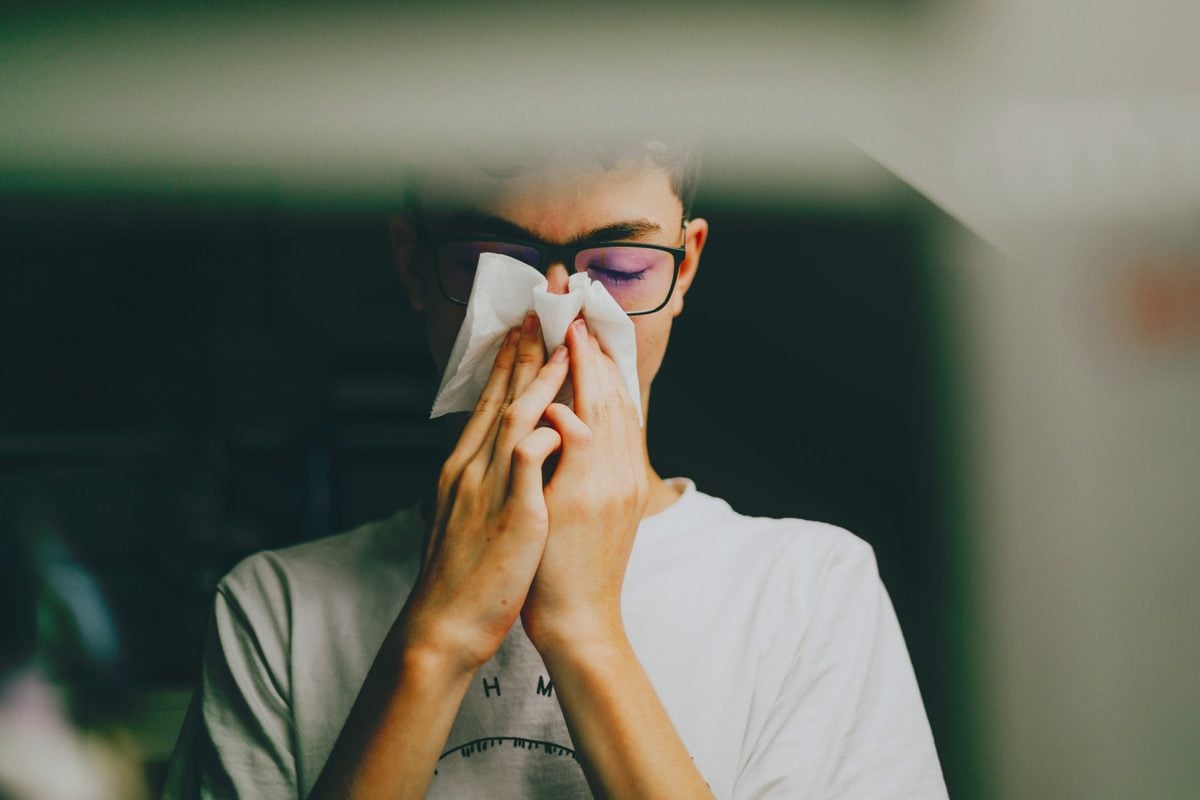
To avoid getting sick this winter, maintain indoor humidity levels between 40-60% using a humidifier, engage in regular aerobic and resistance exercise to boost immunity, prioritize vitamin D3 supplements over vitamin C, and get vaccinated against the flu regardless of age, as it can affect anyone and children are significant spreaders. These lesser-known strategies complement traditional advice like handwashing and staying home when unwell.
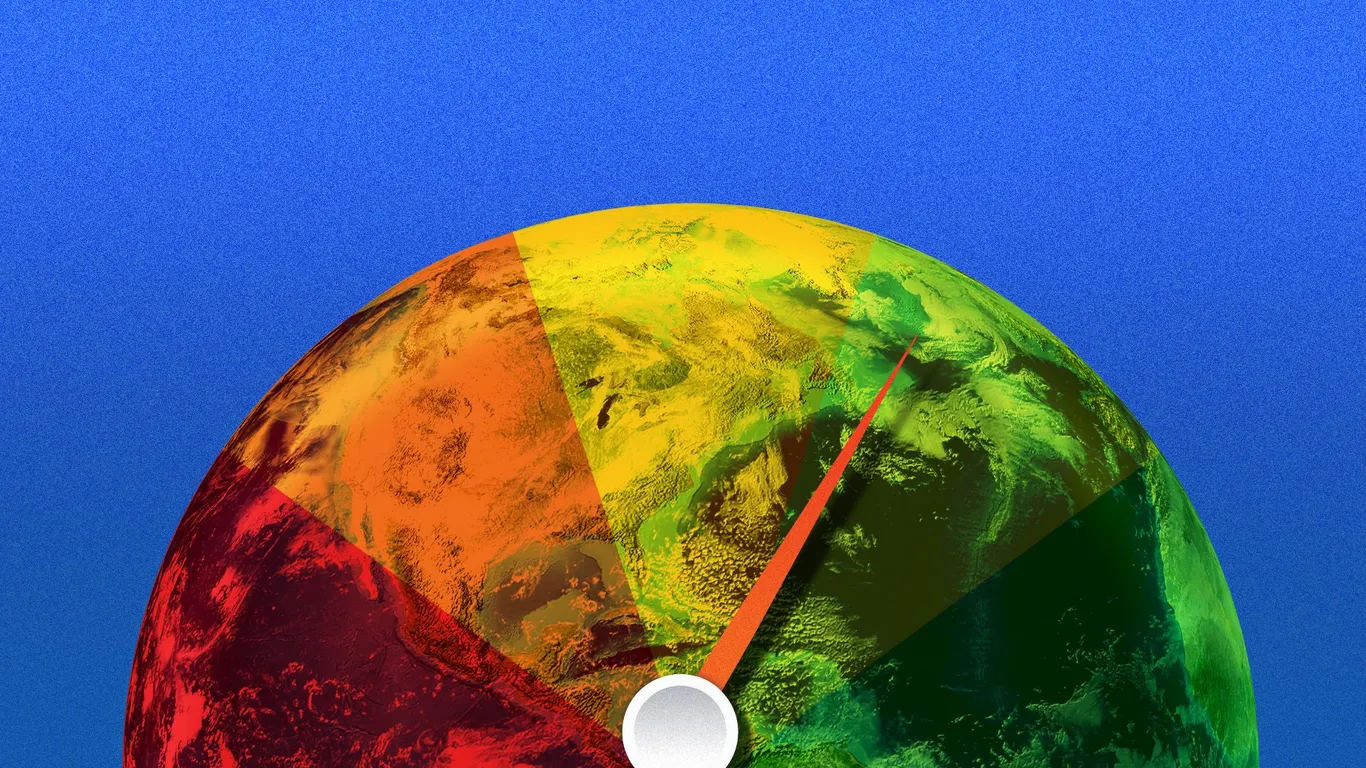
The 2024 'State of the Climate' report reveals alarming climate data, including record-high humidity days, rising greenhouse gases, and the hottest year on record, with significant impacts across North America and the Arctic, highlighting increasing extreme weather events and climate threats.
The weather in the D.C. area is becoming more humid and warm, with highs near 90 and storm chances increasing midweek due to a approaching cold front. Additionally, the season's first hurricane is likely to develop in the Atlantic, potentially impacting regions from the Caribbean to eastern North America. The article also highlights historical heavy rain events and the upcoming peak of the Perseids meteor shower.
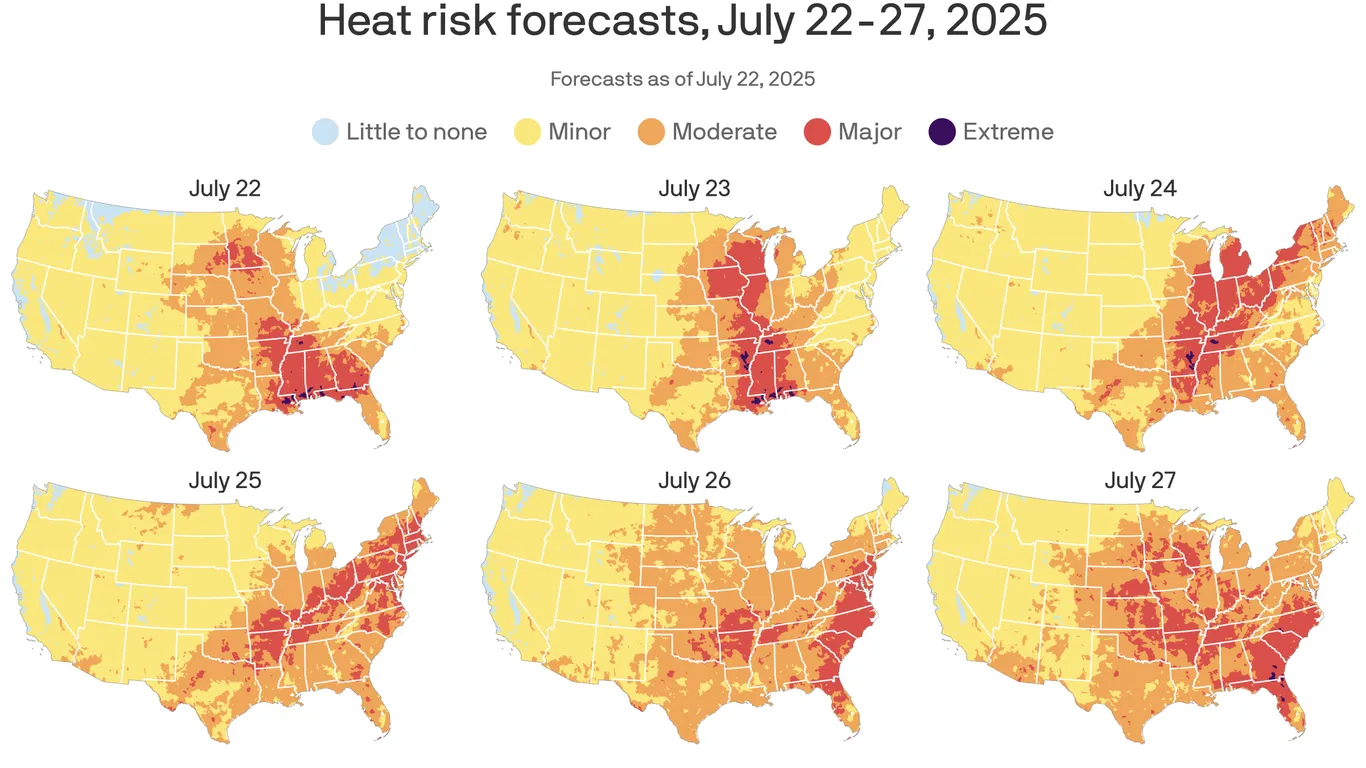
Over 120 million Americans are experiencing a prolonged heatwave with dangerously high temperatures and humidity, but relief is expected starting Thursday in the Northeast, while the South continues to face extreme heat conditions.
The DC area is experiencing high temperatures reaching into the 90s with high humidity, a heat advisory is in effect, and scattered storms are expected over the weekend. A potential pattern change might bring cooler temperatures in early August, but confidence is low. Historical weather events include a severe hurricane in 1788 and a record high of 101°F in 2010.
A heat dome combined with the 'corn sweat' phenomenon is causing a dangerous heat wave across much of the eastern U.S., with high humidity and temperatures over 105°F in some areas, exacerbated by climate change, posing serious health risks and emphasizing the need for safety precautions.
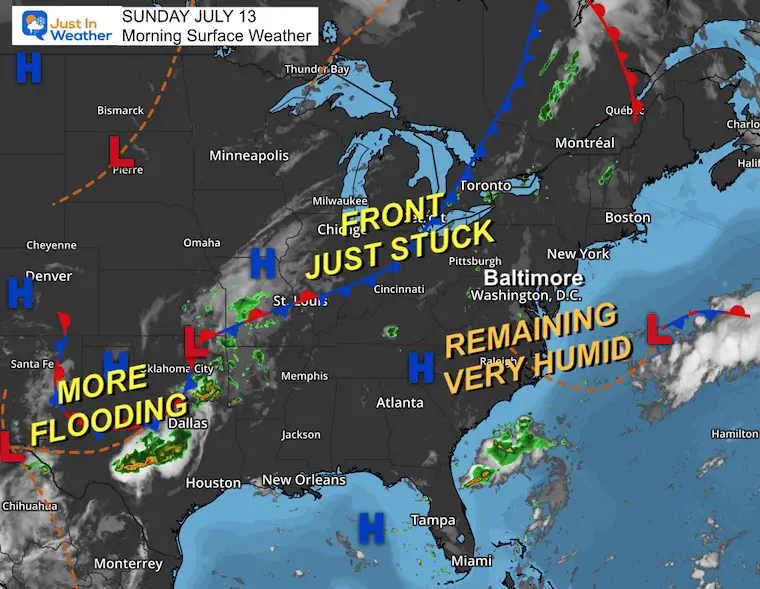
A Flood Watch is in effect in Baltimore through midnight due to high humidity and slow-moving thunderstorms that could produce over 2 inches of rain per hour, with potential for localized flooding, especially between 5 PM and 10 PM, as a cold front interacts with humid air and a line of storms approaches.
A weather forecast for July 13, 2025, highlights the potential for flash floods due to scattered thunderstorms and high humidity, with storms possibly producing 1 to 3 inches of rain and sitting over areas for extended periods, mainly affecting the Baltimore region through Tuesday.
The weather in the DC area is mostly clear tonight with calm conditions, but humidity will increase on Sunday, bringing a chance of storms and high temperatures near 90°F. Tropical Storm Chantal is affecting the Carolinas with heavy rain and flooding, but no direct impact is expected in DC. The region experienced a historic rainstorm in 1905, and fireworks on July 4th were affected by still air trapping smoke.
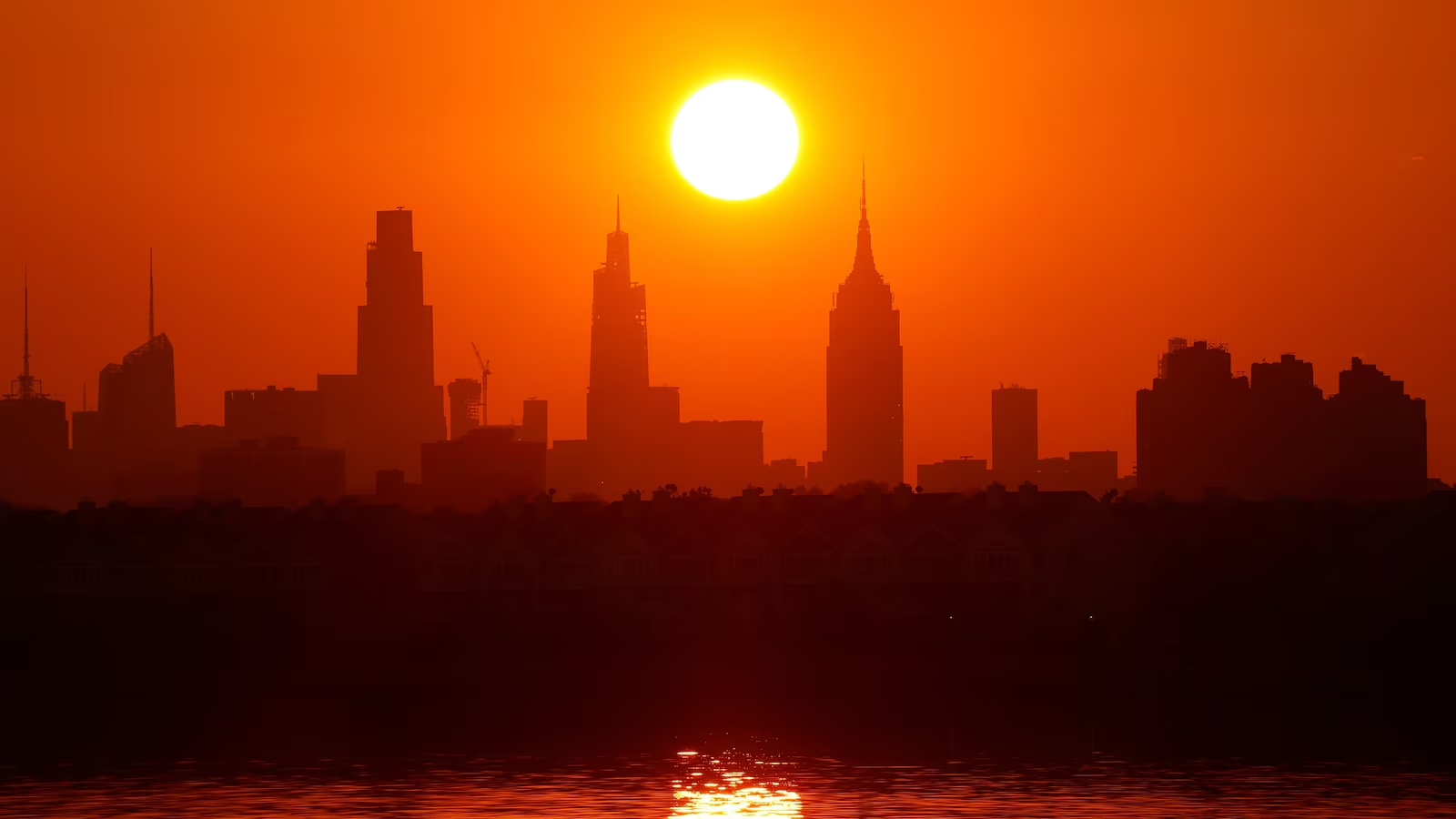
A severe heatwave is affecting the Washington D.C. area with temperatures reaching the upper 90s to low 100s, feeling as hot as 110 degrees due to high humidity, prompting an extreme heat warning for Monday and Tuesday. The region is experiencing record-breaking temperatures and high heat indices, with health advisories urging caution and hydration. The heat is expected to persist with slight relief later in the week, accompanied by thunderstorms and potential record temperatures across the eastern U.S.
Upstate New York is facing an intense heat wave with record temperatures reaching up to 97°F and high humidity, leading to 'extreme' heat risk, with little relief at night, driven by a heat dome from the Southeast, prompting precautions like early school dismissals.
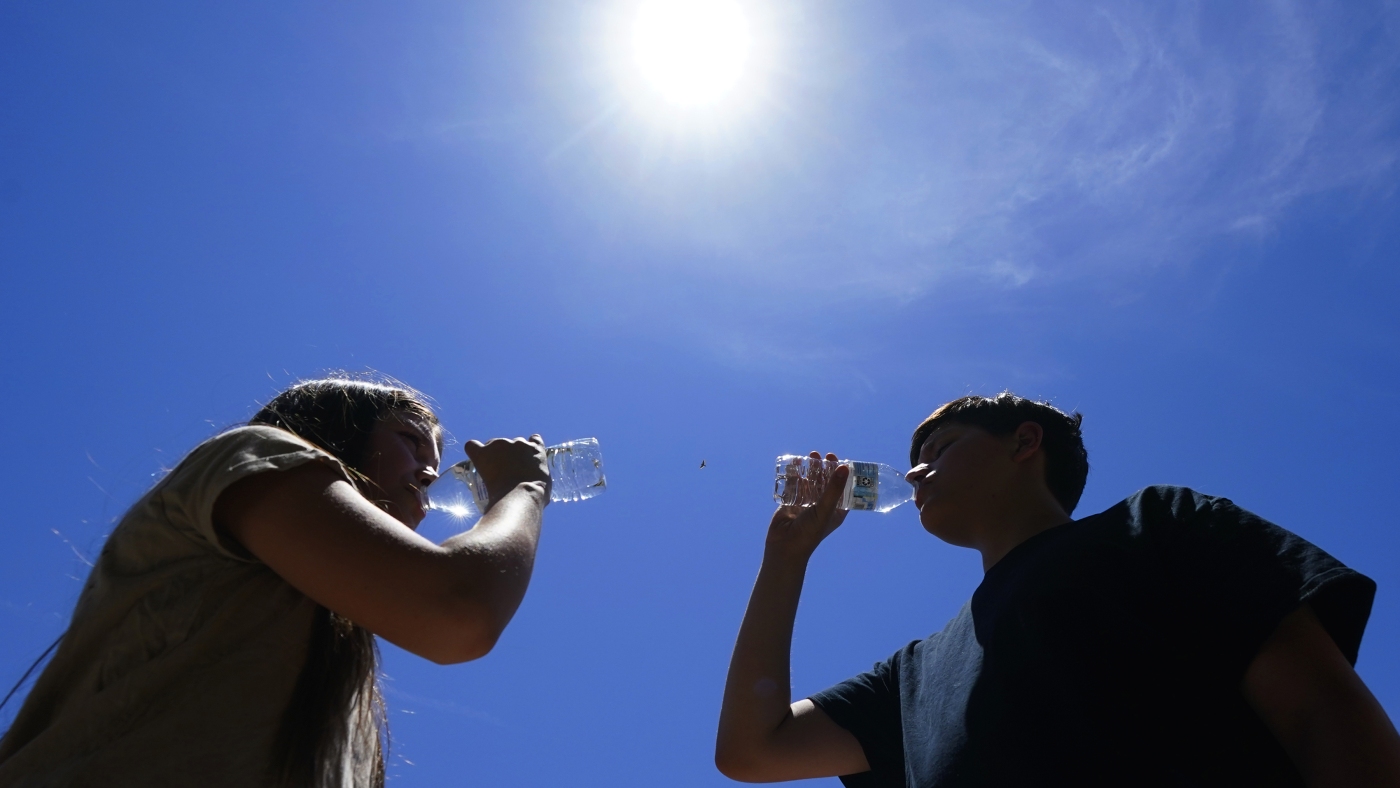
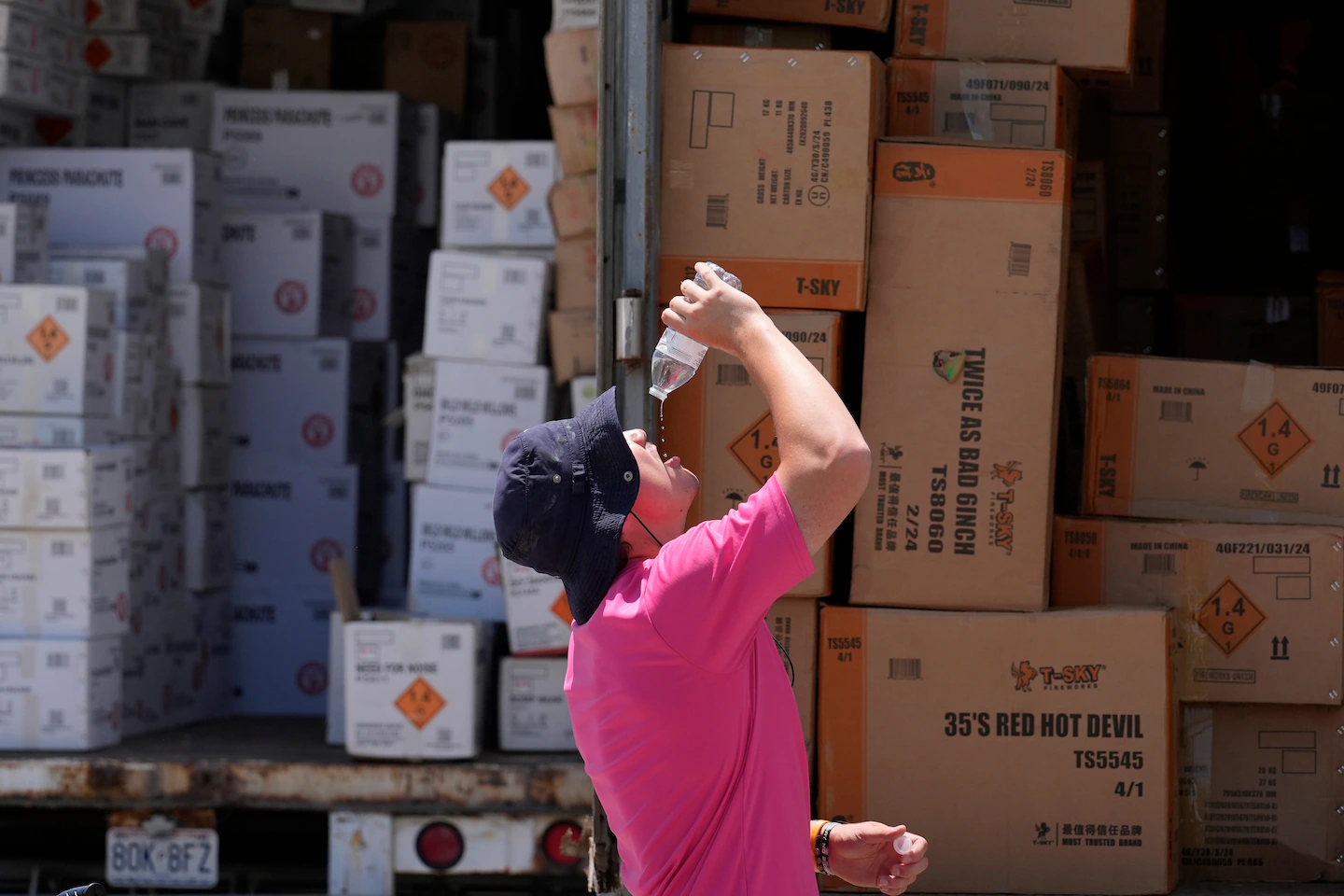
High humidity during heatwaves makes temperatures feel hotter and impairs the body's ability to cool down through sweating, posing health risks especially to vulnerable groups. To stay safe, people should hydrate, wear loose clothing, use air conditioning or visit cooling centers, and avoid strenuous outdoor activities during peak heat and humidity.
Firefighters are making progress in containing the Franklin fire in Malibu, aided by lessening winds and increasing humidity. The fire, which started near Pepperdine University, has reached 30% containment. A red flag warning was lifted as weather conditions improved, allowing some residents to return home. However, the fire has damaged or destroyed several structures, and officials warn that the danger remains due to dry brush. A low-pressure system is bringing a chance of rain, which could help firefighting efforts, though it won't eliminate the fire risk entirely.
As global temperatures rise, heat can kill by causing heatstroke, overworking the heart, and leading to dangerous dehydration. Experts explain that the body's core temperature only needs to increase by a few degrees to become life-threatening, with humidity exacerbating the risk. Immediate cooling methods are crucial for survival, but the insidious nature of heat-related illnesses makes them particularly dangerous.