Tag

Lunar Events

All articles tagged with #lunar events

Catch the Final Supermoon of 2024: November's Beaver Moon
science1 year ago

Catch the Final Supermoon of 2024: November's Beaver Moon

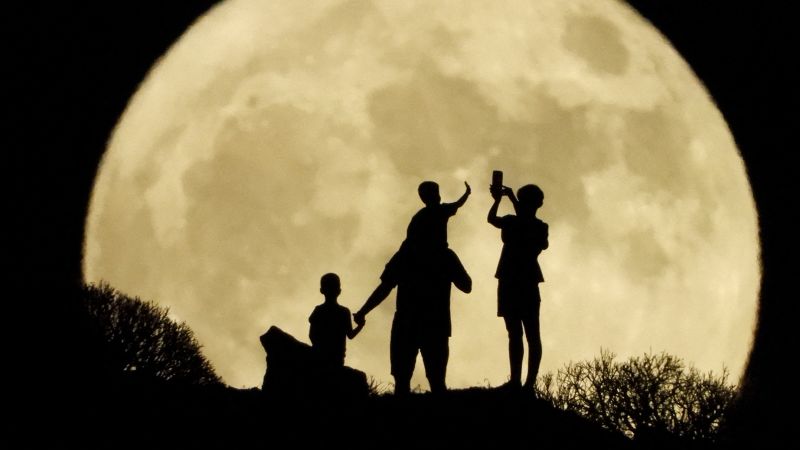
The final supermoon of the year will occur this week, appearing larger and brighter as it comes within 225,000 miles of Earth on Thursday, reaching its full phase on Friday. This marks the fourth supermoon of 2024, with the closest having occurred in October. Supermoons happen when a full moon coincides with its closest approach to Earth, making it appear up to 30% brighter. The next series of supermoons will begin in October 2025.

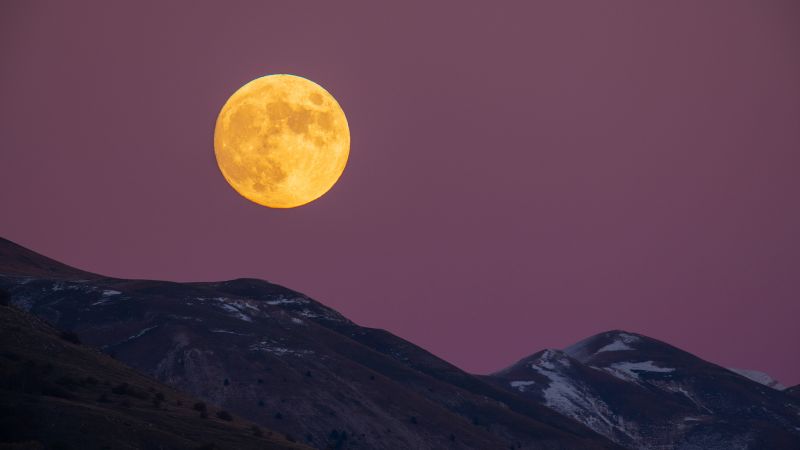
"January's Full 'Wolf Moon' to Impact 4 Zodiac Signs"
astronomy2 years ago

"January's Full 'Wolf Moon' to Impact 4 Zodiac Signs"

January's full "wolf moon" will be visible through Friday evening, with various Native American tribes having different names for it. Other celestial events to look forward to in 2024 include supermoons, lunar and solar eclipses, and meteor showers. Notably, a total solar eclipse on April 8 will be visible in Mexico, the United States, and Canada, while a penumbral lunar eclipse will be visible across several continents between March 24 and 25. Additionally, several meteor showers are expected to peak throughout the year.

"November's Beaver Moon: A Bright and Final Full Moon of 2023"
astronomy2 years ago

"November's Beaver Moon: A Bright and Final Full Moon of 2023"

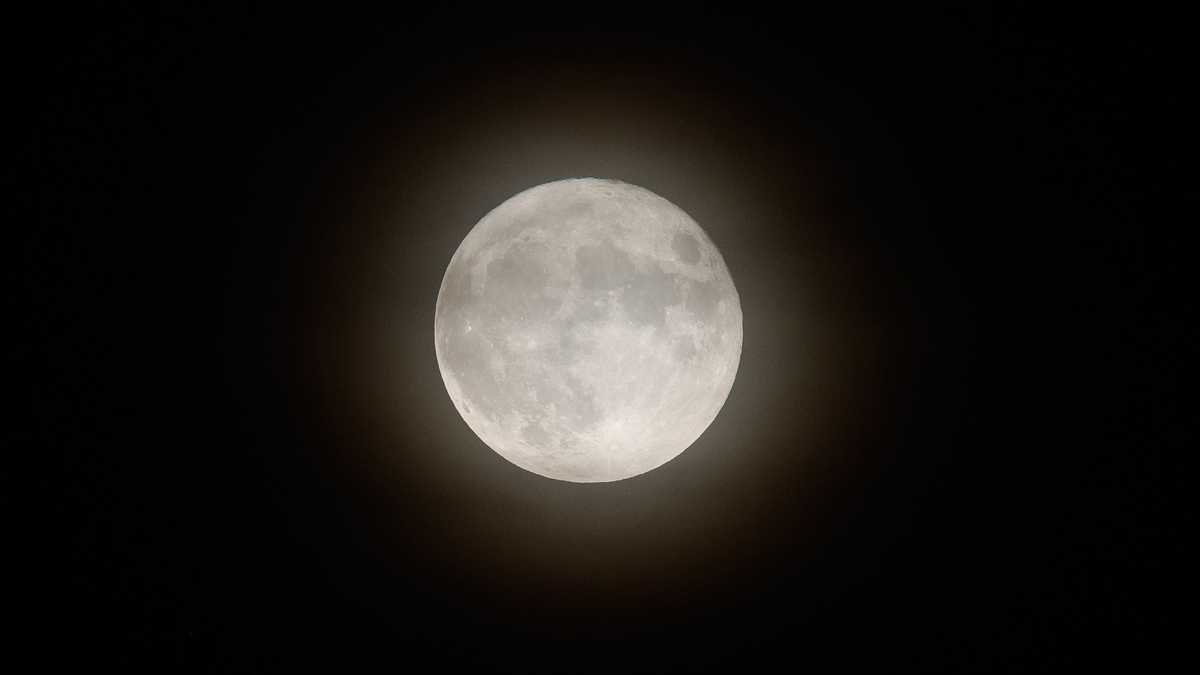
November's full moon, known as the beaver moon, will reach its peak on Monday at 4:16 a.m. ET. The moon's appearance varies due to libration, and it will be visible to the naked eye for about a day before and after its full phase. NASA's Lunar Reconnaissance Orbiter is creating a 3D map of the moon's surface, and the Artemis II mission plans to send astronauts on a trip around the moon in late 2024. The beaver moon's name is a nod to the animal's behavior during this time of year, and various indigenous cultures have their own names for this lunar event.

September's Last Supermoon Illuminates the Harvest Moon
astronomy2 years ago

September's Last Supermoon Illuminates the Harvest Moon

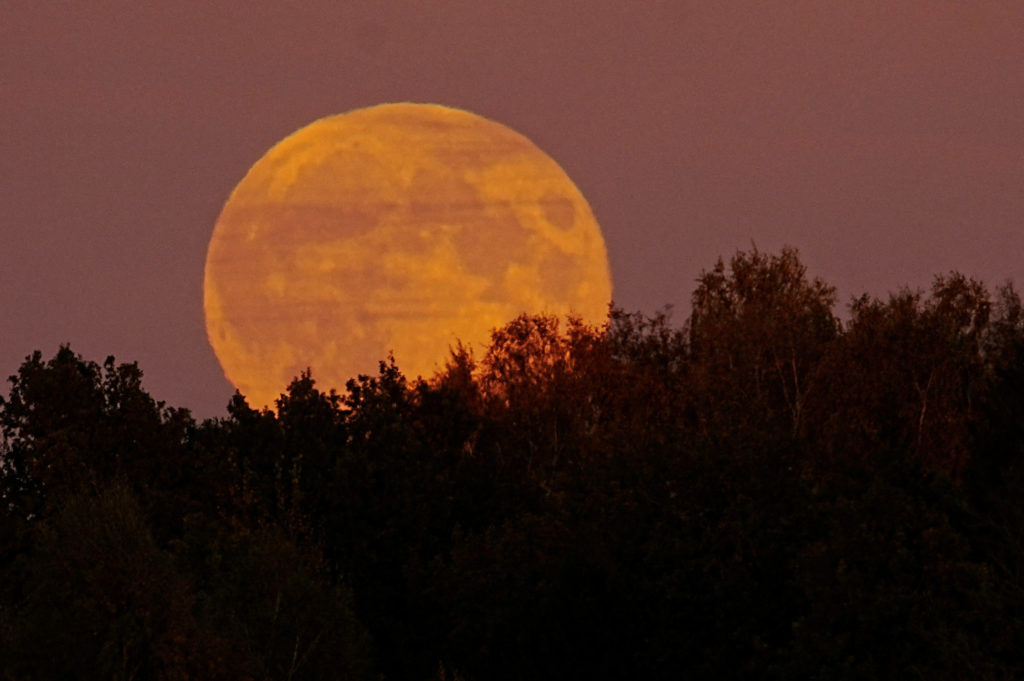
The full harvest moon, which is also the last supermoon of the year, will be visible in the early morning hours of September 29. The term "supermoon" refers to a full moon that is closer to Earth than normal, making it appear larger and brighter in the night sky. This particular supermoon will be about 5% bigger and 13% brighter than the average full moon. The harvest moon is named after the season of gathering and helped farmers work into the evening to harvest their crops. Other indigenous tribes have different names for the September full moon. Additionally, several planets are currently visible in the night sky, and there are upcoming lunar and solar eclipses as well as meteor showers to look out for.

"Double Delight: August Brings Two Supermoons, Including a Rare Blue Moon"
astronomy2 years ago

"Double Delight: August Brings Two Supermoons, Including a Rare Blue Moon"

August 2023 will feature two supermoons, including a rare blue moon. A supermoon occurs when a full moon aligns with its closest approach to Earth, making it appear larger and brighter. The first supermoon, known as the Sturgeon Moon, will occur on August 1, followed by a blue moon on August 30, which will be the closest full moon to Earth for the entire year. Supermoons are a result of the moon's elliptical orbit, and blue moons refer to the second full moon in a calendar month. These celestial events offer a unique opportunity for stargazers and astronomers to observe and appreciate the beauty of the night sky.

"Upcoming Supermoon: Get Ready for an Ultra-Bright Lunar Spectacle!"
astronomy2 years ago

"Upcoming Supermoon: Get Ready for an Ultra-Bright Lunar Spectacle!"

July's supermoon will be 14,000 miles closer to Earth than a typical full moon event, appearing brighter in the night sky. The first of four supermoons in 2023, it will reach peak illumination on July 3. The size difference between a supermoon and a regular full moon may not be immediately apparent, but this month's moon will be more luminous and known as the buck moon. The year 2023 will have 13 full moons, including two supermoons in August and a blue moon. Additionally, there will be an annular solar eclipse on October 14 and a partial lunar eclipse on October 28. Nine meteor showers are also expected to peak throughout the year.