The article provides a detailed guide to the major planetary events of 2026, including visibility windows, key conjunctions, and notable sky phenomena involving Mercury, Venus, Mars, Jupiter, Saturn, Uranus, and Neptune, helping skywatchers plan their observations throughout the year.

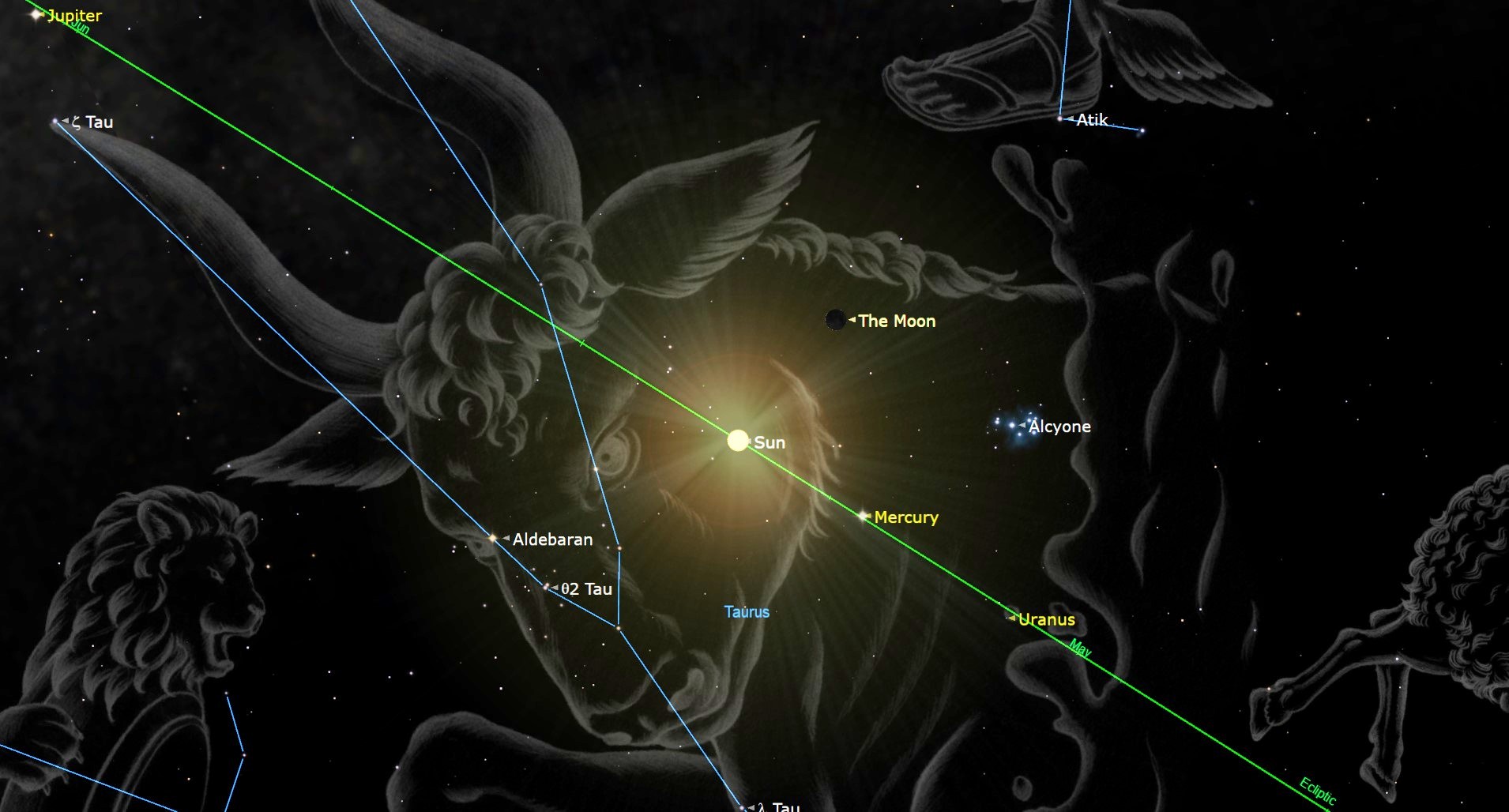
2026 will feature a variety of notable lunar and solar events including three supermoons, a total solar eclipse, a blood moon lunar eclipse, and close conjunctions of the moon with planets like Mercury, Venus, Saturn, Jupiter, and Mars, offering numerous opportunities for skywatchers to observe spectacular celestial phenomena.
September offers a variety of spectacular night sky events including a total lunar eclipse, planetary alignments with Saturn, Neptune, and Jupiter, Venus occultation, and prime viewing conditions for the Milky Way and deep-sky objects, making it an ideal month for stargazing and astrophotography.
The new moon of May 2025 occurs on May 26, leading to dark skies ideal for stargazing, with notable events including a close pass of the moon to Jupiter and the rising of summer constellations, offering excellent opportunities for skywatchers to observe planets and stars.