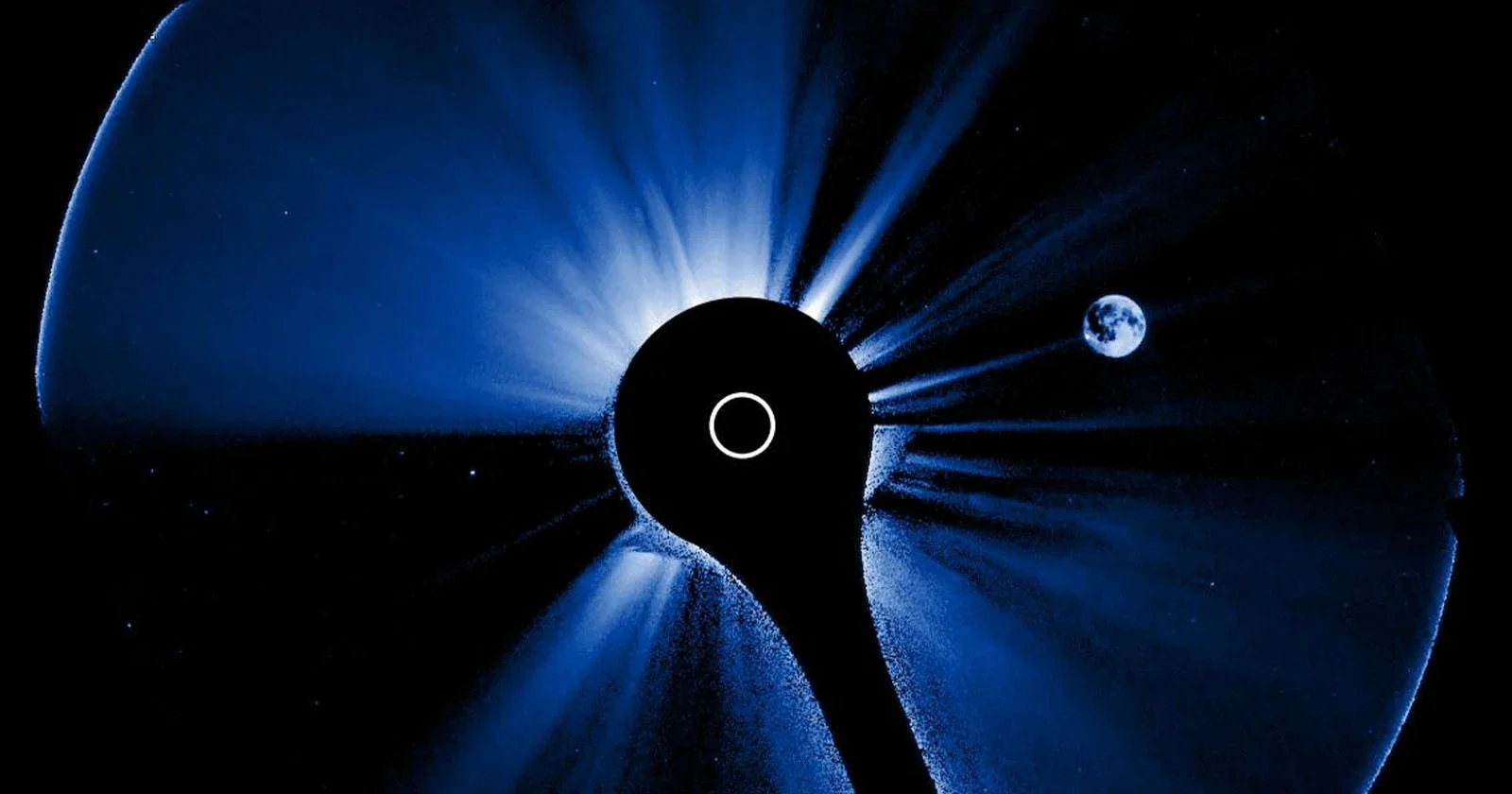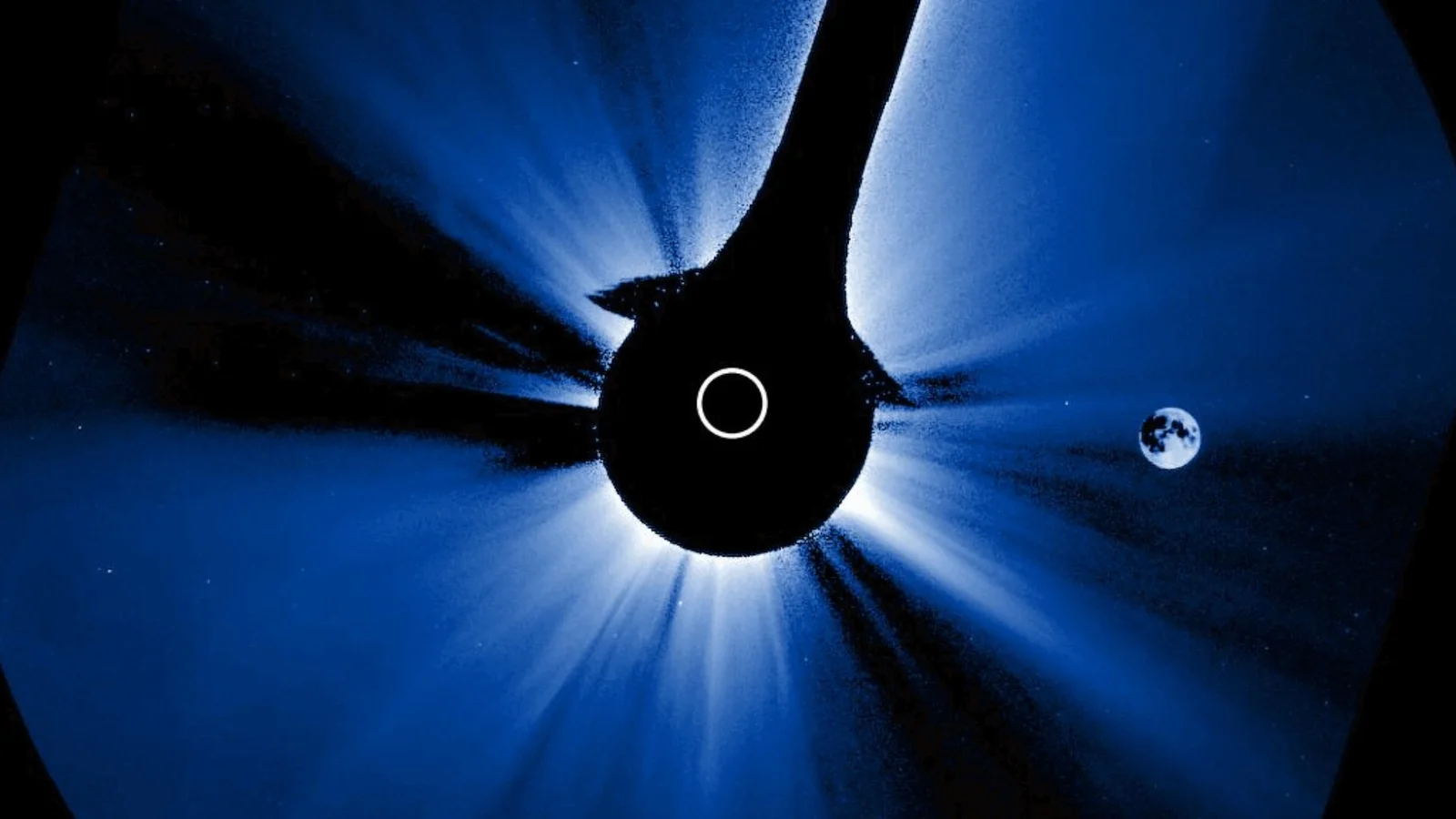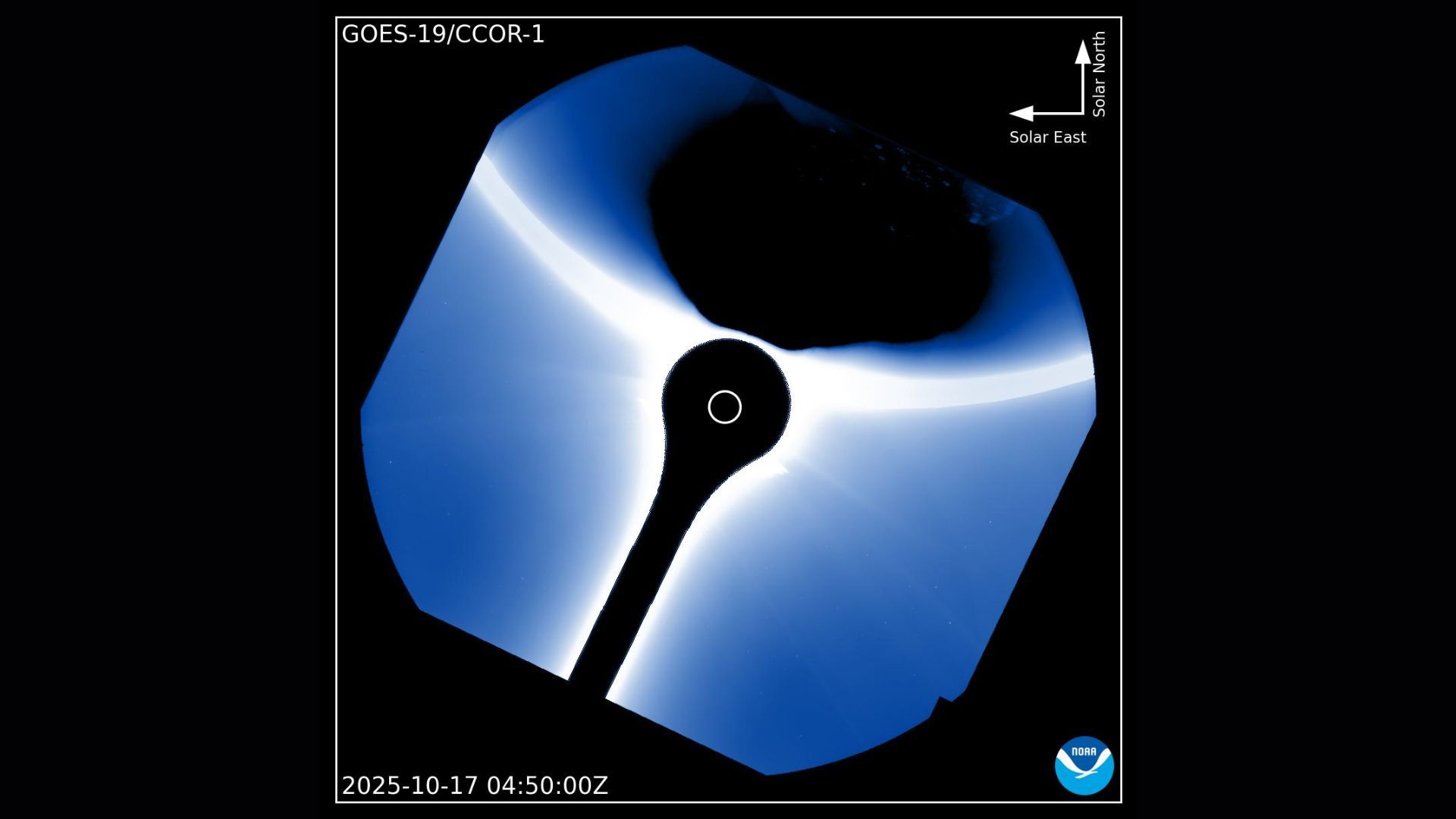
NASA's NOAA satellite GOES-19 captured a rare image showing Earth briefly 'photobombing' the sun's corona, providing a unique calibration opportunity for the satellite's instruments and highlighting its capabilities in monitoring space weather.
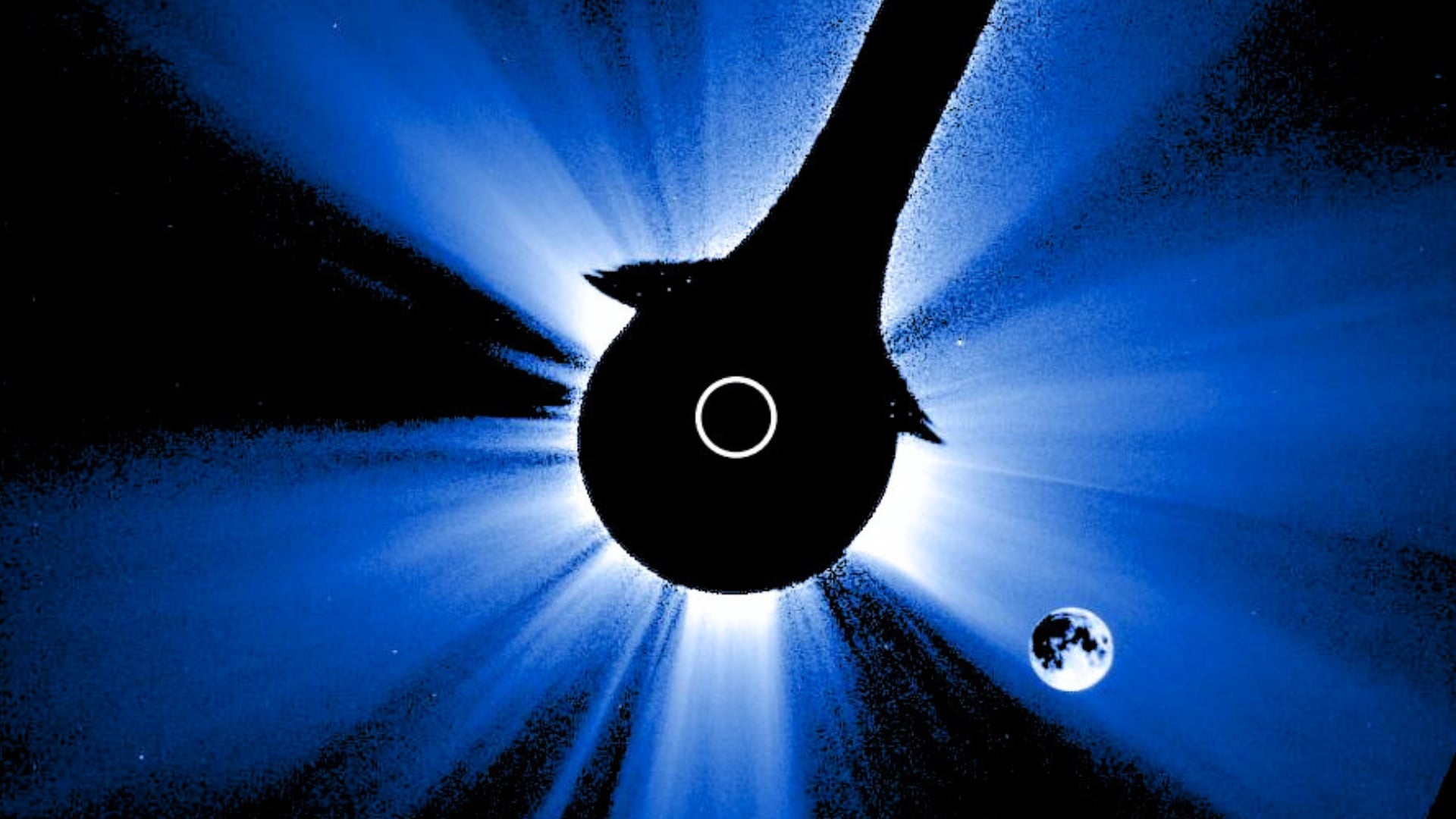
NASA's NOAA GOES-19 satellite captured rare footage of a natural solar eclipse from space on September 21, 2025, with the moon passing in front of the sun, creating unusual imagery due to image processing and a spacecraft maneuver that affected the moon's apparent path.
A NOAA coronagraph on the GOES-19 satellite captured a stunning image of the Moon crossing the Sun, illuminated by Earthshine, highlighting the intersection of space weather monitoring and beautiful astronomical phenomena.
A NOAA satellite's coronagraph captured a rare image of the moon passing in front of the sun, made possible by its unique geostationary orbit close to Earth, highlighting the moon's appearance due to Earthshine in the high-resolution image.
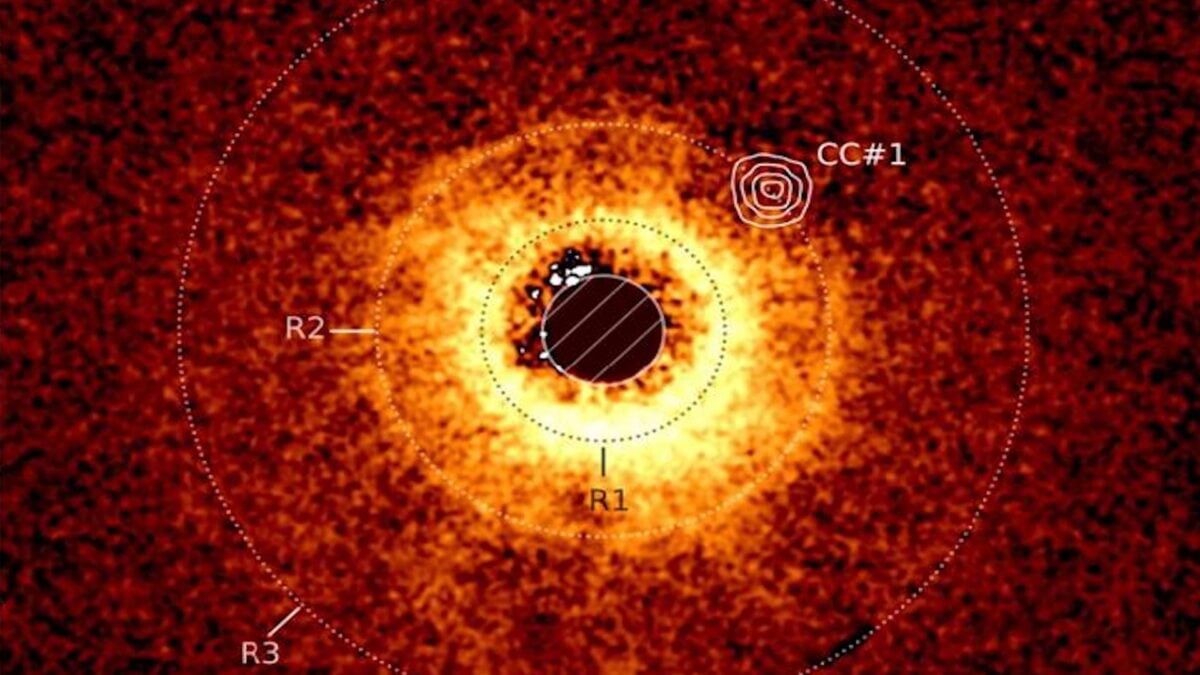
The James Webb Space Telescope has made its first direct detection of an exoplanet, TWA 7b, a Saturn-like planet orbiting a young star, using advanced imaging techniques. This breakthrough allows astronomers to study faint planets and their atmospheres, opening new avenues in exoplanet research.
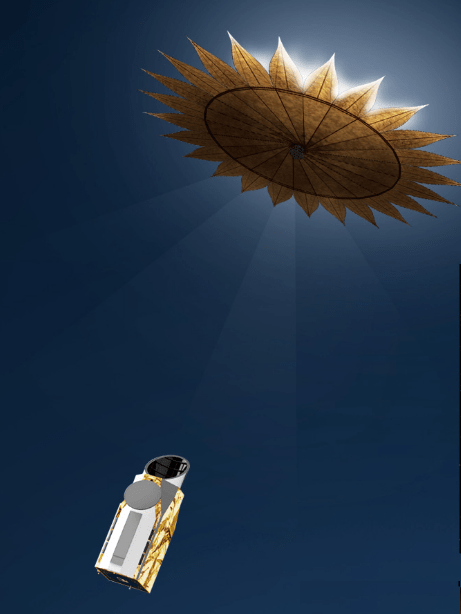
NASA's Nancy Grace Roman Space Telescope has successfully integrated the Roman Coronagraph Instrument, a key component designed to block starlight and detect faint light from exoplanets. This marks a significant step towards the telescope's 2027 launch, where it will explore dark energy, exoplanets, and infrared astrophysics. The coronagraph, a technology demonstration, aims to improve direct imaging of exoplanets, paving the way for future missions like the Habitable Worlds Observatory, which will search for Earth-like planets.
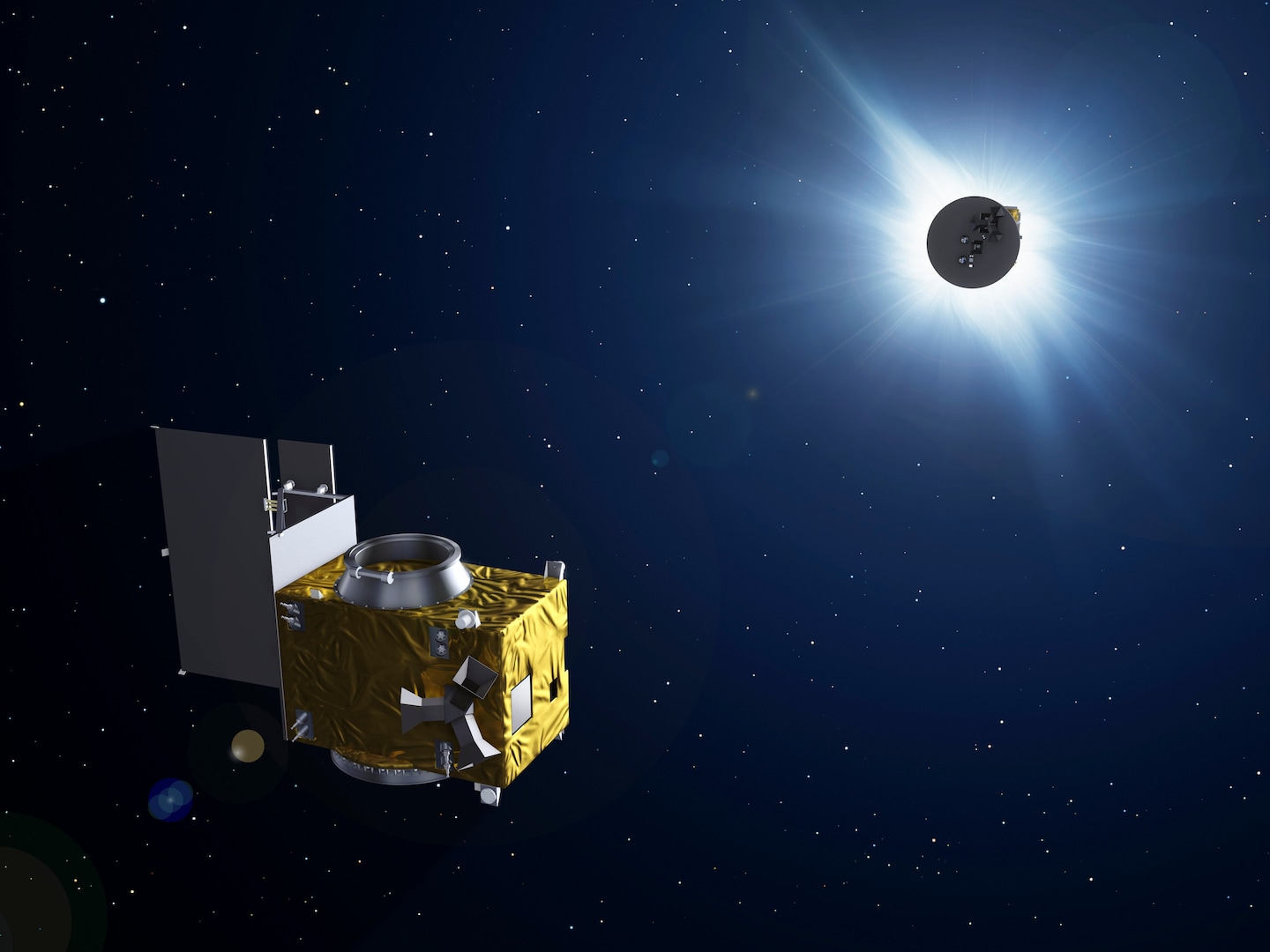
Scientists are attempting to create an artificial solar eclipse to study the solar corona, a layer of the sun's atmosphere with significant effects on Earth. Using specialized instruments called coronagraphs, they aim to simulate eclipses and view the corona, which is mysteriously hotter than the solar surface. Despite challenges such as Earth's atmosphere scattering sunlight, scientists are conducting experiments to better understand the corona, including a forthcoming European Space Agency mission called Proba-3. The upcoming total solar eclipse on April 8 will provide a scientific bonanza for researchers, who are preparing to gather data using various instruments and techniques, including a citizen science project called Citizen CATE.
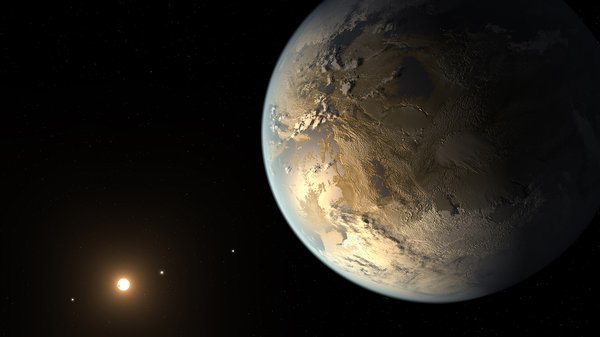
NASA is already planning for its next flagship space telescope, the Habitable Worlds Observatory (HWO), which could serve as the successor to the James Webb Space Telescope (JWST). The HWO aims to study exoplanets, stars, galaxies, and other celestial objects for signs of life beyond Earth. The Technical Assessment Group (TAG) for HWO, consisting of 56 individuals, will focus on developing key technologies and design requirements. The HWO is expected to launch in the late 2030s or early 2040s and will utilize a coronagraph to block out starlight and analyze exoplanet atmospheres for potential biosignatures.
Scientists and engineers at Caltech are discussing the development of the Habitable Worlds Observatory (HWO), a proposed space telescope that aims to detect signs of life on exoplanets. The HWO would be the next powerful astrophysics observatory after NASA's James Webb Space Telescope and would have the ability to study stars, galaxies, and exoplanets. The telescope's ability to characterize exoplanet atmospheres and search for biosignatures depends on advanced technologies such as coronagraphs, which block the glare from distant stars. The HWO mission is expected to launch in the late 2030s or early 2040s, and scientists hope to have a catalog of at least 25 Earth-like planets to explore by then.