The movement to pass the 'Sunshine' bill, which aims to address daylight saving time, faces continued delays in Congress despite initial optimism after President Trump showed support, leaving the bill's future uncertain.
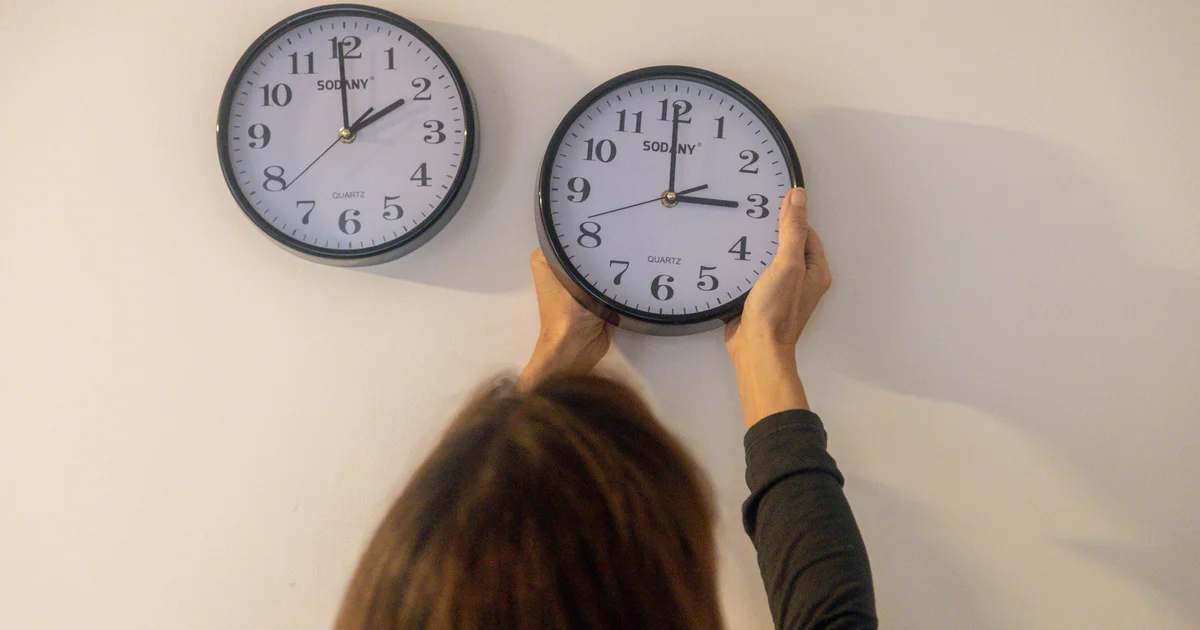
Daylight saving time ends on November 2, 2025, when clocks are set back an hour, providing most Americans with an extra hour of sleep. The change occurs at 2 a.m., reverting to 1 a.m., and marks the end of the spring-to-fall cycle that began in March. Some states and territories, like Hawaii and Arizona, do not observe daylight saving time. The practice, originating in the early 20th century for energy saving, remains debated due to health and safety concerns, with recent polls showing strong public support for permanent daylight saving time.
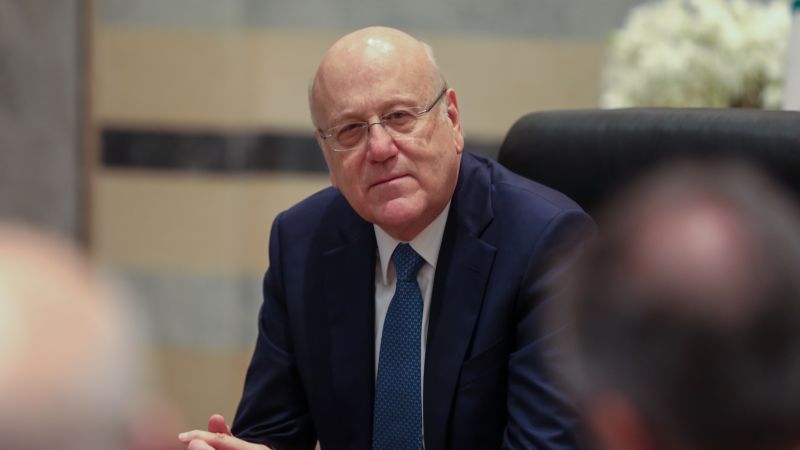
Lebanon's caretaker Prime Minister Najib Mikati has reversed his decision to delay winter clock changes by a month, after it sparked confusion and exasperation in a country already gripped by economic crisis. Mikati's plan to postpone Daylight Saving until April 20 was rejected by several churches and media organizations, and caused chaos in a population that woke up to two different timezones. The decision was initially thought to be introduced to line up with Ramadan, when Muslims abstain from food and drink from sunrise to sunset. Lebanon is gripped by a political deadlock that has prevented parliament from electing a president since former leader Michel Aoun left his post in October.
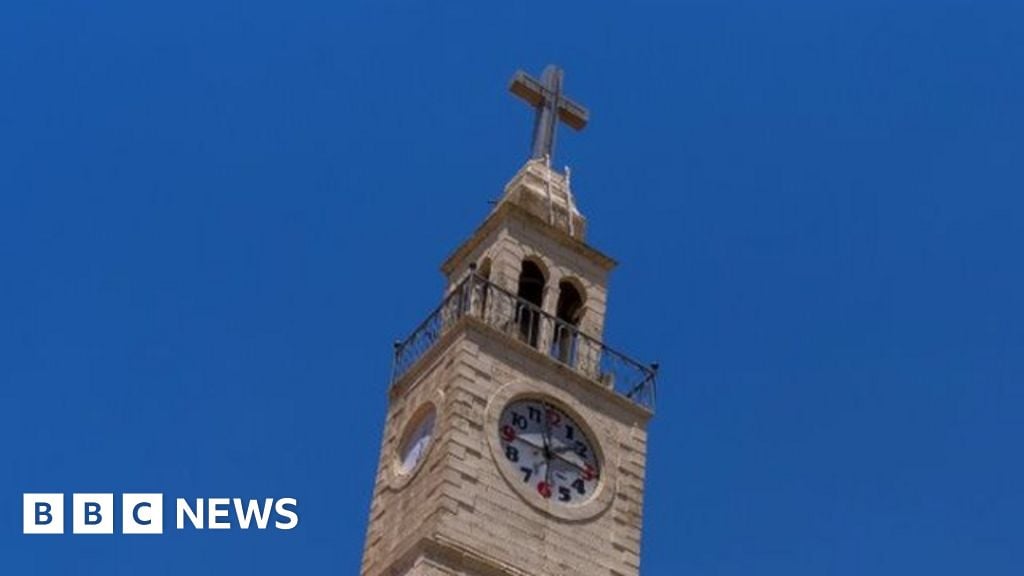
Lebanon postponed its daylight saving change due to Ramadan, causing confusion and chaos as people are going by two different time zones. The decision was supported by Muslim institutions and parties but opposed by the Maronite church and many Christian institutions. The confusion has affected airports, businesses, and people across the country. The situation has led to fears of inflaming sectarian tensions in a country that has long been home to numerous different religious groups. The cabinet has now voted to rectify the issue and move the clocks forward by one hour on Wednesday night.
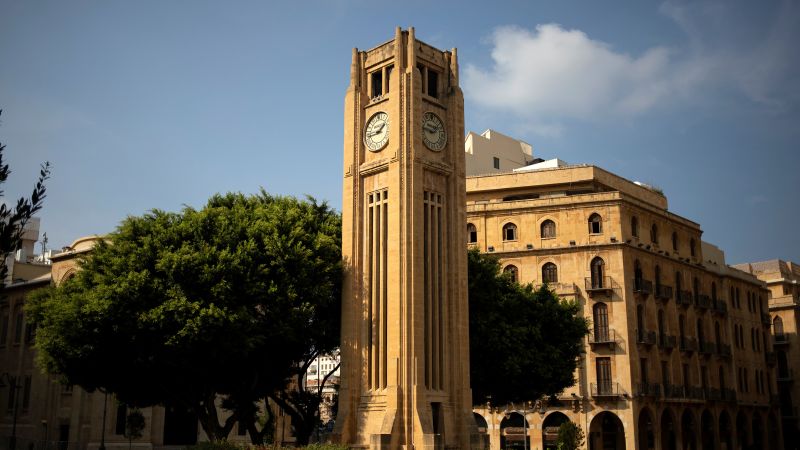
Lebanon is experiencing confusion as people woke up in two different time zones due to a dispute between political and religious authorities over when clocks should go forward. Caretaker Prime Minister Najib Mikati announced that daylight saving would begin at the end of Ramadan next month, allowing Muslims to break their daily fast earlier. However, Christian authorities said they would change the clocks on the last Sunday in March, as happens most years. The dispute illustrates deep divisions in a country where Christian and Muslim factions waged a civil war in the late 1970s and 1980s, and where political positions are shared between religious groups.
Lebanon's government has postponed winter clock changes, introducing Daylight Saving from midnight on April 20 instead of March 25. The move has faced widespread revolt, with two TV channels going ahead with the clock changes in protest. Middle East Airlines has changed the timings of all its flights for one month, advancing the timings by one hour. The government has not yet informed officials responsible for synchronizing times on electronic devices of the change, leaving the country on the brink of two different timezones.