Bernard Mandeville's work explores how pride and shame drive human behavior and social cohesion, revealing that virtues like politeness and chastity are artificial passions rooted in self-love and the desire for recognition, which ultimately contribute to societal welfare through private vices.
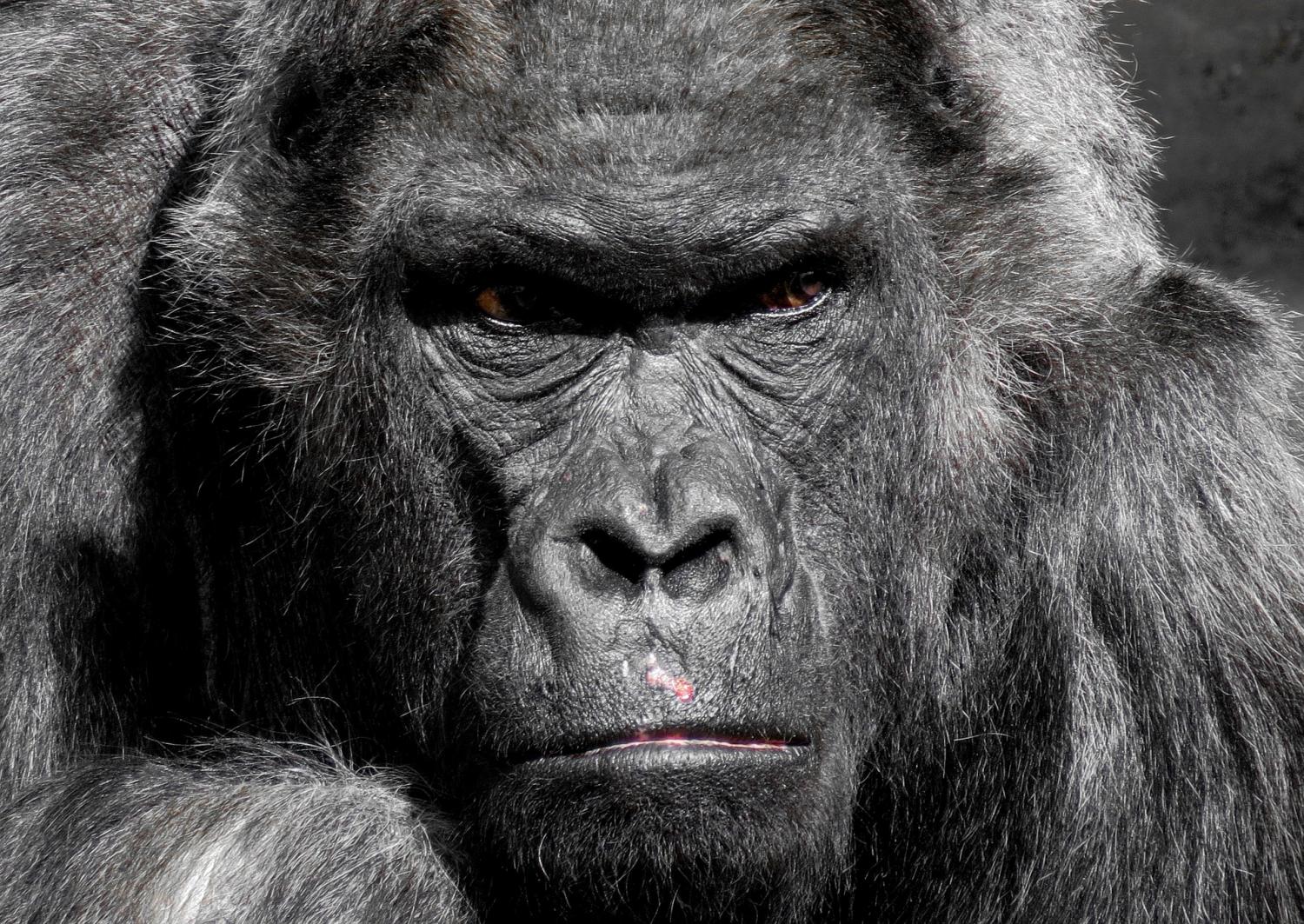
The article explores how studying great apes like chimpanzees and bonobos provides valuable insights into human evolution, social structures, communication, and problem-solving, highlighting our shared traits and behaviors.
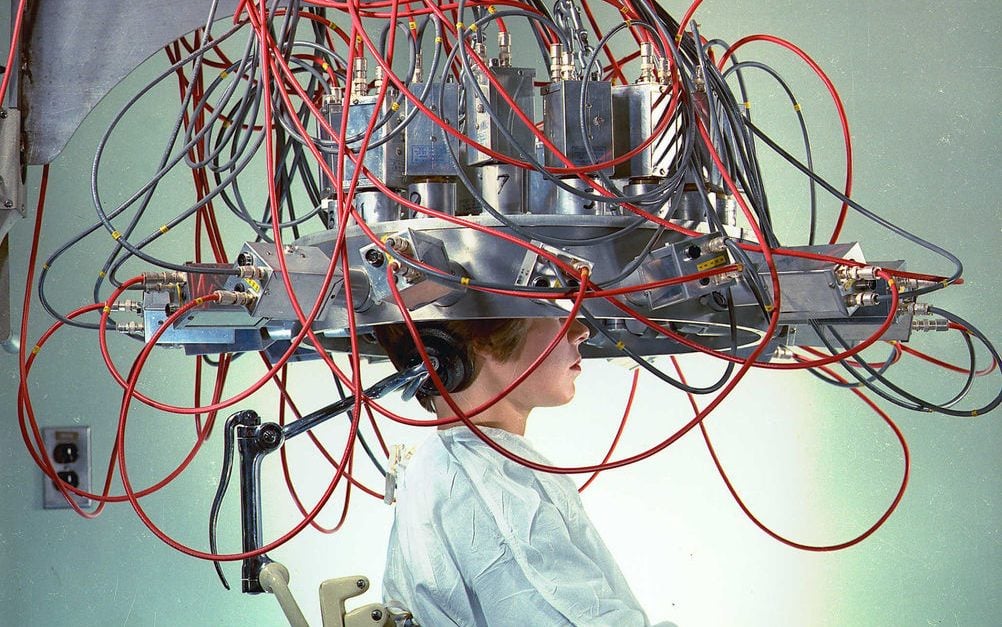
New research in neuroscience challenges long-held beliefs about consciousness, free will, and human nature. Studies at the Francis Crick Institute suggest that our brains play a significant role in shaping our perceptions and behaviors, raising questions about the nature of free will and the uniqueness of human consciousness. While the findings may challenge traditional views of the self, they also highlight the remarkable complexity and capabilities of the human brain, emphasizing the need for a deeper understanding of consciousness and its implications.
Recent scientific discoveries are challenging the long-held perception of Neanderthals as primitive beings, shedding light on their complex nature and prompting us to reconsider our understanding of human evolution. By studying Neanderthals, we may gain insights into our own humanity and what it means to be human.
A netizen asked the internet for creepy facts about human nature, and received 40 chilling answers. Some of the eerie facts include the common urge to jump from high places, the ability to sense when someone is staring at you, the psychological desire to artificially induce fear, the strange reaction of stripping before death due to hypothermia, the phenomenon of mob mentality, the ability to induce goosebumps, the high risks during human birth, the formation of false memories, the condition of being unable to recognize objects, the unexplained fear of certain sounds, the movement of organs after back surgery, the unique ability of humans to run for extended periods of time, the possibility that reality is an illusion, the dormant genes for regeneration, the mystery of goosebumps, the collective fear and worship of powerful individuals, the corrosive power of stomach acid, the separate immune system of the eyes, the immune boost from looking at sick people, the paradox of human violence and social behavior, the condition of aphantasia, the occurrence of death near toilets, the susceptibility of anyone to cults, the Uncanny Valley phenomenon, the influence of the frontal cortex on decision-making, the invasive nature of humans as a species, the phenomenon of "cute aggression," the tendency to see faces in things, the limited perception of touch, and the realization of human selfishness.
Studies suggest that being a jerk can lead to personal success, but it comes at the expense of others and can harm organizations. Humans are wired to cooperate and trust each other, and being friendly was an evolutionary advantage. While jerks may win temporarily, in the long run, nice guys win the war.
Apple TV+'s "Extrapolations" features a star-studded cast and a serious message about climate change, but its heavy-handed approach and lack of nuanced characters make it a mostly dry series of discussions. While some episodes succeed in using climate change as a backdrop for more human-scale dramas, others feel like thinly conceived characters acting out predetermined developments. Creator Scott Z. Burns' script for "Contagion" may have been prescient, but "Extrapolations" struggles to understand the souls still stuck on a planet in ruin.